
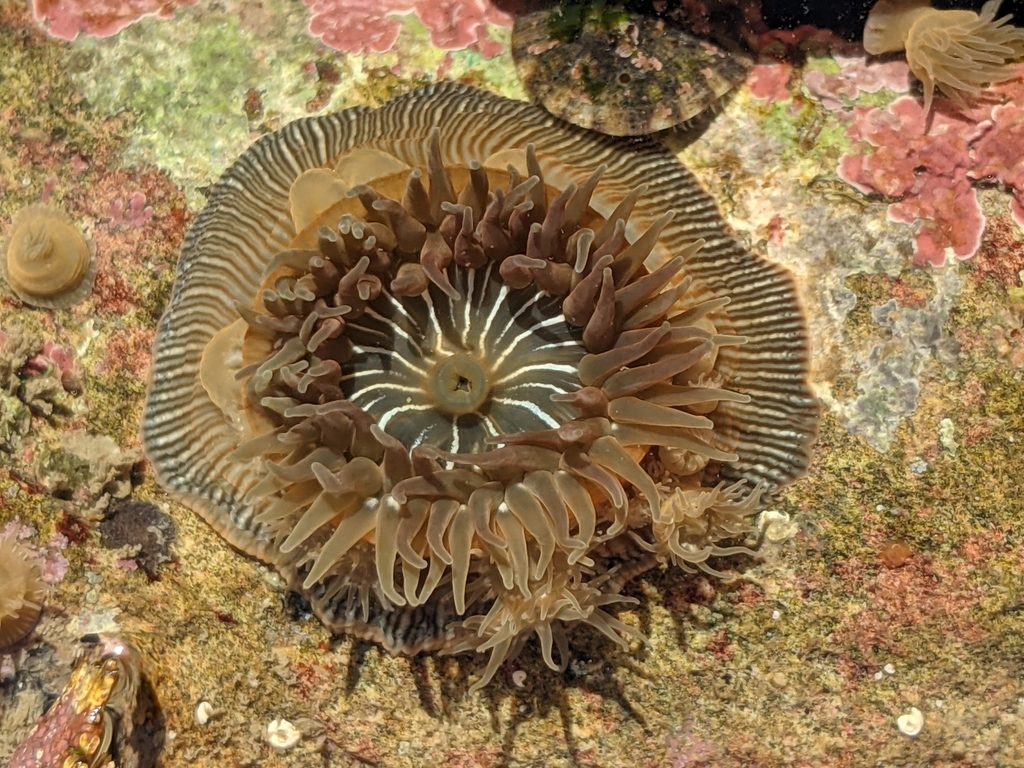
DiscoverSpeciesCorals and anemones
Brooding anemone
Epiactis prolifera
- Usual depth0–27 m
- Water temperature7–18 °C
- Best monthsJanuary, June, and December
- How commonOccasional
Photo credit: no rights reserved · CC0 1.0 · iNaturalist
About this species
Epiactis prolifera, the brooding, proliferating or small green anemone, is a species of marine invertebrate in the family Actiniidae. It is found in the north-eastern Pacific. It has a feature rare among animals in that all individuals start life as females but develop testes later in their lives to become hermaphrodites.
Text from the Wikipedia article “Epiactis prolifera”, licensed CC BY-SA 4.0. Read the article
Where and when
Where it has been recorded
Worldwide
Best months
Worldwide (open data)
- January: 448 records
- February: 284 records
- March: 283 records
- April: 250 records
- May: 255 records
- June: 483 records
- July: 274 records
- August: 151 records
- September: 76 records
- October: 123 records
- November: 210 records
- December: 300 records
Depth and water temperature
Depth
Mostly recorded at 0–27 m · Deepest record: 48.8 m
Water temperature
Recorded in surface water of 7–18 °C
Photos
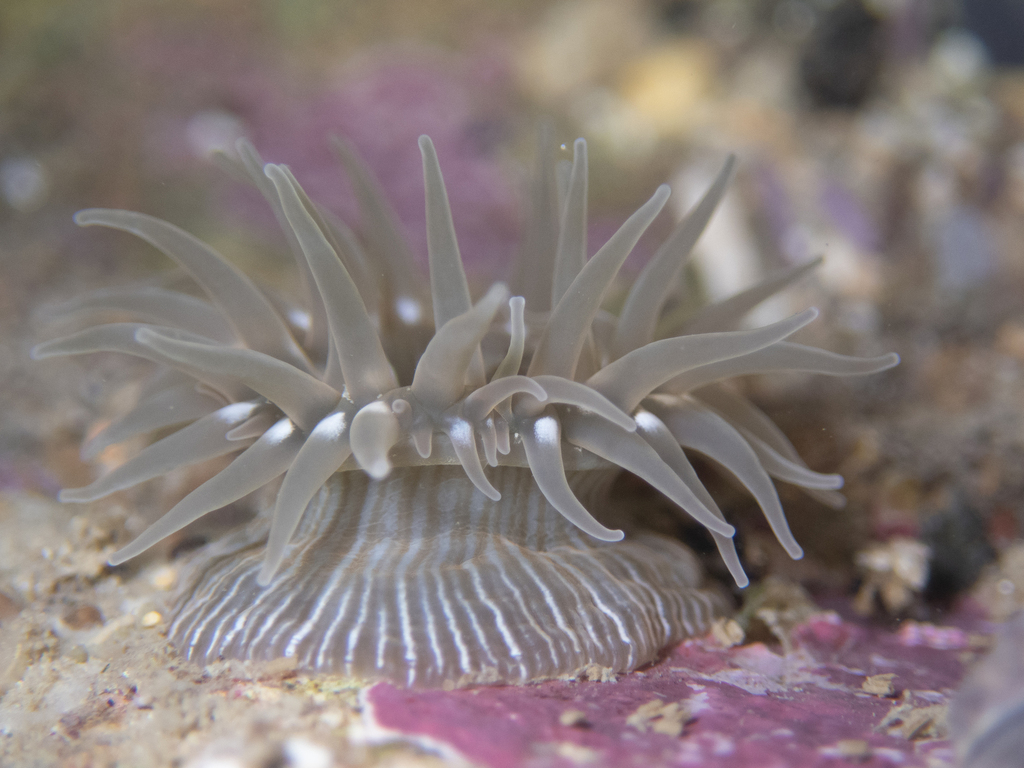
(c) Nathan, some rights reserved (CC BY) · CC BY · iNaturalist 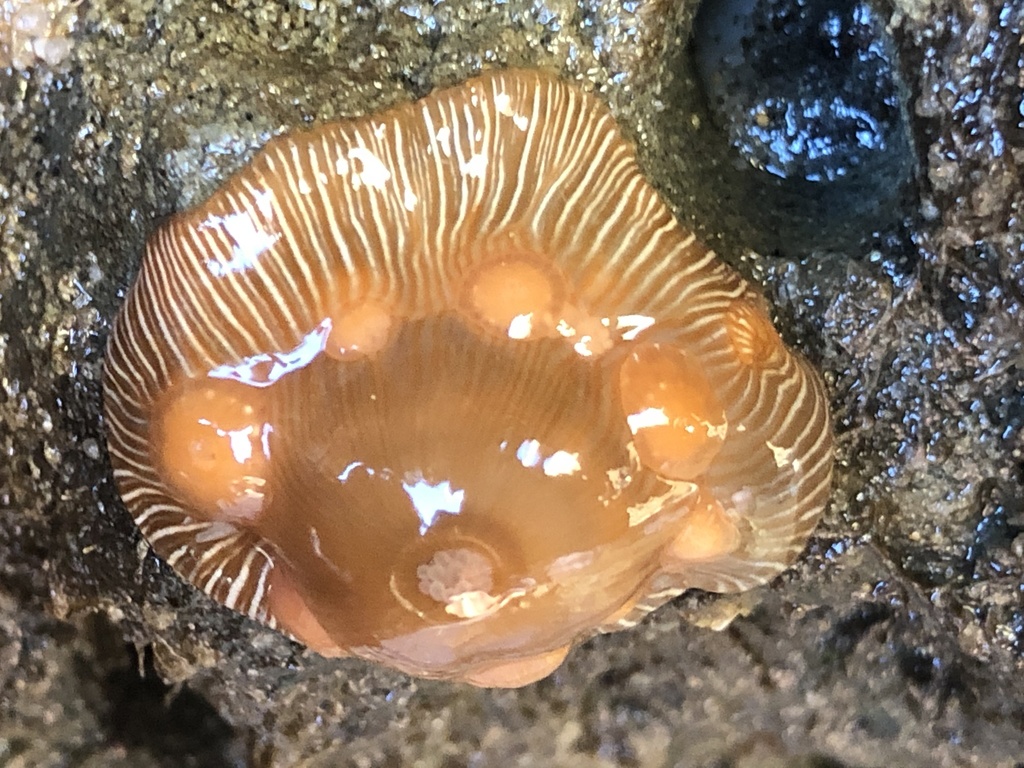
no rights reserved · CC0 1.0 · iNaturalist 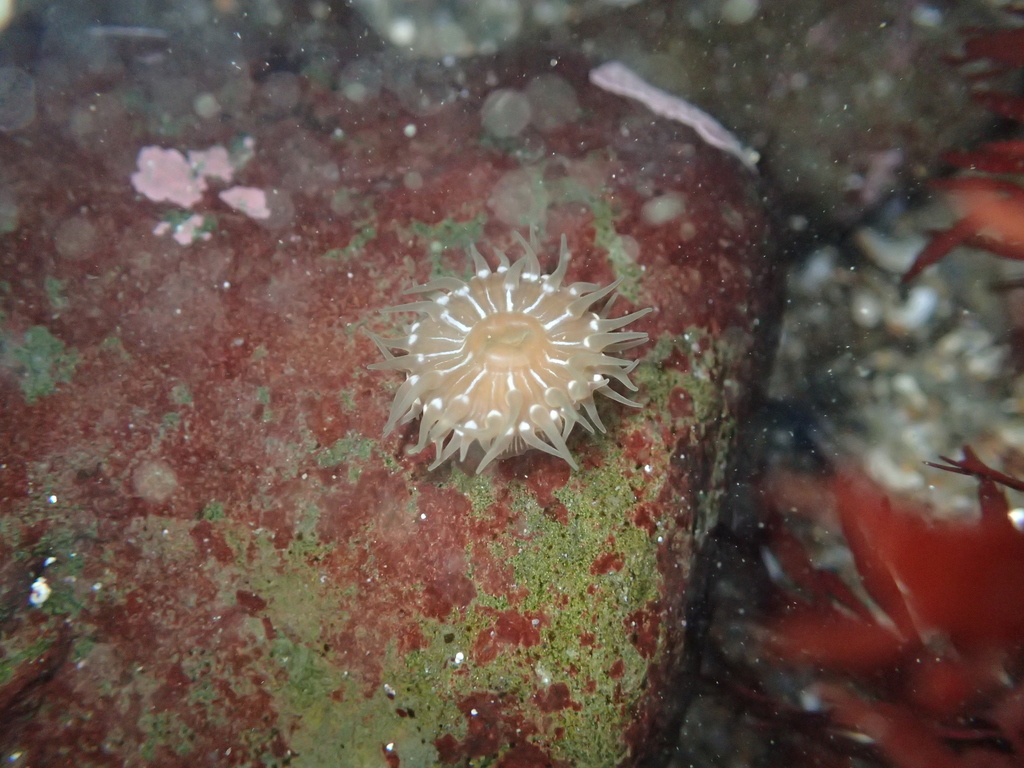
(c) Allison Gong, some rights reserved (CC BY) · CC BY · iNaturalist 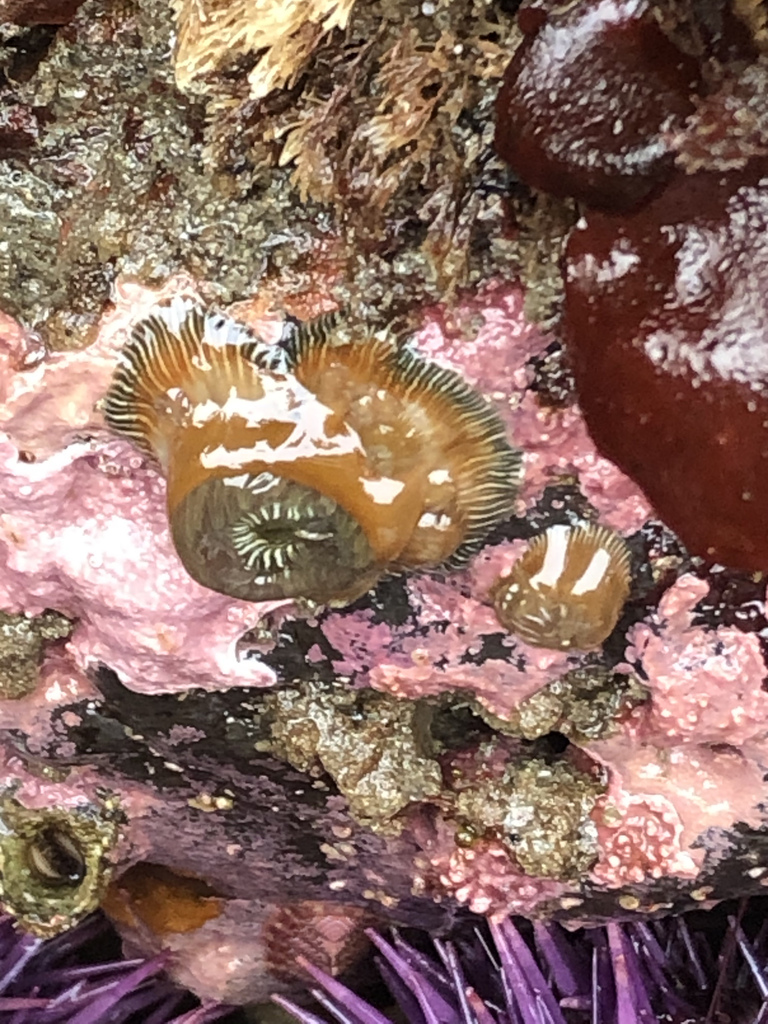
(c) Jared Shorma, some rights reserved (CC BY) · CC BY · iNaturalist 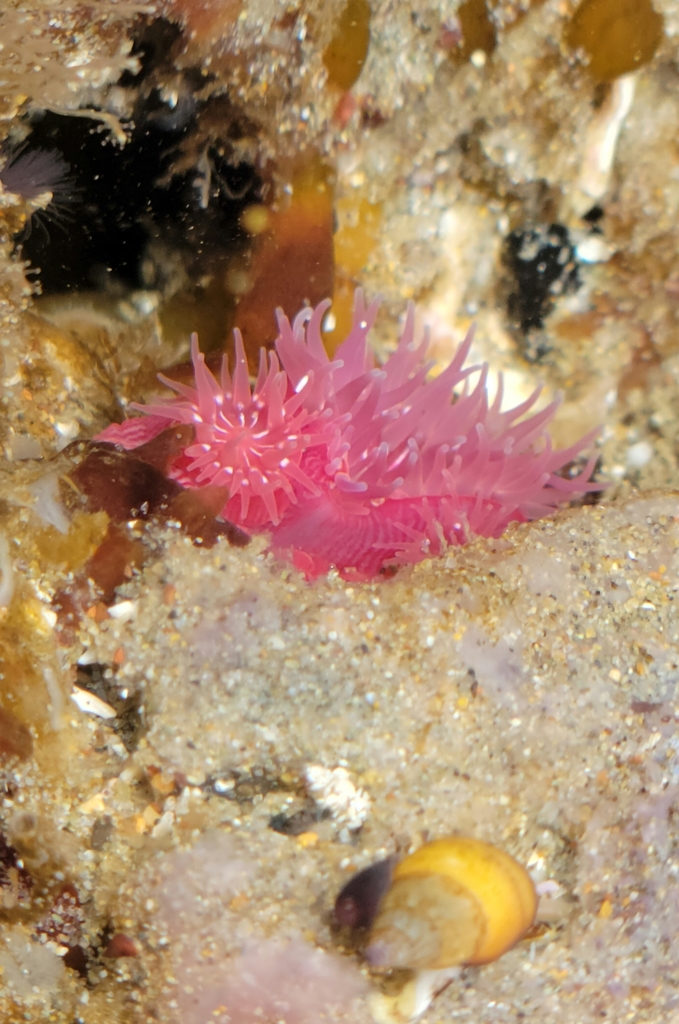
no rights reserved · CC0 1.0 · iNaturalist 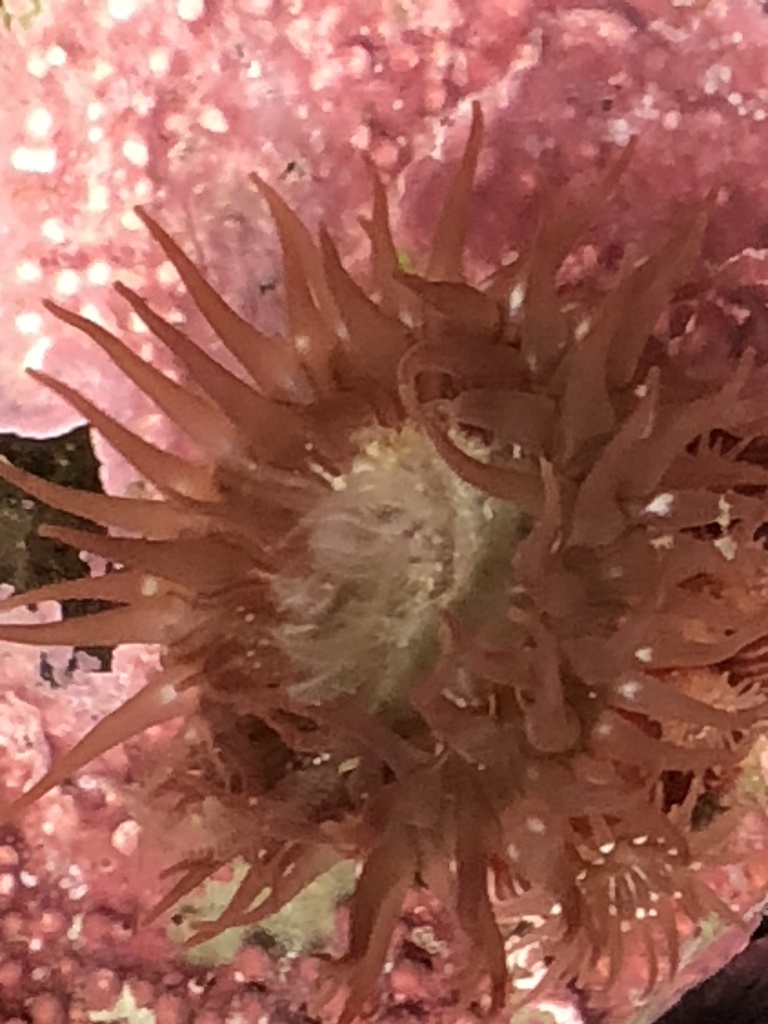
no rights reserved · CC0 1.0 · iNaturalist 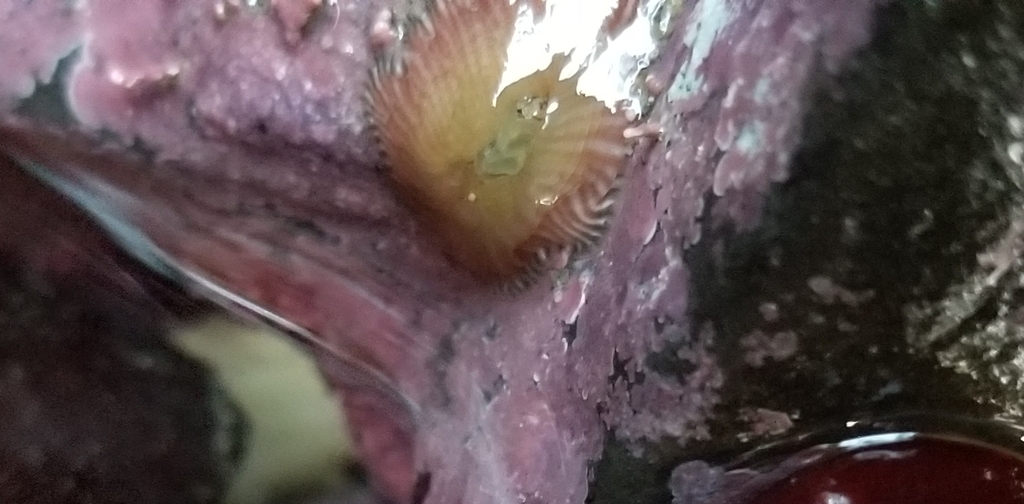
(c) Monica Ventrice, some rights reserved (CC BY) · CC BY · iNaturalist
Names and classification
- English
- Brooding anemone, Proliferating anemone, brooding anemone, proliferating anemone
Names in 1 more language
- German
- Westpazifische Brutanemone
Other scientific names: Epiactis fertilis
Similar species
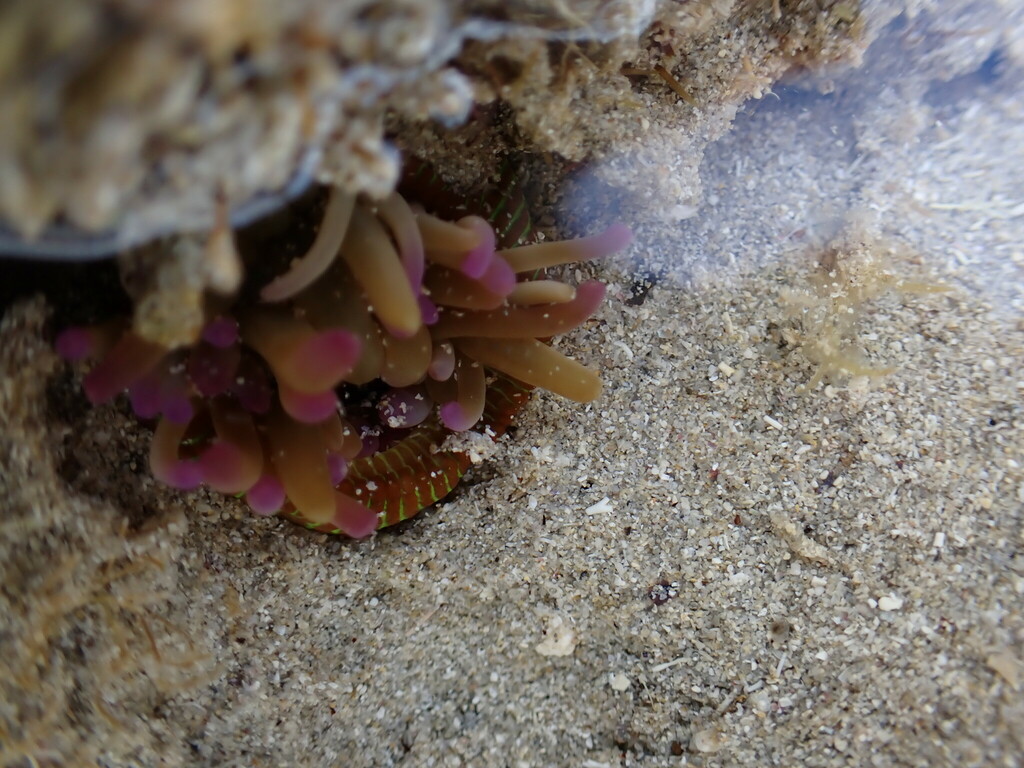
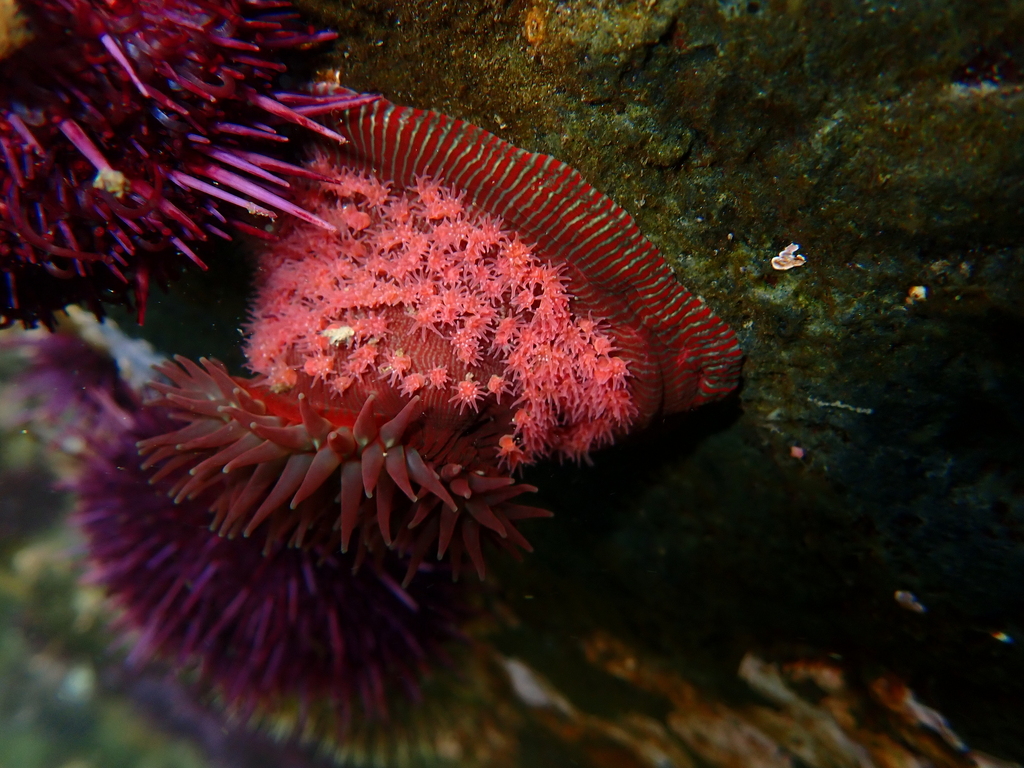 Giant brooding anemone
Epiactis lisbethae
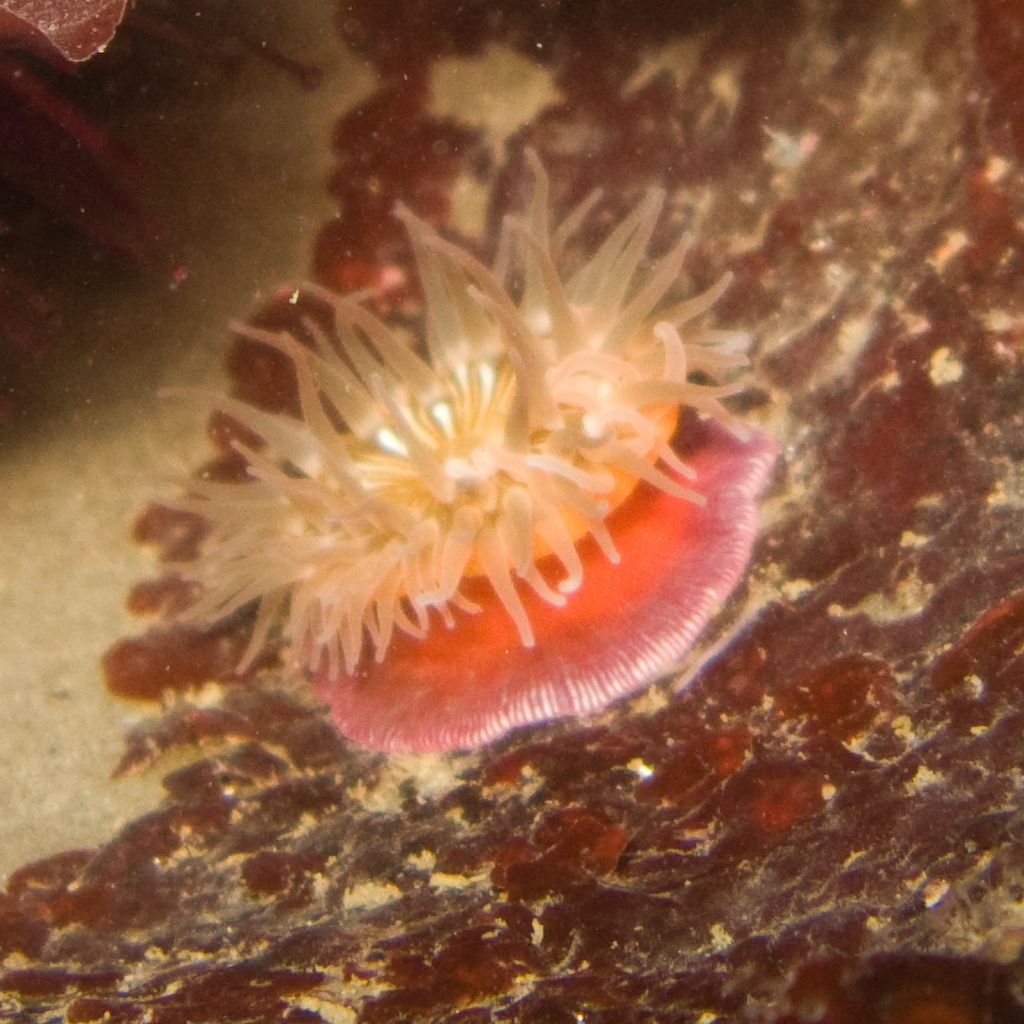 Sandy anemone
Epiactis ritteri

- Fernald brooding anemone
Epiactis fernaldi
Sources and credits
Names and taxonomy: WoRMS (CC BY 4.0) and the GBIF Backbone (CC BY 4.0). Photos: iNaturalist observers, each under the licence shown (CC0, CC BY or CC BY-SA).
- Depth, temperature, months and maps: records from OBIS and GBIF under CC0 or CC BY.
- Descriptions: Wikipedia, licensed CC BY-SA, each linked to its article.
- Conservation status as published by GBIF (IUCN Red List).
- 814 open-data records from 1916 to 2023.
- Species data updated November 10, 2026.
Log what you see on your next dive
The free DiveHive diver app keeps your logbook with every sighting and shows what lives at the site you dive next.