
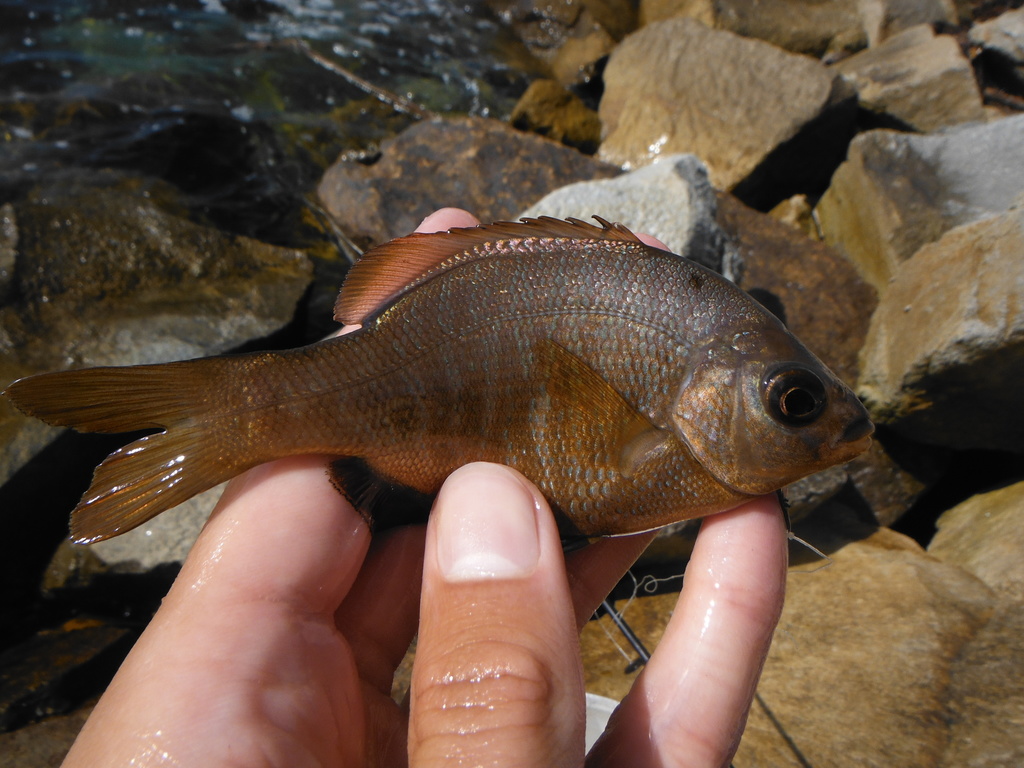
Black perch
Embiotoca jacksoni
- Usual depth2–15 m
- Water temperature11–18 °C
- Best monthsAugust and September
- How commonCommon
Photo credit: (c) zr217, some rights reserved (CC BY) · CC BY · iNaturalist
About this species
Embiotoca jacksoni, commonly known as the black surfperch, is a species of surfperch native to shallow coastal areas of the Eastern Pacific Ocean. Other common names of the species include black perch and butterlips. They are commercially important food and game fish.
Text from the Wikipedia article “Embiotoca jacksoni”, licensed CC BY-SA 4.0. Read the article
Where and when
Where it has been recorded
Worldwide
Best months
Worldwide (open data)
- January: 115 records
- February: 81 records
- March: 74 records
- April: 123 records
- May: 204 records
- June: 689 records
- July: 2,206 records
- August: 8,391 records
- September: 10,466 records
- October: 5,910 records
- November: 1,989 records
- December: 575 records
Depth and water temperature
Depth
Mostly recorded at 2–15 m · Deepest record: 30.4 m
Water temperature
Recorded in surface water of 11–18 °C
Photos
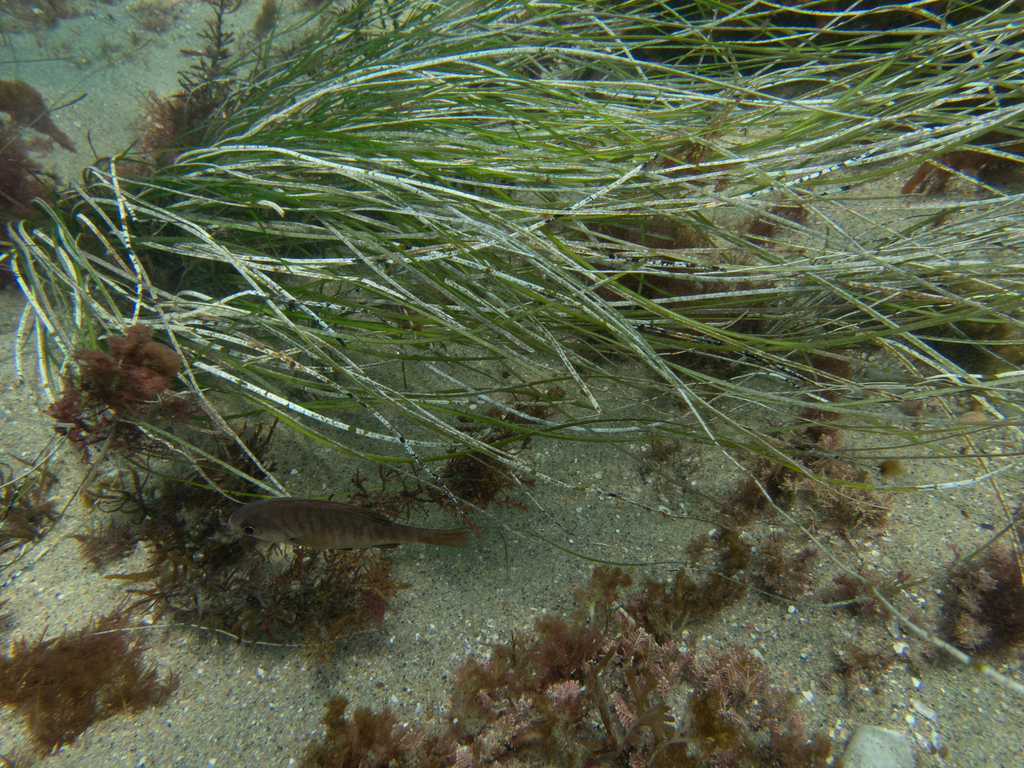
(c) Jess Mullins, some rights reserved (CC BY) · CC BY · iNaturalist 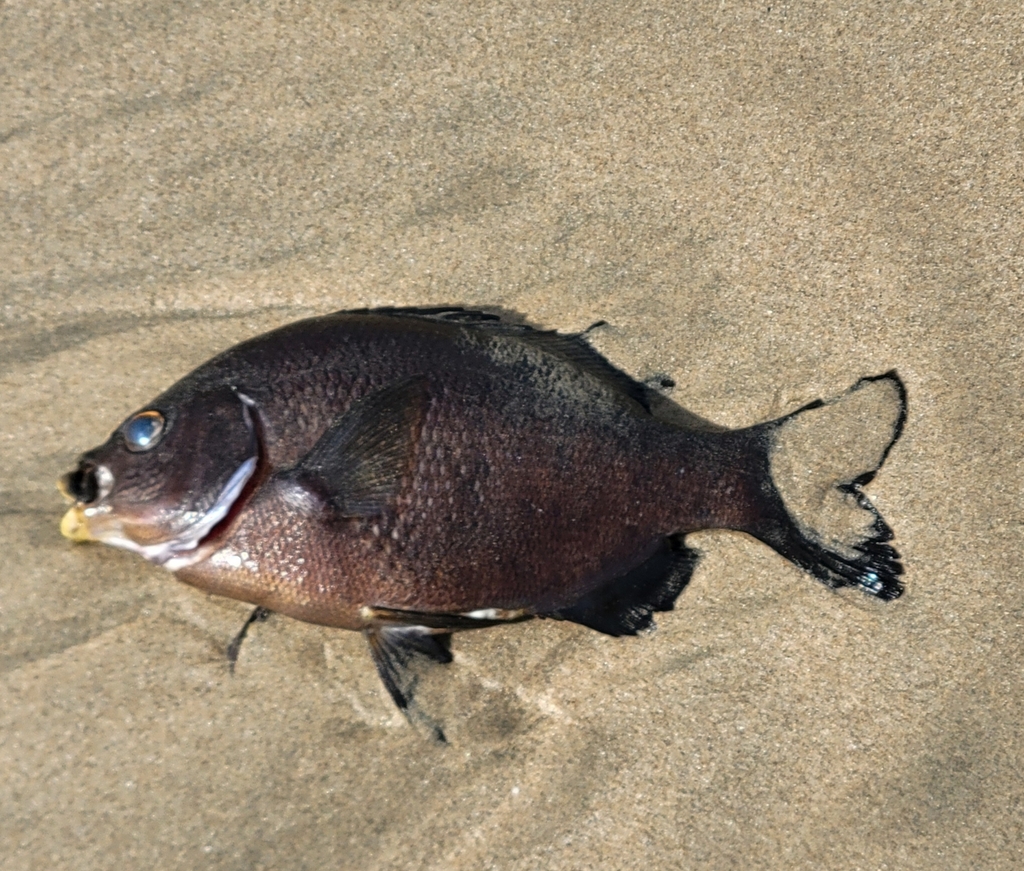
no rights reserved · CC0 1.0 · iNaturalist 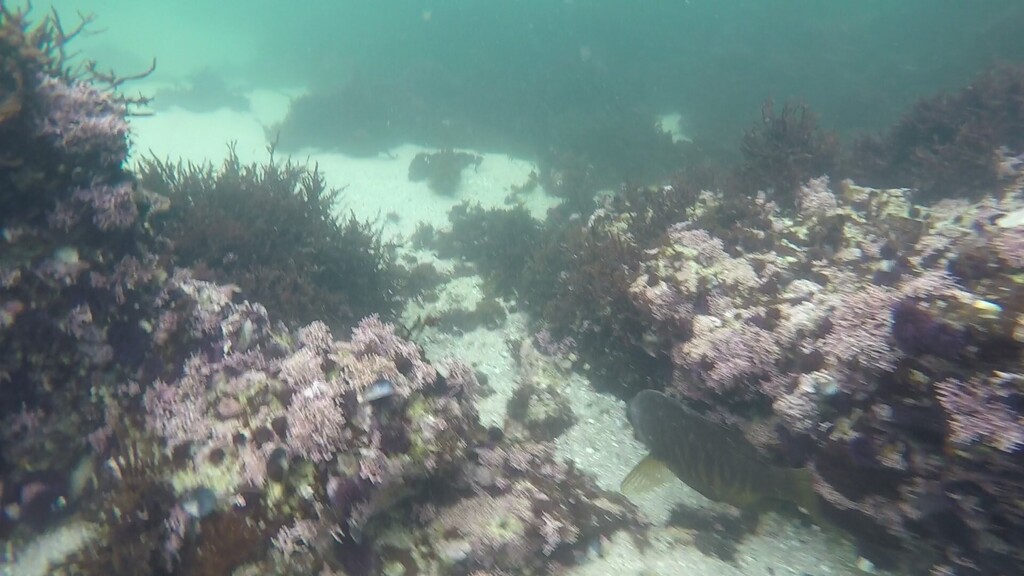
(c) Eric Knight, some rights reserved (CC BY) · CC BY · iNaturalist 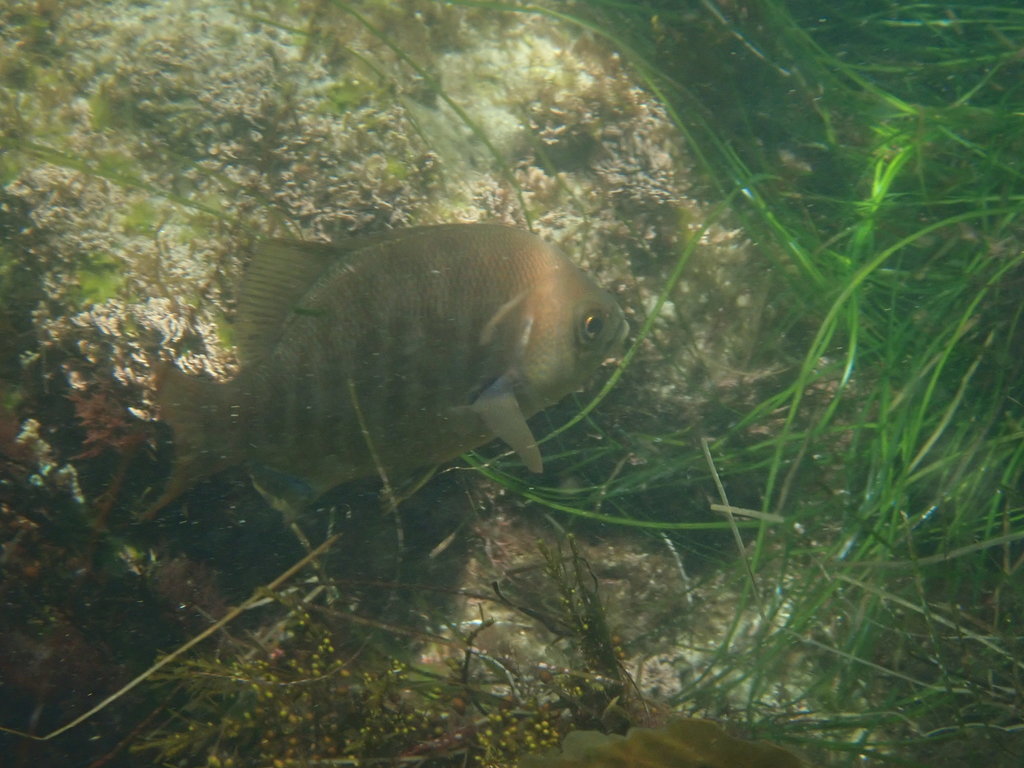
(c) Henrik Kibak, some rights reserved (CC BY) · CC BY · iNaturalist 
(c) Noah Doughty, some rights reserved (CC BY) · CC BY · iNaturalist 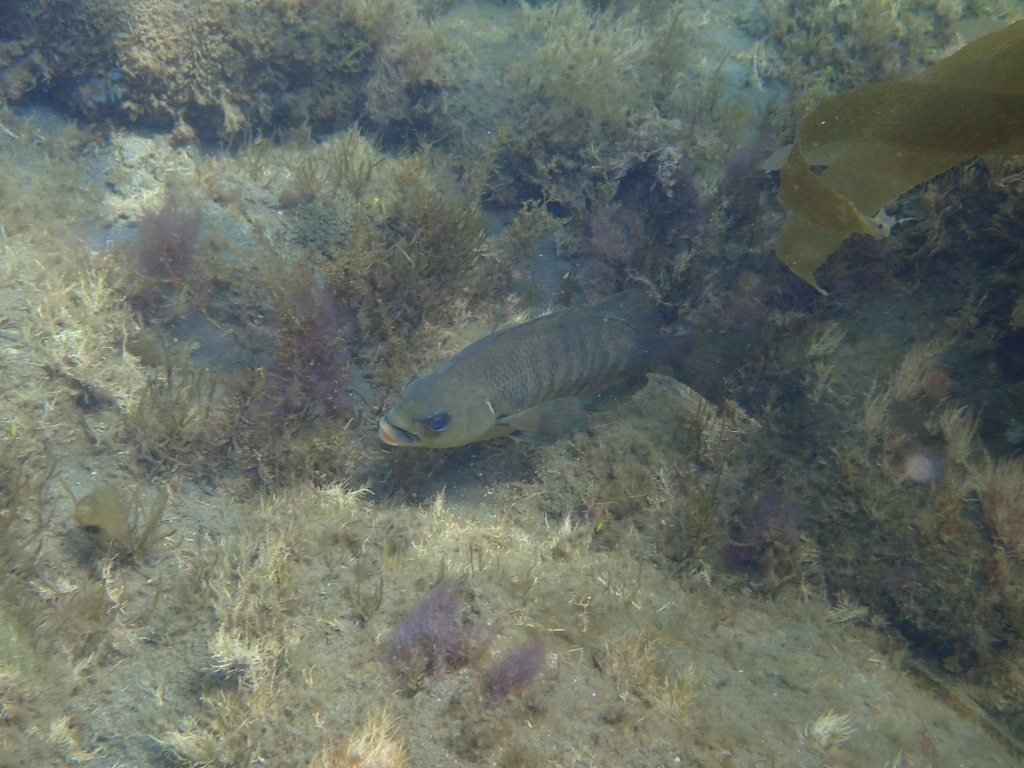
(c) eklemp, some rights reserved (CC BY) · CC BY · iNaturalist 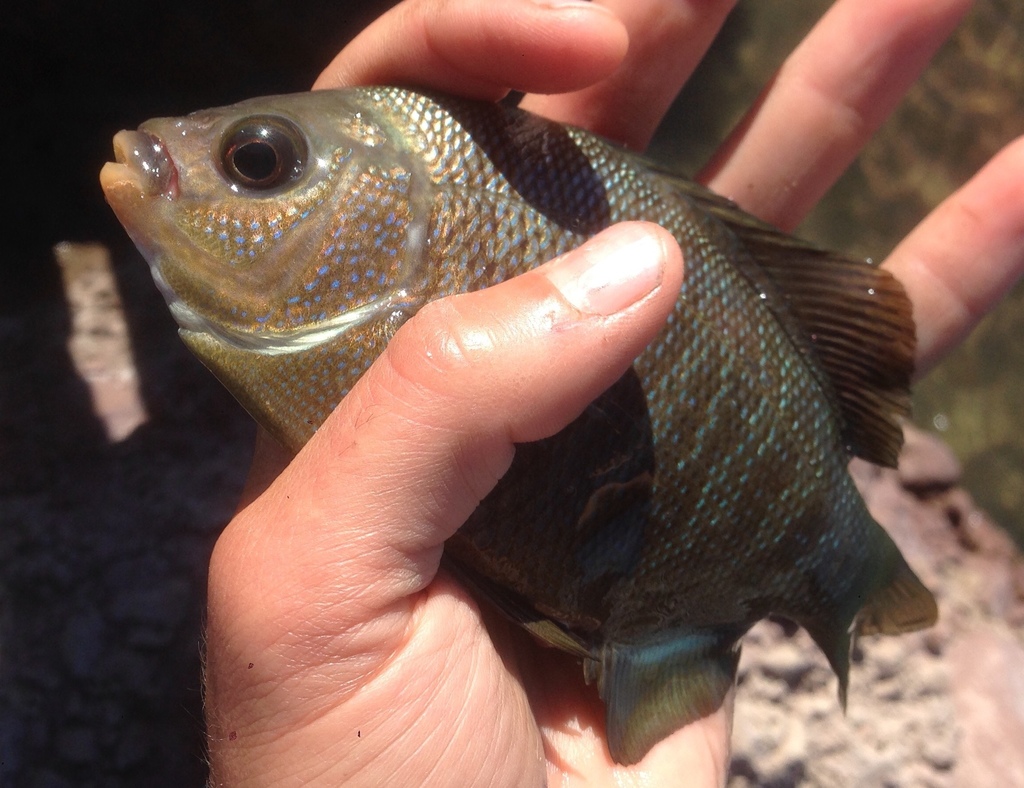
(c) Adam J. Searcy, some rights reserved (CC BY) · CC BY · iNaturalist
Names and classification
- English
- Black perch, black perch
Names in 1 more language
- Spanish
- mojarra negra, mojarra rayas negras
Other scientific names: Embiotoca cassidyi, Embiotoca jacksonii, Embiotoca webbi, Holconotus fuliginosus
Similar species
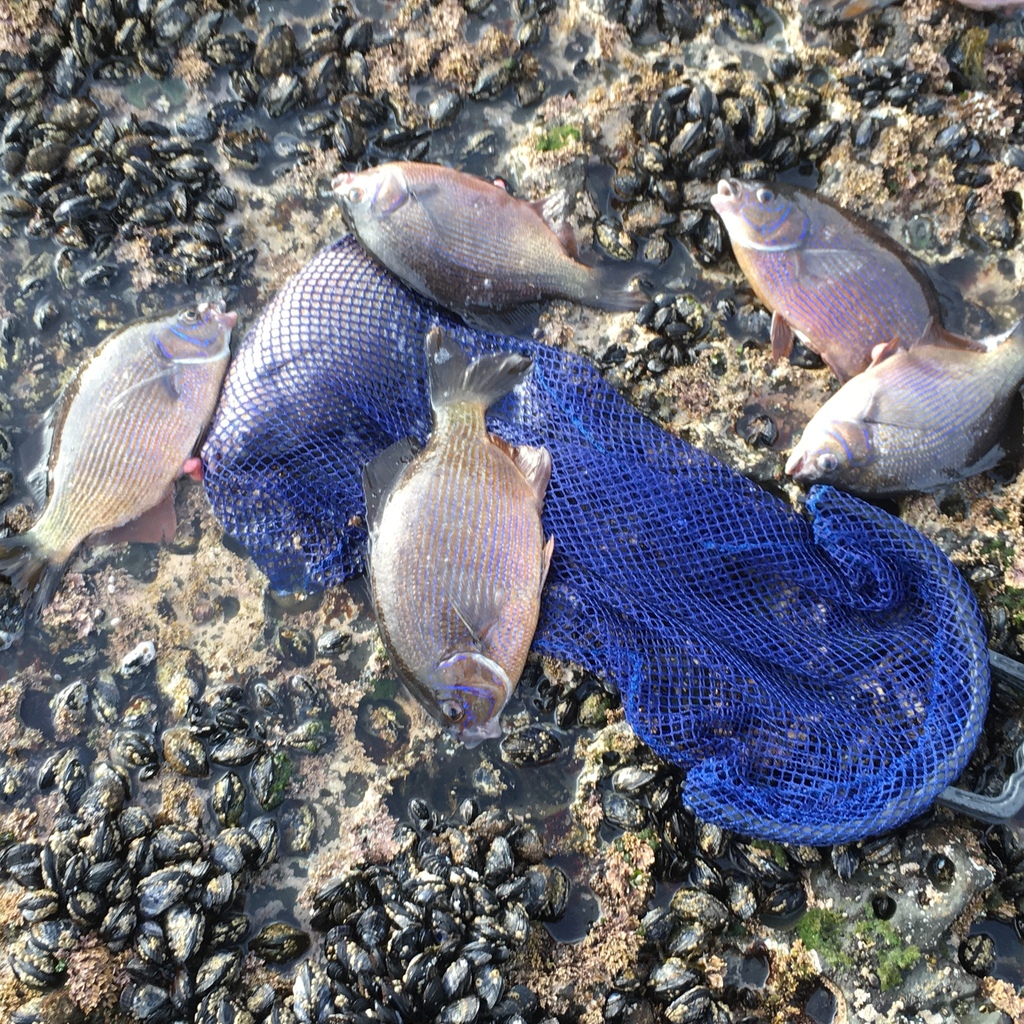 Striped seaperch
Embiotoca lateralis
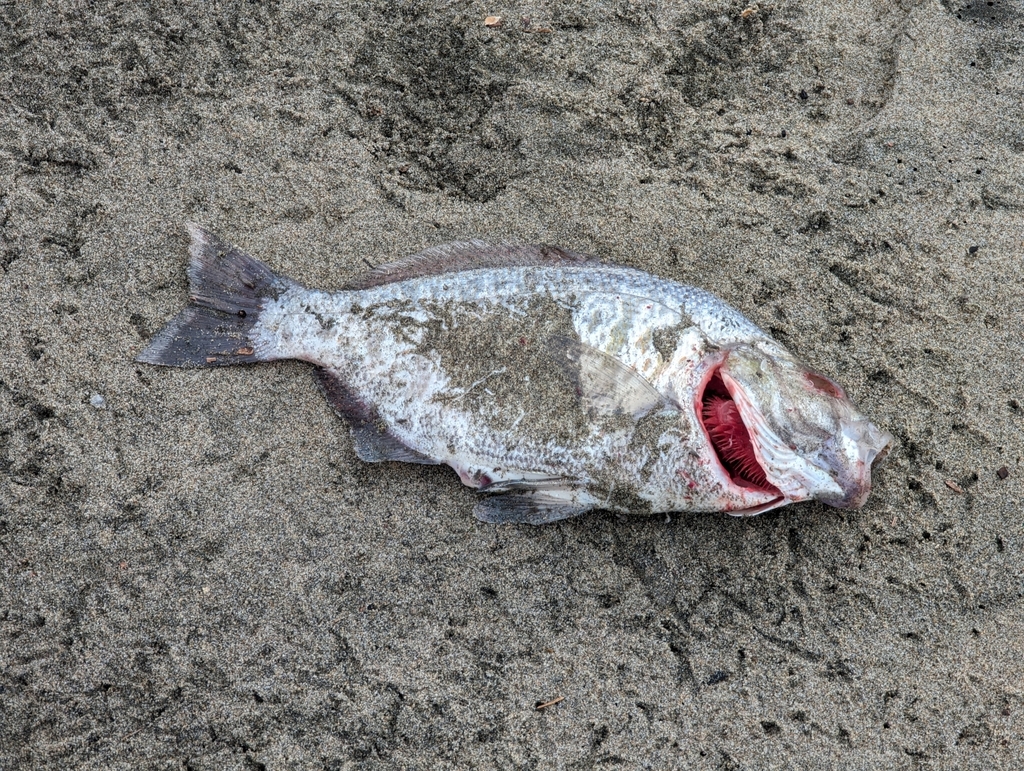 Barred surfperch
Amphistichus argenteus
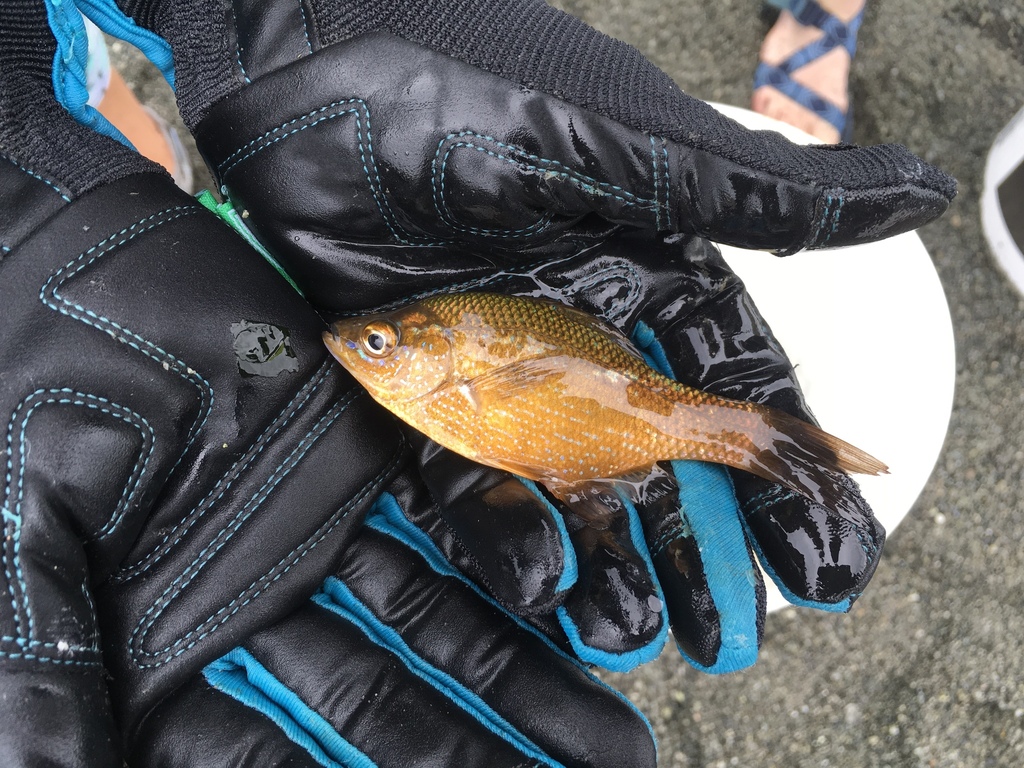 Kelp perch
Brachyistius frenatus
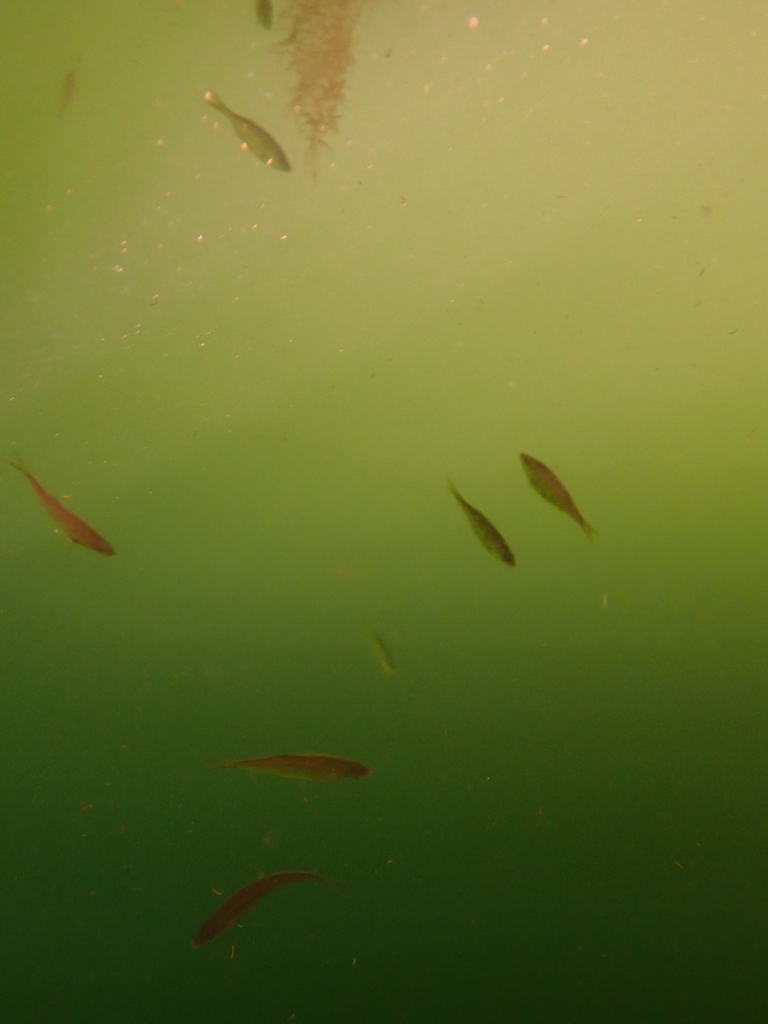 Shiner perch
Cymatogaster aggregata
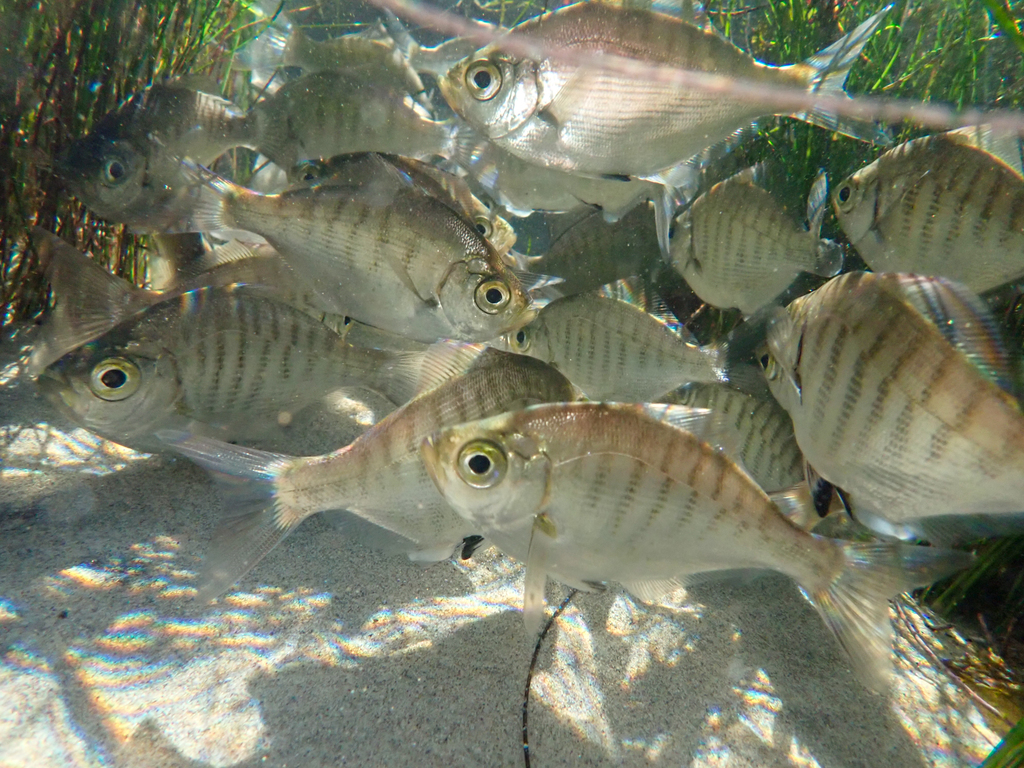 Walleye surfperch
Hyperprosopon argenteum
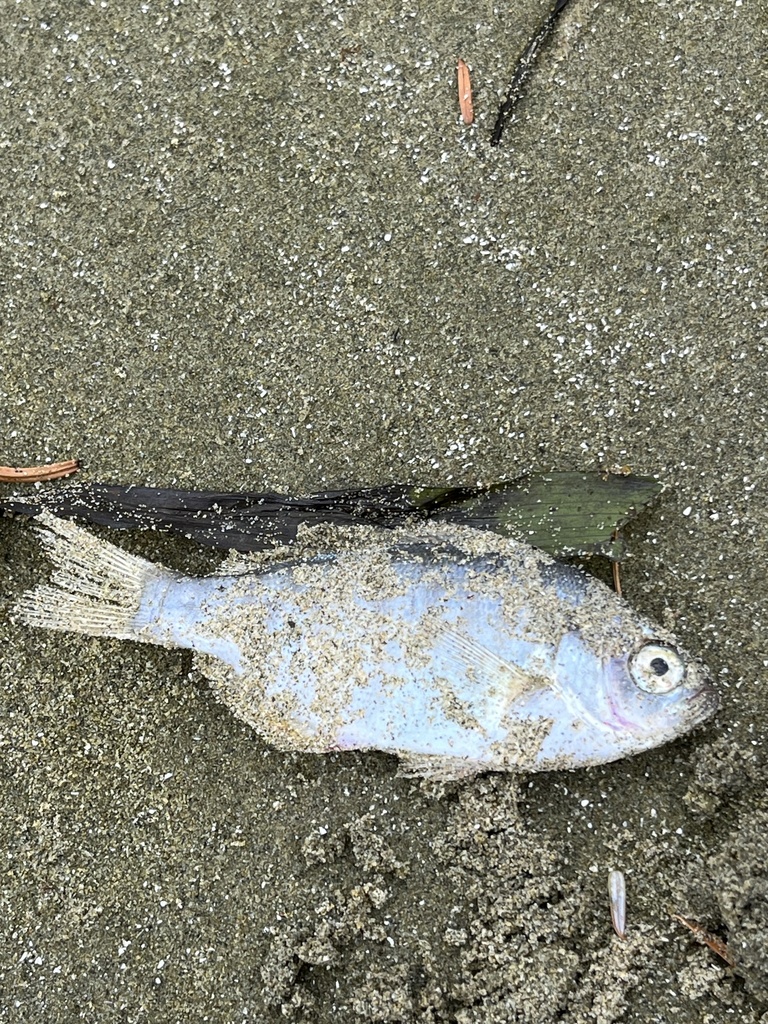 Silver surfperch
Hyperprosopon ellipticum
Sources and credits
Names and taxonomy: WoRMS (CC BY 4.0) and the GBIF Backbone (CC BY 4.0). Photos: iNaturalist observers, each under the licence shown (CC0, CC BY or CC BY-SA).
- Depth, temperature, months and maps: records from OBIS and GBIF under CC0 or CC BY.
- Descriptions: Wikipedia, licensed CC BY-SA, each linked to its article.
- Conservation status as published by GBIF (IUCN Red List).
- 114,846 open-data records from 1901 to 2024.
- Species data updated November 10, 2026.
Log what you see on your next dive
The free DiveHive diver app keeps your logbook with every sighting and shows what lives at the site you dive next.