

Pebbletooth Moray
Echidna peli
- Usual depth0–0 m
- Water temperature18–28 °C
- Best monthsMarch, April, and September
- How commonRare
Photo credit: (c) Thibaud Aronson, some rights reserved (CC BY-SA) · CC BY-SA · iNaturalist
About this species
Echidna peli is a moray eel found in the eastern Atlantic Ocean. It was first named by Johann Jakob Kaup in 1856, and is commonly known as the pebbletooth moray.
Text from the Wikipedia article “Echidna peli”, licensed CC BY-SA 4.0. Read the article
Where and when
Where it has been recorded
Worldwide
Best months
Worldwide (open data)
- January: 2 records
- February: 3 records
- March: 8 records
- April: 8 records
- May: 4 records
- June: 3 records
- July: 2 records
- August: 1 record
- September: 6 records
- October: 2 records
- November: 1 record
- December: 2 records
Depth and water temperature
Depth
Mostly recorded at 0–0 m · Deepest record: 0.4 m
Water temperature
Recorded in surface water of 18–28 °C
Photos
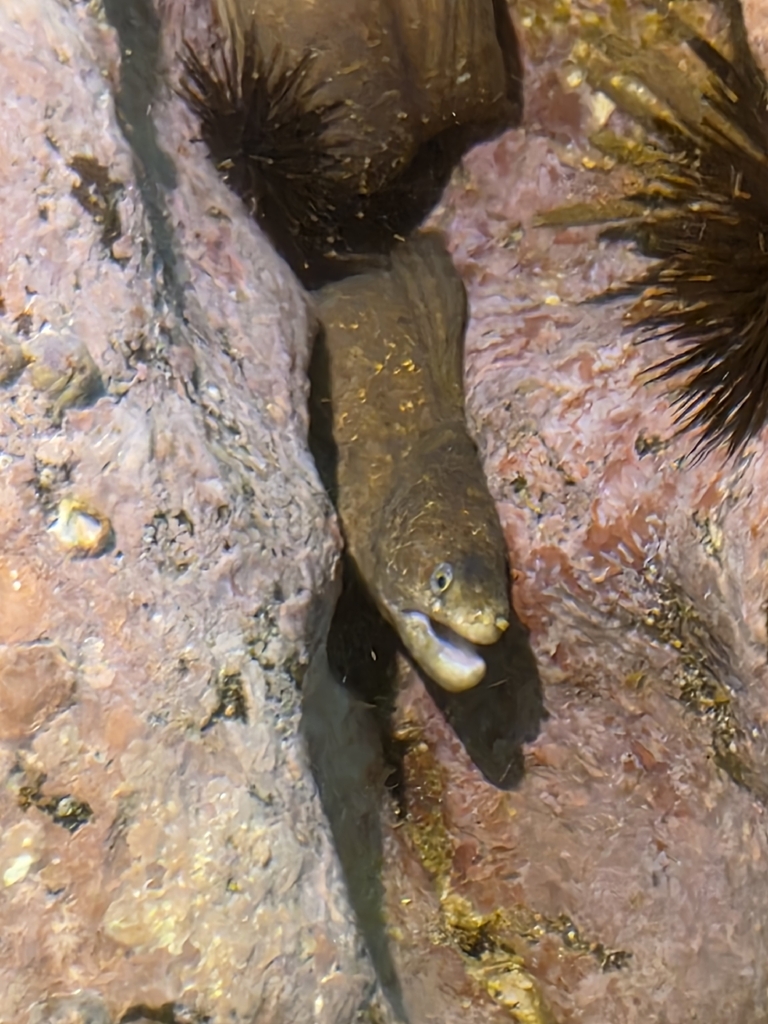
(c) Nicola Faulks, some rights reserved (CC BY) · CC BY · iNaturalist 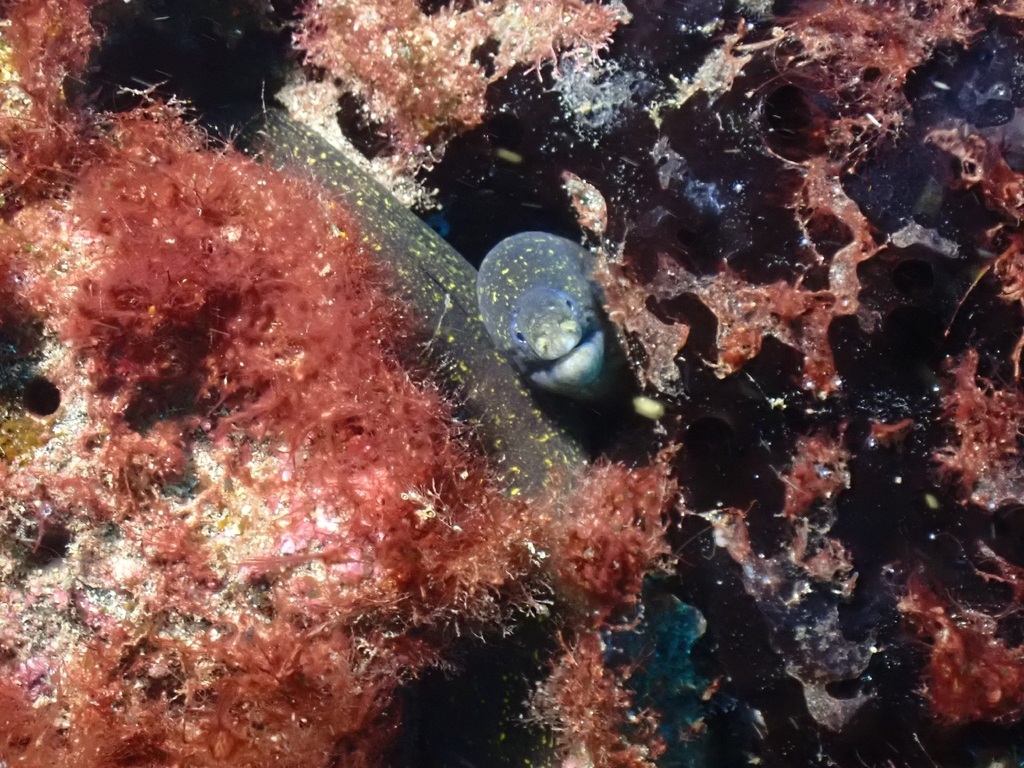
(c) liam1294, some rights reserved (CC BY) · CC BY · iNaturalist 
(c) Addshore, some rights reserved (CC BY) · CC BY · iNaturalist
Names and classification
- English
- Pebbletooth Moray
Names in 2 more languages
- Spanish
- Morena Pecosa Áfricana, Moreneta
- French
- Murène Serpent
Other scientific names: Gymnothorax peli, Muraena peli, Poecilophis lecomtei, Poecilophis peli
Similar species
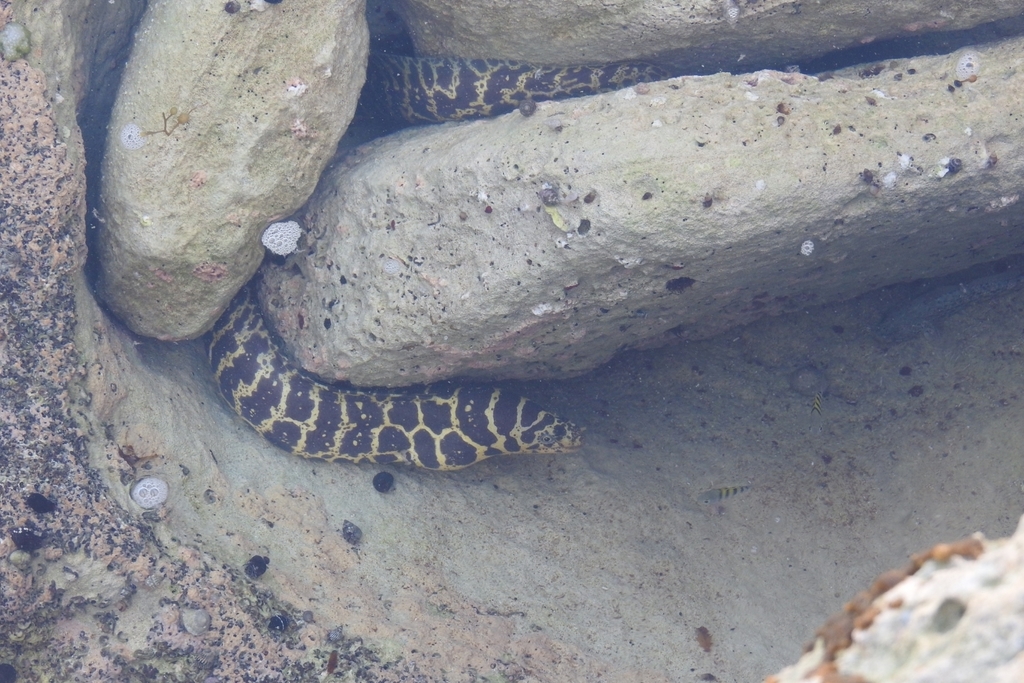 Chain moray
Echidna catenata
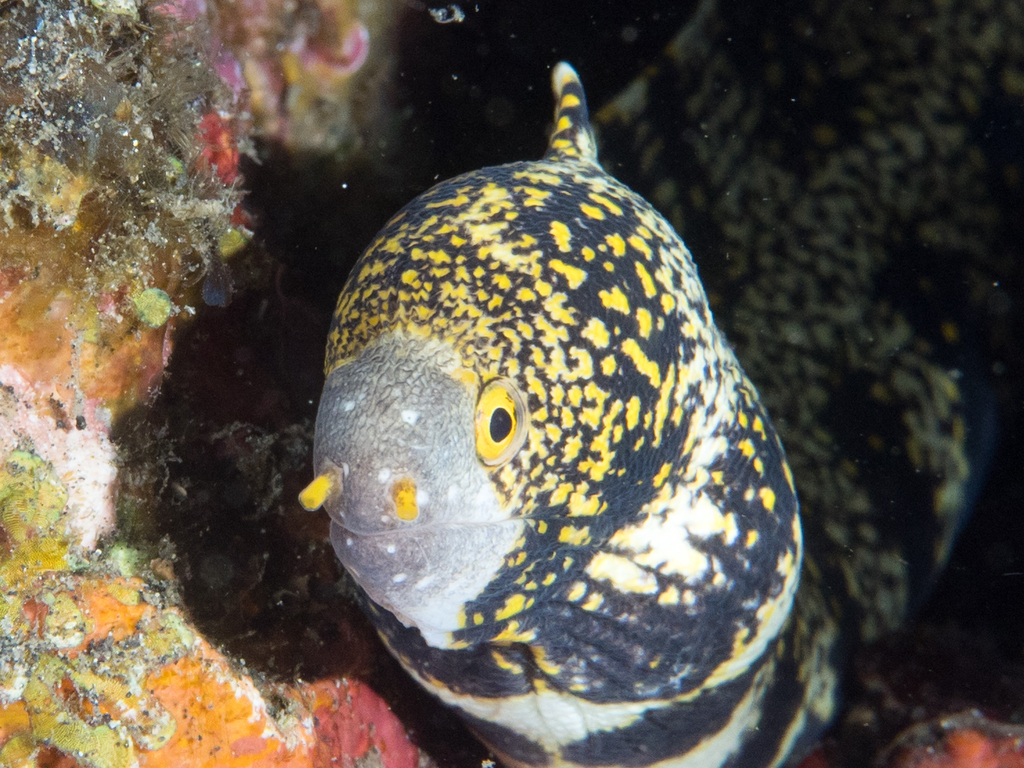 Snowflake moray
Echidna nebulosa
 Barred moray
Echidna polyzona
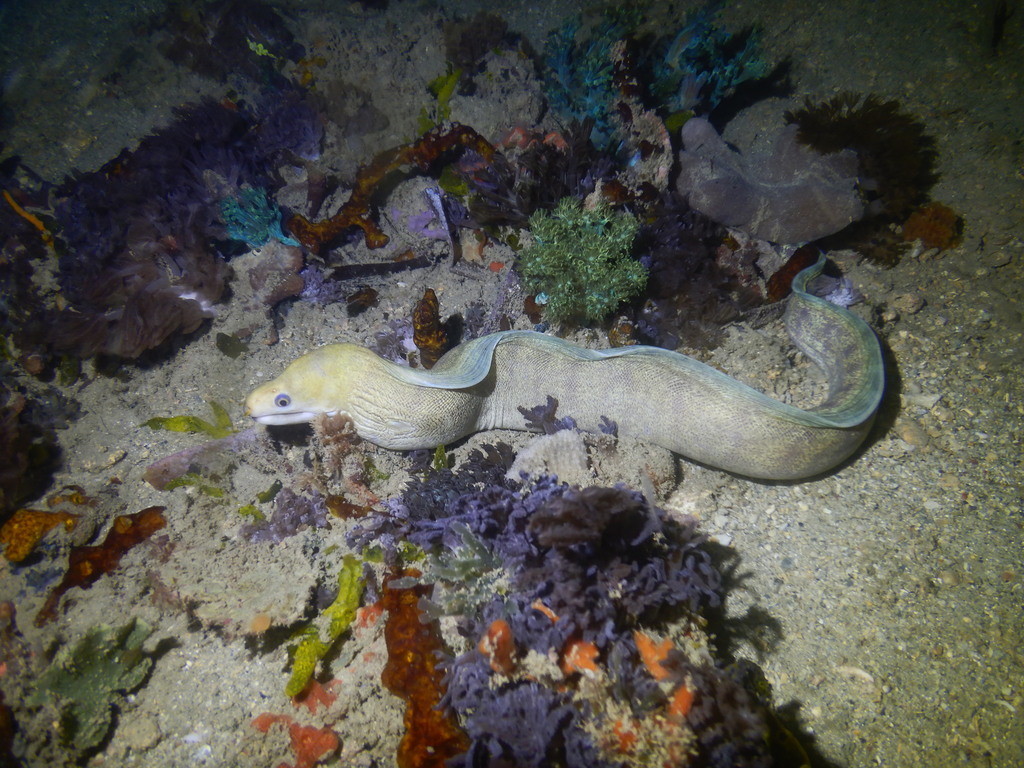 Fine-speckled Moray
Echidna delicatula
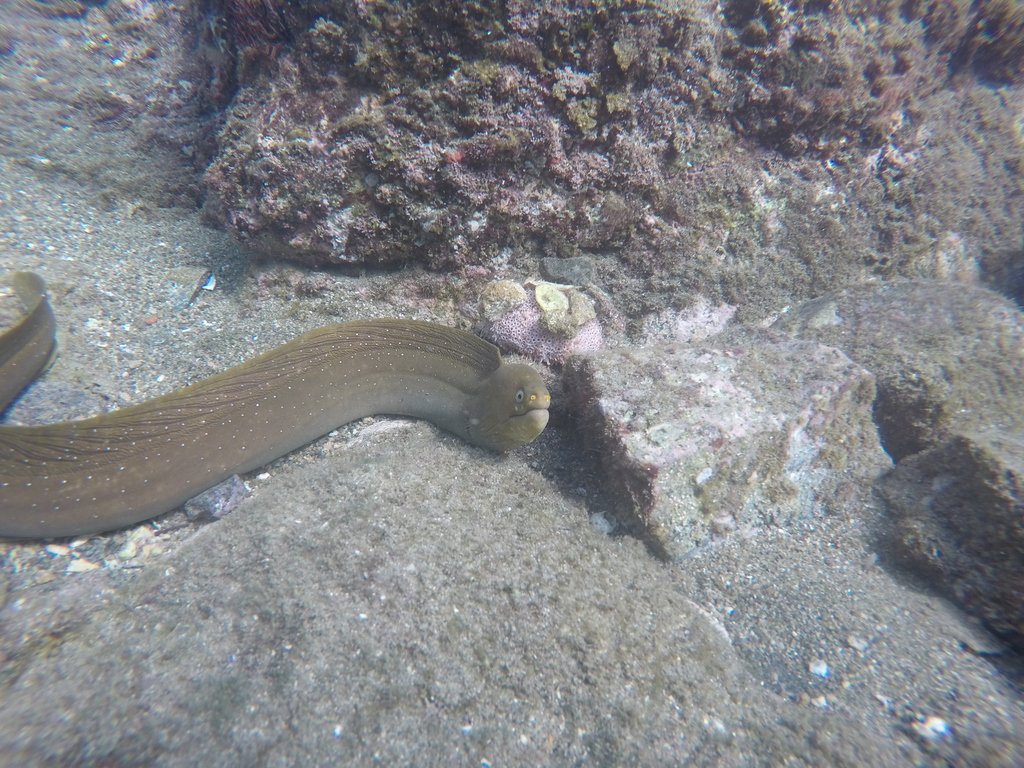 Palenose moray
Echidna nocturna
- Sulawesi moray
Echidna amblyodon
Sources and credits
Names and taxonomy: WoRMS (CC BY 4.0) and the GBIF Backbone (CC BY 4.0). Photos: iNaturalist observers, each under the licence shown (CC0, CC BY or CC BY-SA).
- Depth, temperature, months and maps: records from OBIS and GBIF under CC0 or CC BY.
- Descriptions: Wikipedia, licensed CC BY-SA, each linked to its article.
- Conservation status as published by GBIF (IUCN Red List).
- 23 open-data records from 2001 to 2006.
- Species data updated November 10, 2026.
Log what you see on your next dive
The free DiveHive diver app keeps your logbook with every sighting and shows what lives at the site you dive next.