
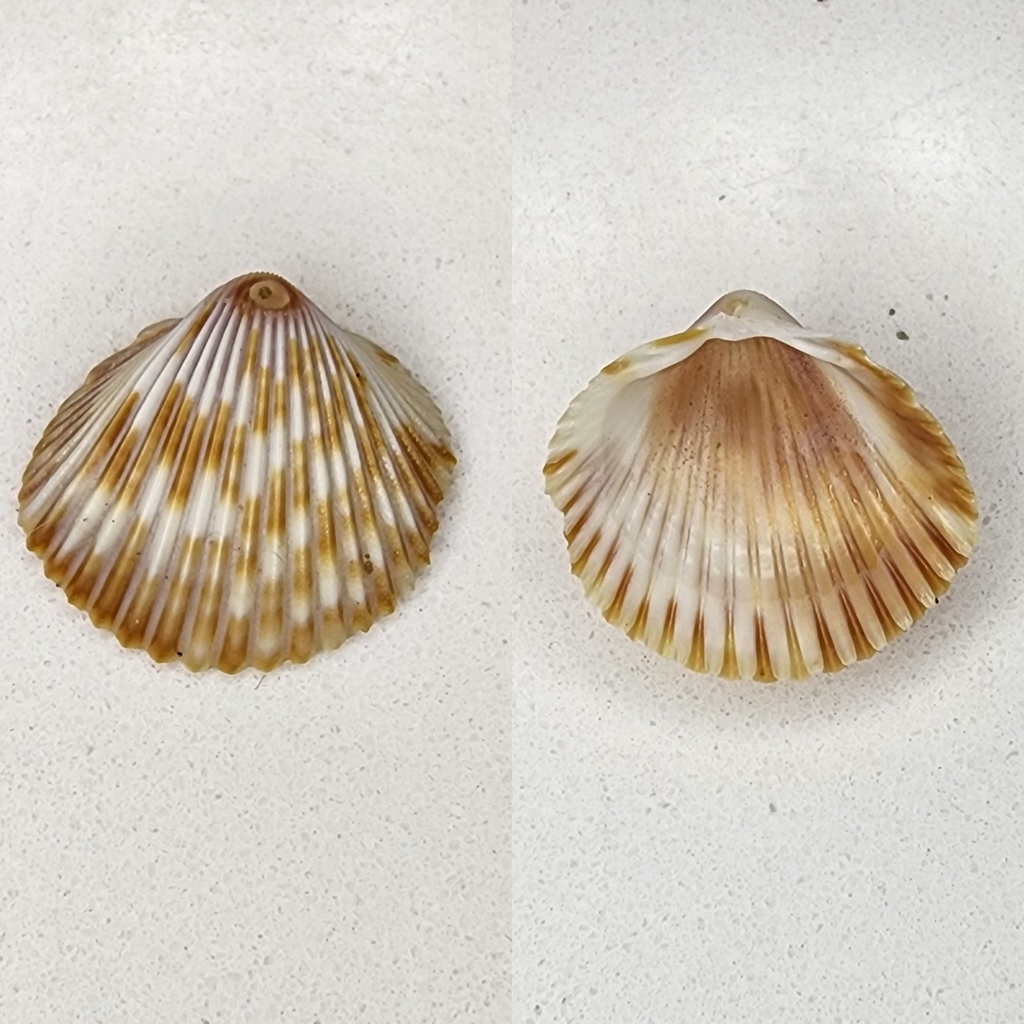
Atlantic giant cockle
Dinocardium robustum
- Usual depth2–10 m
- Water temperature22–28 °C
- Best monthsJanuary, April, and December
- How commonOccasional
Photo credit: (c) Alexis Smith, some rights reserved (CC BY), uploaded by Alexis Smith · CC BY · iNaturalist
About this species
Dinocardium is a genus of large saltwater clams or cockles, marine bivalve molluscs in the family Cardiidae, the cockles. There is only one species in the genus, Dinocardium robustum, or the Atlantic giant cockle.
Text from the Wikipedia article “Dinocardium”, licensed CC BY-SA 4.0. Read the article
Where and when
Where it has been recorded
Worldwide
Best months
Worldwide (open data)
- January: 572 records
- February: 423 records
- March: 554 records
- April: 661 records
- May: 431 records
- June: 495 records
- July: 343 records
- August: 310 records
- September: 230 records
- October: 321 records
- November: 419 records
- December: 679 records
Depth and water temperature
Depth
Mostly recorded at 2–10 m · Deepest record: 28.3 m
Water temperature
Recorded in surface water of 22–28 °C
Photos
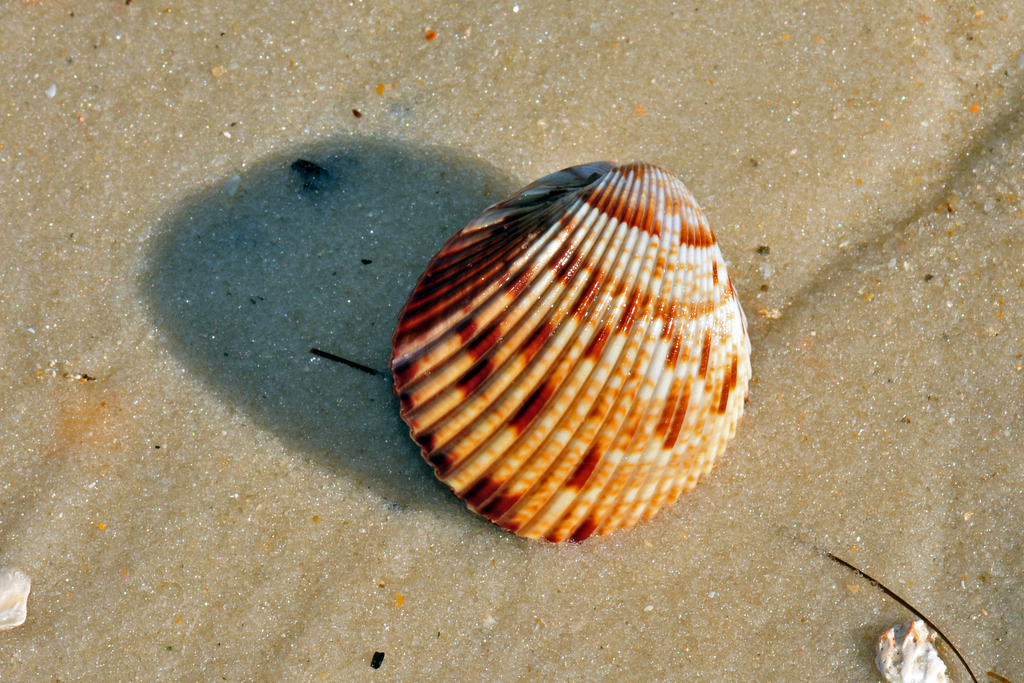
(c) Tom Kennedy, some rights reserved (CC BY) · CC BY · iNaturalist 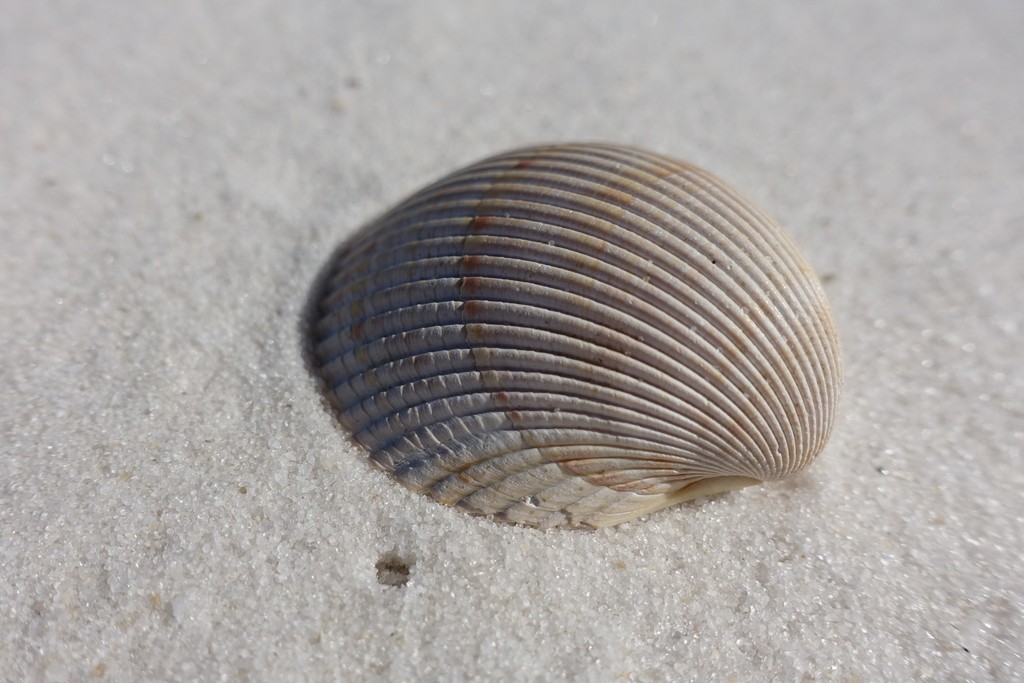
(c) Daniel McNair, some rights reserved (CC BY) · CC BY · iNaturalist 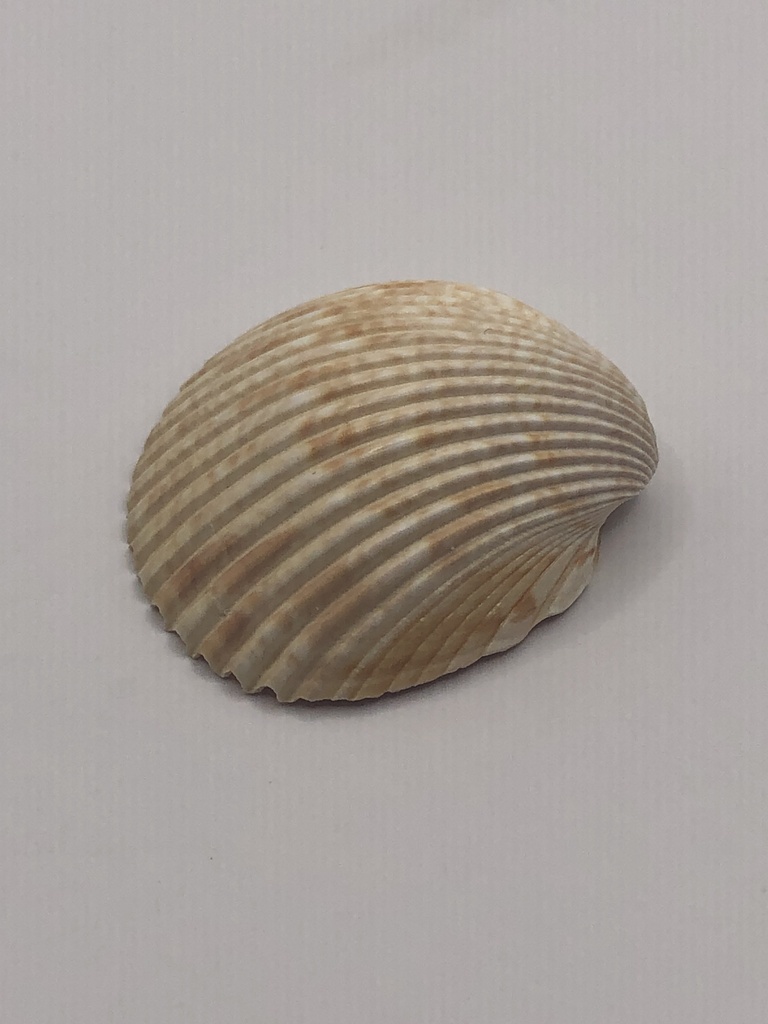
(c) Andrew Sebastian, some rights reserved (CC BY) · CC BY · iNaturalist 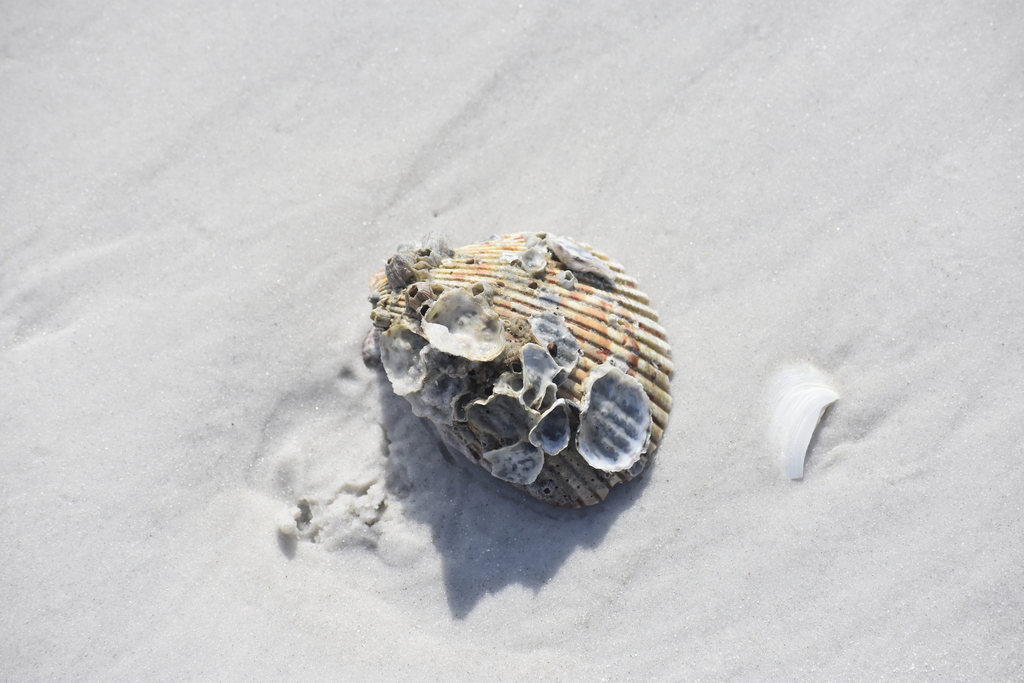
(c) Joseph D Kurtz, some rights reserved (CC BY) · CC BY · iNaturalist 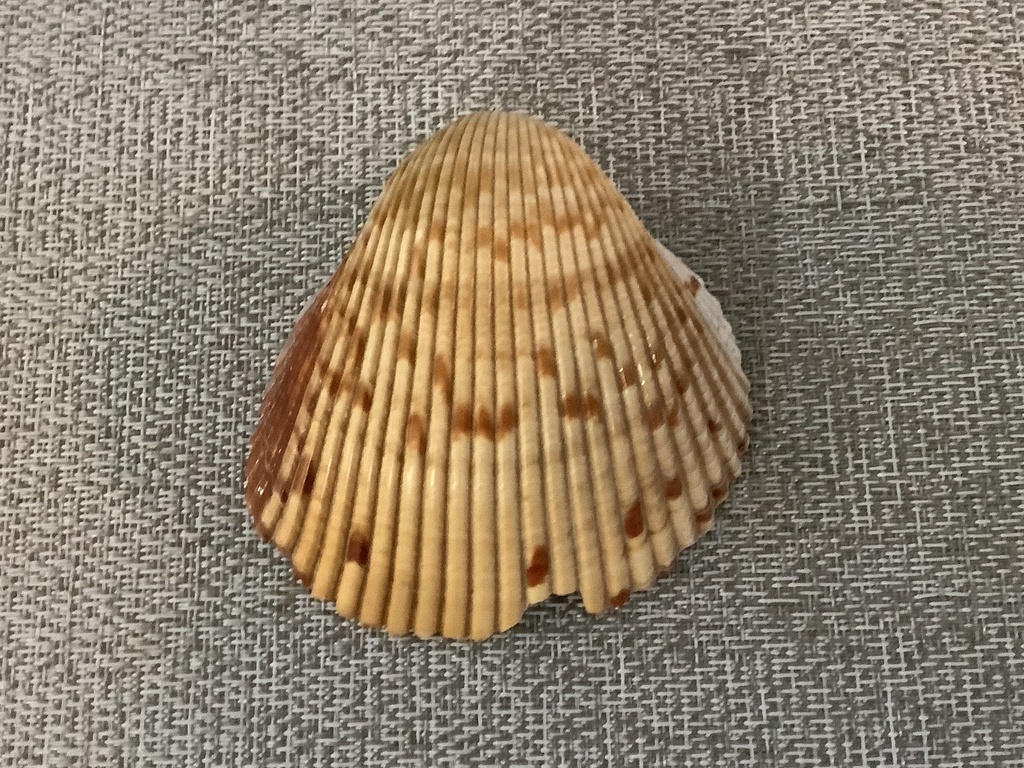
(c) ALLIE BORGMEYER, some rights reserved (CC BY) · CC BY · iNaturalist 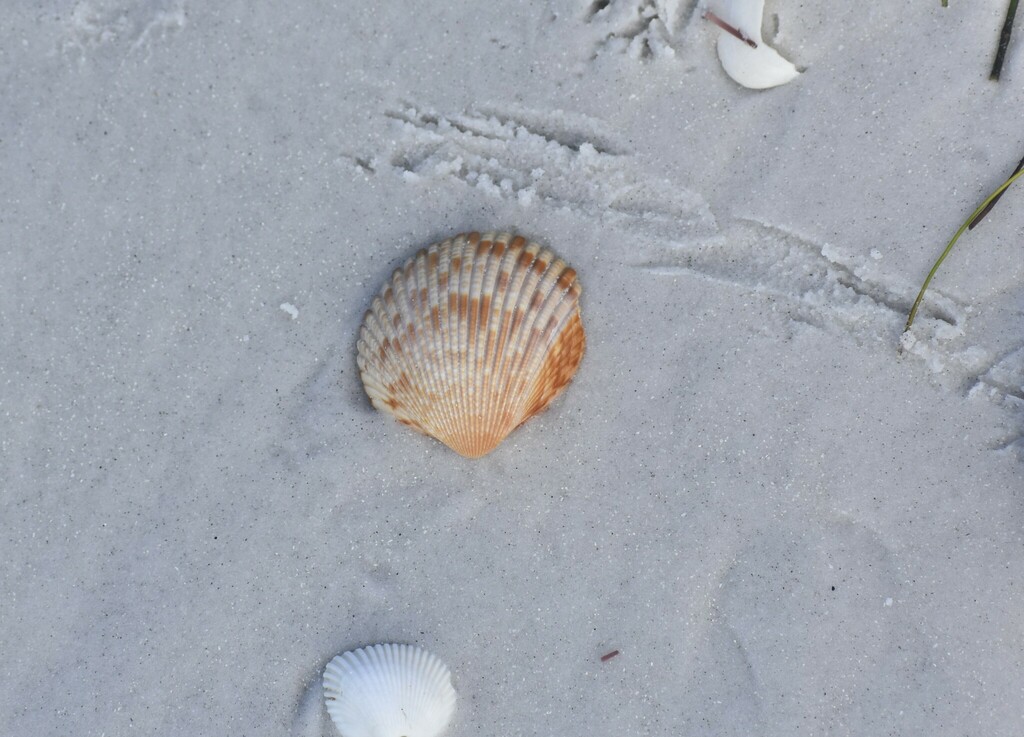
(c) Joseph D Kurtz, some rights reserved (CC BY) · CC BY · iNaturalist 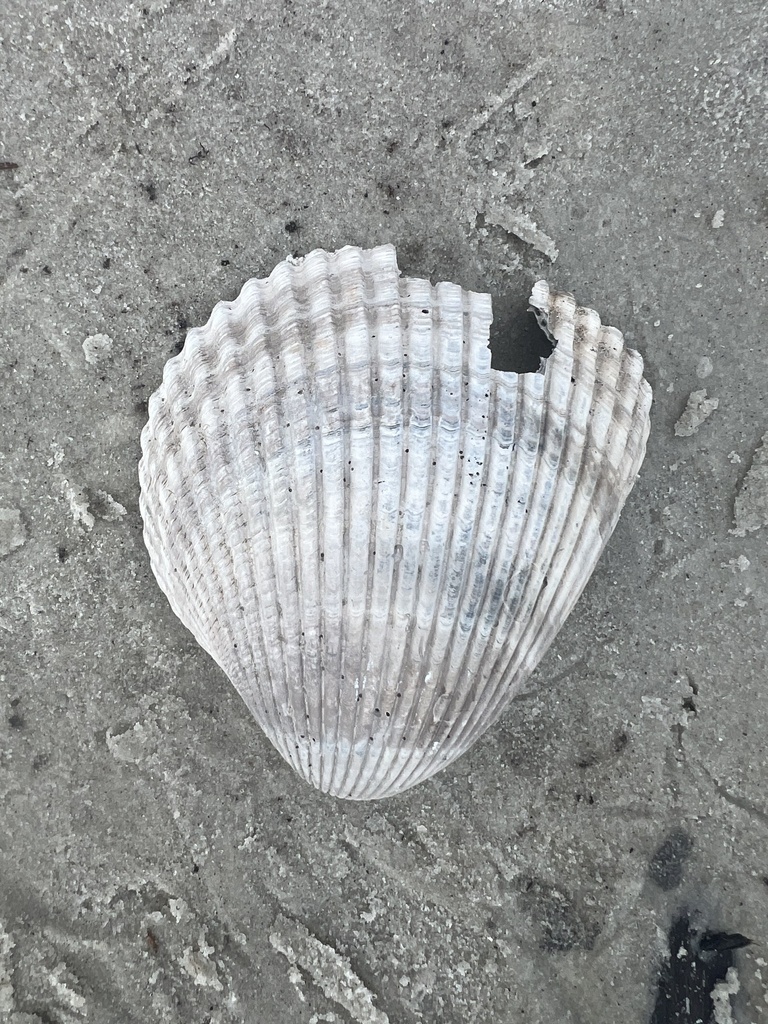
(c) Sawyer Baran, some rights reserved (CC BY) · CC BY · iNaturalist
Names and classification
- English
- Atlantic giant cockle, Atlantic Heart Cockle, Giant Atlantic Cockle
Names in 2 more languages
- Spanish
- La almeja berbecho
- Japanese
- オオザルガイ
Other scientific names: Cardium carolinensis, Cardium maculatum, Cardium magnum, Cardium obliquum, Cardium robustum, Cardium ventricosum
Similar species
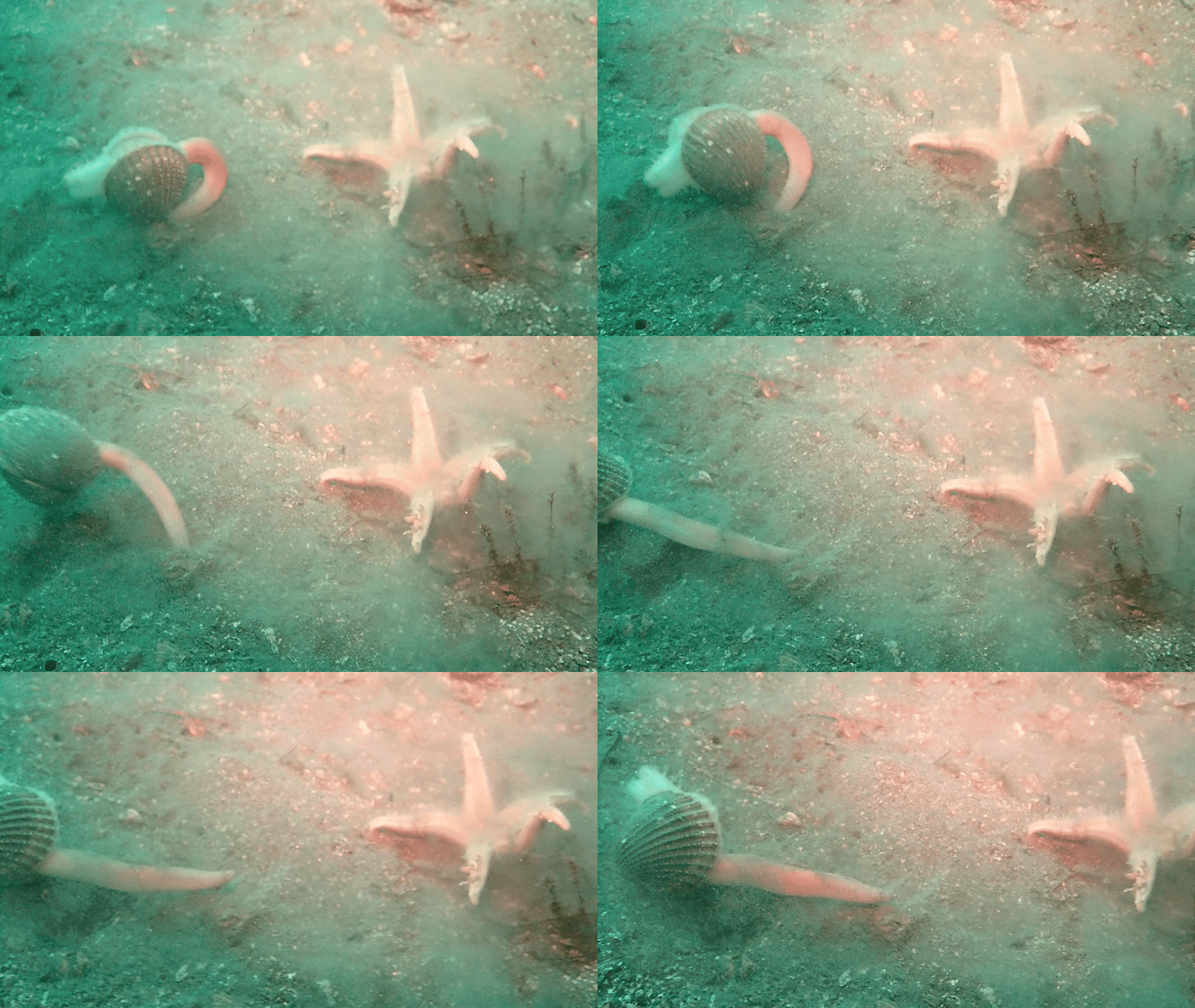 European prickly cockle
Acanthocardia echinata
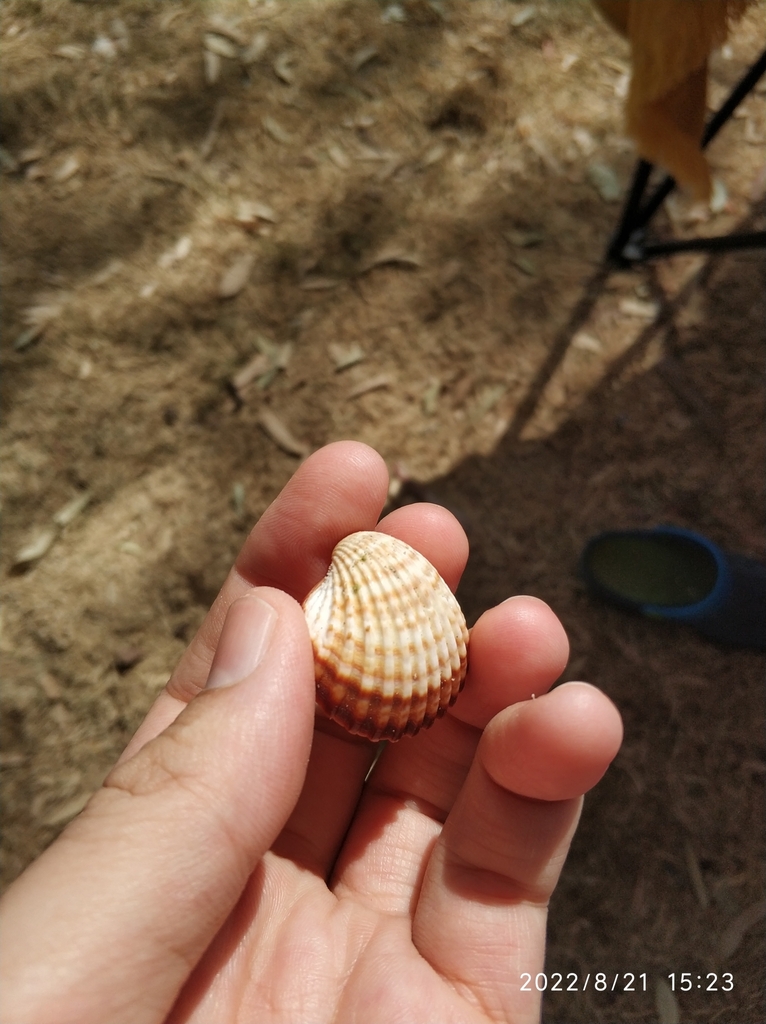 Moroccan cockle
Acanthocardia tuberculata
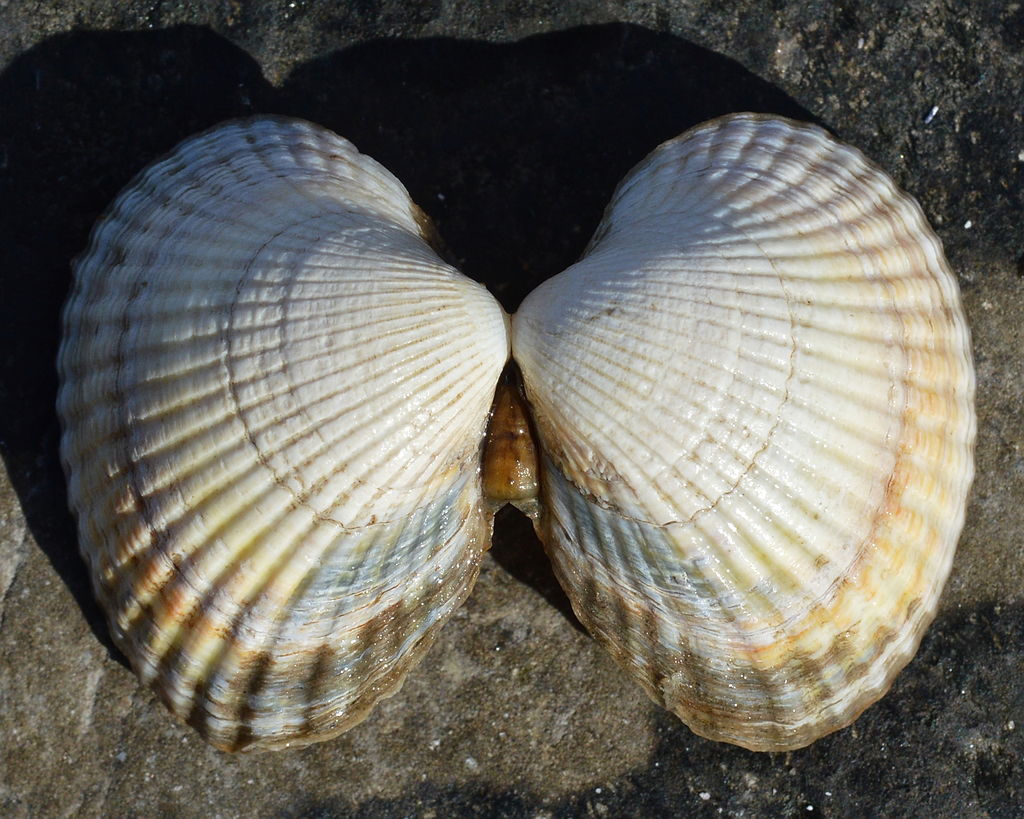 Common cockle
Cerastoderma edule
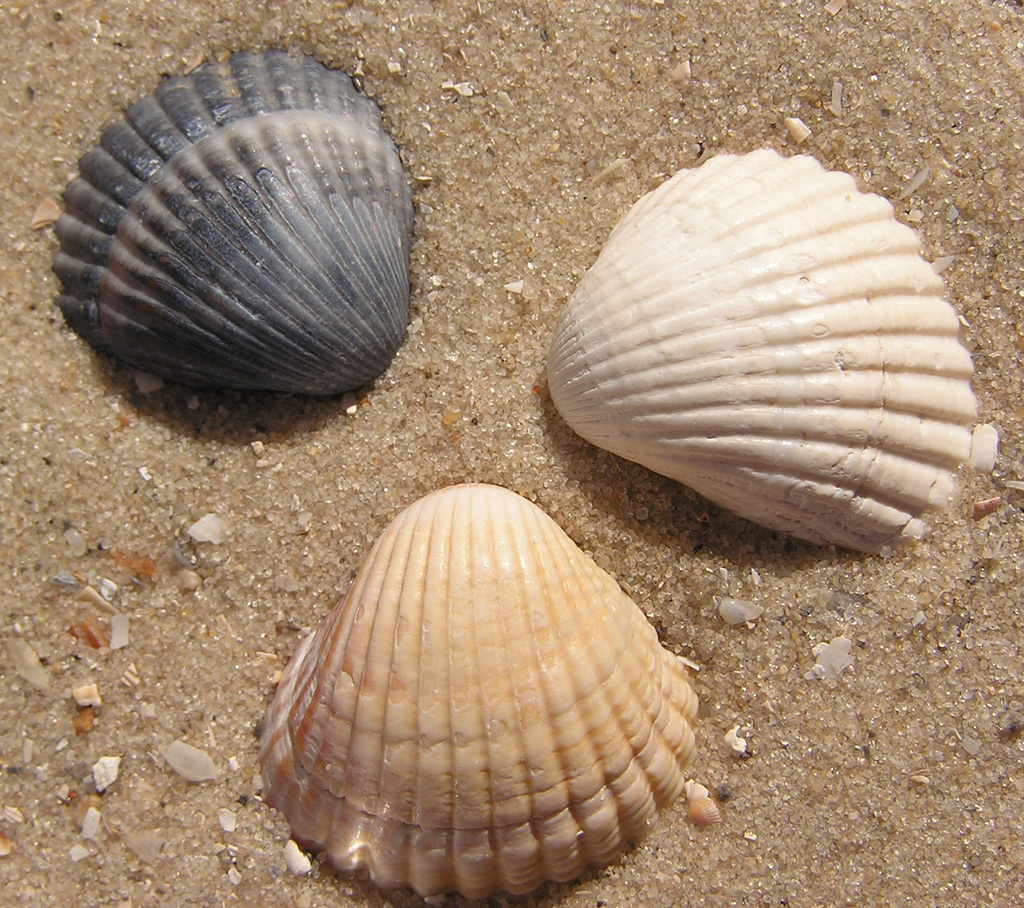 Brackish cockle
Cerastoderma glaucum
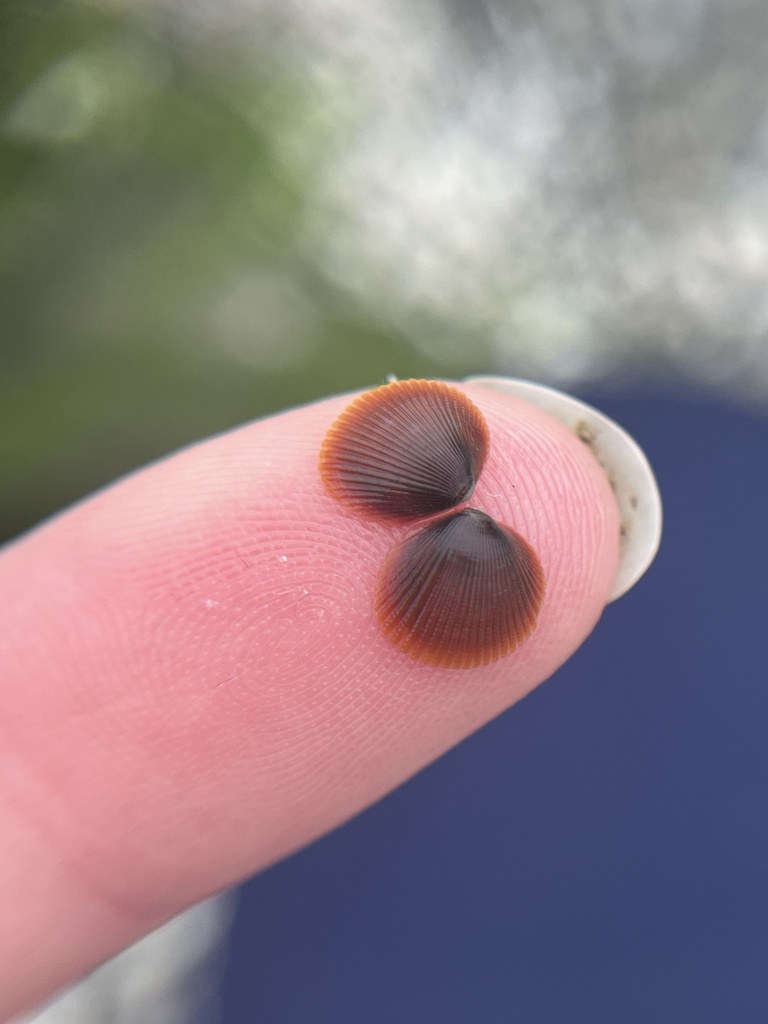 Nuttall cockle
Clinocardium nuttallii
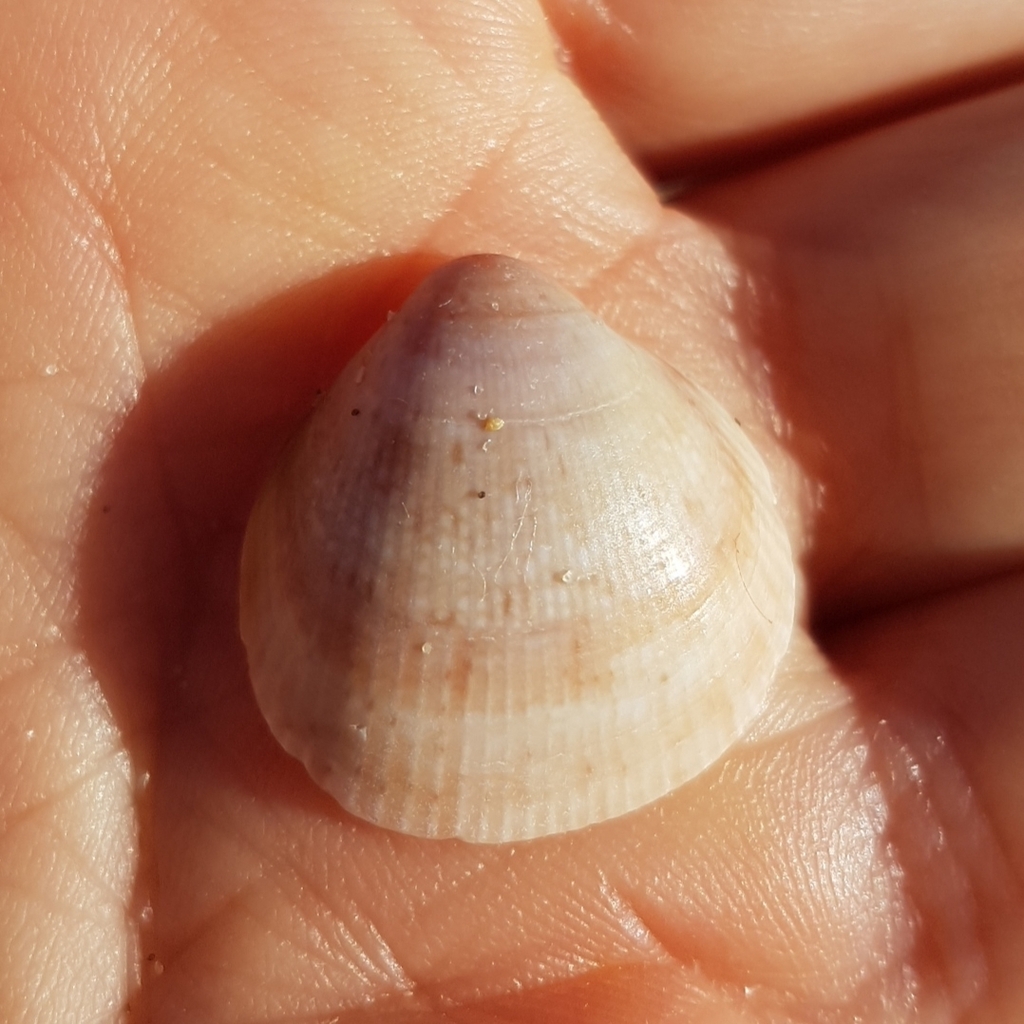 Norway cockle
Laevicardium crassum
Sources and credits
Names and taxonomy: WoRMS (CC BY 4.0) and the GBIF Backbone (CC BY 4.0). Photos: iNaturalist observers, each under the licence shown (CC0, CC BY or CC BY-SA).
- Depth, temperature, months and maps: records from OBIS and GBIF under CC0 or CC BY.
- Descriptions: Wikipedia, licensed CC BY-SA, each linked to its article.
- Conservation status as published by GBIF (IUCN Red List).
- 1,534 open-data records from 1890 to 2022.
- Species data updated November 10, 2026.
Log what you see on your next dive
The free DiveHive diver app keeps your logbook with every sighting and shows what lives at the site you dive next.