
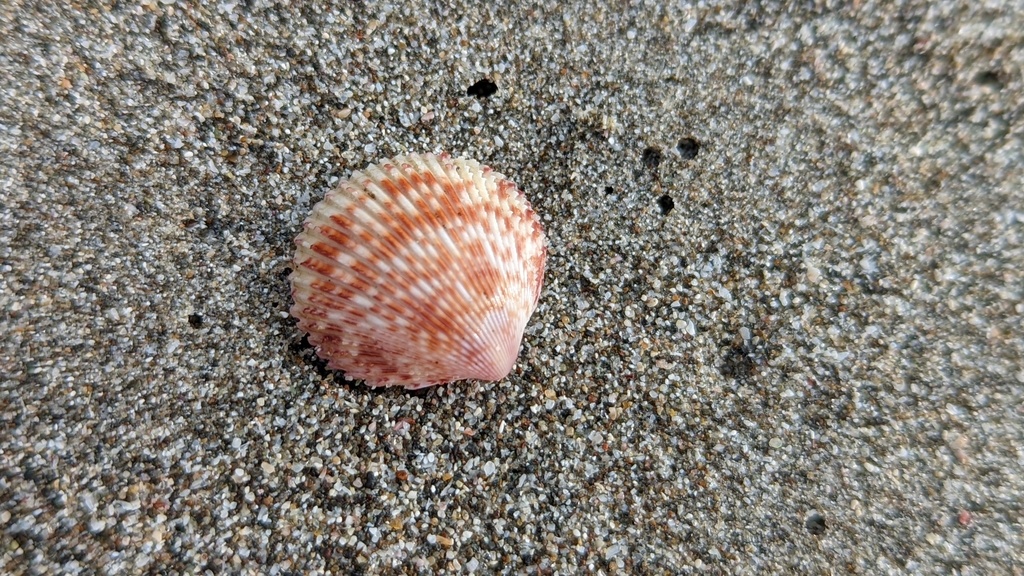
Panama thorny cockle
Dallocardia radula
- Usual depth13–18 m
- Water temperature23–29 °C
- Best monthsJanuary, April, and August
- How commonRare
Photo credit: (c) Trevor Van Loon, some rights reserved (CC BY) · CC BY · iNaturalist
Where and when
Where it has been recorded
Worldwide
Best months
Worldwide (open data)
- January: 12 records
- February: 10 records
- March: 8 records
- April: 18 records
- May: 9 records
- June: 12 records
- July: 5 records
- August: 13 records
- September: 7 records
- October: 3 records
- November: 6 records
- December: 10 records
Depth and water temperature
Depth
Mostly recorded at 13–18 m · Deepest record: 17.5 m
Water temperature
Recorded in surface water of 23–29 °C
Photos
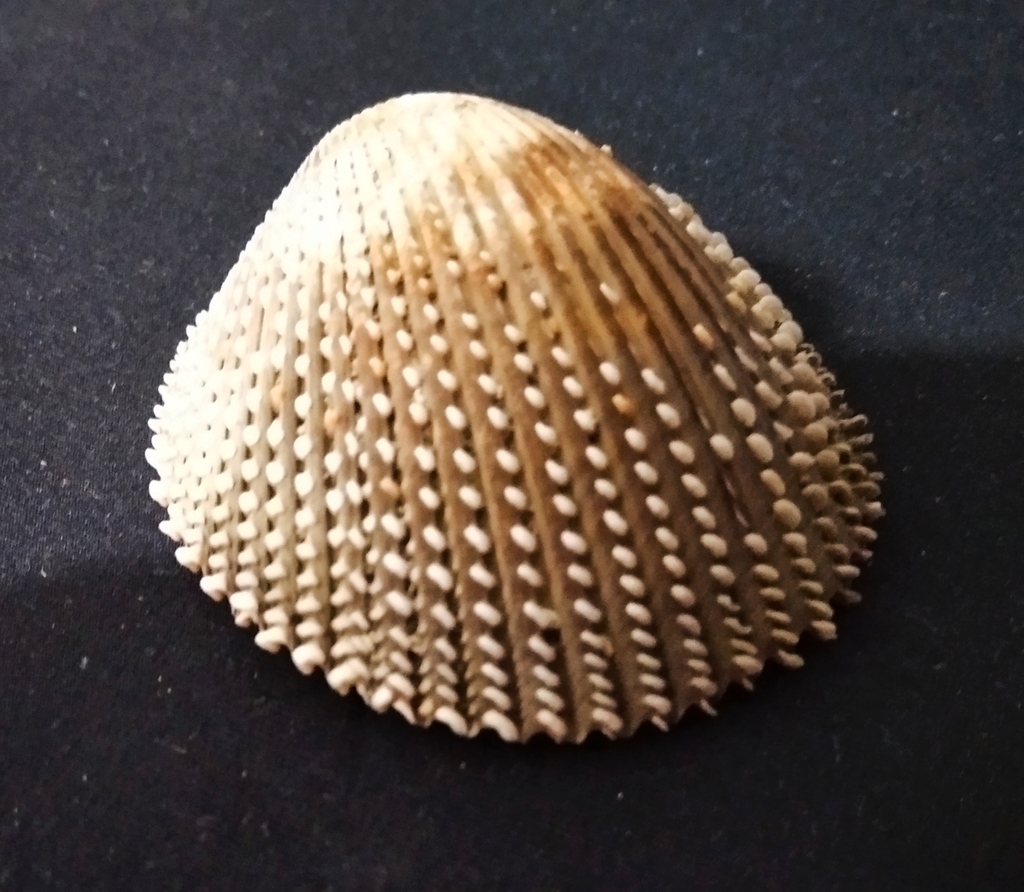
(c) Alberto Alcalá, some rights reserved (CC BY) · CC BY · iNaturalist 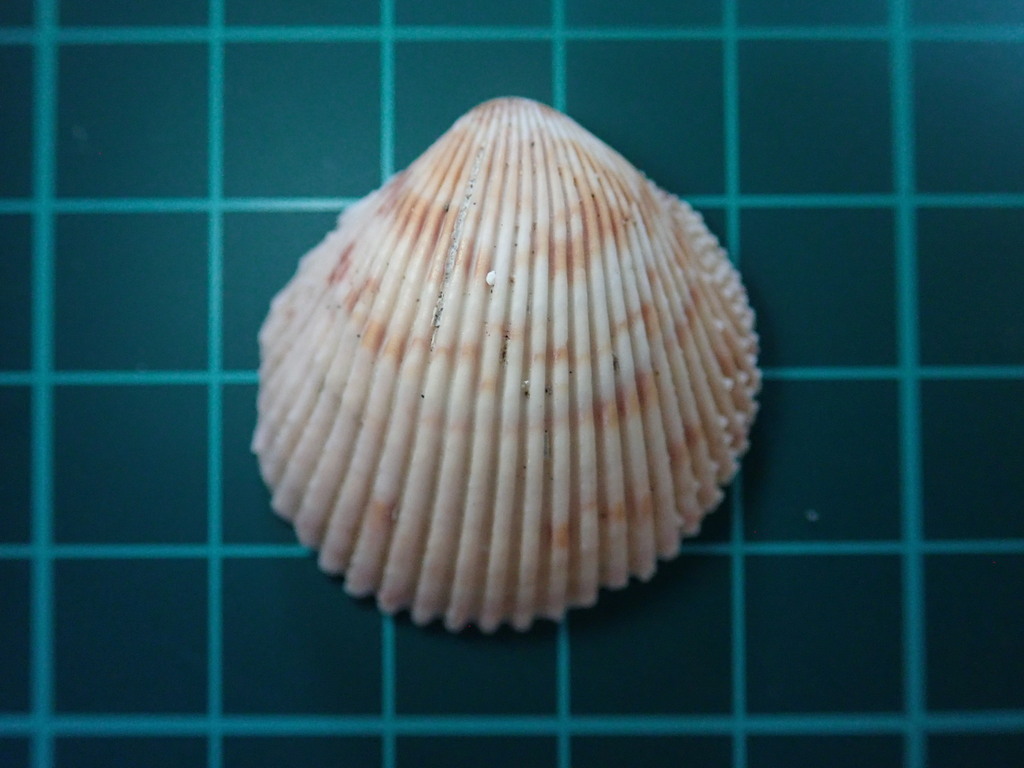
(c) Cricket Raspet, some rights reserved (CC BY) · CC BY · iNaturalist 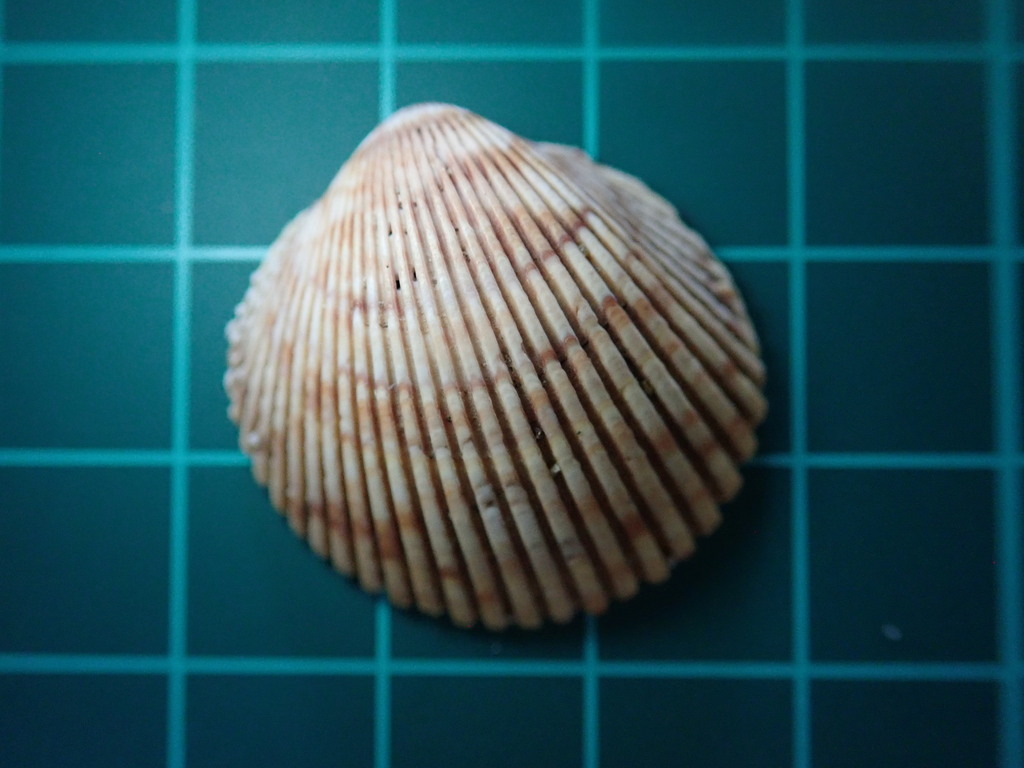
(c) Cricket Raspet, some rights reserved (CC BY) · CC BY · iNaturalist 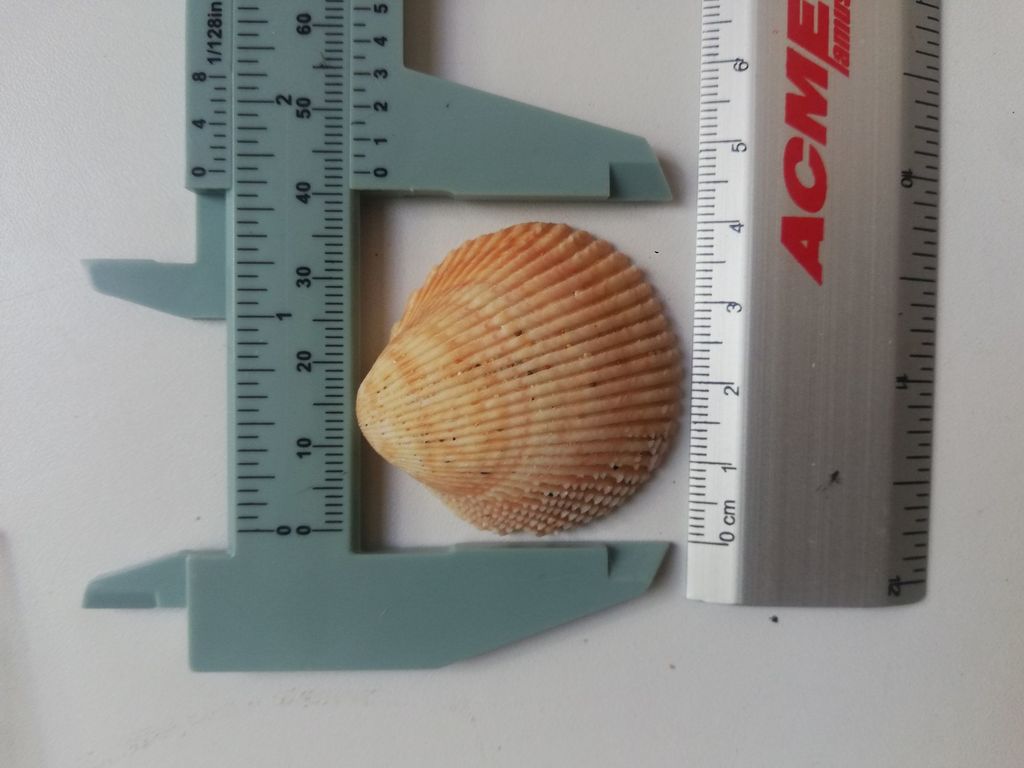
(c) Carlos Domínguez-Rodríguez, some rights reserved (CC BY) · CC BY · iNaturalist 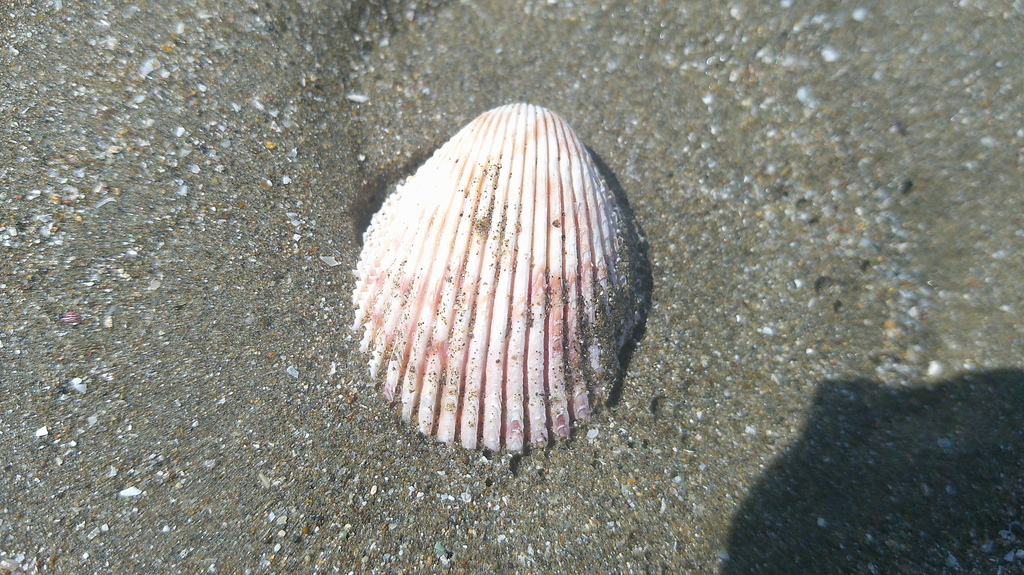
(c) Raúl A. Ruiz M., some rights reserved (CC BY) · CC BY · iNaturalist 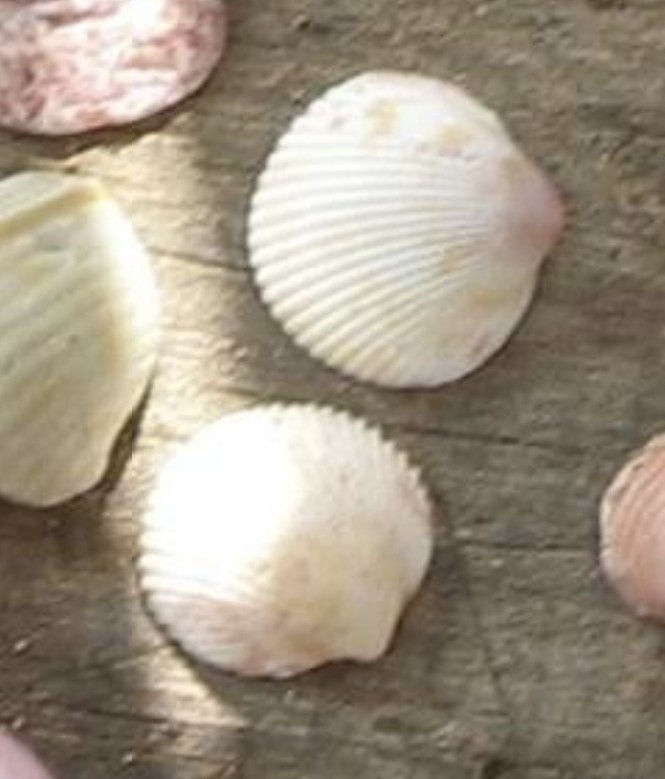
(c) Zac Peterson, some rights reserved (CC BY) · CC BY · iNaturalist 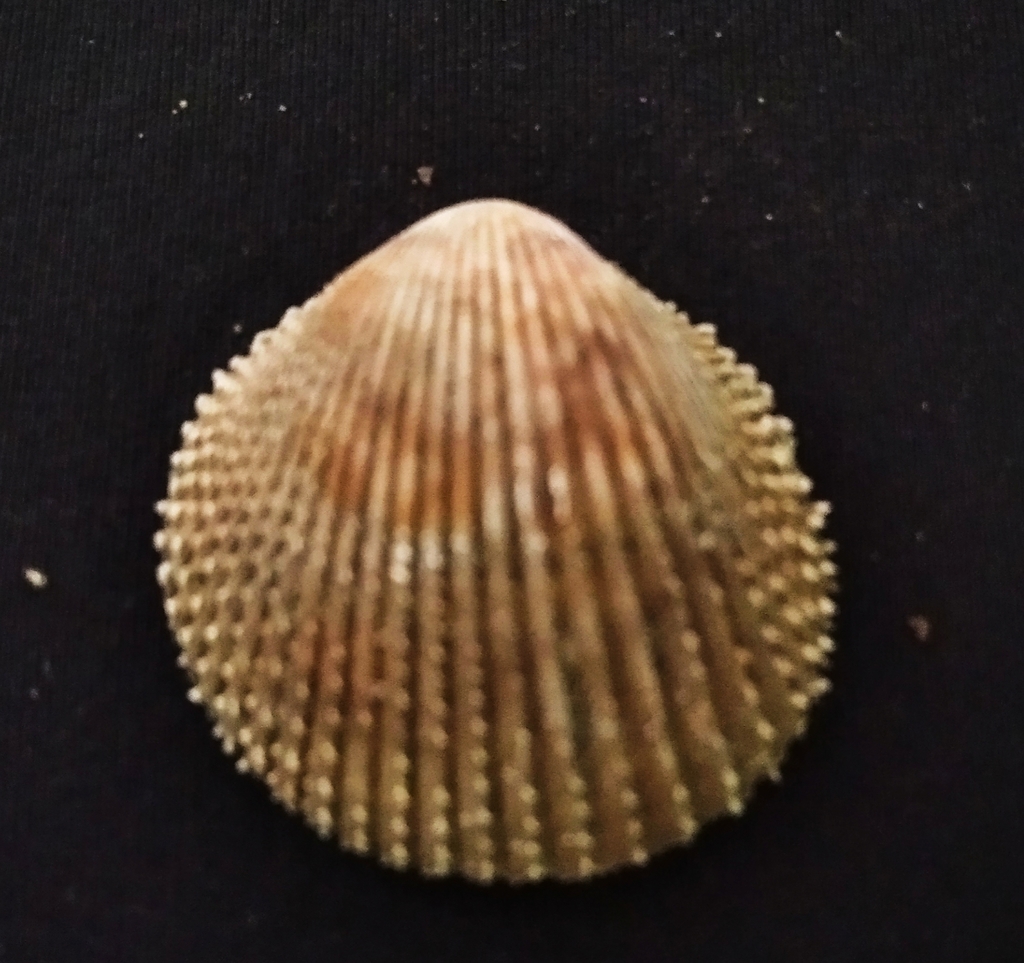
(c) Alberto Alcalá, some rights reserved (CC BY) · CC BY · iNaturalist
Names and classification
- English
- Panama thorny cockle
Names in 1 more language
- Spanish
- Berberecho escamoso panameño
Other scientific names: Cardium radula, Cardium rastrum, Cardium senticosum, Dallocardia senticosa, Trachycardium senticosum
Similar species
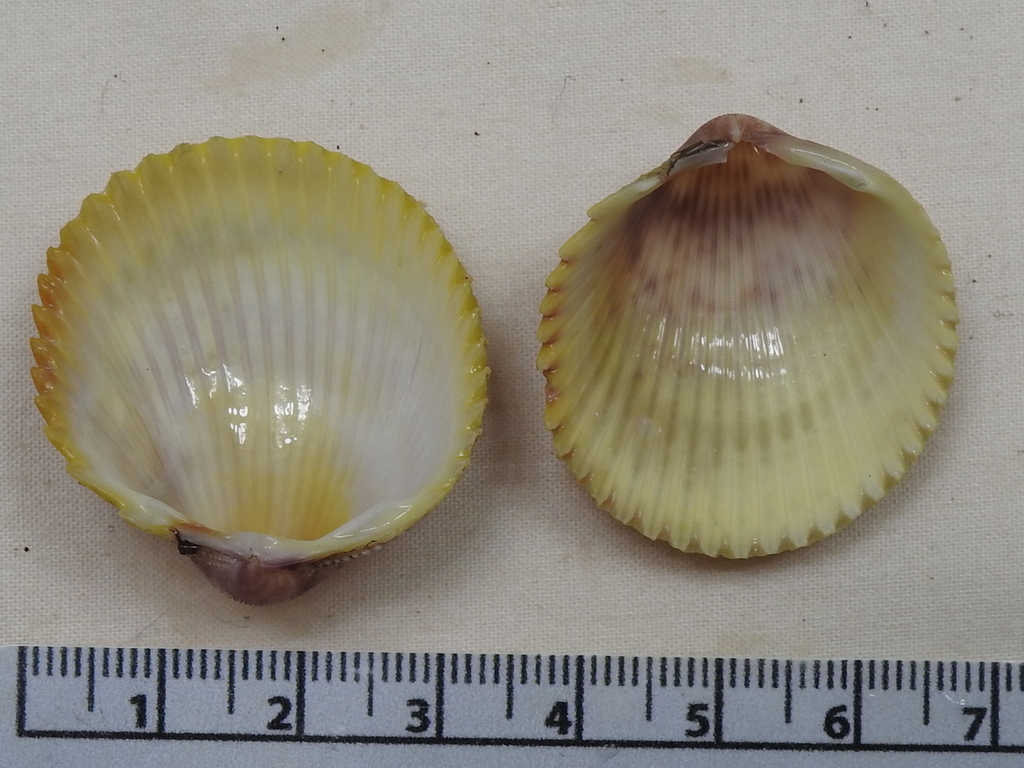 Yellow Pricklycockle
Dallocardia muricata
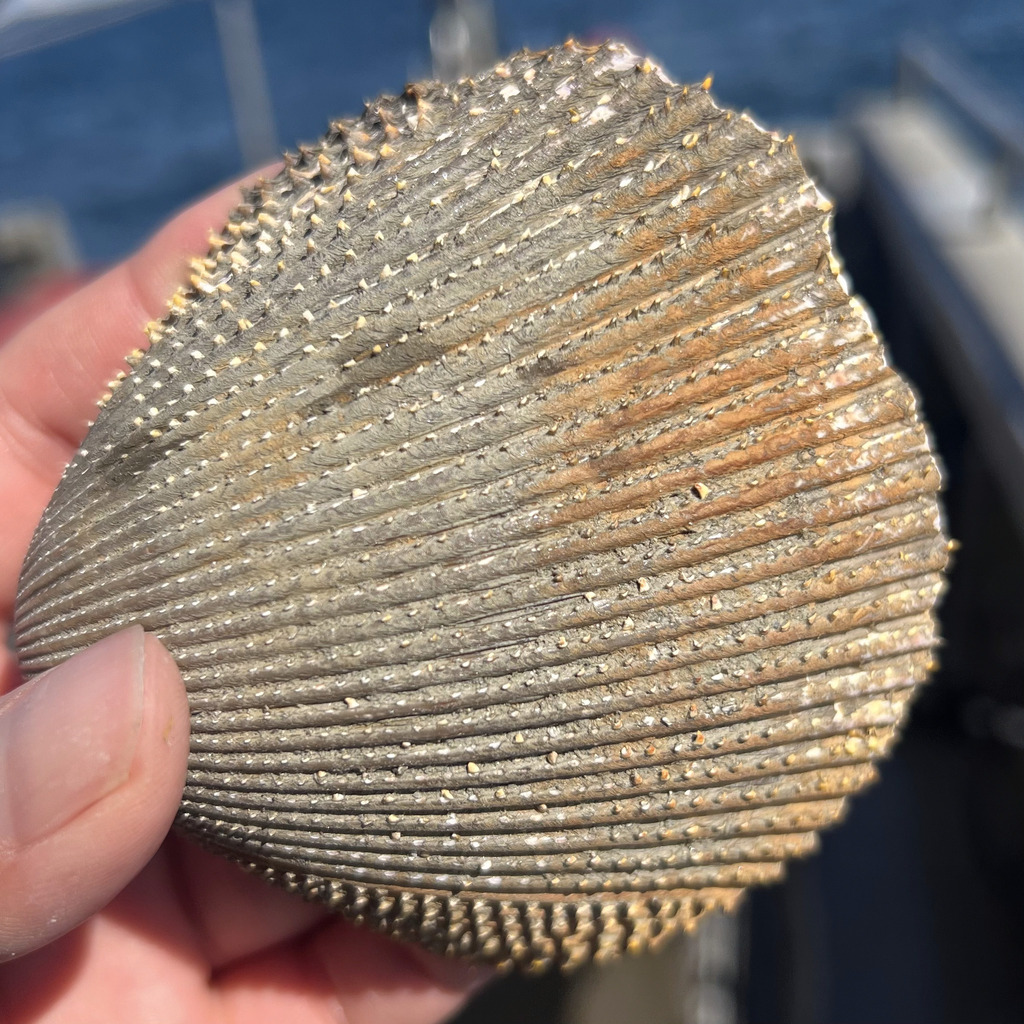 Spiny Prickly Cockle
Dallocardia quadragenaria
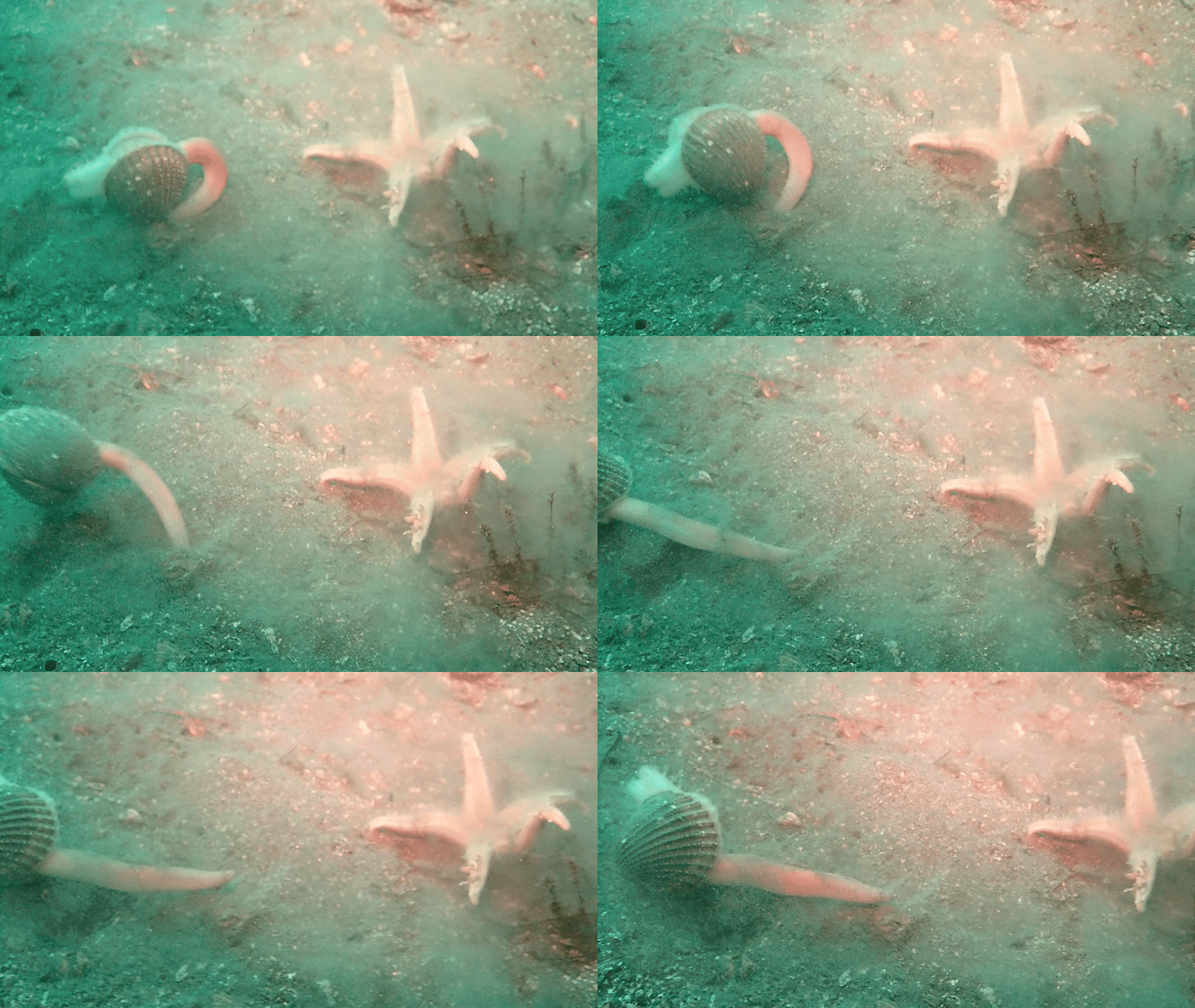 European prickly cockle
Acanthocardia echinata
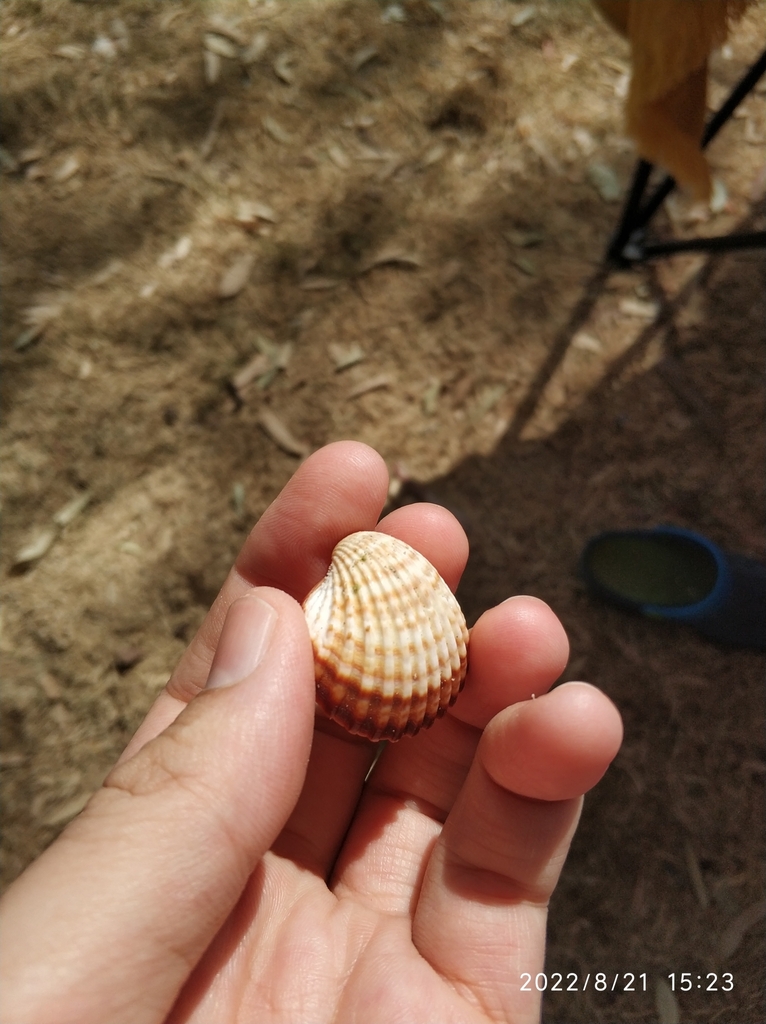 Moroccan cockle
Acanthocardia tuberculata
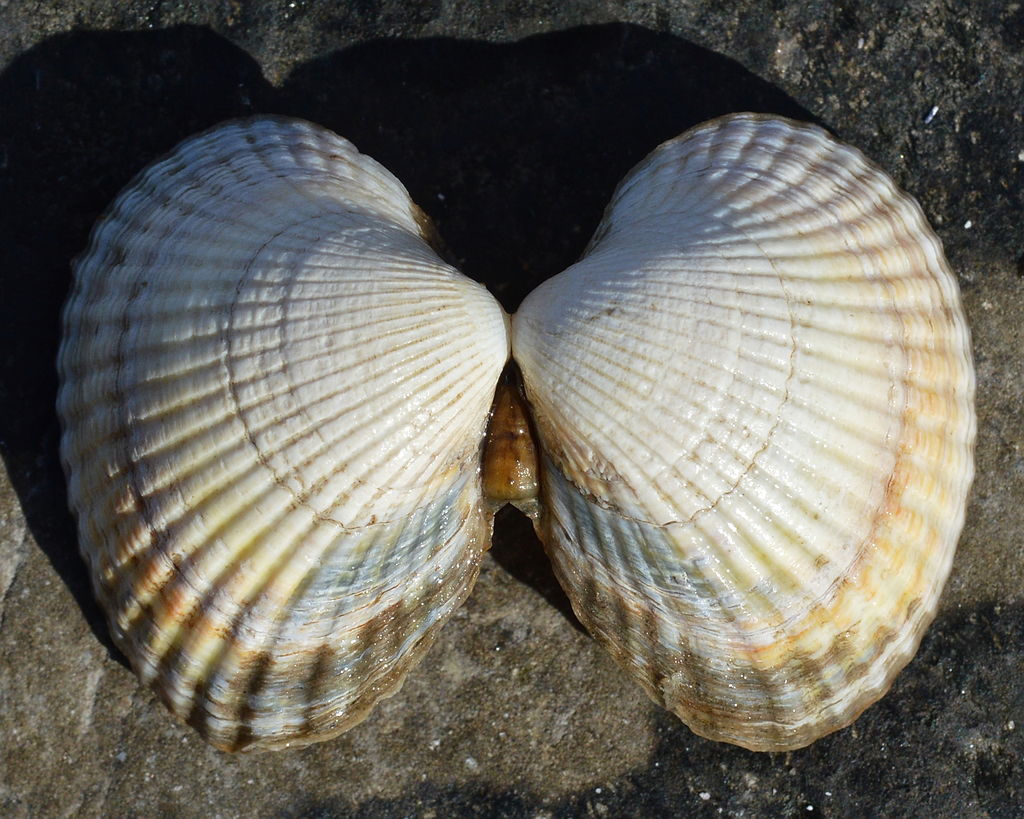 Common cockle
Cerastoderma edule
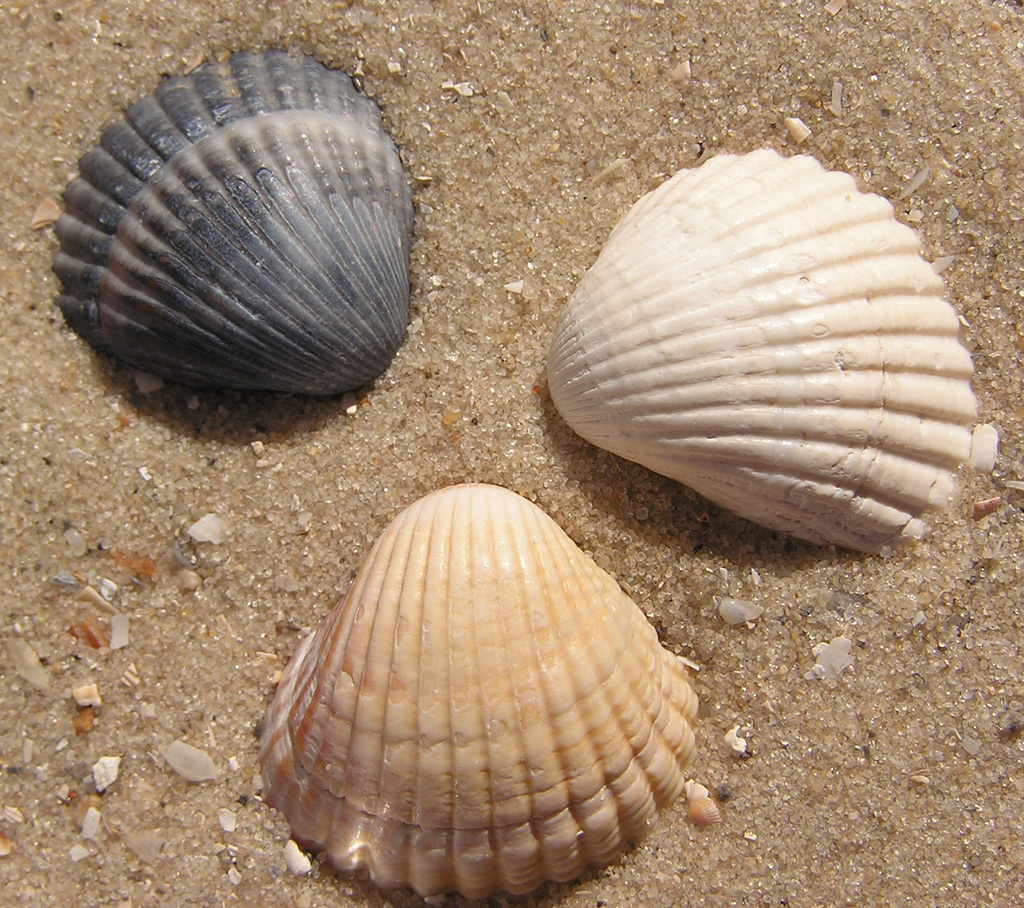 Brackish cockle
Cerastoderma glaucum
Sources and credits
Names and taxonomy: WoRMS (CC BY 4.0) and the GBIF Backbone (CC BY 4.0). Photos: iNaturalist observers, each under the licence shown (CC0, CC BY or CC BY-SA).
- Depth, temperature, months and maps: records from OBIS and GBIF under CC0 or CC BY.
- Conservation status as published by GBIF (IUCN Red List).
- 33 open-data records from 1926 to 2000.
- Species data updated November 10, 2026.
Log what you see on your next dive
The free DiveHive diver app keeps your logbook with every sighting and shows what lives at the site you dive next.