
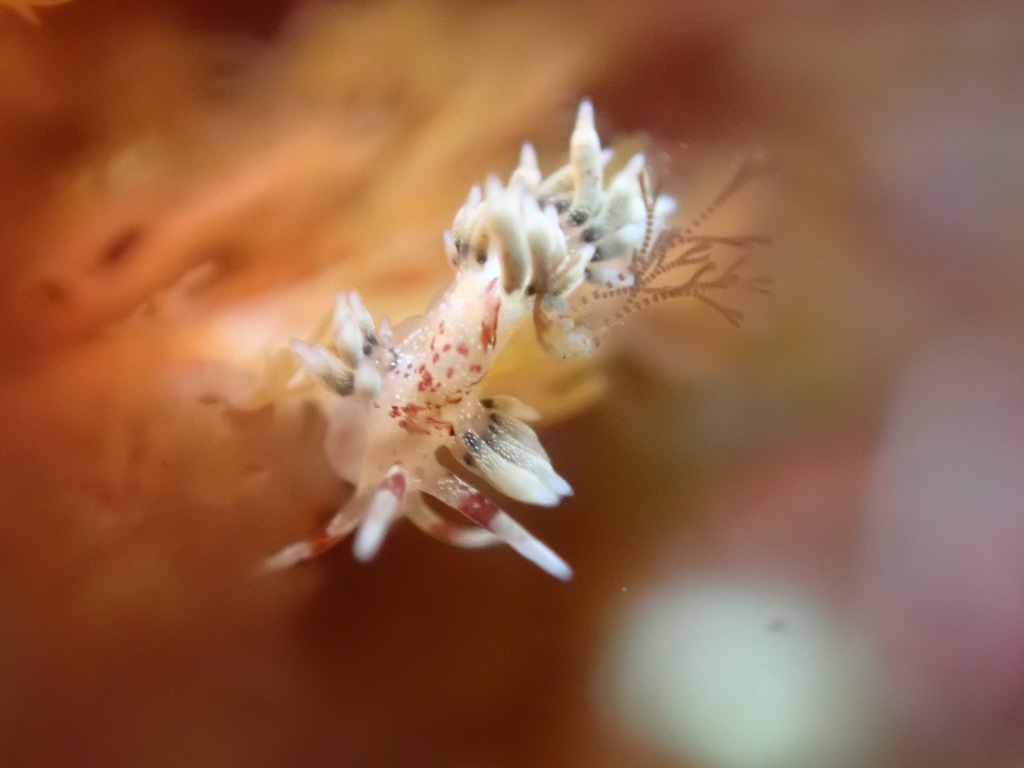
Hamann's Aeolid
Cuthona hamanni
- Water temperature18°C
- Best monthsJuly and August
- How commonRare
Photo credit: (c) Rachel Lee Harper, some rights reserved (CC BY) · CC BY · iNaturalist
About this species
Trinchesia hamanni is a species of sea slug, an aeolid nudibranch, a marine gastropod mollusc in the family Trinchesiidae.
Text from the Wikipedia article “Trinchesia hamanni”, licensed CC BY-SA 4.0. Read the article
Where and when
Where it has been recorded
Worldwide
Best months
Worldwide (open data)
- January: 5 records
- February: 2 records
- March: 0 records
- April: 37 records
- May: 46 records
- June: 47 records
- July: 86 records
- August: 101 records
- September: 27 records
- October: 13 records
- November: 0 records
- December: 5 records
Depth and water temperature
Water temperature
Recorded in surface water of 18°C
Photos
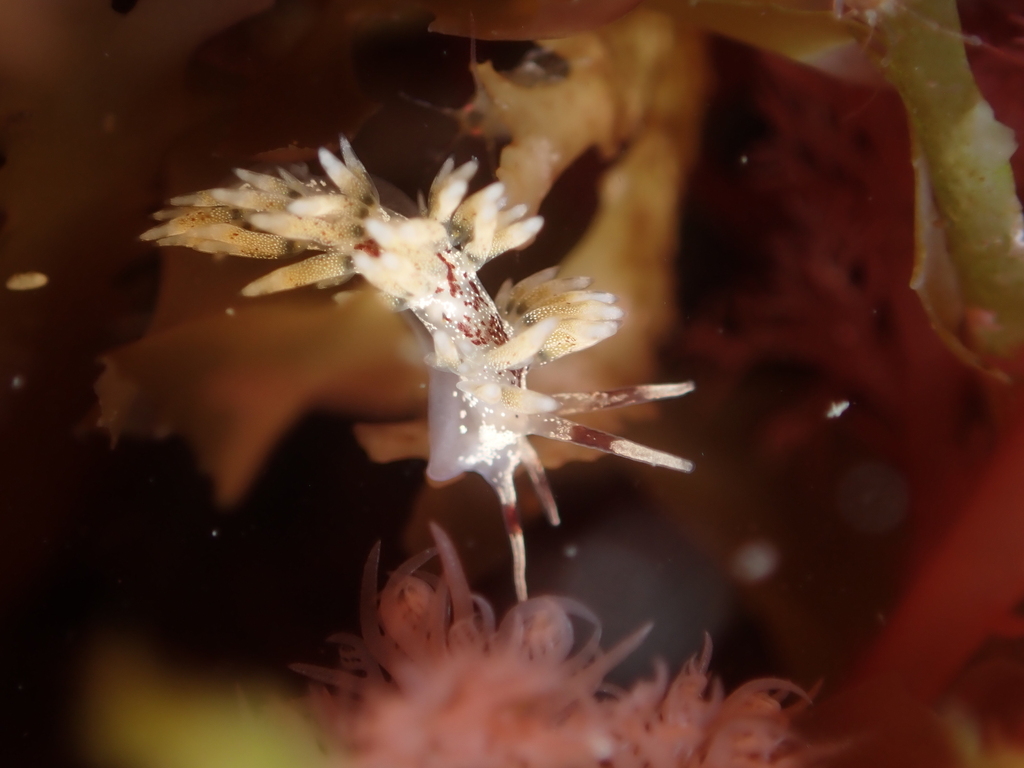
(c) Lisa Biasillo, some rights reserved (CC BY) · CC BY · iNaturalist 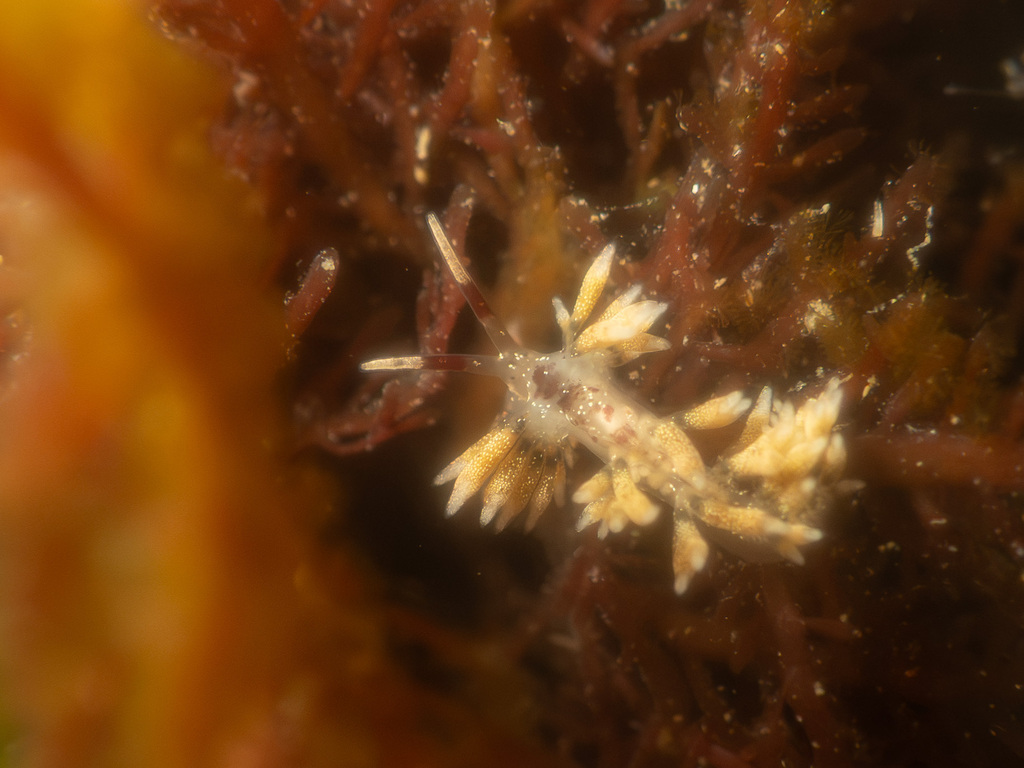
(c) Gavin Skeen, some rights reserved (CC BY) · CC BY · iNaturalist 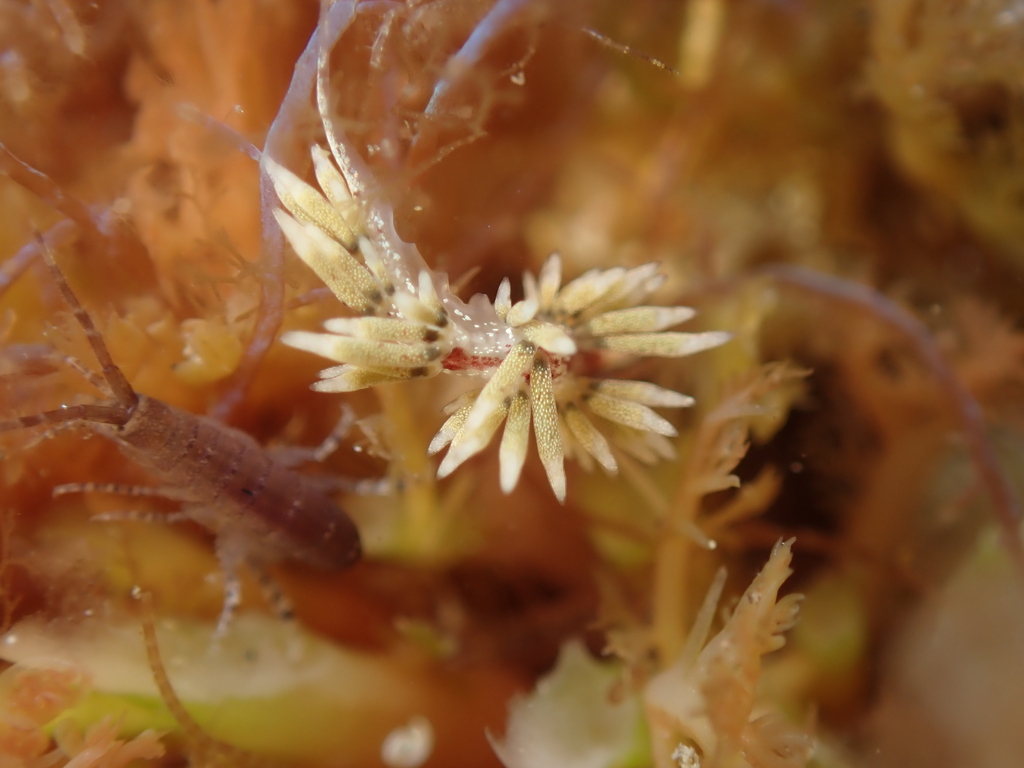
(c) Lisa Biasillo, some rights reserved (CC BY) · CC BY · iNaturalist 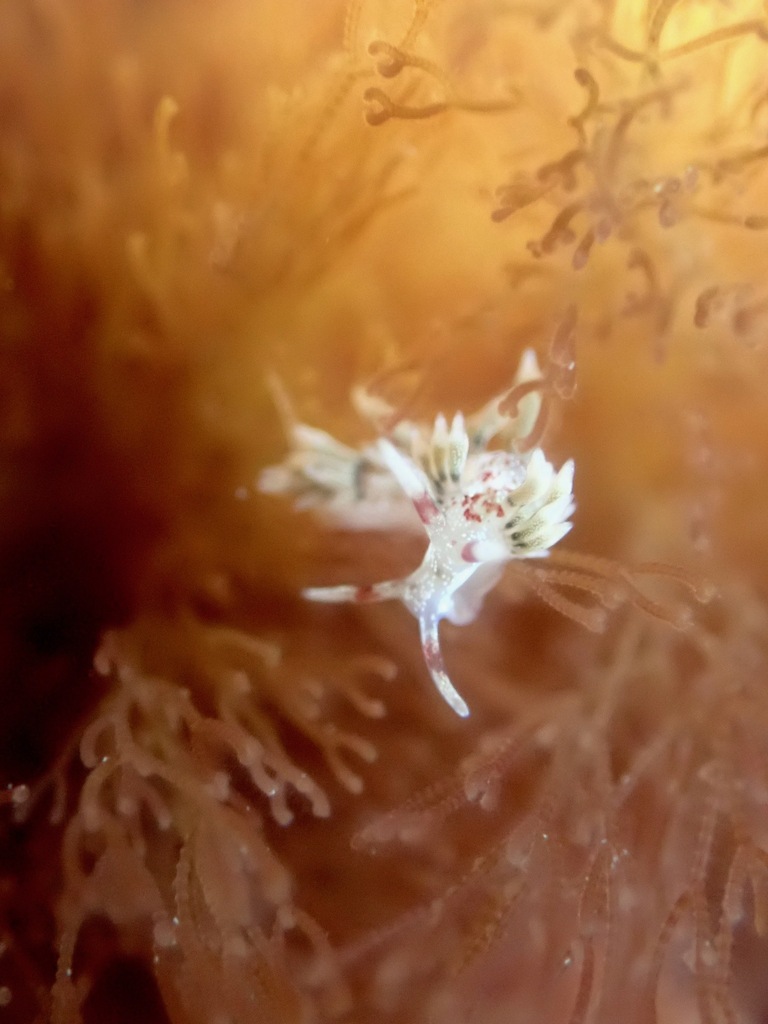
(c) Rachel Lee Harper, some rights reserved (CC BY) · CC BY · iNaturalist 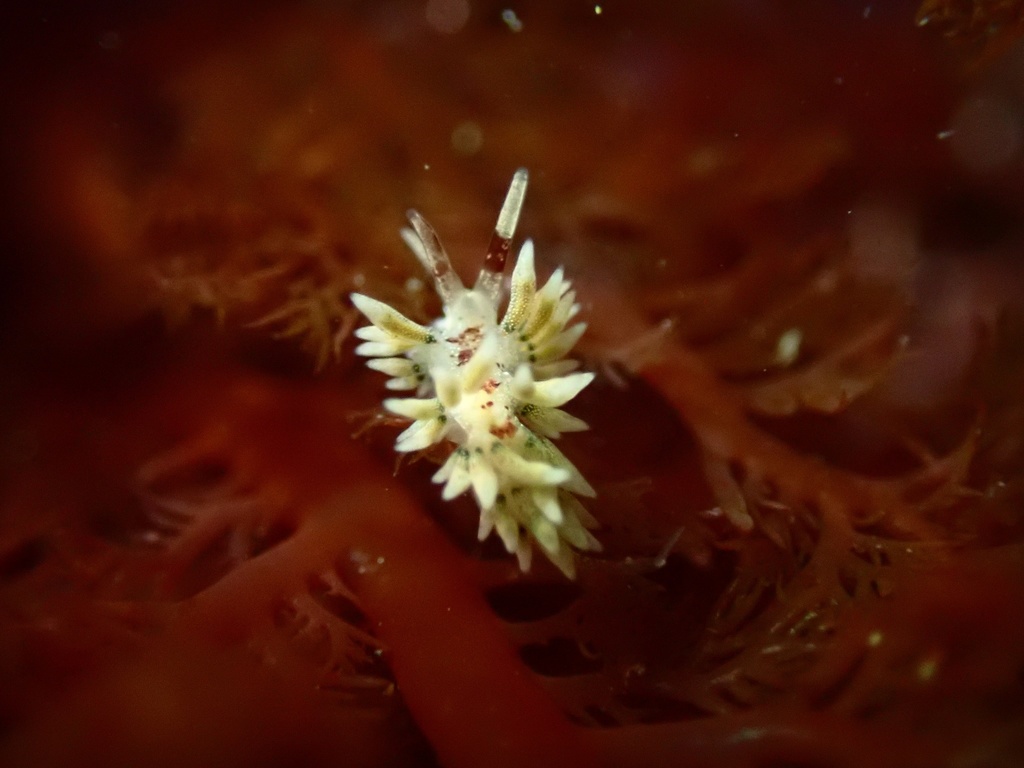
(c) Madeleine Claire, some rights reserved (CC BY) · CC BY · iNaturalist 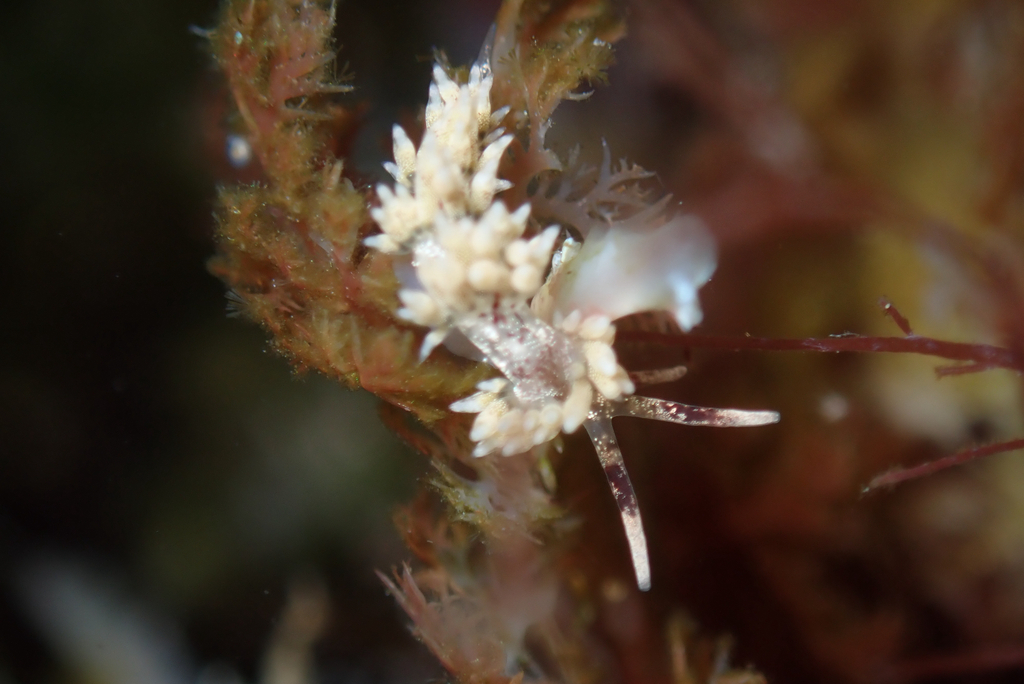
(c) Eric Klug, some rights reserved (CC BY) · CC BY · iNaturalist 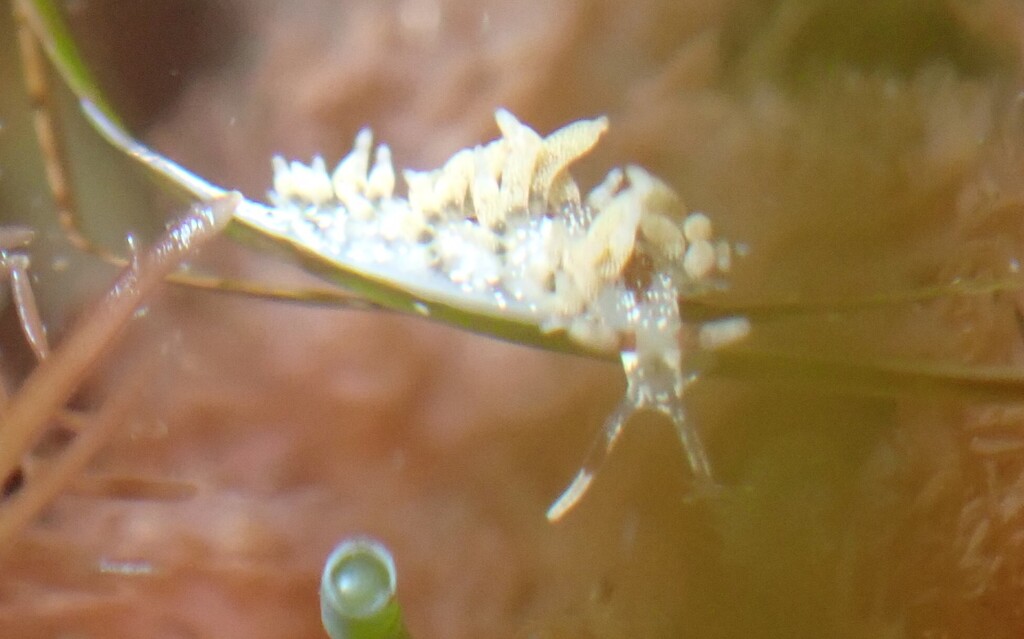
no rights reserved · CC0 1.0 · iNaturalist
Names and classification
- English
- Hamann's Aeolid
Similar species
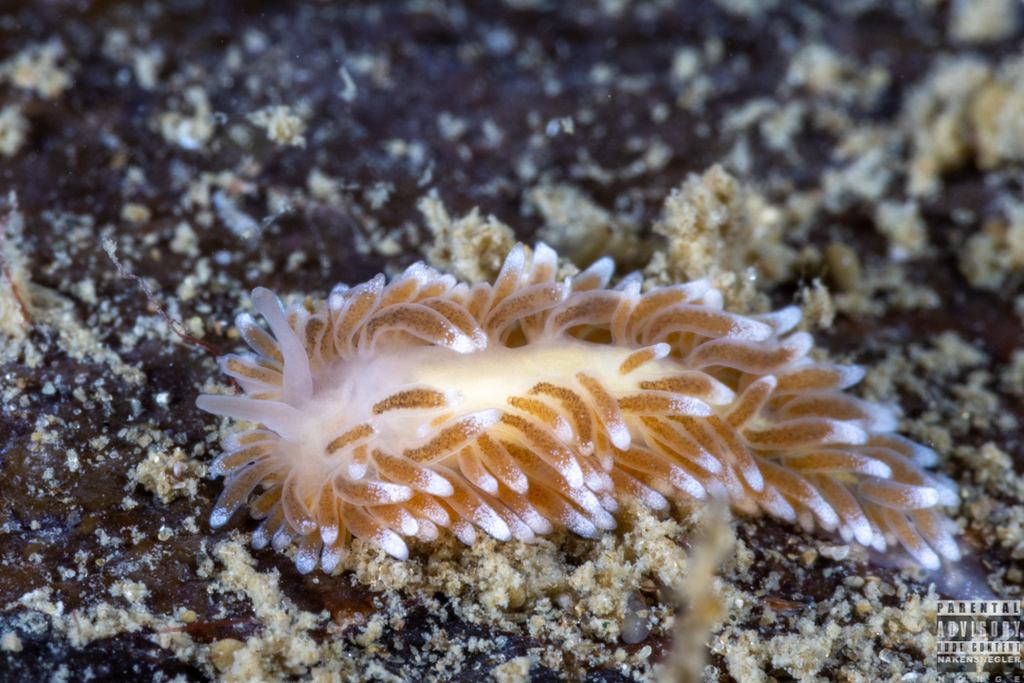
 Correa's Aeolid
Cuthona divae
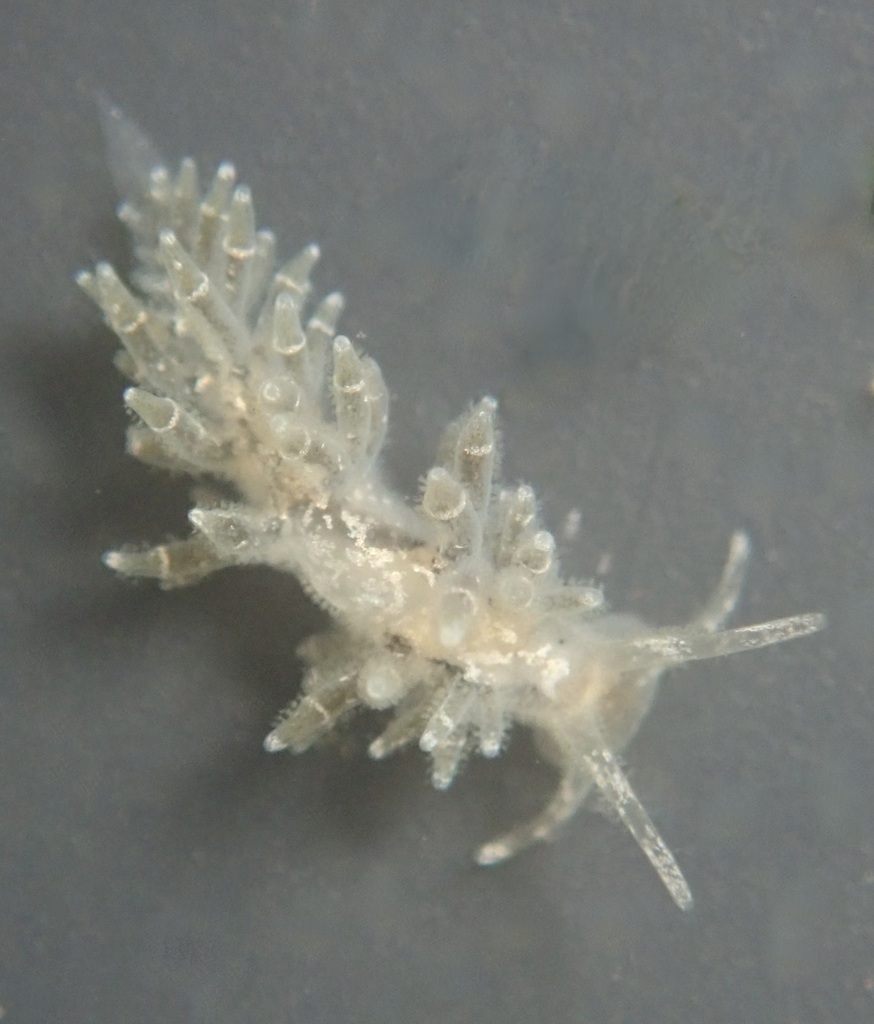 Lake Merritt aeolis
Cuthona perca
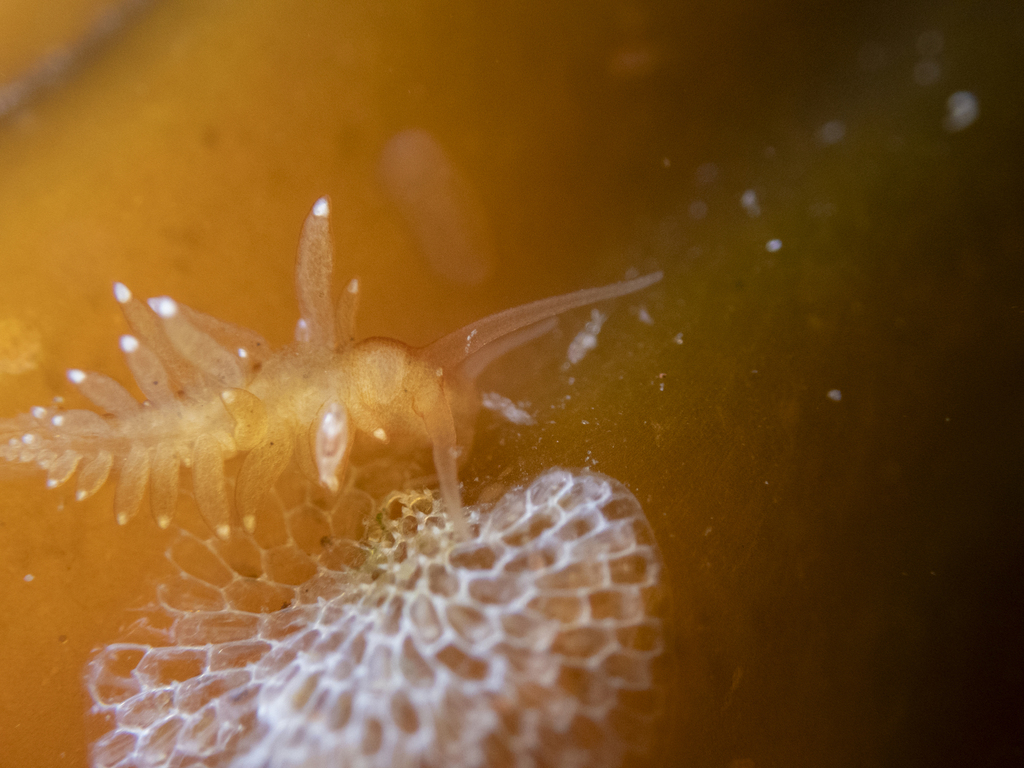 Phoenix Aeolid
Cuthona phoenix
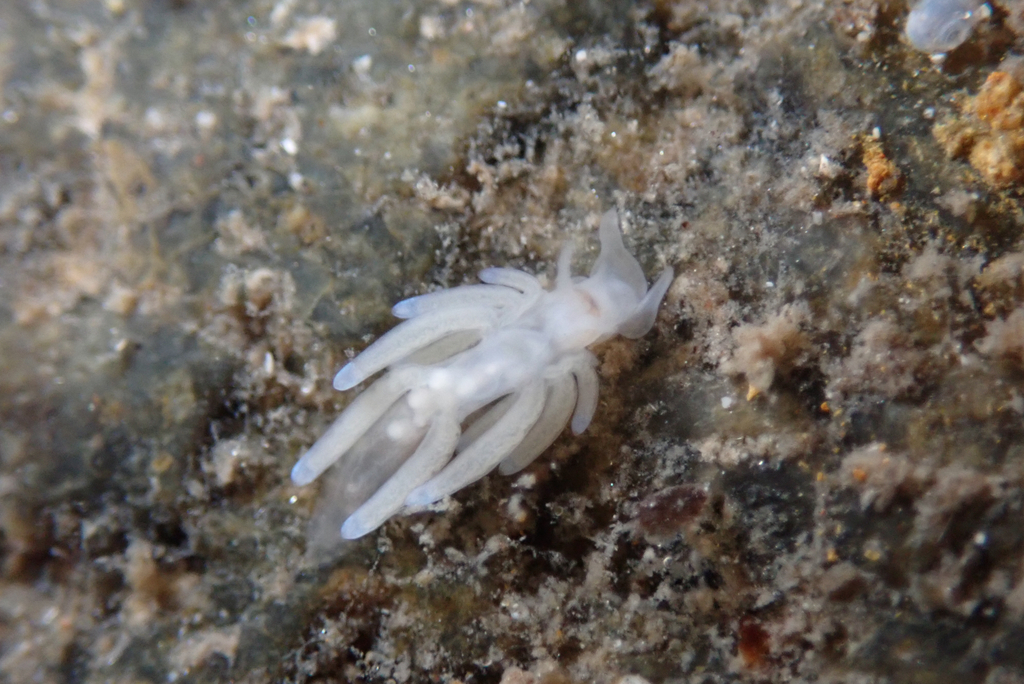 Roller's Aeolid
Cuthona rolleri
Sources and credits
Names and taxonomy: WoRMS (CC BY 4.0) and the GBIF Backbone (CC BY 4.0). Photos: iNaturalist observers, each under the licence shown (CC0, CC BY or CC BY-SA).
- Depth, temperature, months and maps: records from OBIS and GBIF under CC0 or CC BY.
- Descriptions: Wikipedia, licensed CC BY-SA, each linked to its article.
- Conservation status as published by GBIF (IUCN Red List).
- 32 open-data records from 1982 to 1983.
- Species data updated November 9, 2026.
Log what you see on your next dive
The free DiveHive diver app keeps your logbook with every sighting and shows what lives at the site you dive next.