
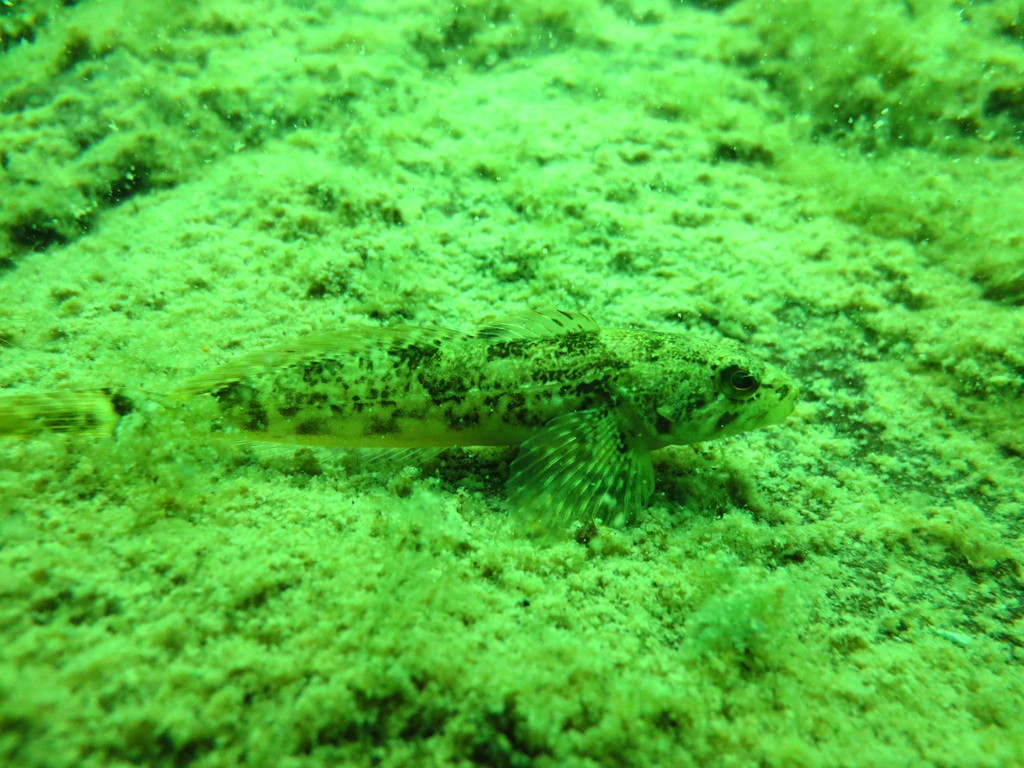
Prickly sculpin
Cottus asper
- Usual depth0–1 m
- Water temperature9–14 °C
- Best monthsJune, July, and August
- How commonCommon
Photo credit: (c) Chris Teague, some rights reserved (CC BY), uploaded by Chris Teague · CC BY · iNaturalist
About this species
The prickly sculpin is a species of ray-finned fish belonging to the family Cottidae, the typical sculpins. It is native to the river drainages of the Pacific Slope of North America from Seward, Alaska south to the Ventura River of Southern California. It extends east of the Continental Divide in the Peace River of British Columbia. It has also been introduced to several reservoirs in Southern California.
Text from the Wikipedia article “Prickly sculpin”, licensed CC BY-SA 4.0. Read the article
Where and when
Where it has been recorded
Worldwide
Best months
Worldwide (open data)
- January: 31 records
- February: 39 records
- March: 73 records
- April: 99 records
- May: 150 records
- June: 203 records
- July: 241 records
- August: 228 records
- September: 157 records
- October: 116 records
- November: 65 records
- December: 43 records
Depth and water temperature
Depth
Mostly recorded at 0–1 m · Deepest record: 1.8 m
Water temperature
Recorded in surface water of 9–14 °C
Photos

(c) dloarie, some rights reserved (CC BY), uploaded by dloarie · CC BY · flickr.com 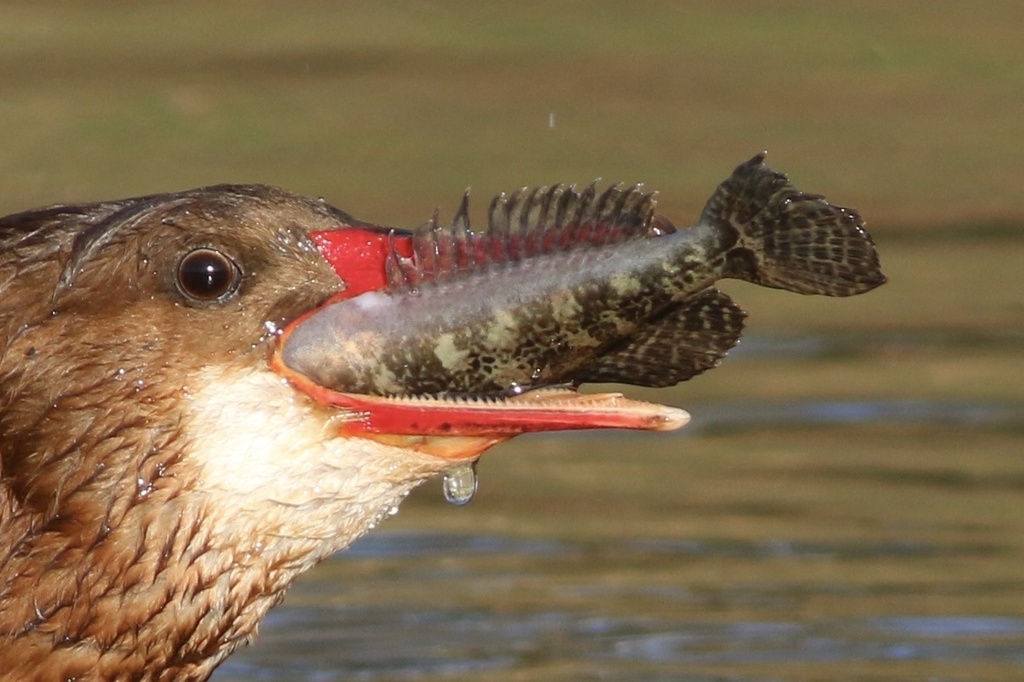
(c) Cricket Raspet, some rights reserved (CC BY) · CC BY · iNaturalist 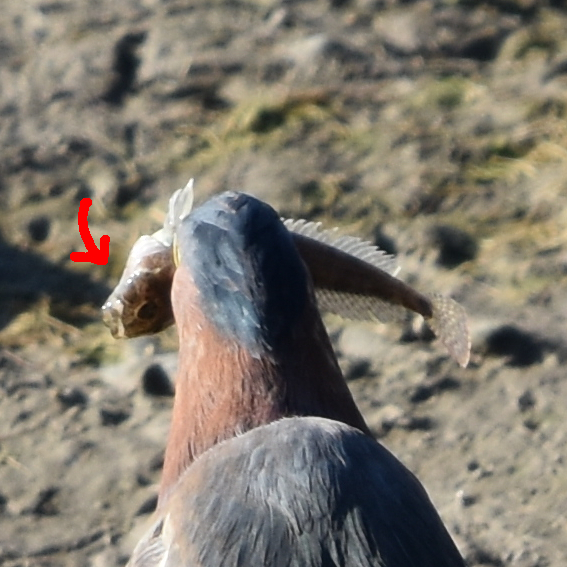
(c) Tser, some rights reserved (CC BY) · CC BY · iNaturalist 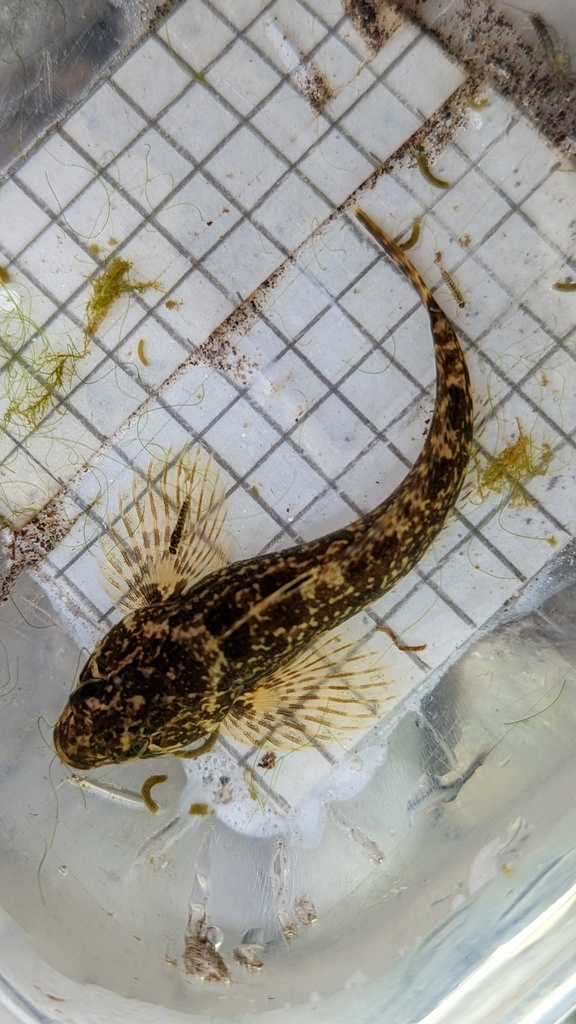
(c) Trevor Van Loon, some rights reserved (CC BY) · CC BY · iNaturalist 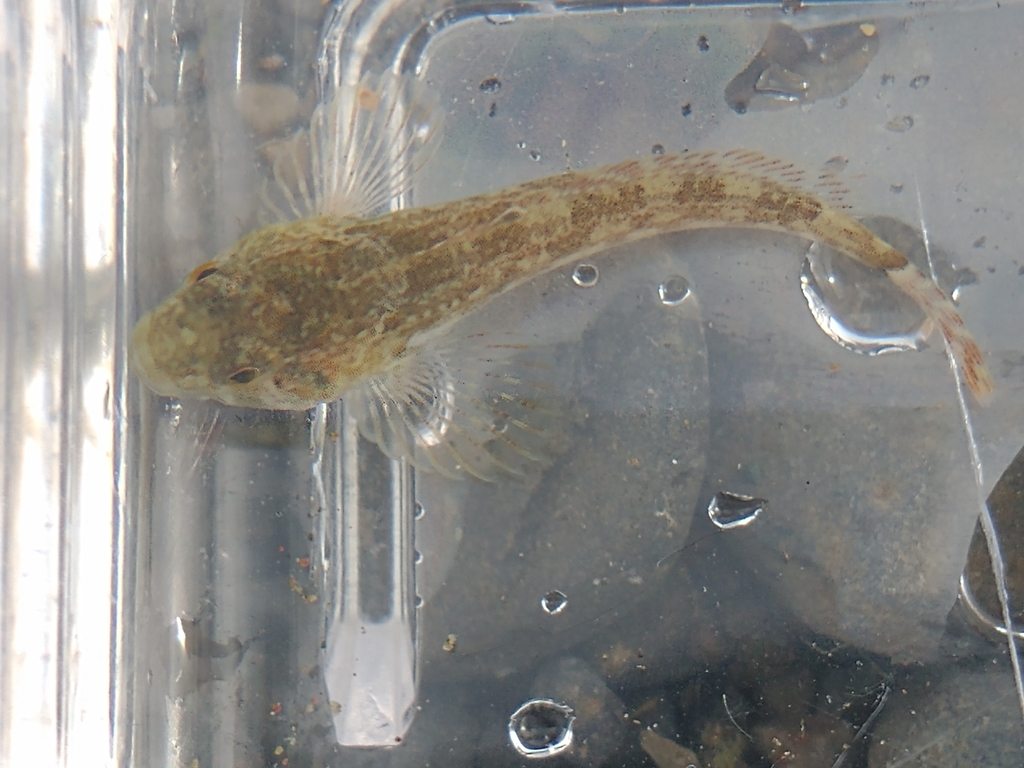
(c) Victor Hooper, some rights reserved (CC BY) · CC BY · iNaturalist 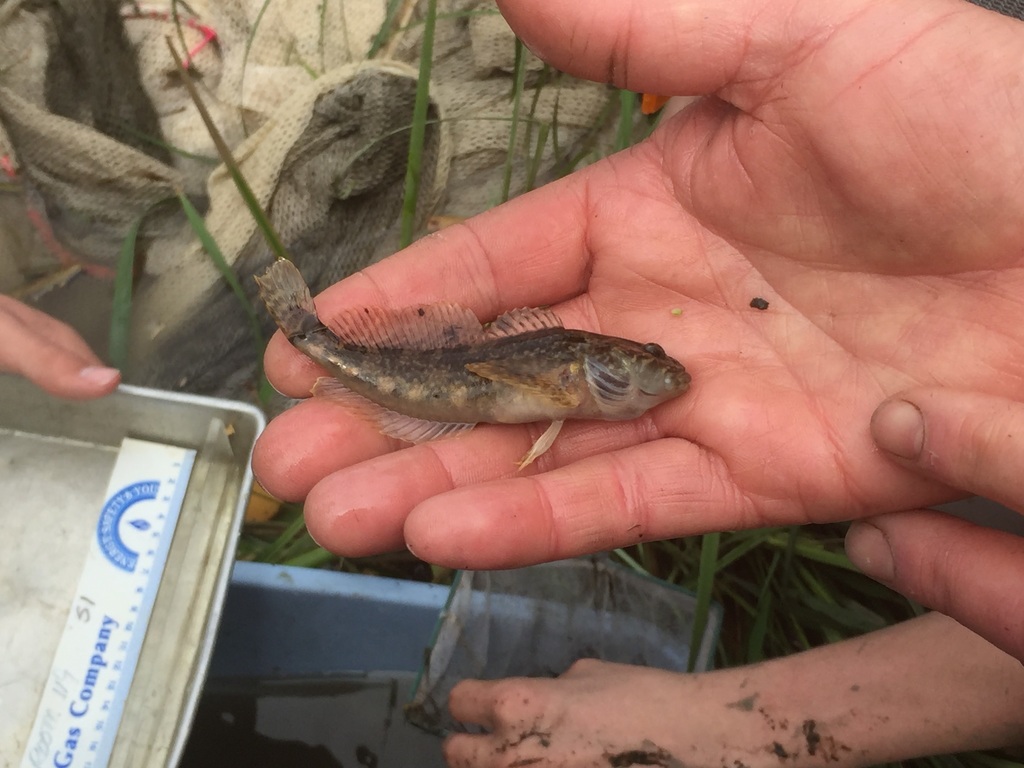
(c) Lee Cain, some rights reserved (CC BY) · CC BY · iNaturalist 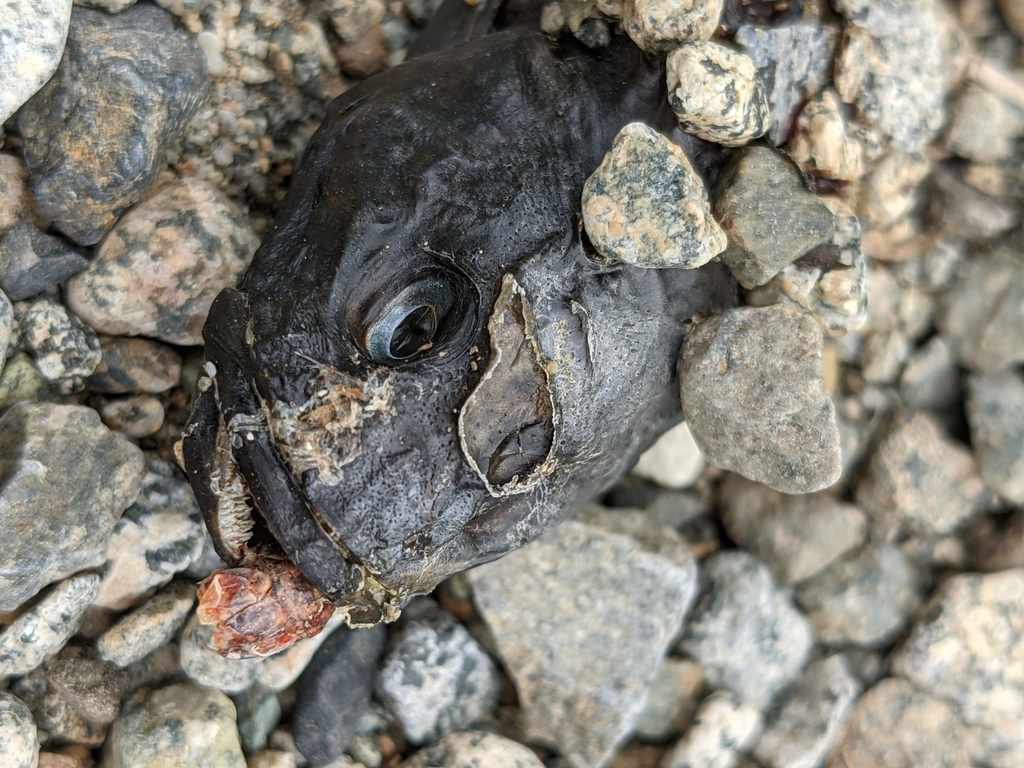
(c) Bryn, some rights reserved (CC BY) · CC BY · iNaturalist
Names and classification
- English
- Prickly sculpin, prickly sculpin
Names in 1 more language
- French
- chabot piquant
Other scientific names: Centridermichthys asper, Centridermichthys parvus, Cottopsis asper, Cottopsis parvus, Trachidermus richardsonii
Similar species
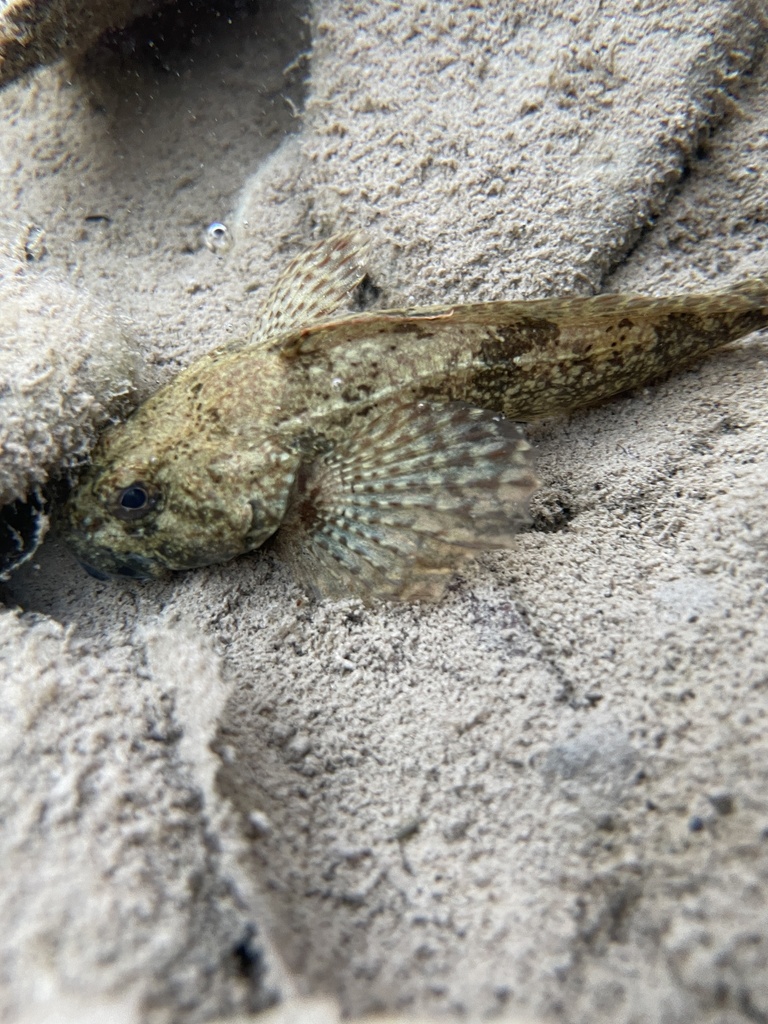 Mottled sculpin
Cottus bairdii
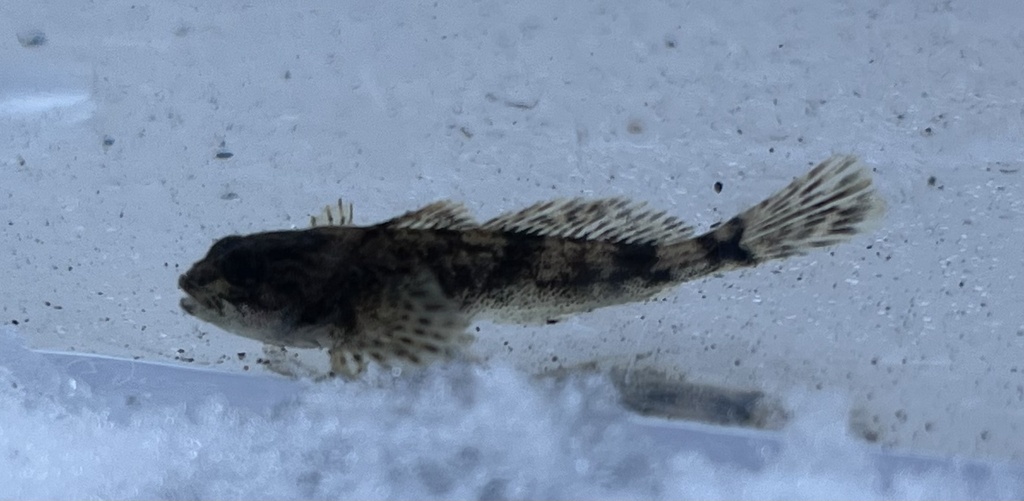 Coastrange sculpin
Cottus aleuticus
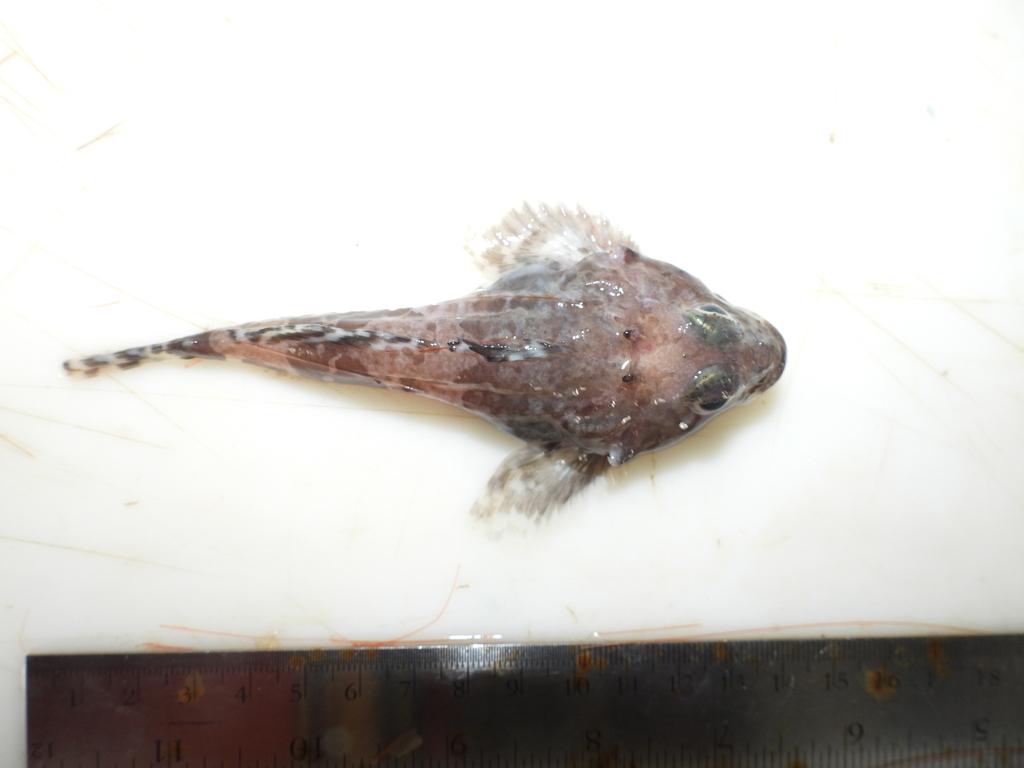 Atlantic hookear sculpin
Artediellus atlanticus
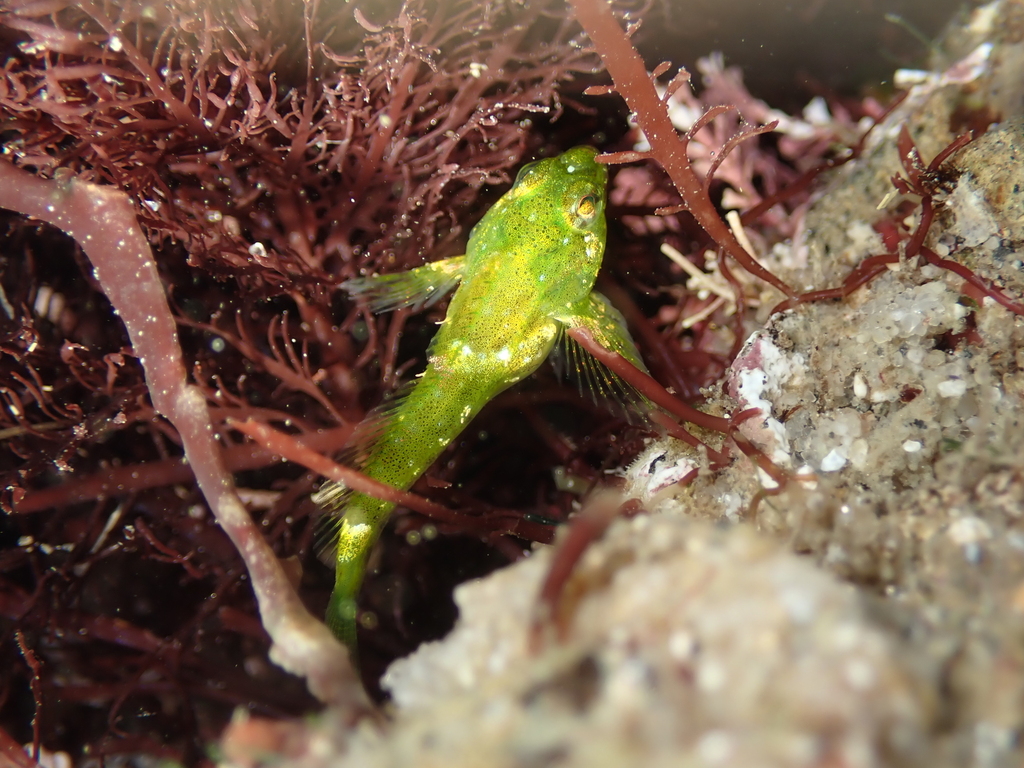 Woolly sculpin
Clinocottus analis
 Buffalo sculpin
Enophrys bison
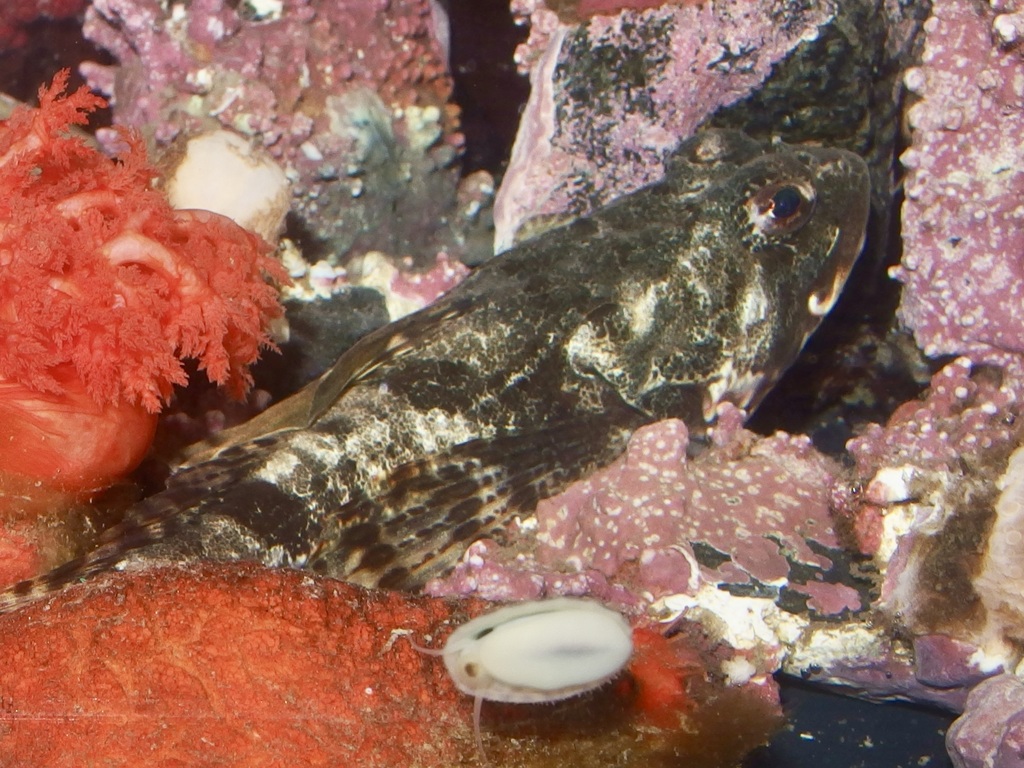 Arctic staghorn sculpin
Gymnocanthus tricuspis
Sources and credits
Names and taxonomy: WoRMS (CC BY 4.0) and the GBIF Backbone (CC BY 4.0). Photos: iNaturalist observers, each under the licence shown (CC0, CC BY or CC BY-SA).
- Depth, temperature, months and maps: records from OBIS and GBIF under CC0 or CC BY.
- Descriptions: Wikipedia, licensed CC BY-SA, each linked to its article.
- Conservation status as published by GBIF (IUCN Red List).
- 5,126 open-data records from 1892 to 2017.
- Species data updated November 9, 2026.
Log what you see on your next dive
The free DiveHive diver app keeps your logbook with every sighting and shows what lives at the site you dive next.