
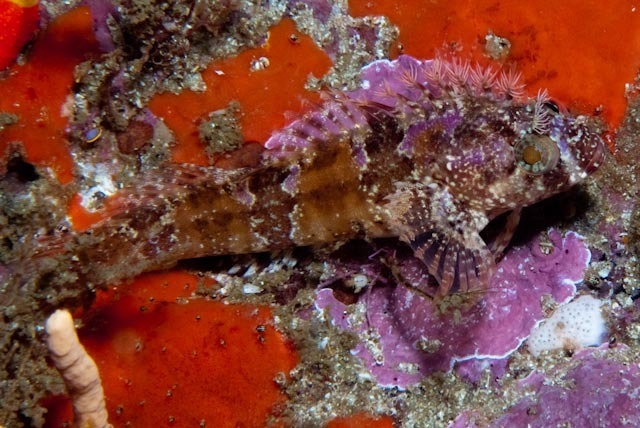
Chinese Klipfish
Clinus nematopterus
- Usual depth18–28 m
- Water temperature17–19 °C
- Best monthsApril
- How commonRare
Photo credit: (c) Georgina Jones, some rights reserved (CC BY-SA), uploaded by Georgina Jones · CC BY-SA · iNaturalist
About this species
Clinus nematopterus, the Chinese klipfish, that occurs in subtropical waters of the Atlantic Ocean where, despite its common name, it is endemic to South Africa, the common name having derived from a locality error in the original description. This species can reach a maximum length of 11 centimetres (4.3 in) TL. This species feeds on benthic crustaceans and also takes other fishes.
Text from the Wikipedia article “Clinus nematopterus”, licensed CC BY-SA 4.0. Read the article
Where and when
Where it has been recorded
Worldwide
Best months
Worldwide (open data)
- January: 5 records
- February: 9 records
- March: 8 records
- April: 27 records
- May: 10 records
- June: 3 records
- July: 6 records
- August: 7 records
- September: 8 records
- October: 1 record
- November: 4 records
- December: 2 records
Depth and water temperature
Depth
Mostly recorded at 18–28 m · Deepest record: 28 m
Water temperature
Recorded in surface water of 17–19 °C
Photos
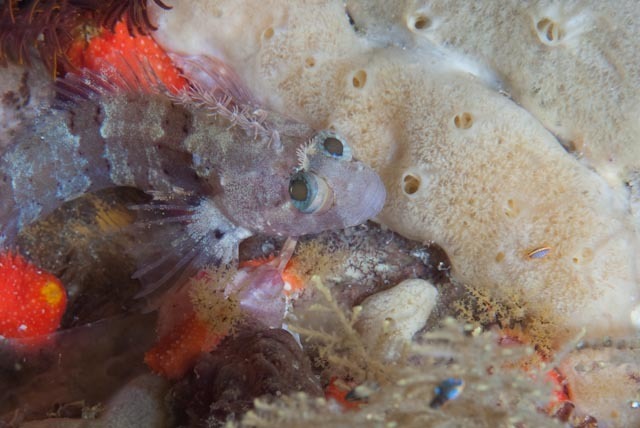
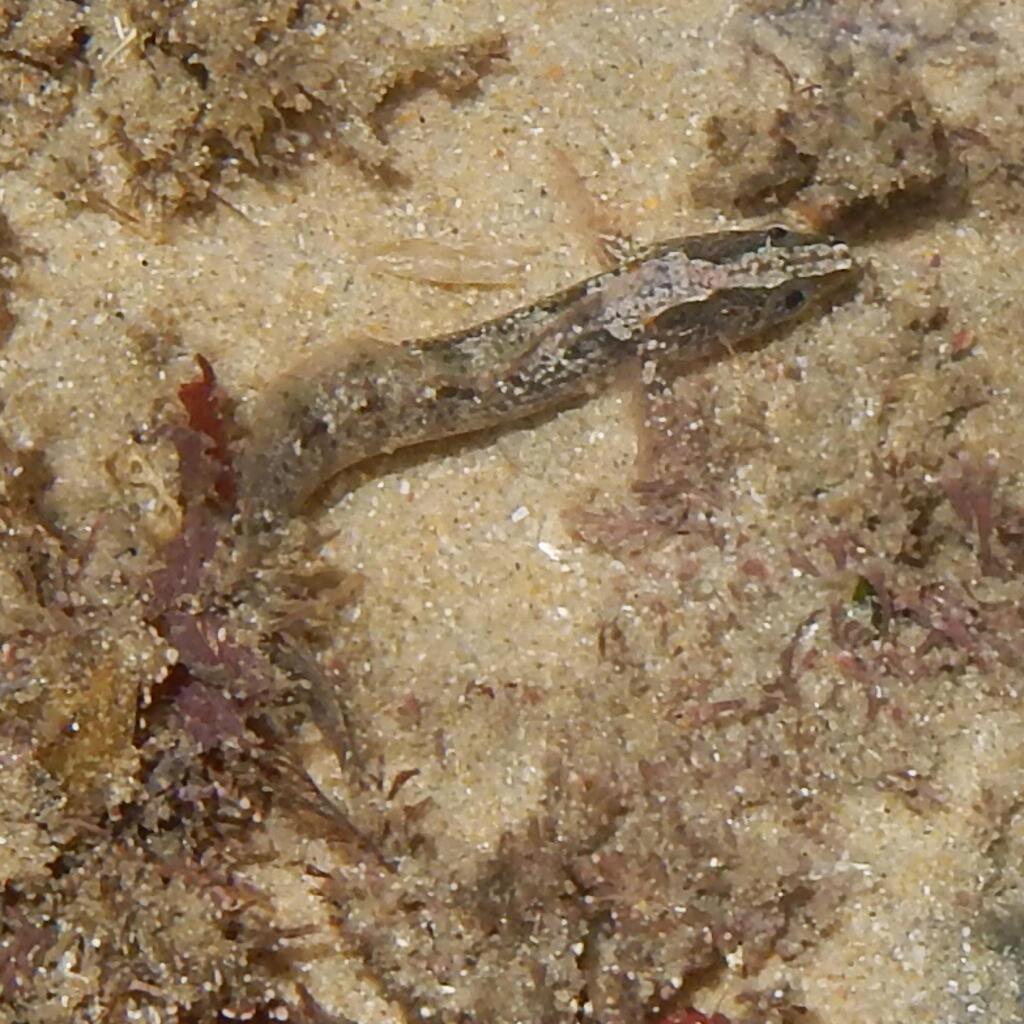
(c) Georgina Jones, some rights reserved (CC BY-SA) · CC BY-SA · iNaturalist 
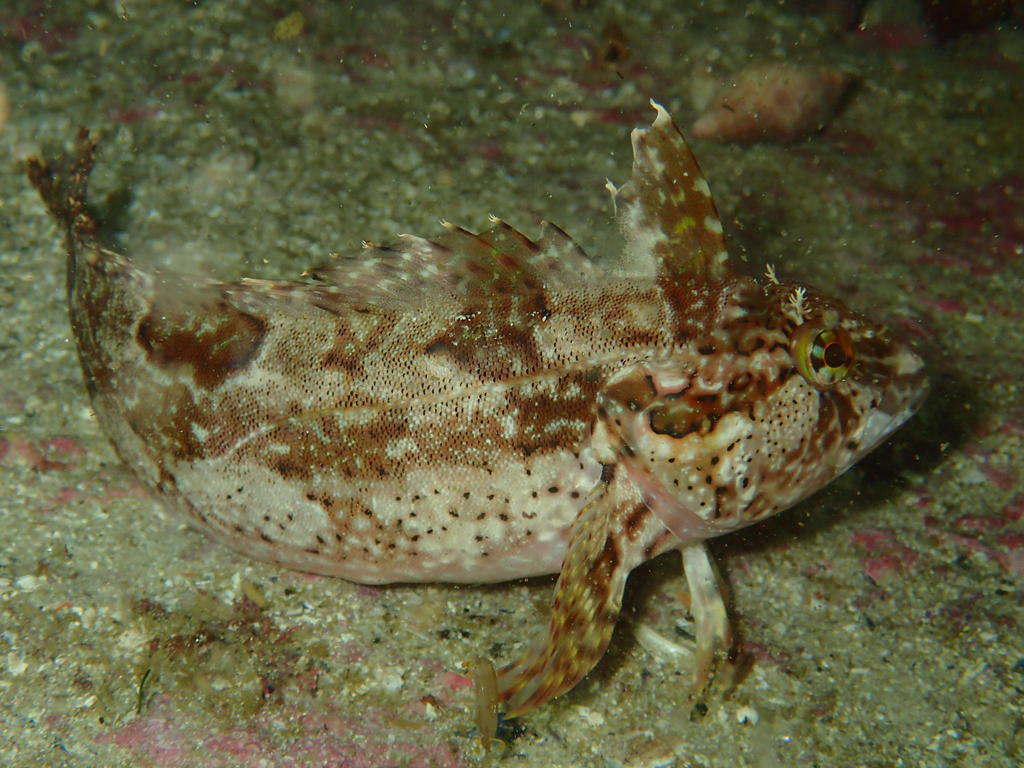
(c) Georgina Jones, some rights reserved (CC BY-SA) · CC BY-SA · iNaturalist 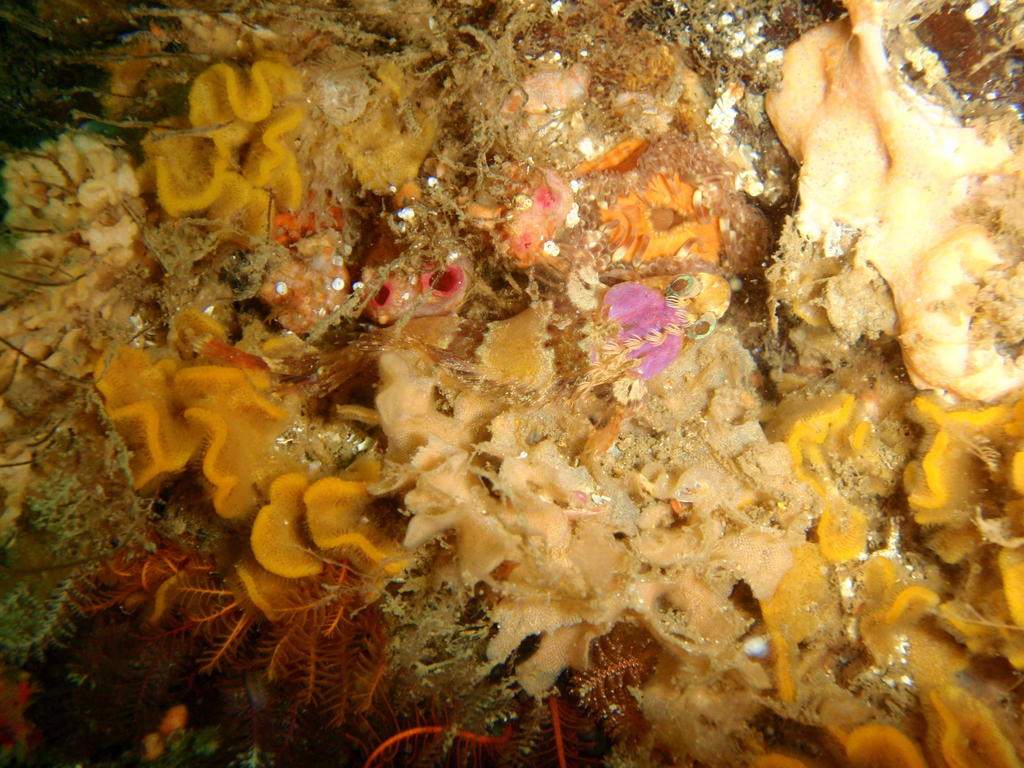
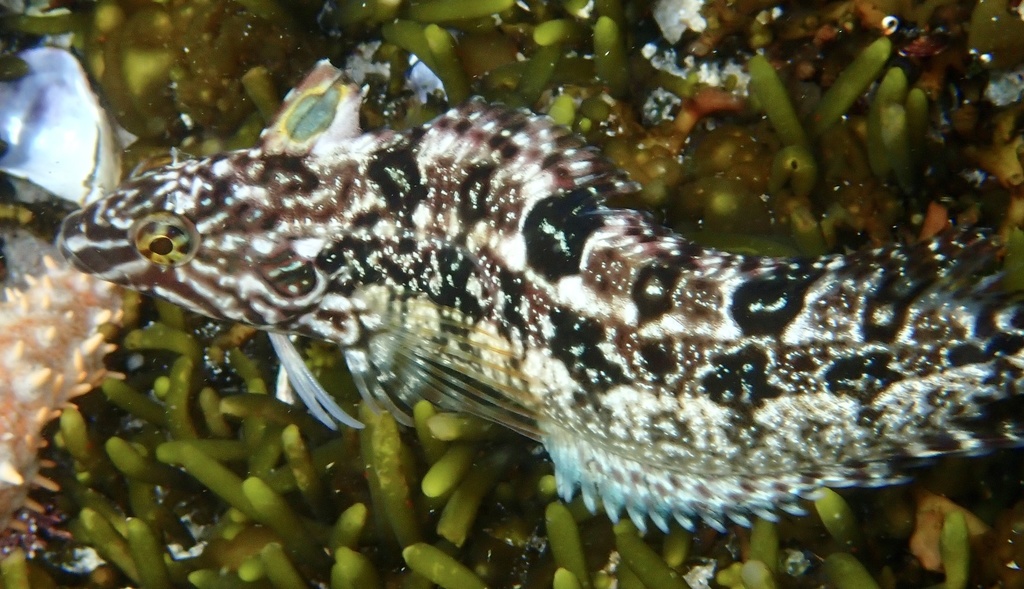
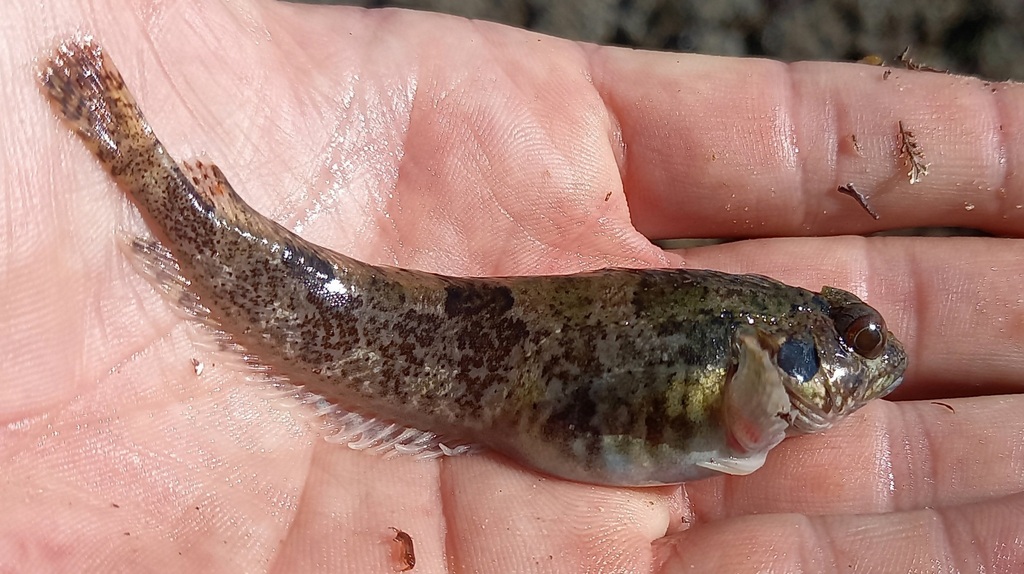
(c) Peter Southwood, some rights reserved (CC BY-SA) · CC BY-SA · iNaturalist
Names and classification
- English
- Chinese Klipfish
Similar species
 super klipfish
Clinus superciliosus
 sad klipfish
Clinus acuminatus
 Autumn Klipfish
Clinus arborescens
 onrust klipfish
Clinus berrisfordi
 bluntnose klipfish
Clinus cottoides
 robust klipfish
Clinus robustus
Sources and credits
Names and taxonomy: WoRMS (CC BY 4.0) and the GBIF Backbone (CC BY 4.0). Photos: iNaturalist observers, each under the licence shown (CC0, CC BY or CC BY-SA).
- Depth, temperature, months and maps: records from OBIS and GBIF under CC0 or CC BY.
- Descriptions: Wikipedia, licensed CC BY-SA, each linked to its article.
- Conservation status as published by GBIF (IUCN Red List).
- 24 open-data records from 1975 to 1993.
- Species data updated November 9, 2026.
Log what you see on your next dive
The free DiveHive diver app keeps your logbook with every sighting and shows what lives at the site you dive next.