
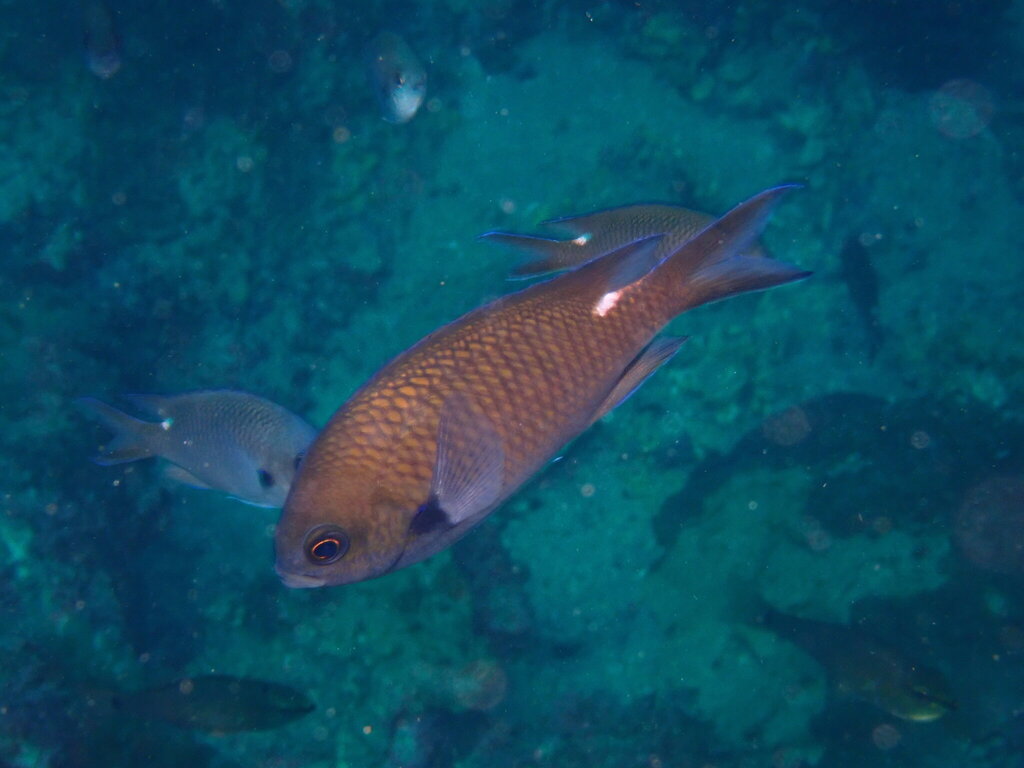
Pearl-spot Chromis
Chromis notata
- Usual depth2–6 m
- Water temperature14–29 °C
- Best monthsApril, June, and July
- How commonOccasional
Photo credit: (c) Kuknam kim, some rights reserved (CC BY-SA) · CC BY-SA · commons.wikimedia.org
About this species
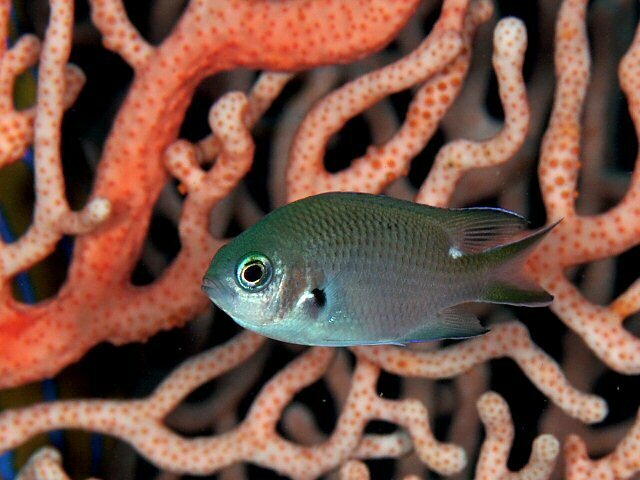
The pearl-spot chromis or spottedfin puller, also known as jaridom, is a damselfish of the family Pomacentridae, found in the northwest Pacific from southern Korea, the coast of Jeju Island, southern Japan, the Ryukyu Islands, Taiwan, and China, at depths of between 2 and 15 m. Its length is up to 17 cm.
Text from the Wikipedia article “Chromis notata”, licensed CC BY-SA 4.0. Read the article
Where and when
Where it has been recorded
Worldwide
Best months
Worldwide (open data)
- January: 2 records
- February: 11 records
- March: 10 records
- April: 46 records
- May: 35 records
- June: 57 records
- July: 38 records
- August: 36 records
- September: 33 records
- October: 22 records
- November: 17 records
- December: 12 records
Depth and water temperature
Depth
Mostly recorded at 2–6 m · Deepest record: 10 m
Water temperature
Recorded in surface water of 14–29 °C
Photos
(c) Izuzuki, some rights reserved (CC BY-SA) · CC BY-SA · commons.wikimedia.org 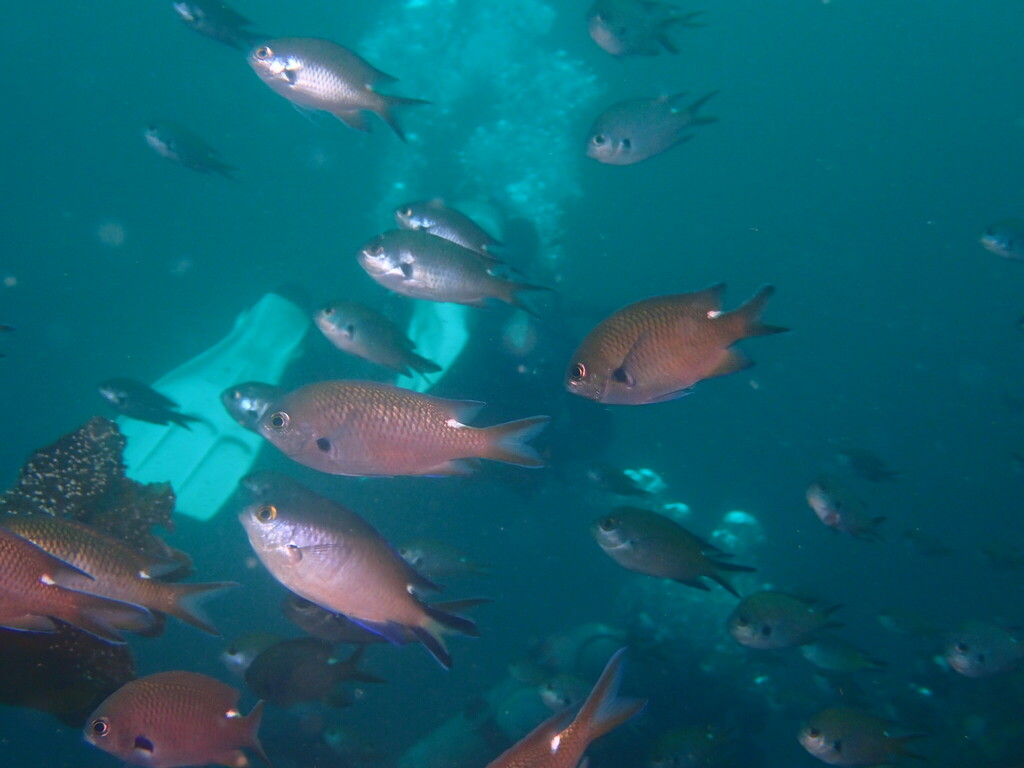
(c) Kuknam kim, some rights reserved (CC BY-SA) · CC BY-SA · commons.wikimedia.org 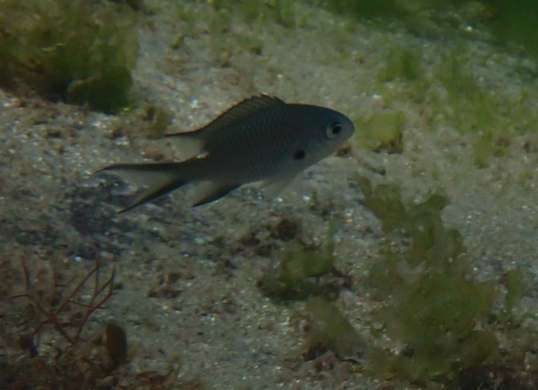
(c) 呂一起(Lyu yi-chi), some rights reserved (CC BY) · CC BY · iNaturalist 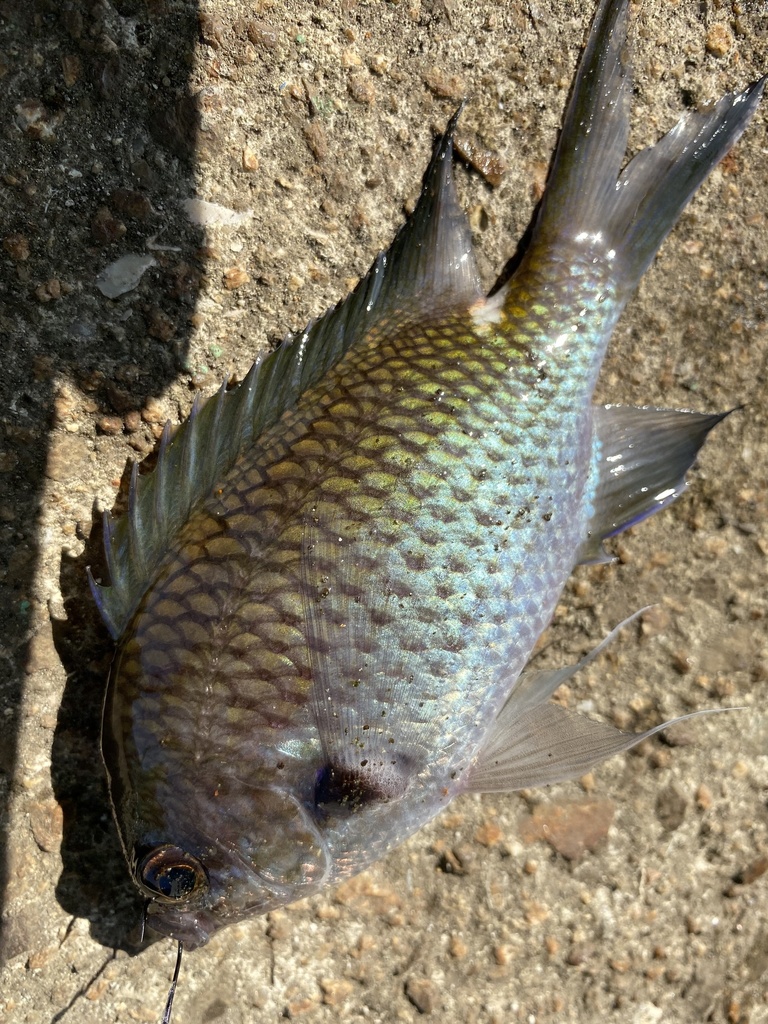
(c) りなべる, some rights reserved (CC BY) · CC BY · iNaturalist 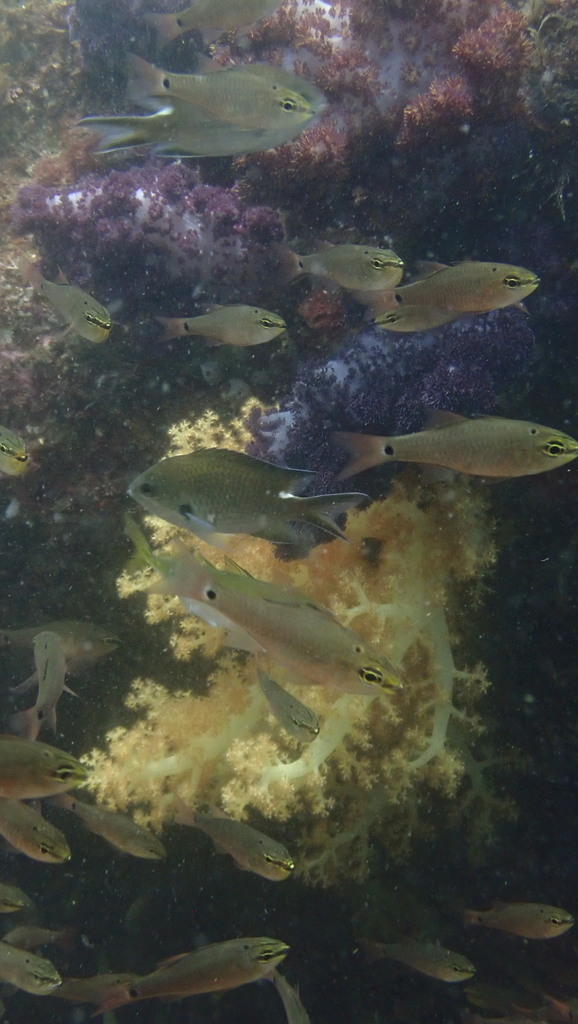
no rights reserved · CC0 1.0 · iNaturalist 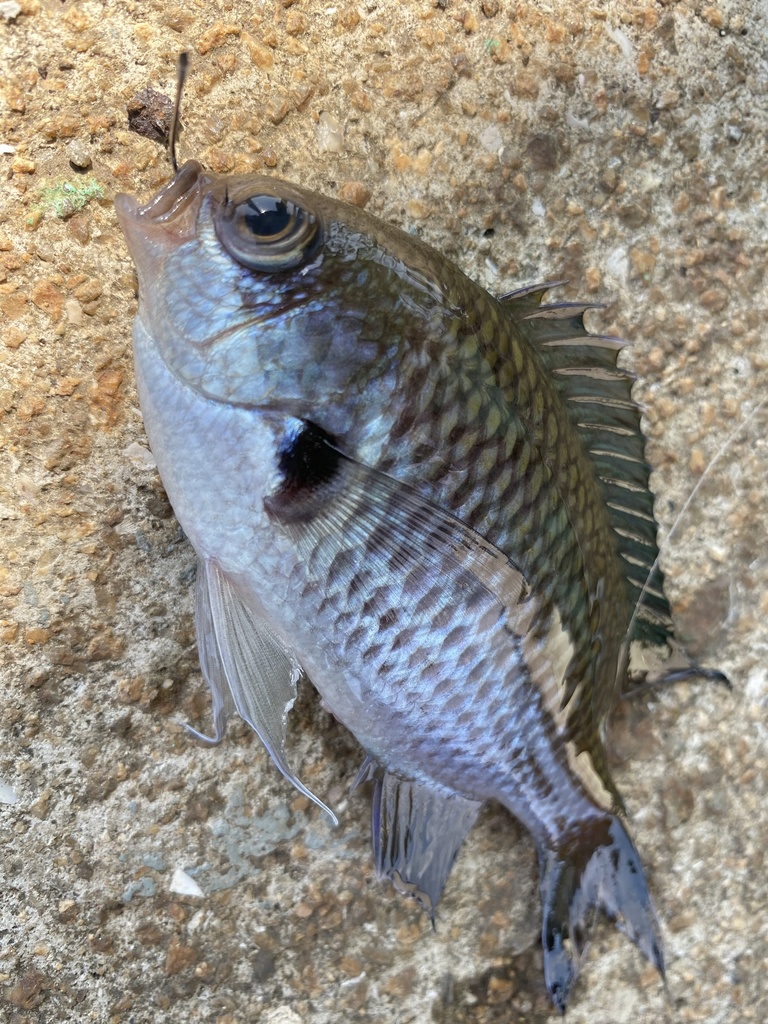
(c) りなべる, some rights reserved (CC BY) · CC BY · iNaturalist 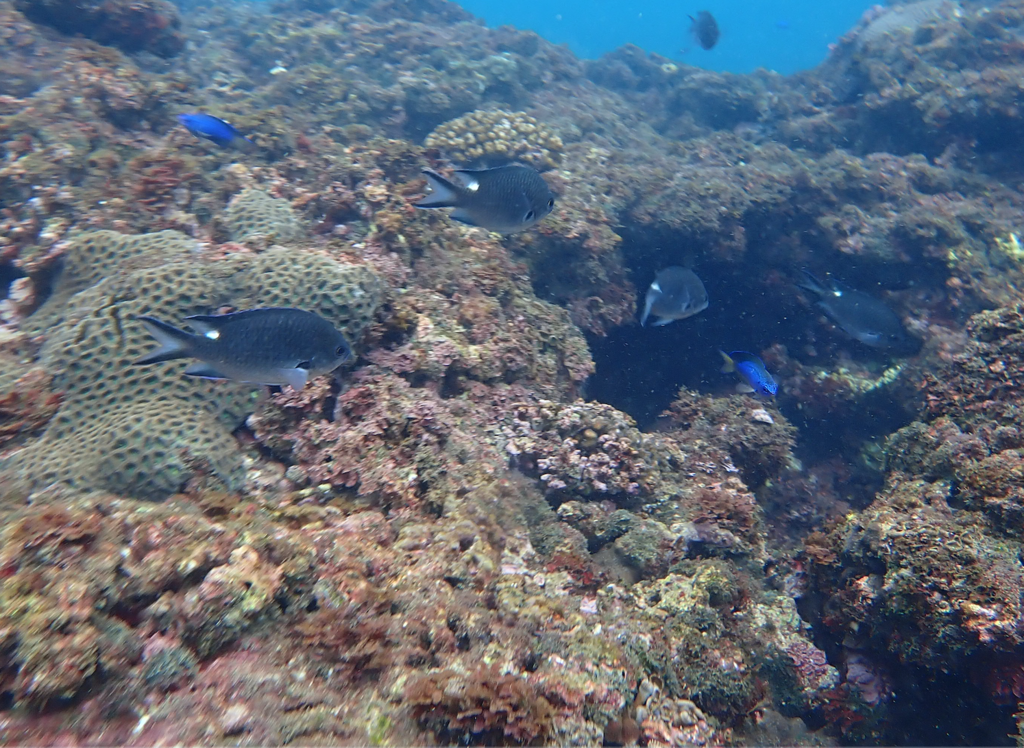
(c) 呂一起(Lyu yi-chi), some rights reserved (CC BY) · CC BY · iNaturalist
Names and classification
- English
- Pearl-spot Chromis, Spottedfin Puller, Whitesaddled Reeffish
Names in 1 more language
- Japanese
- Suzumedai, スズメダイ, ミヤケスズメダイ
Other scientific names: Chromis miyakeensis, Chromis notatus, Chromis villadoldi, Chromis villadolidi, Heliases notatus
Similar species
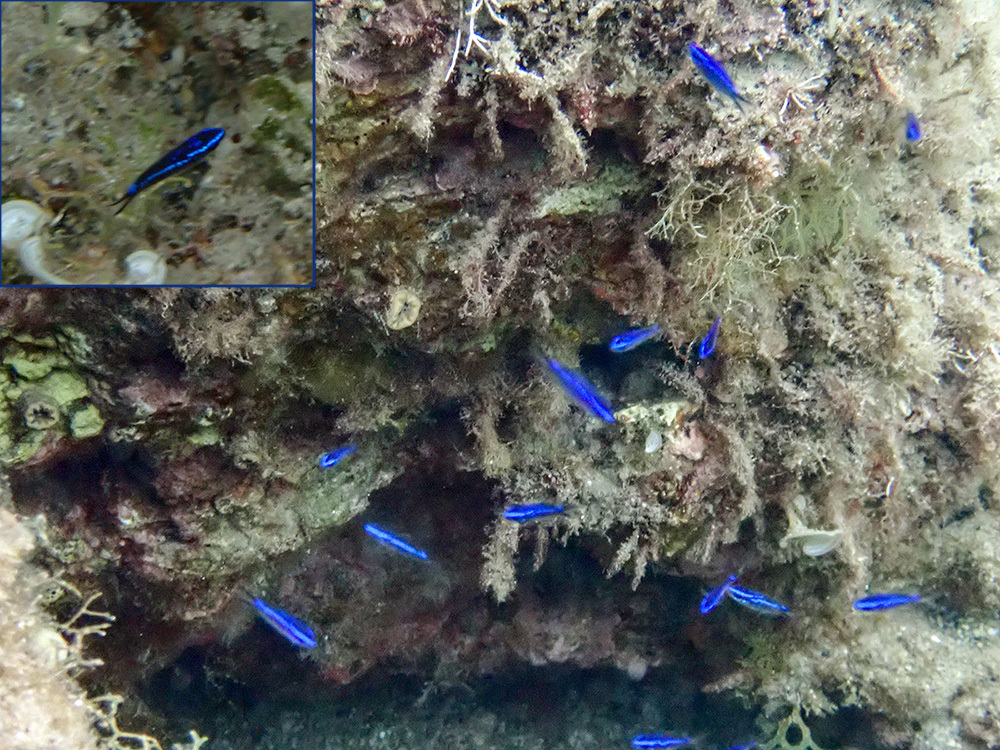 Damselfish
Chromis chromis
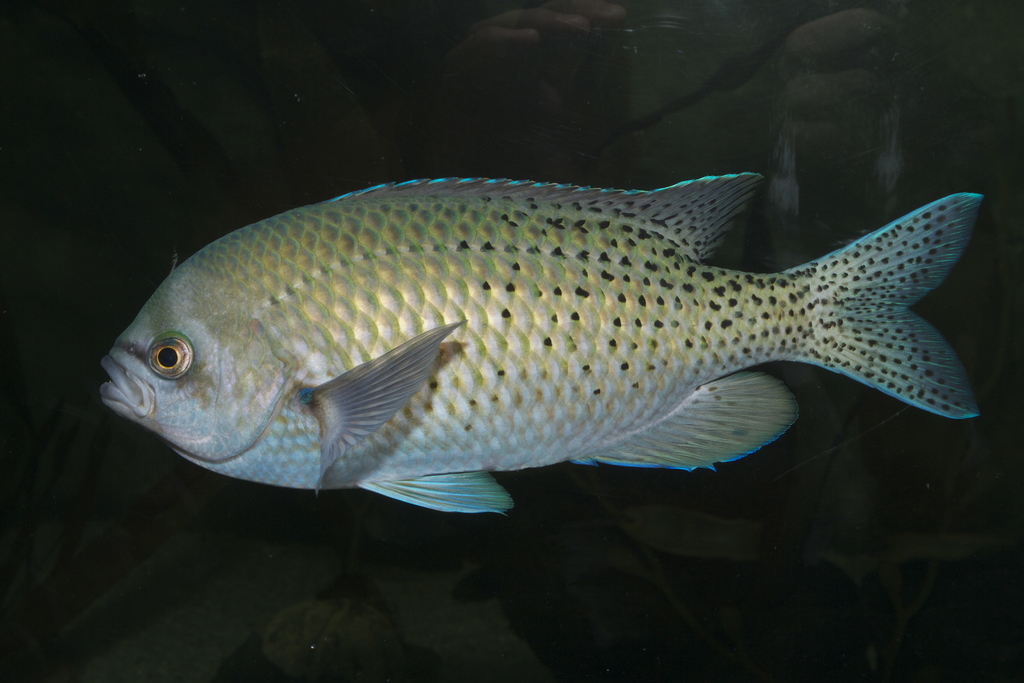 Blacksmith
Chromis punctipinnis
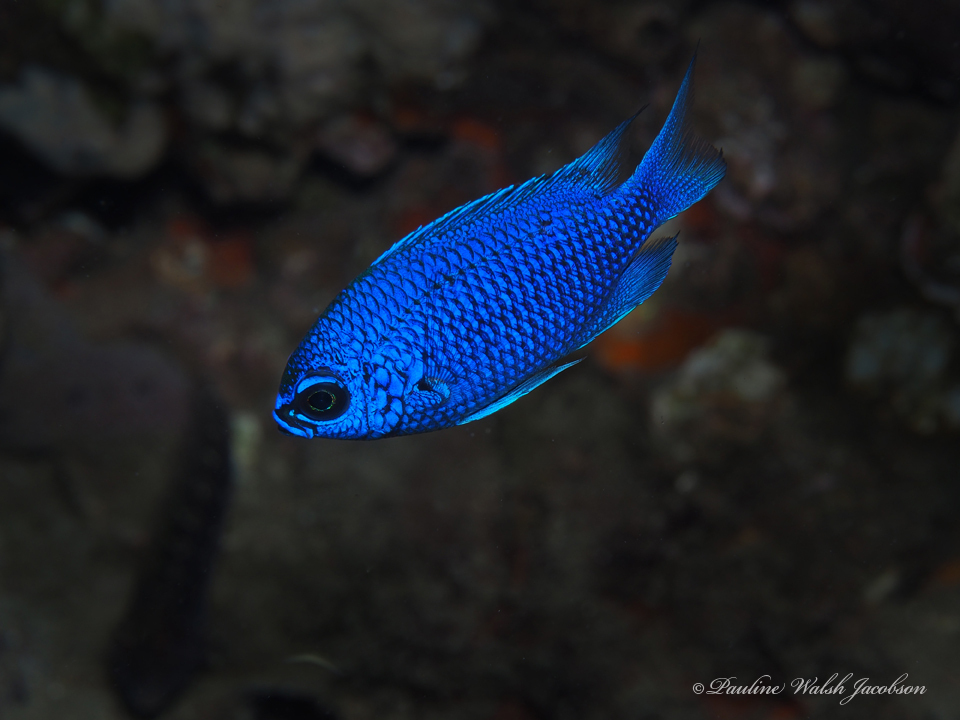 Purple reeffish
Chromis scotti
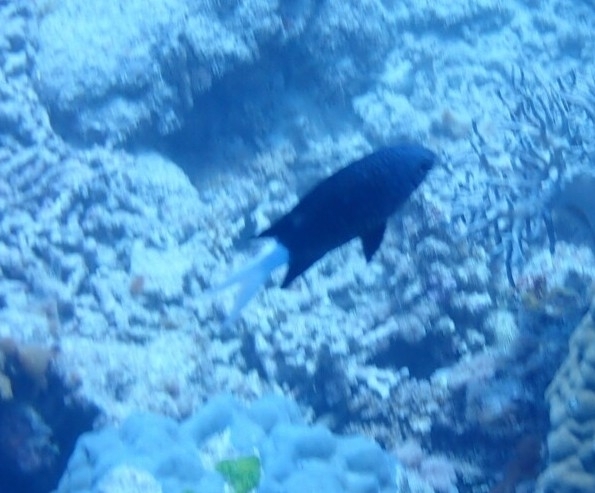 Black Chromis
Chromis xanthura
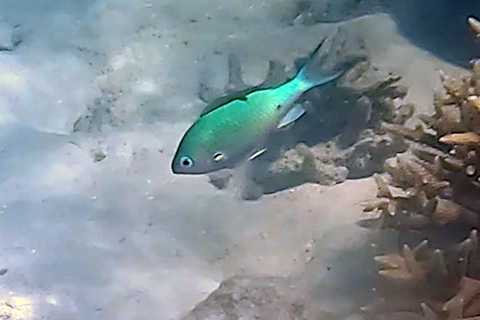 Black-axil chromis
Chromis atripectoralis
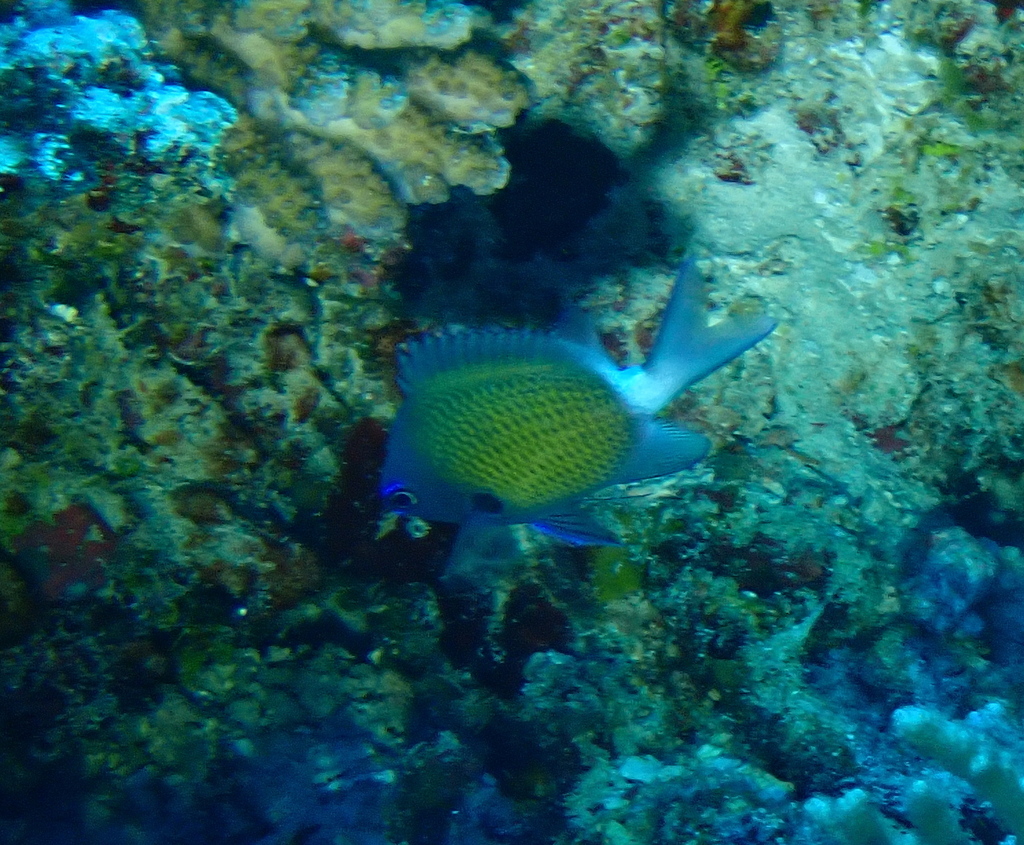 Stout chromis
Chromis chrysura
Sources and credits
Names and taxonomy: WoRMS (CC BY 4.0) and the GBIF Backbone (CC BY 4.0). Photos: iNaturalist observers, each under the licence shown (CC0, CC BY or CC BY-SA).
- Depth, temperature, months and maps: records from OBIS and GBIF under CC0 or CC BY.
- Descriptions: Wikipedia, licensed CC BY-SA, each linked to its article.
- Conservation status as published by GBIF (IUCN Red List).
- 163 open-data records from 1931 to 2018.
- Species data updated November 1, 2026.
Log what you see on your next dive
The free DiveHive diver app keeps your logbook with every sighting and shows what lives at the site you dive next.