
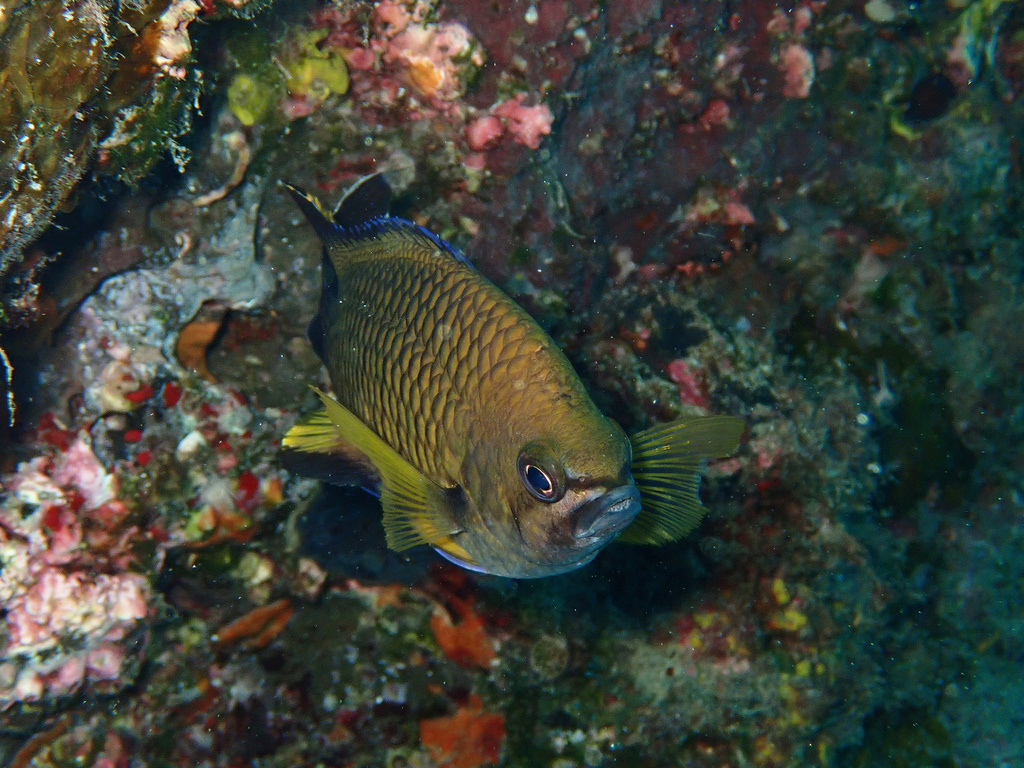
Azores Chromis
Chromis limbata
- Usual depth5–17 m
- Water temperature19–28 °C
- Best monthsMarch and October
- How commonOccasional
Photo credit: (c) Donald Davesne, some rights reserved (CC BY) · CC BY · iNaturalist
About this species
The Azores chromis or Atlantic chromis is a species of damselfish from the family Pomacentridae which is found in the Macaronesian Islands of the temperate eastern Atlantic Ocean and has been reported from coastal regions of western Africa.
Text from the Wikipedia article “Chromis limbata”, licensed CC BY-SA 4.0. Read the article
Where and when
Where it has been recorded
Worldwide
Best months
Worldwide (open data)
- January: 101 records
- February: 140 records
- March: 425 records
- April: 104 records
- May: 55 records
- June: 66 records
- July: 87 records
- August: 87 records
- September: 130 records
- October: 431 records
- November: 55 records
- December: 85 records
Depth and water temperature
Depth
Mostly recorded at 5–17 m · Deepest record: 45 m
Water temperature
Recorded in surface water of 19–28 °C
Photos
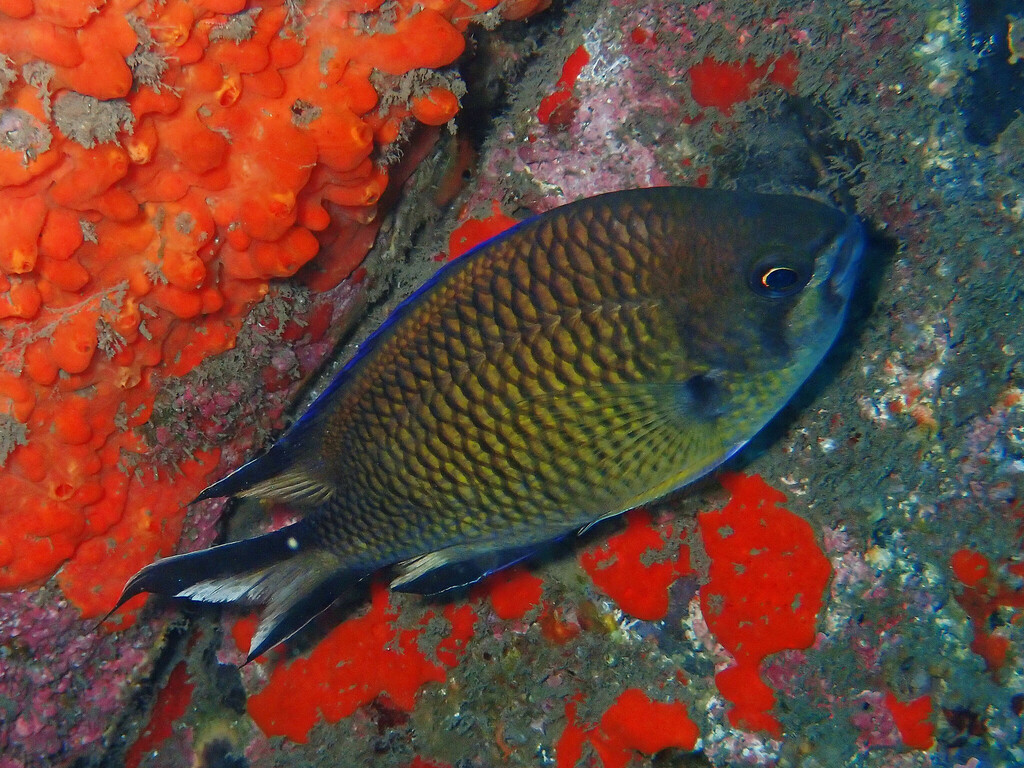
(c) Donald Davesne, some rights reserved (CC BY) · CC BY · iNaturalist 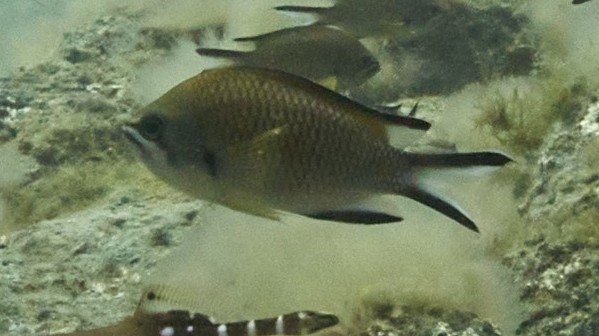
(c) Micha Baum, some rights reserved (CC BY-SA) · CC BY-SA · iNaturalist 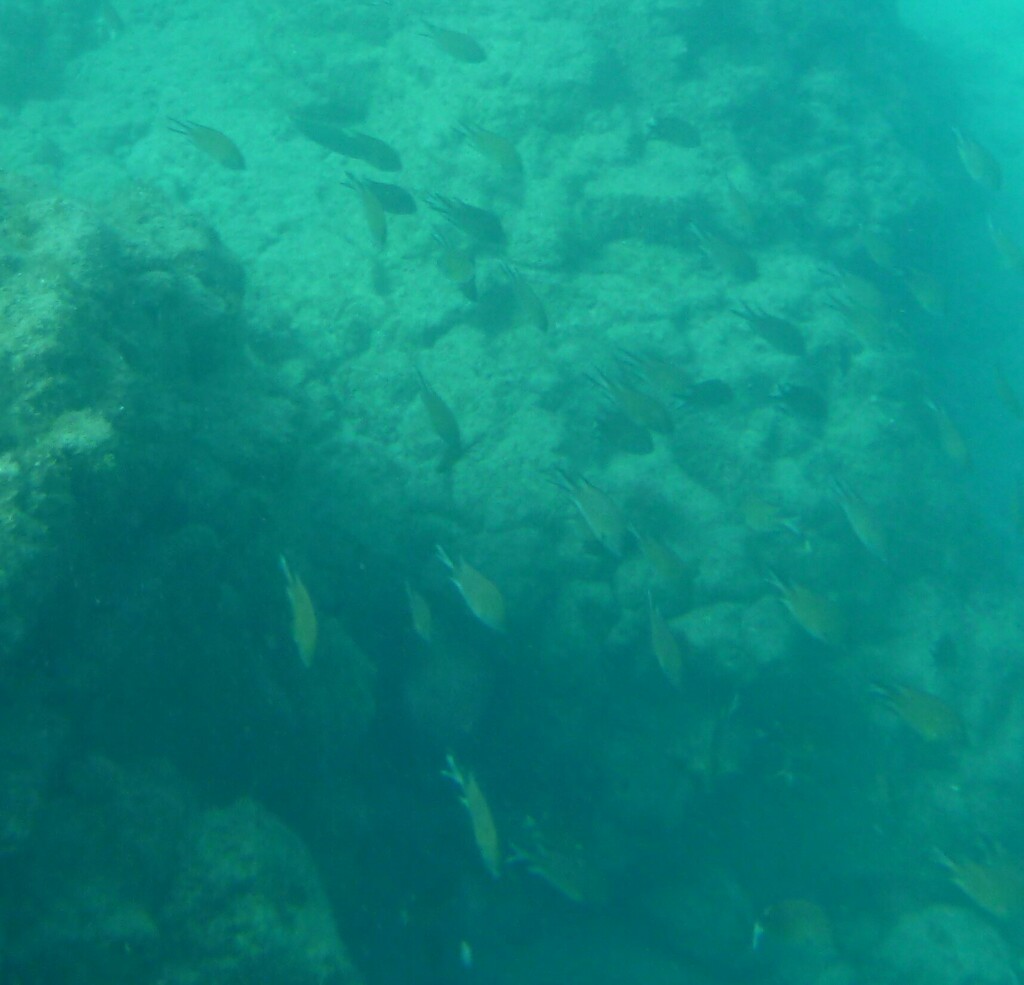
(c) Lawrence Troup, some rights reserved (CC BY-SA) · CC BY-SA · iNaturalist 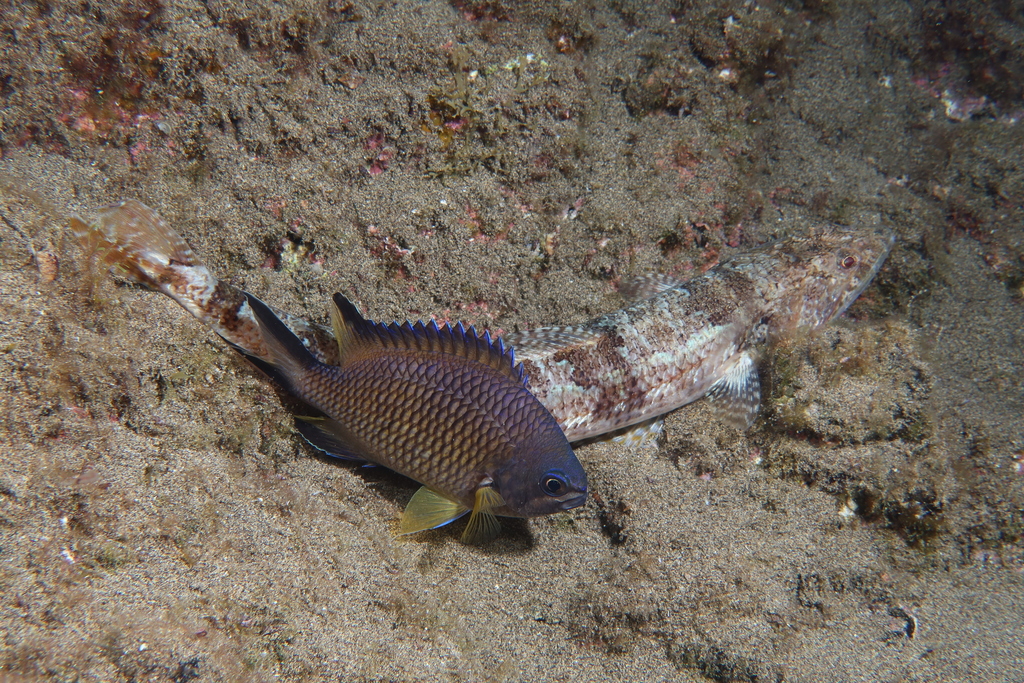
(c) Julien Renoult, some rights reserved (CC BY) · CC BY · iNaturalist 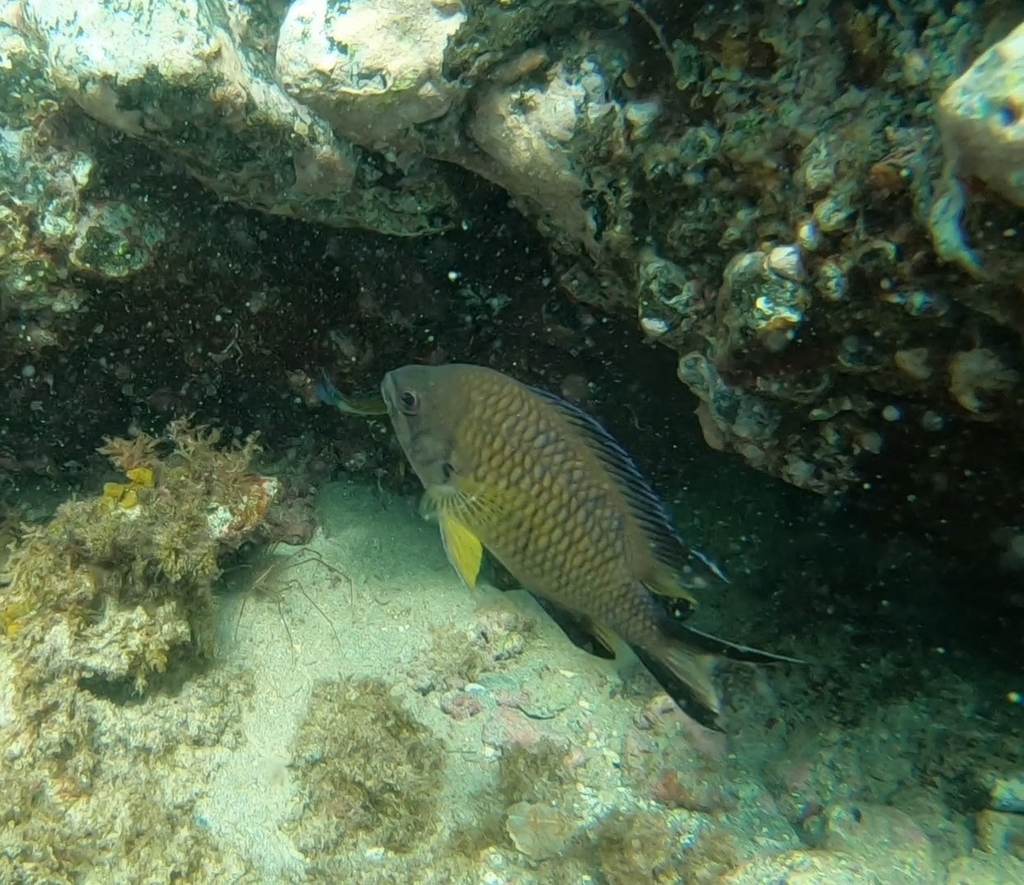
no rights reserved · CC0 1.0 · iNaturalist 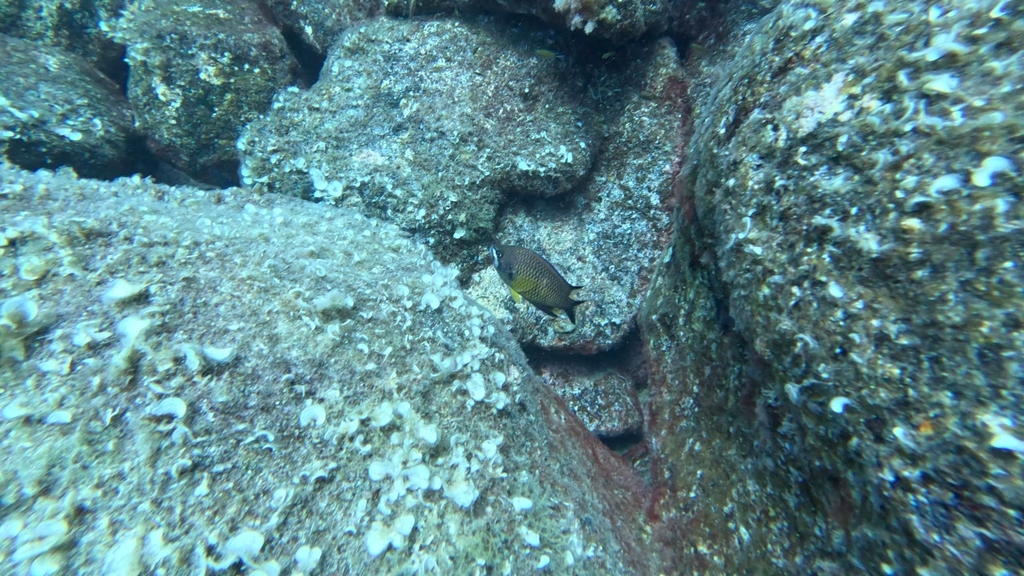
no rights reserved · CC0 1.0 · iNaturalist 
(c) Lawrence Troup, some rights reserved (CC BY-SA) · CC BY-SA · iNaturalist
Names and classification
- English
- Azores Chromis, Damsel fish
Names in 2 more languages
- Spanish
- Fula Blanca
- French
- Castagnole à queue rayée
Other scientific names: Chromis limbatus, Heliases limbatus, Heliazes marginatus
Similar species
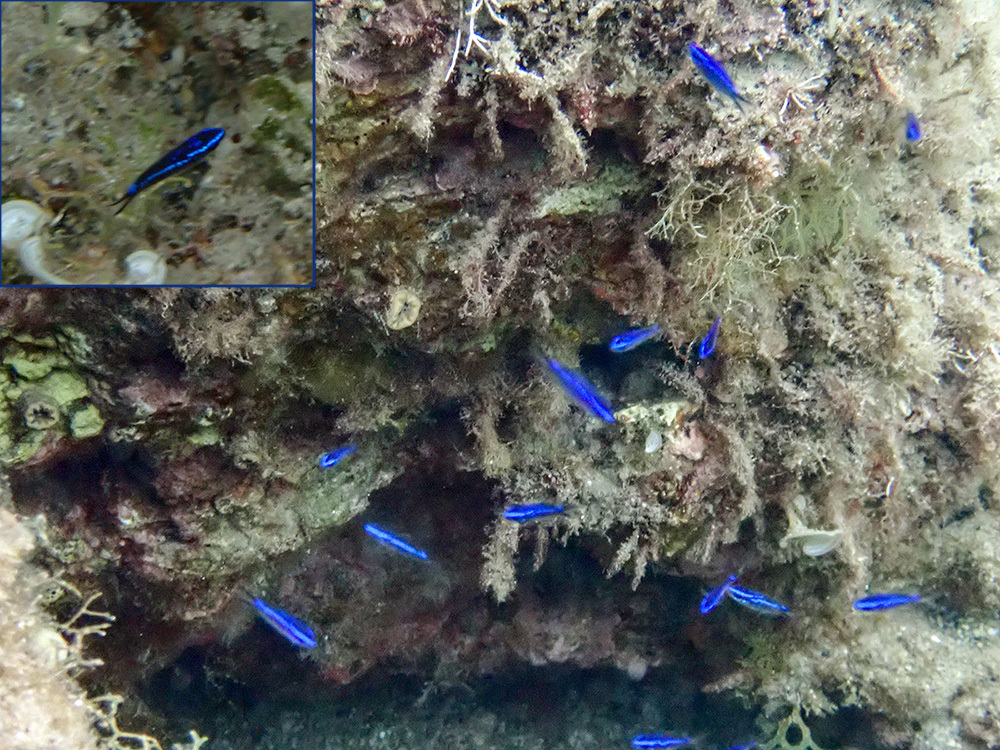 Damselfish
Chromis chromis
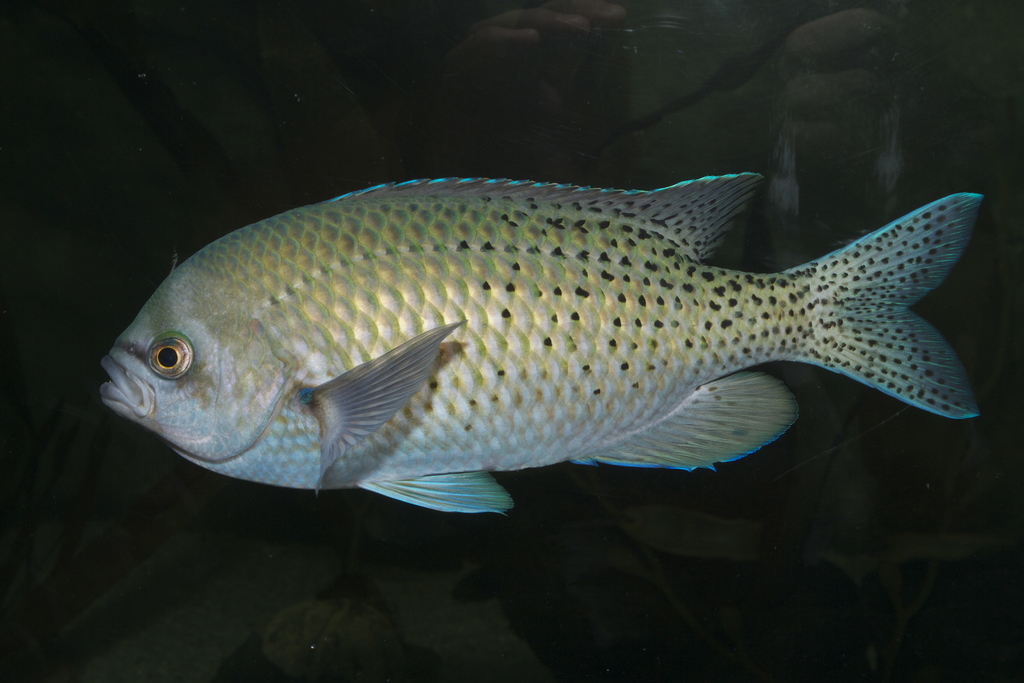 Blacksmith
Chromis punctipinnis
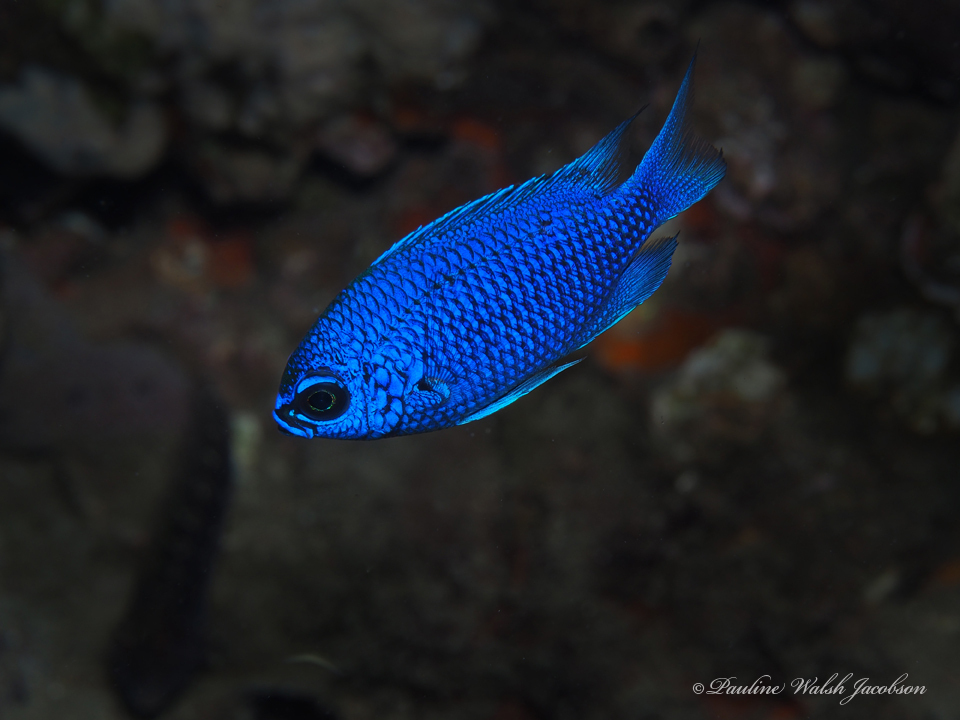 Purple reeffish
Chromis scotti
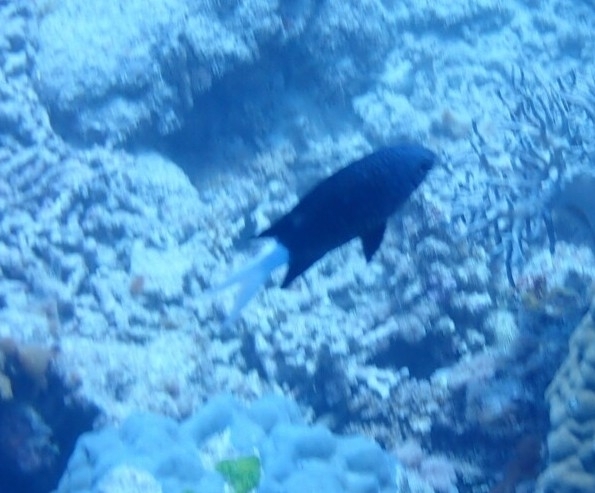 Black Chromis
Chromis xanthura
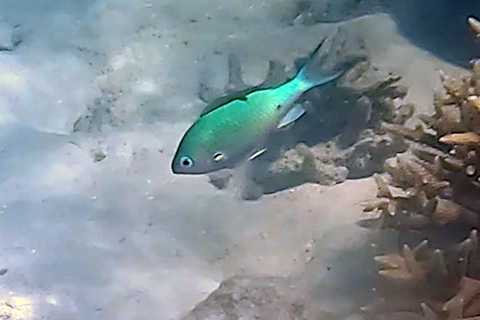 Black-axil chromis
Chromis atripectoralis
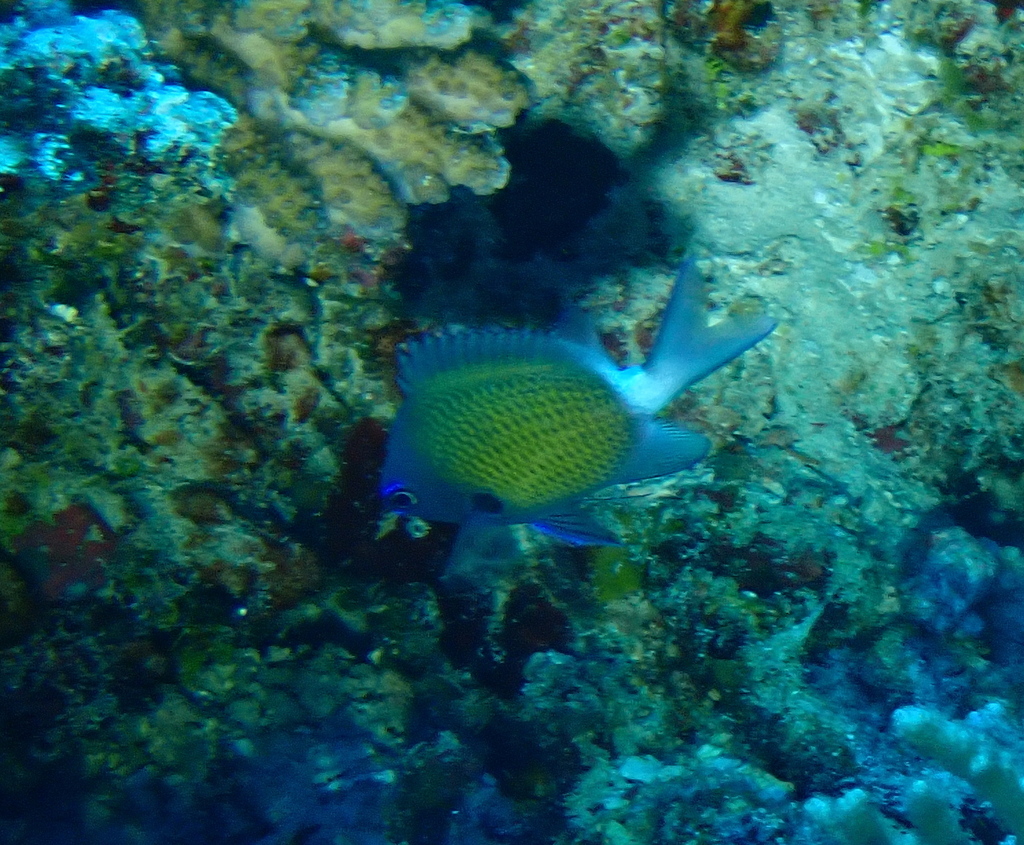 Stout chromis
Chromis chrysura
Sources and credits
Names and taxonomy: WoRMS (CC BY 4.0) and the GBIF Backbone (CC BY 4.0). Photos: iNaturalist observers, each under the licence shown (CC0, CC BY or CC BY-SA).
- Depth, temperature, months and maps: records from OBIS and GBIF under CC0 or CC BY.
- Descriptions: Wikipedia, licensed CC BY-SA, each linked to its article.
- Conservation status as published by GBIF (IUCN Red List).
- 1,461 open-data records from 1963 to 2022.
- Species data updated November 9, 2026.
Log what you see on your next dive
The free DiveHive diver app keeps your logbook with every sighting and shows what lives at the site you dive next.