
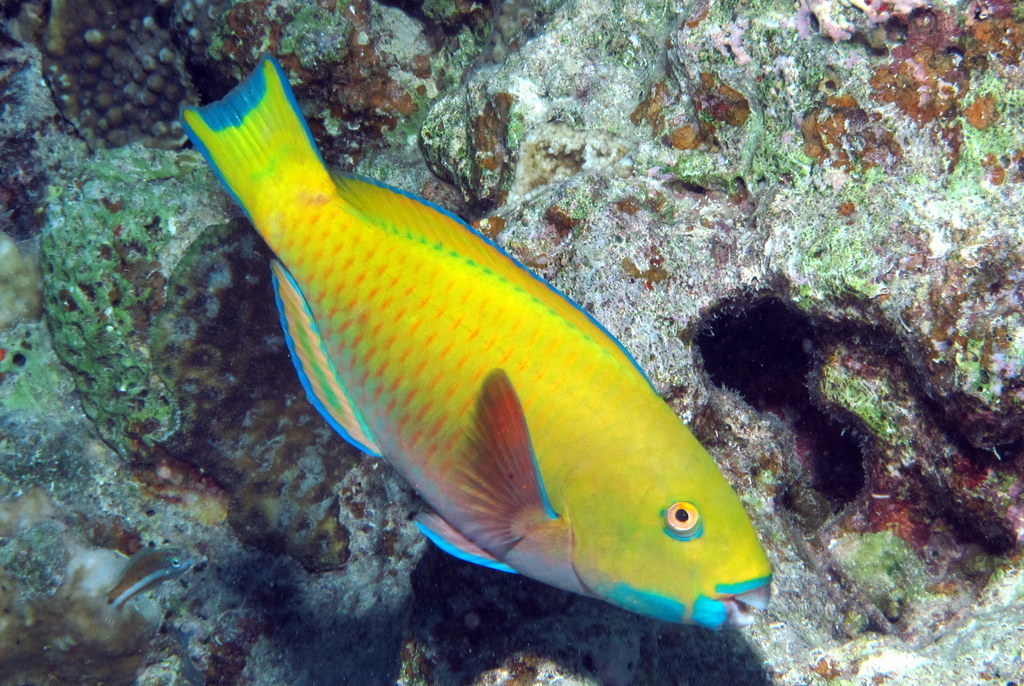
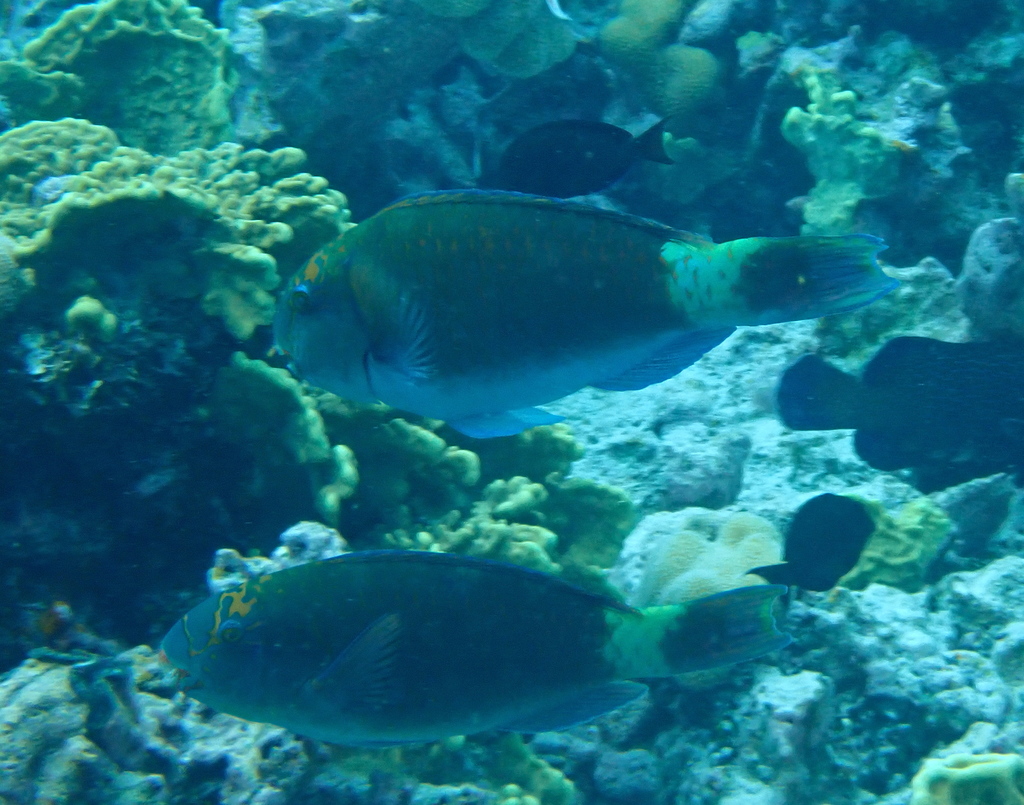
Gibbus Parrotfish
Chlorurus gibbus
- Usual depth3–24 m
- Water temperature24–30 °C
- Best monthsJanuary, August, and October
- How commonOccasional
Photo credit: (c) Derek Keats, some rights reserved (CC BY) · CC BY · flickr.com
About this species
Chlorurus gibbus, commonly known as the heavybeak parrotfish, gibbus parrotfish or Red Sea steephead parrotfish, is a species of marine ray-finned fish, a parrotfish from the family Scaridae. It is found in the Red Sea.
Text from the Wikipedia article “Chlorurus gibbus”, licensed CC BY-SA 4.0. Read the article
Where and when
Where it has been recorded
Worldwide
Best months
Worldwide (open data)
- January: 79 records
- February: 23 records
- March: 41 records
- April: 35 records
- May: 36 records
- June: 42 records
- July: 71 records
- August: 80 records
- September: 37 records
- October: 98 records
- November: 56 records
- December: 48 records
Depth and water temperature
Depth
Mostly recorded at 3–24 m · Deepest record: 25 m
Water temperature
Recorded in surface water of 24–30 °C
Photos
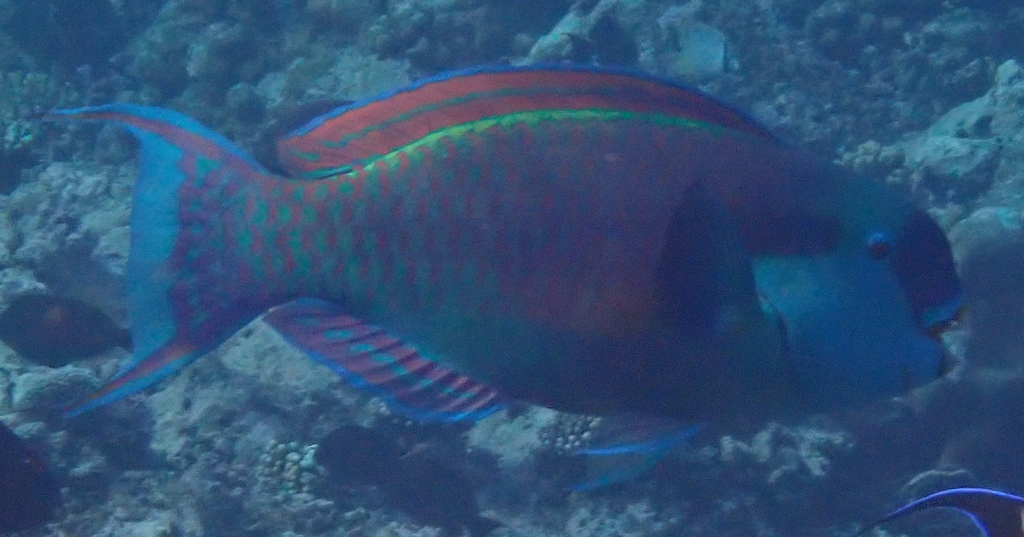
(c) Jan Ebr & Ivana Ebrová, some rights reserved (CC BY) · CC BY · iNaturalist 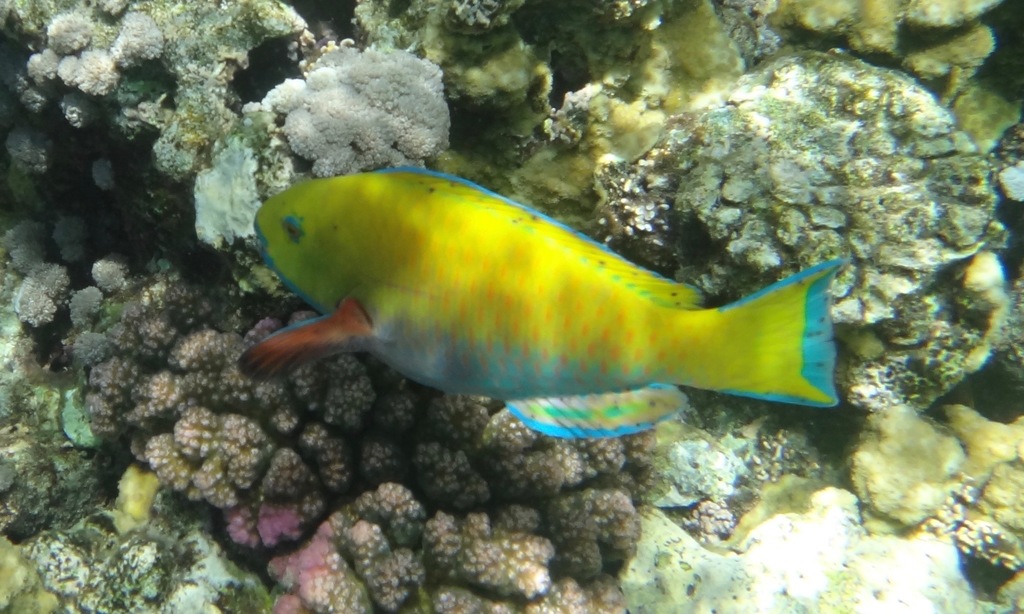
(c) Grete Pasch, some rights reserved (CC BY) · CC BY · iNaturalist 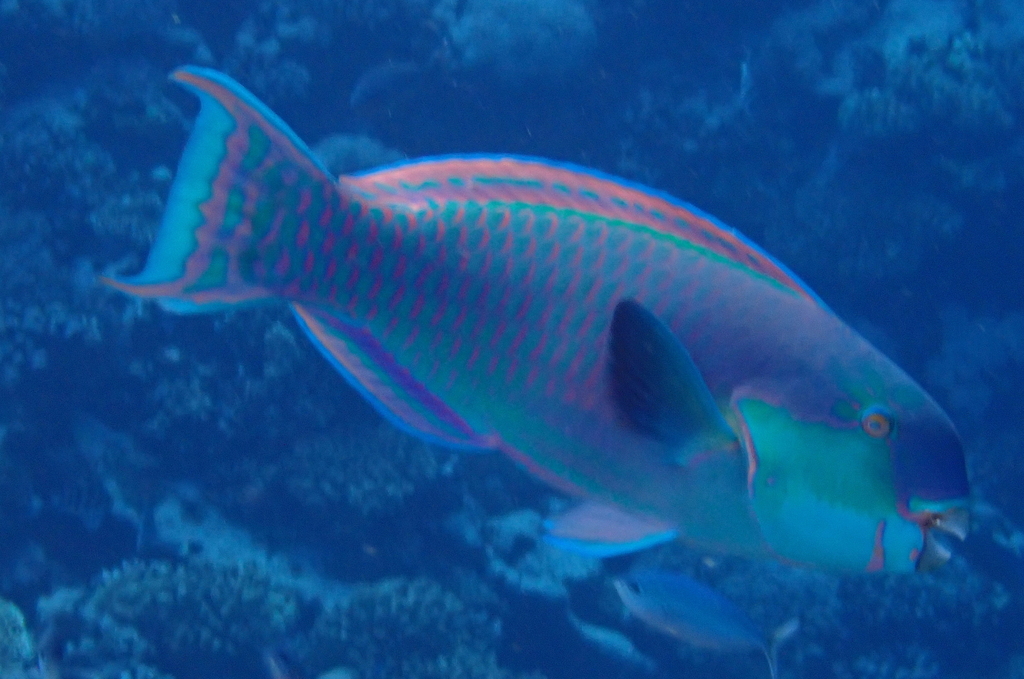
(c) Jan Ebr & Ivana Ebrová, some rights reserved (CC BY) · CC BY · iNaturalist 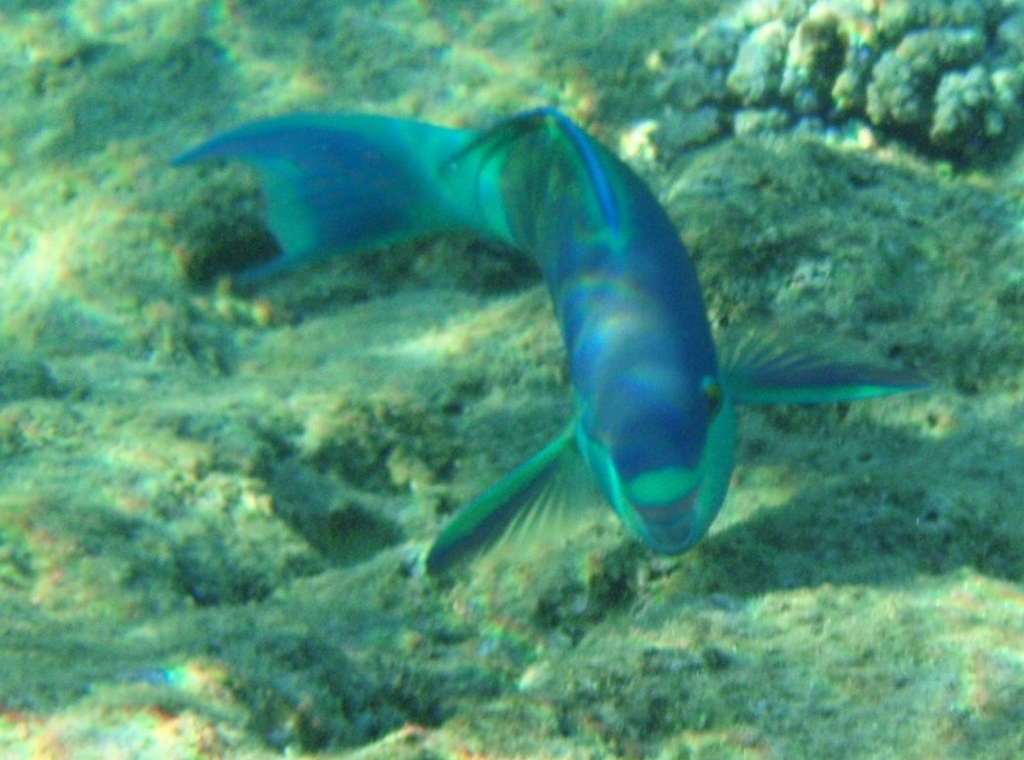
(c) Micha Baum, some rights reserved (CC BY-SA) · CC BY-SA · iNaturalist 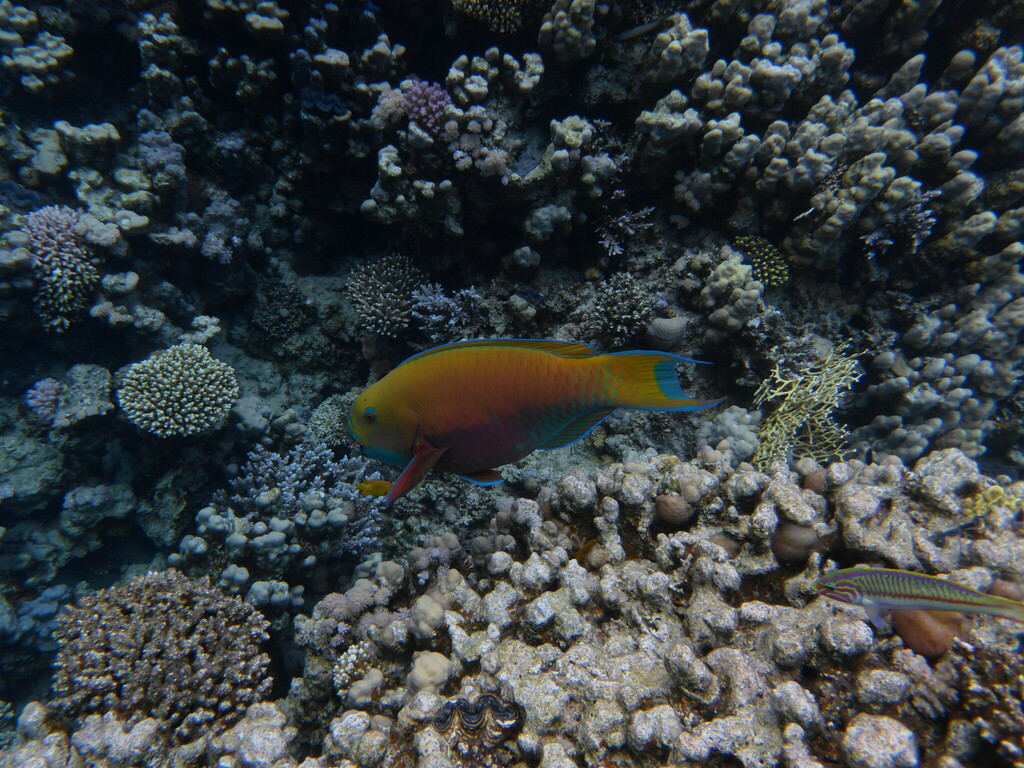
(c) Michael Bakker Paiva, some rights reserved (CC BY) · CC BY · iNaturalist 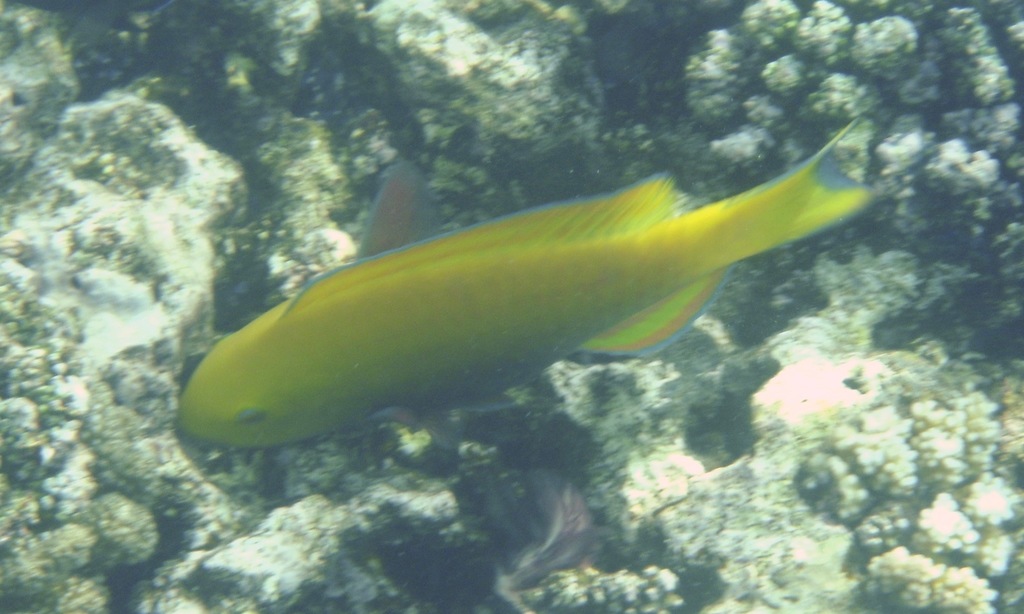
(c) Grete Pasch, some rights reserved (CC BY) · CC BY · iNaturalist 
(c) Dr. Guido Bohne, some rights reserved (CC BY-SA) · CC BY-SA · iNaturalist
Names and classification
- English
- Gibbus Parrotfish, Heavybeak parrotfish, Red Sea Steephead Parrotfish, steepheaded parrotfish
Names in 3 more languages
- German
- Rotmeer Buckelkopf-Papageifisch
- Spanish
- Loro Dentón
- French
- Perroquet machoîron, Perroquet mâchoiron
Other scientific names: Chlorurus gibbosus, Scarus gibbus
Similar species
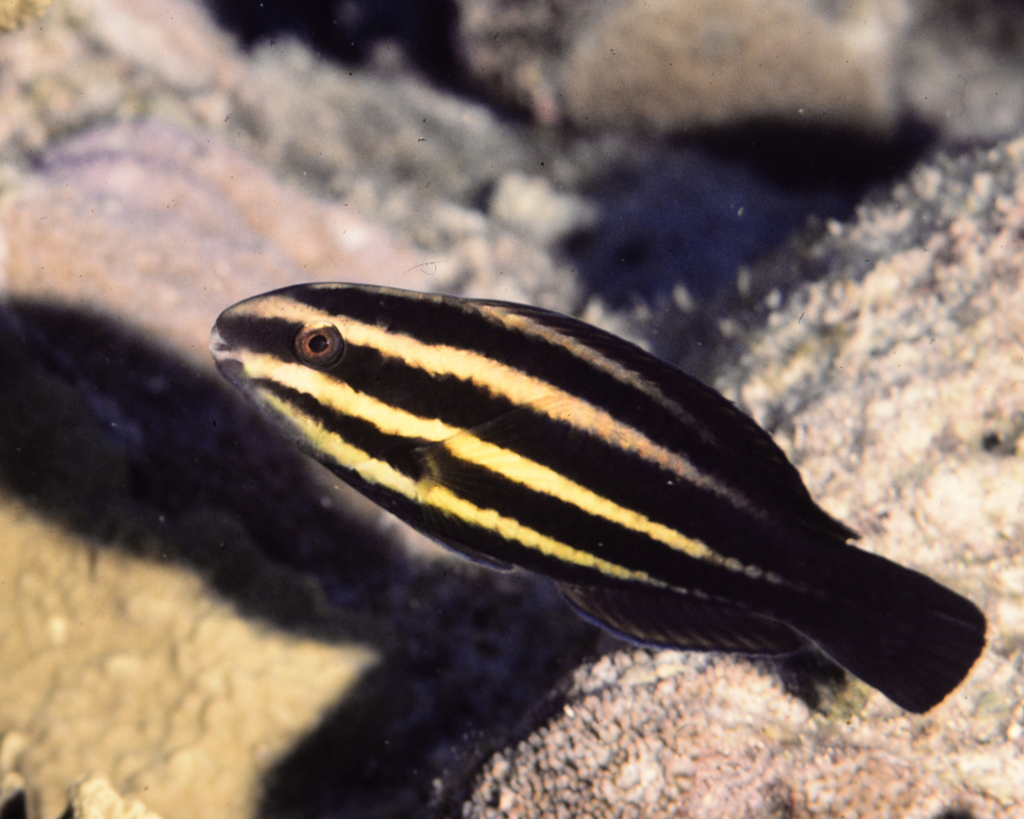 Blunt-head Parrotfish
Chlorurus microrhinos
 Spectacled Parrotfish
Chlorurus perspicillatus
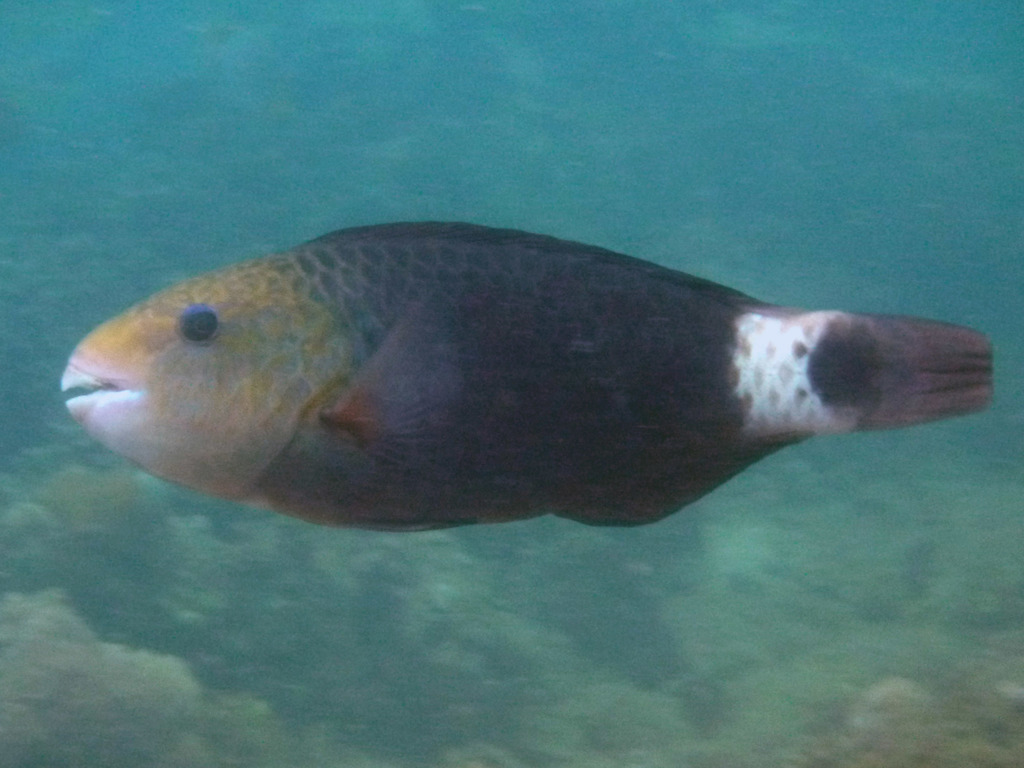 bullethead parrotfish
Chlorurus sordidus
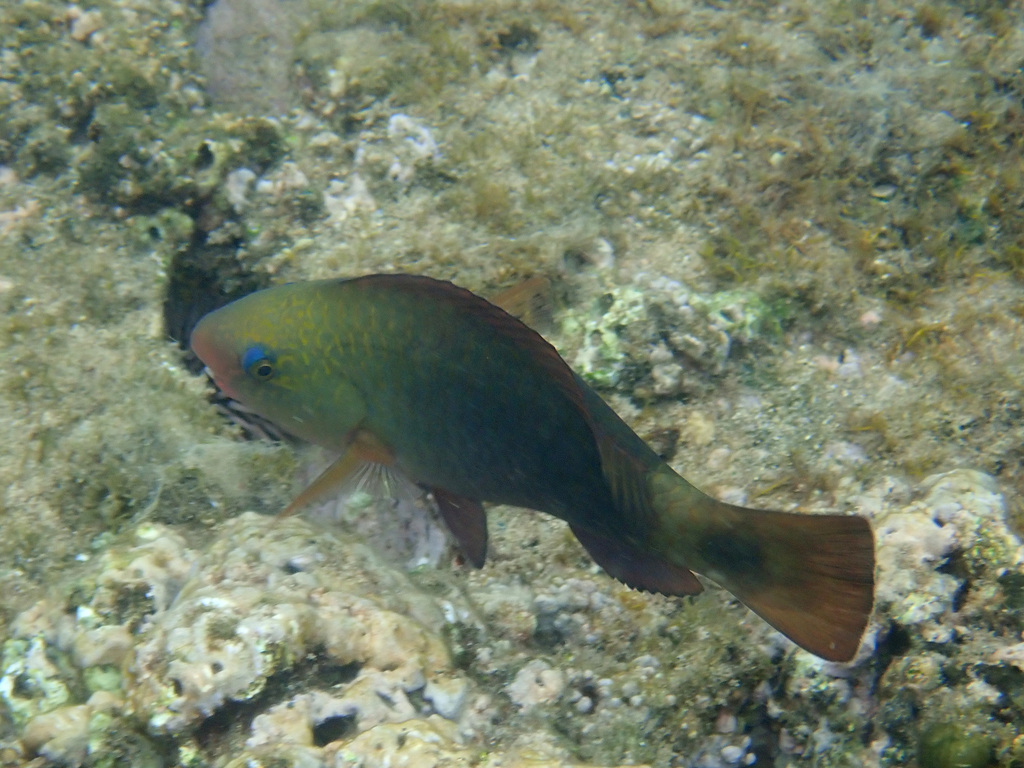 Bullethead Parrotfish
Chlorurus spilurus
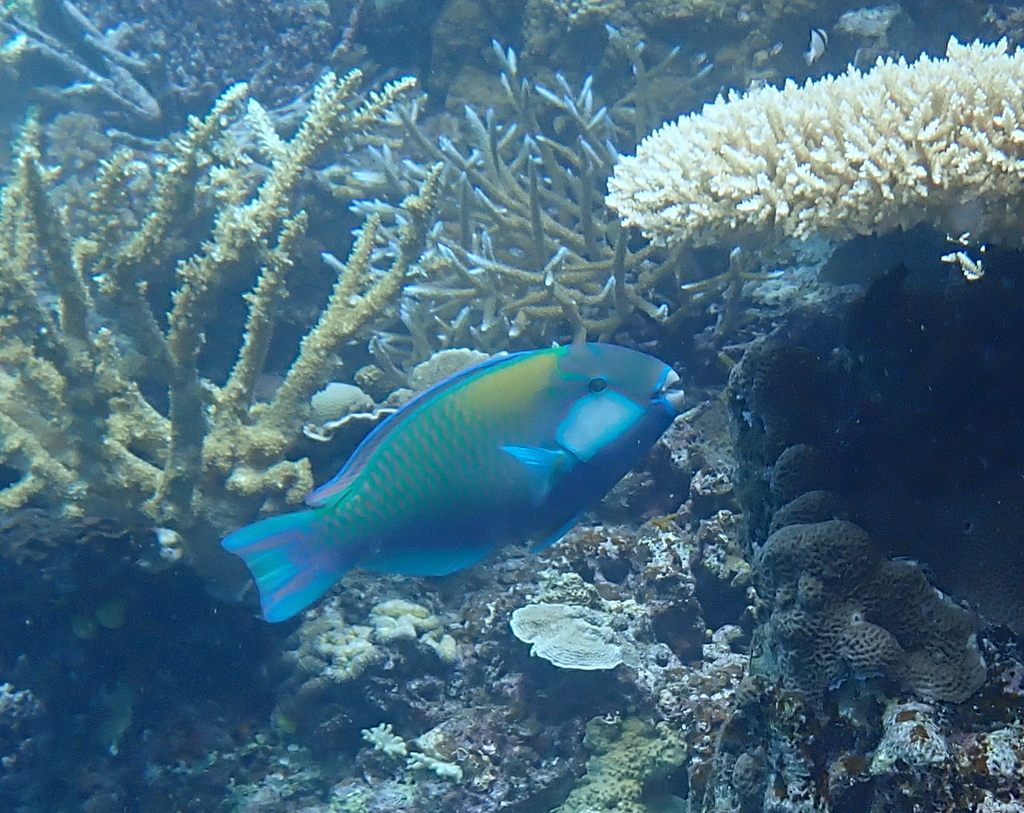 Bleeker's parrotfish
Chlorurus bleekeri
 Pacific Slopehead Parrotfish
Chlorurus frontalis
Sources and credits
Names and taxonomy: WoRMS (CC BY 4.0) and the GBIF Backbone (CC BY 4.0). Photos: iNaturalist observers, each under the licence shown (CC0, CC BY or CC BY-SA).
- Depth, temperature, months and maps: records from OBIS and GBIF under CC0 or CC BY.
- Descriptions: Wikipedia, licensed CC BY-SA, each linked to its article.
- Conservation status as published by GBIF (IUCN Red List).
- 214 open-data records from 1829 to 2023.
- Species data updated November 1, 2026.
Log what you see on your next dive
The free DiveHive diver app keeps your logbook with every sighting and shows what lives at the site you dive next.