
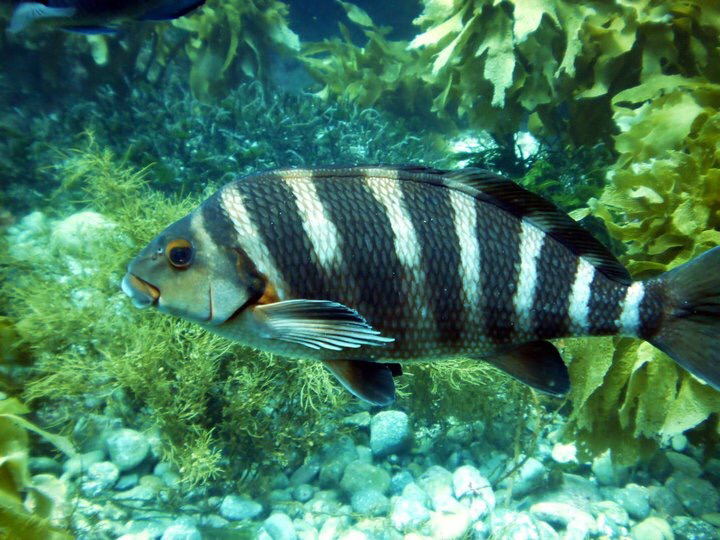
Banded Morwong
Chirodactylus spectabilis
- Usual depth5–20 m
- Water temperature10–21 °C
- Best monthsFebruary, March, and November
- How commonOccasional
Photo credit: no rights reserved, uploaded by Jaco Grundling · CC0 1.0 · iNaturalist
About this species
The red moki also known as the banded morwong, brown-banded morwong, carp or nanua is a species of marine ray-finned fish, traditionally regarded as belonging to the family Cheilodactylidae, commonly referred to as morwongs. It is found off southern Australia and the North Island of New Zealand.
Text from the Wikipedia article “Red moki”, licensed CC BY-SA 4.0. Read the article
Where and when
Where it has been recorded
Worldwide
Best months
Worldwide (open data)
- January: 183 records
- February: 218 records
- March: 273 records
- April: 180 records
- May: 155 records
- June: 184 records
- July: 35 records
- August: 21 records
- September: 59 records
- October: 193 records
- November: 229 records
- December: 178 records
Depth and water temperature
Depth
Mostly recorded at 5–20 m · Deepest record: 41.5 m
Water temperature
Recorded in surface water of 10–21 °C
Photos
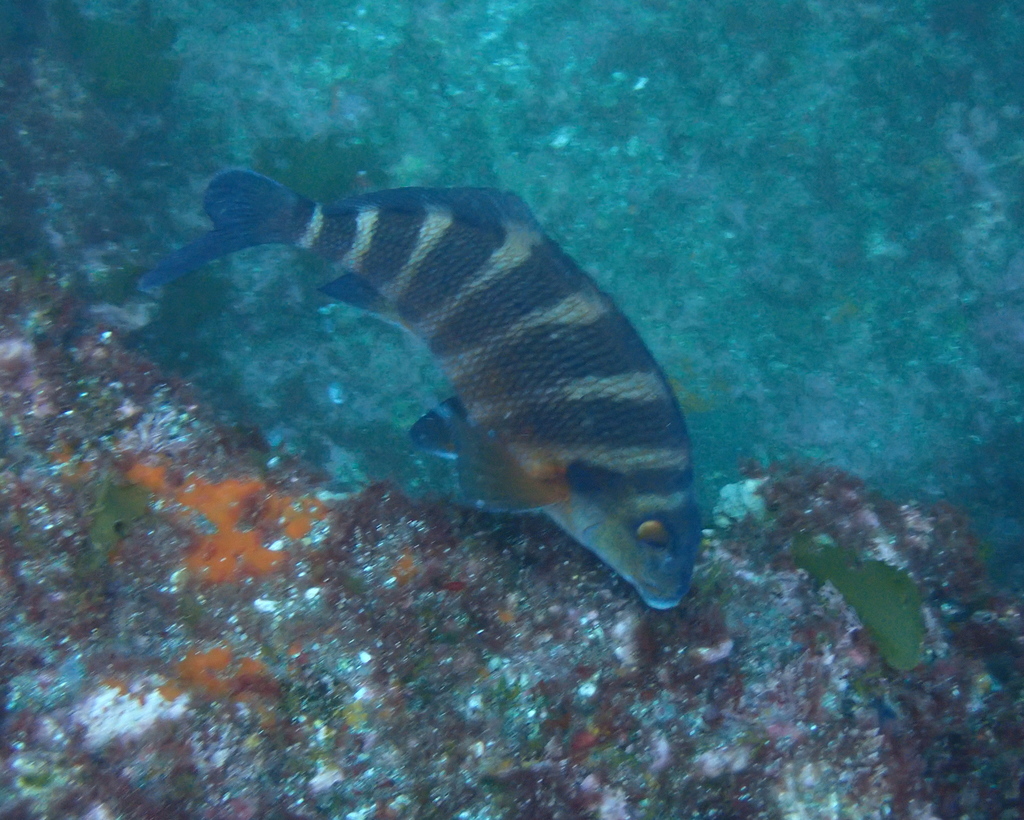
(c) Debra Baker, some rights reserved (CC BY) · CC BY · iNaturalist 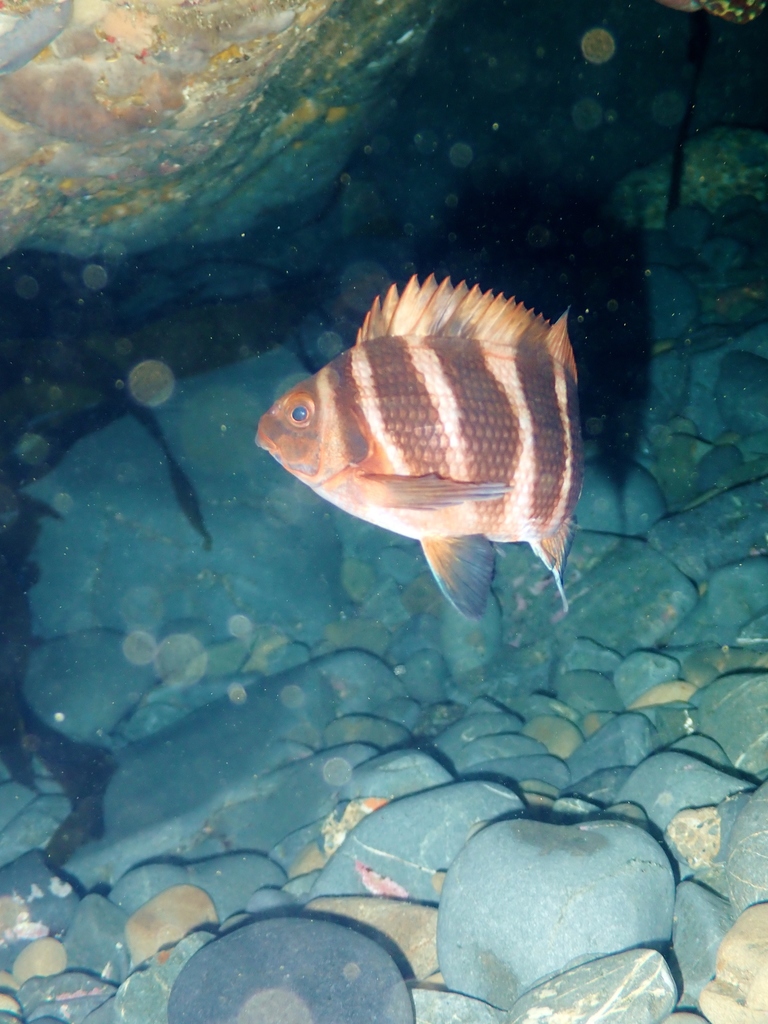
(c) Luca Davenport-Thomas, some rights reserved (CC BY) · CC BY · iNaturalist 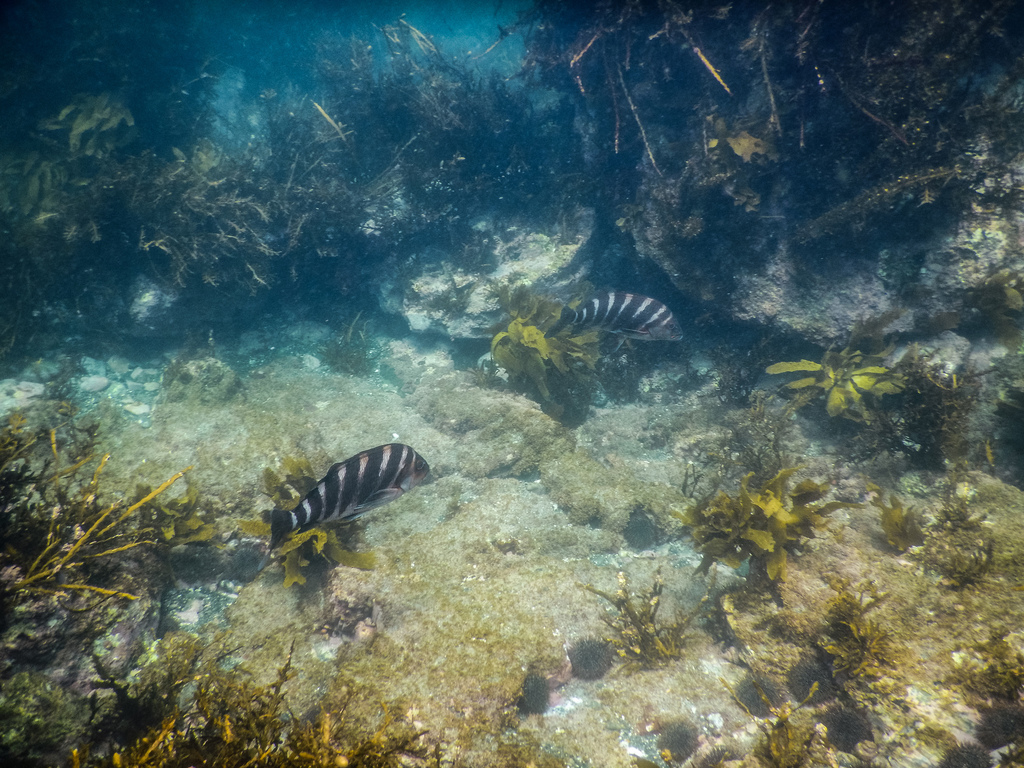
(c) Shaun Lee, some rights reserved (CC BY) · CC BY · iNaturalist 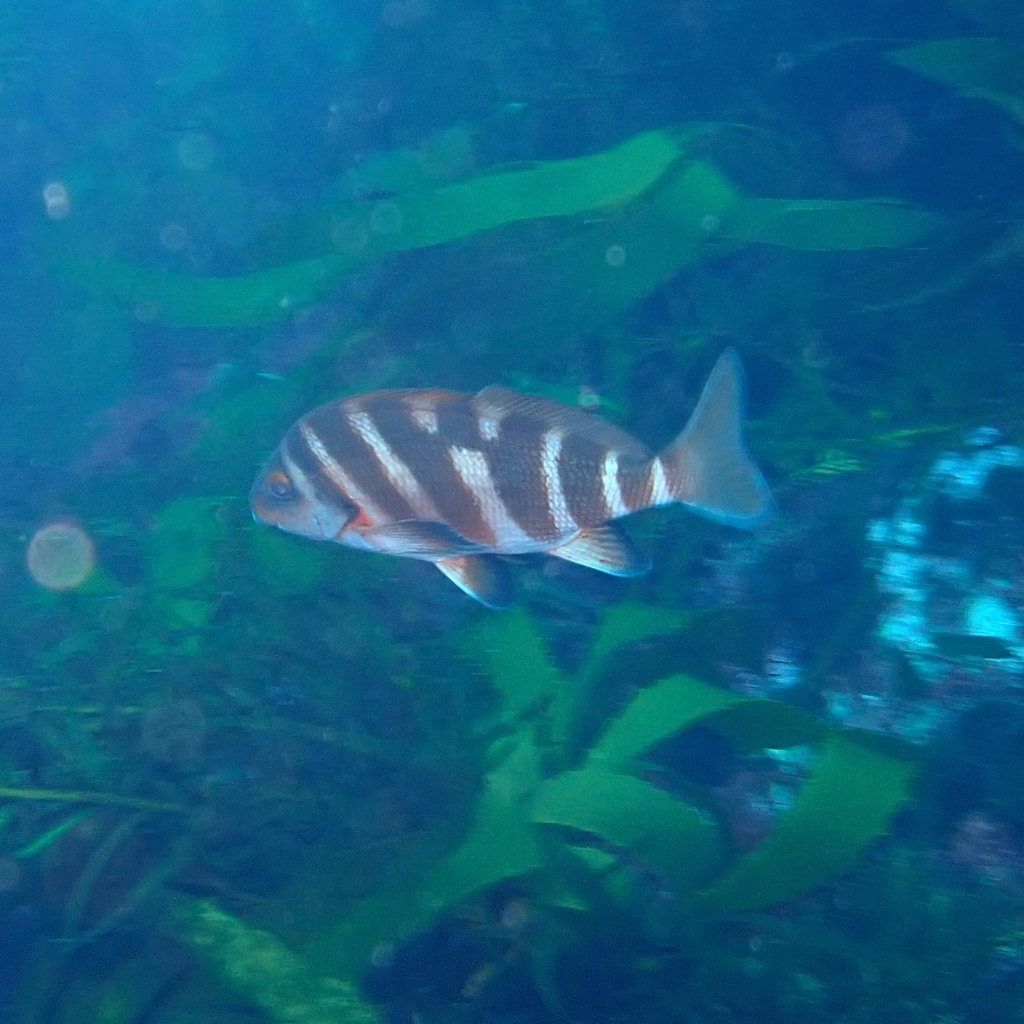
(c) Luke Lythgoe, some rights reserved (CC BY) · CC BY · iNaturalist 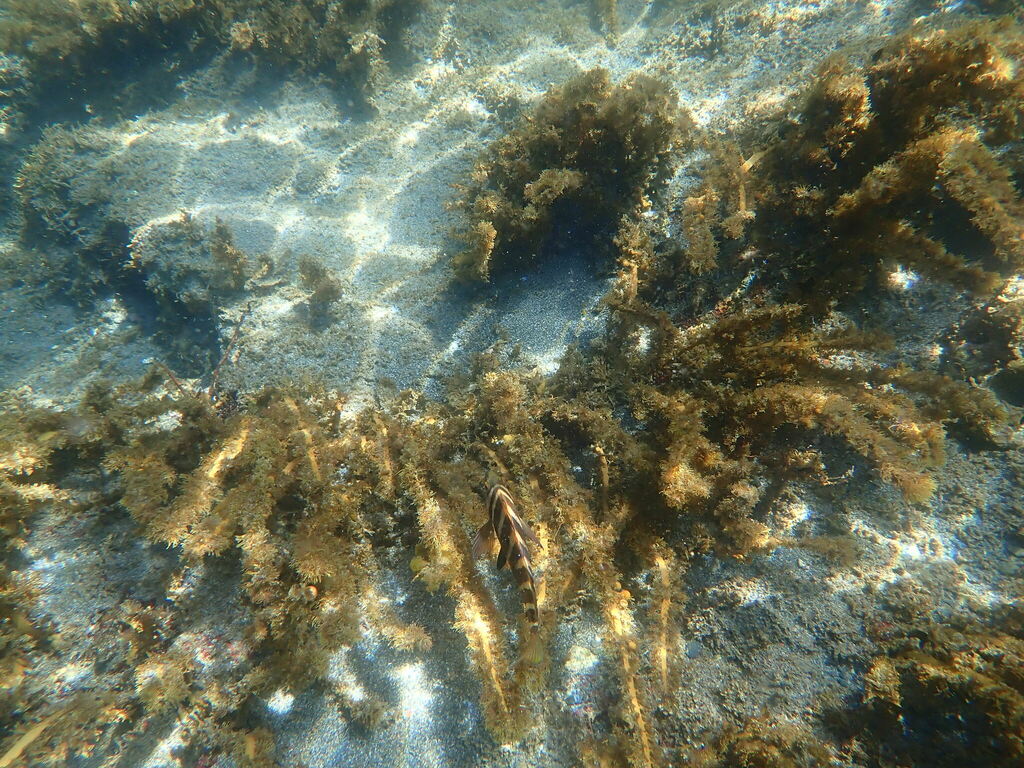
(c) Leon Perrie, some rights reserved (CC BY) · CC BY · iNaturalist 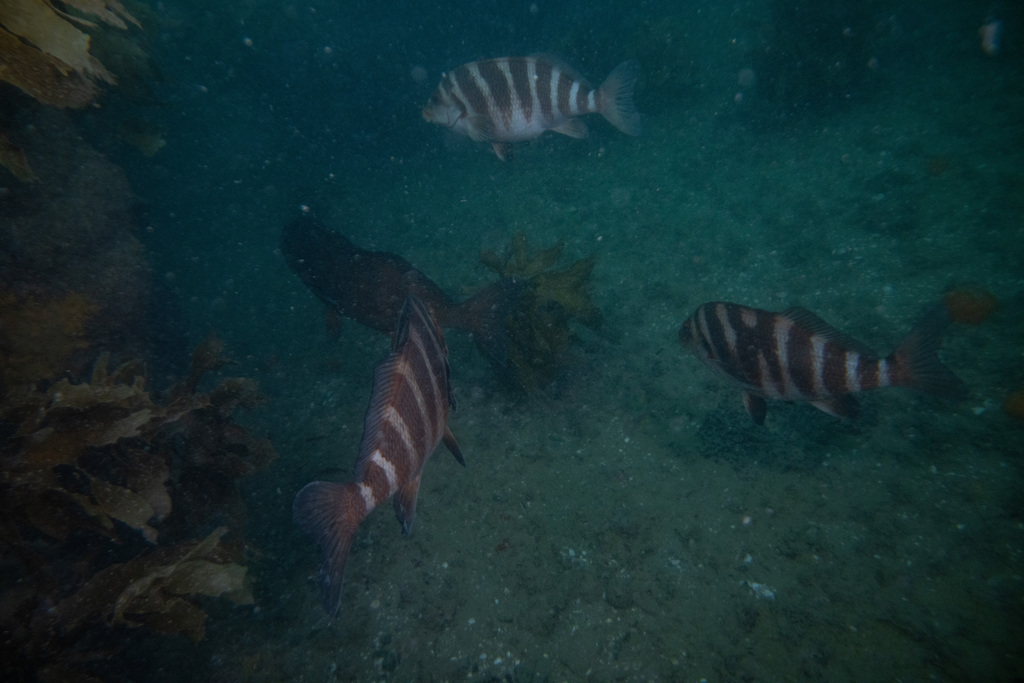
(c) Shaun Lee, some rights reserved (CC BY) · CC BY · iNaturalist 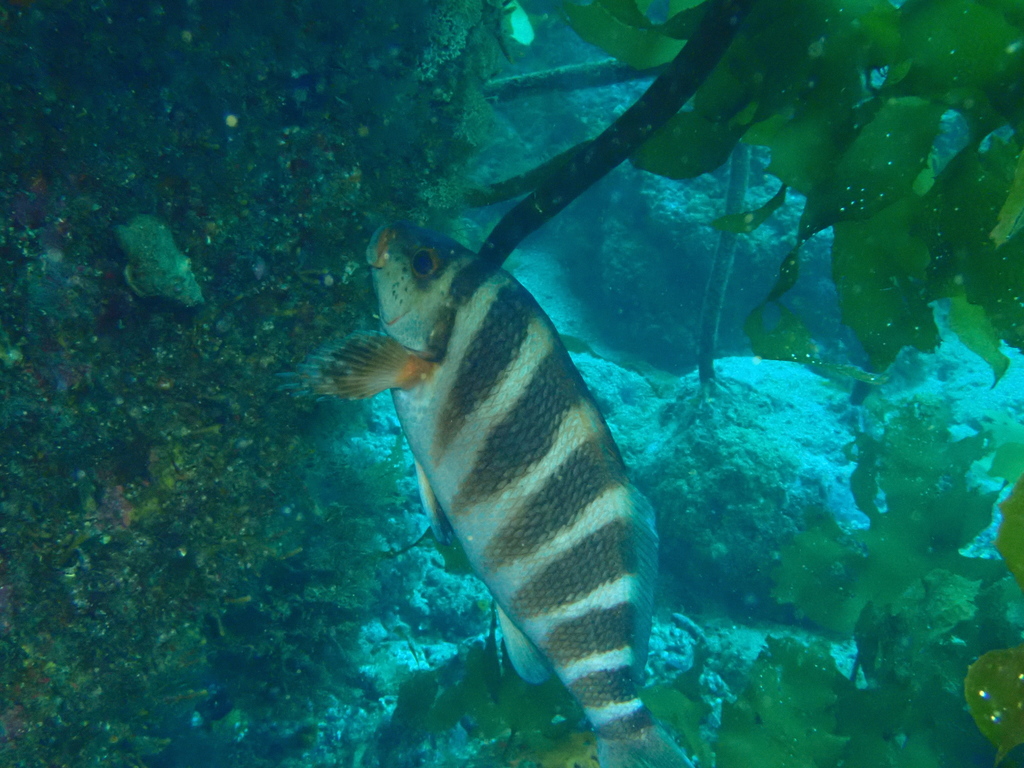
(c) Debra Baker, some rights reserved (CC BY) · CC BY · iNaturalist
Names and classification
- English
- Banded Morwong, Brown-banded Morwong, Brownbanded Morwong, Carp, Nanua, Red Moki
Other scientific names: Cheilodactylus allporti, Cheilodactylus asper, Cheilodactylus rubrofasciatus, Cheilodactylus spectabilis, Chilodactylus allporti, Chilodactylus asper, Chironemus spectabilis, Goniistius spectabilis
Similar species
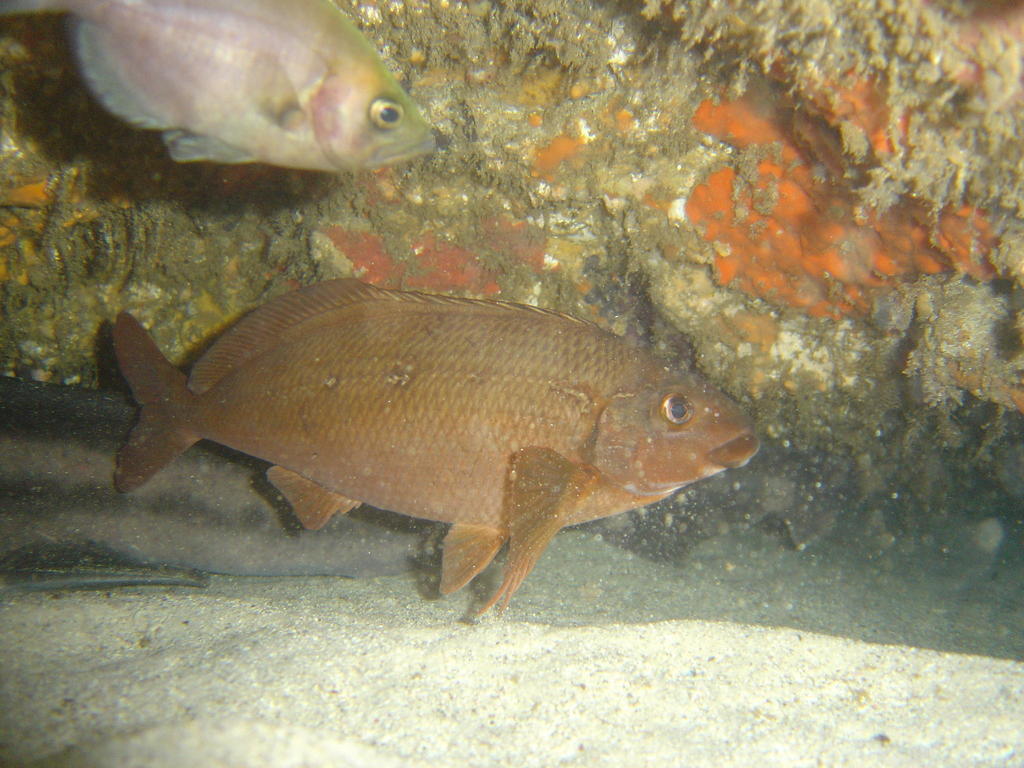 Two-tone fingerfin
Chirodactylus brachydactylus
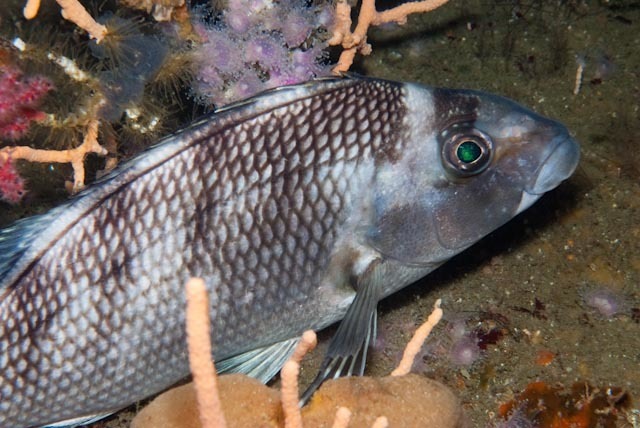 Bank Steenbras
Chirodactylus grandis
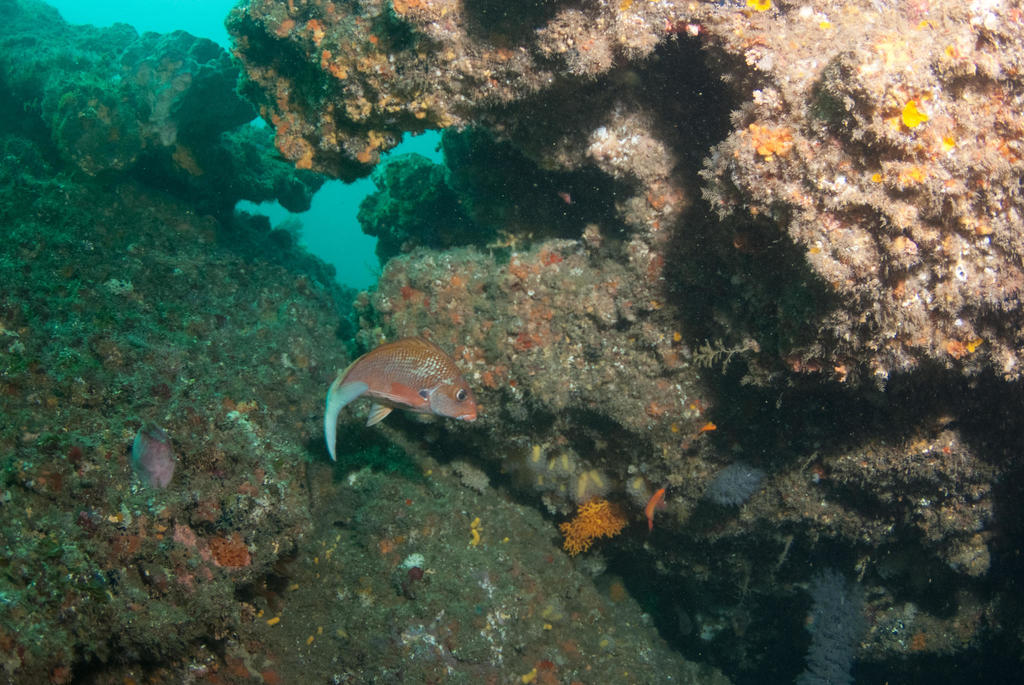 Natal Fingerfin
Chirodactylus jessicalenorum
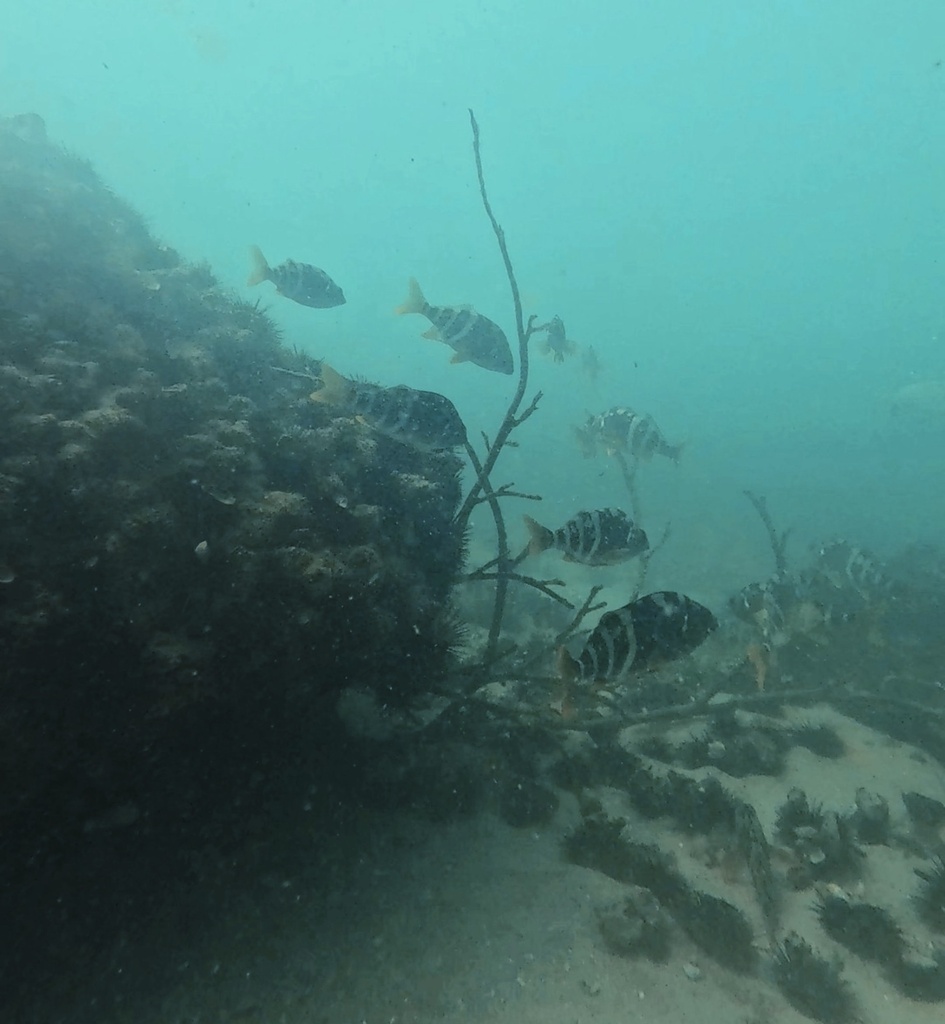 Breca
Chirodactylus variegatus
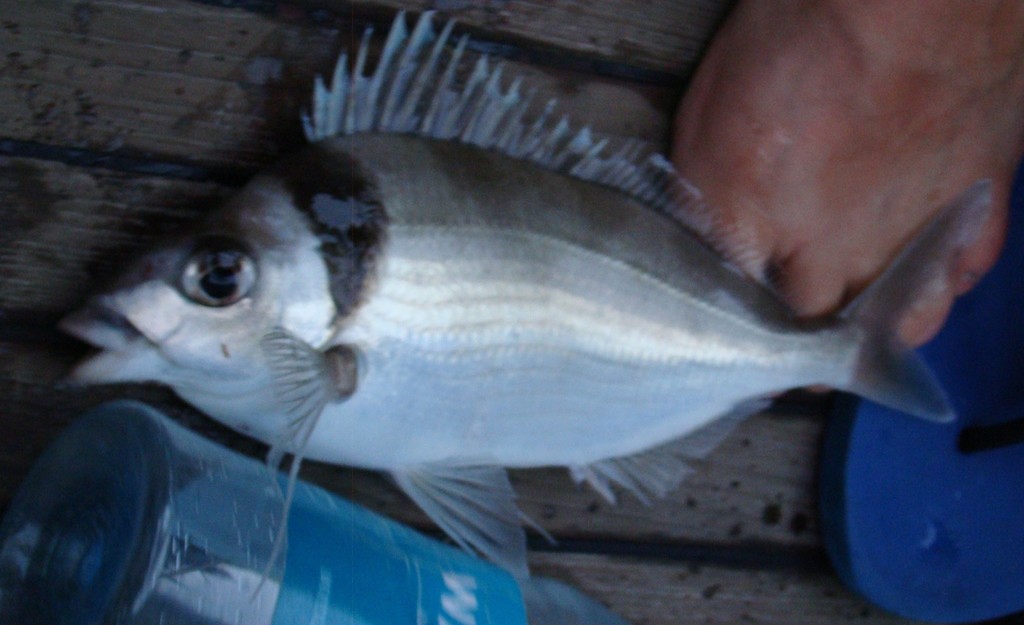 Deep Sea Perch
Nemadactylus macropterus
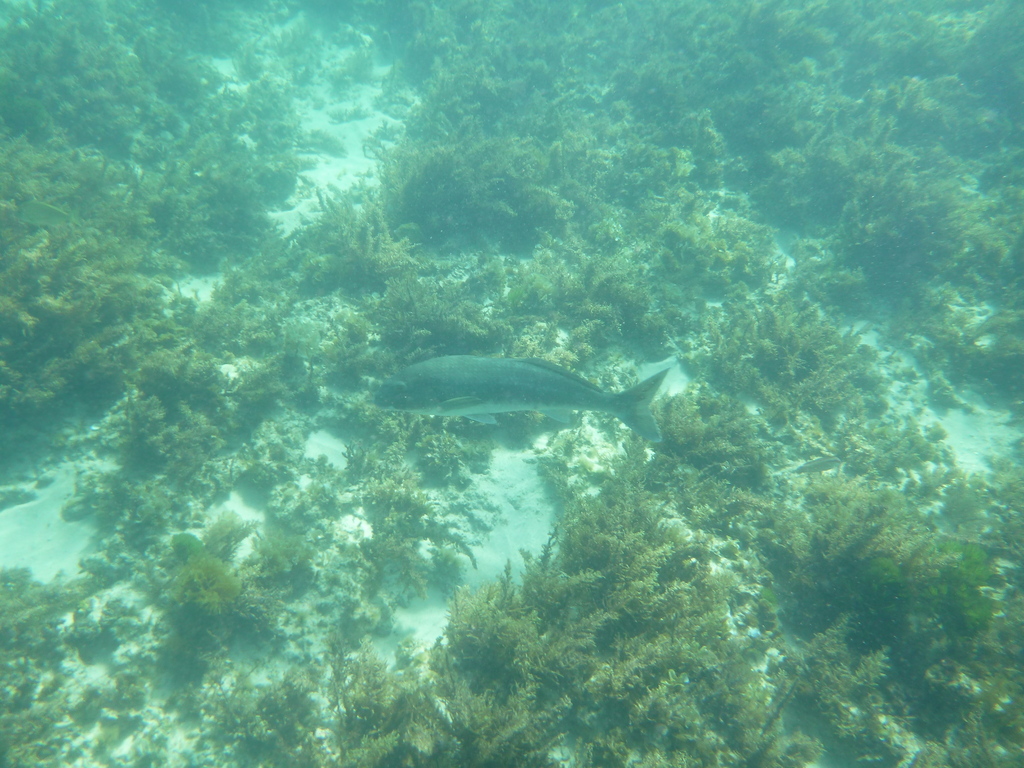 Black Butterfish
Dactylophora nigricans
Sources and credits
Names and taxonomy: WoRMS (CC BY 4.0) and the GBIF Backbone (CC BY 4.0). Photos: iNaturalist observers, each under the licence shown (CC0, CC BY or CC BY-SA).
- Depth, temperature, months and maps: records from OBIS and GBIF under CC0 or CC BY.
- Descriptions: Wikipedia, licensed CC BY-SA, each linked to its article.
- Conservation status as published by GBIF (IUCN Red List).
- 1,279 open-data records from 1961 to 2023.
- Species data updated November 1, 2026.
Log what you see on your next dive
The free DiveHive diver app keeps your logbook with every sighting and shows what lives at the site you dive next.