
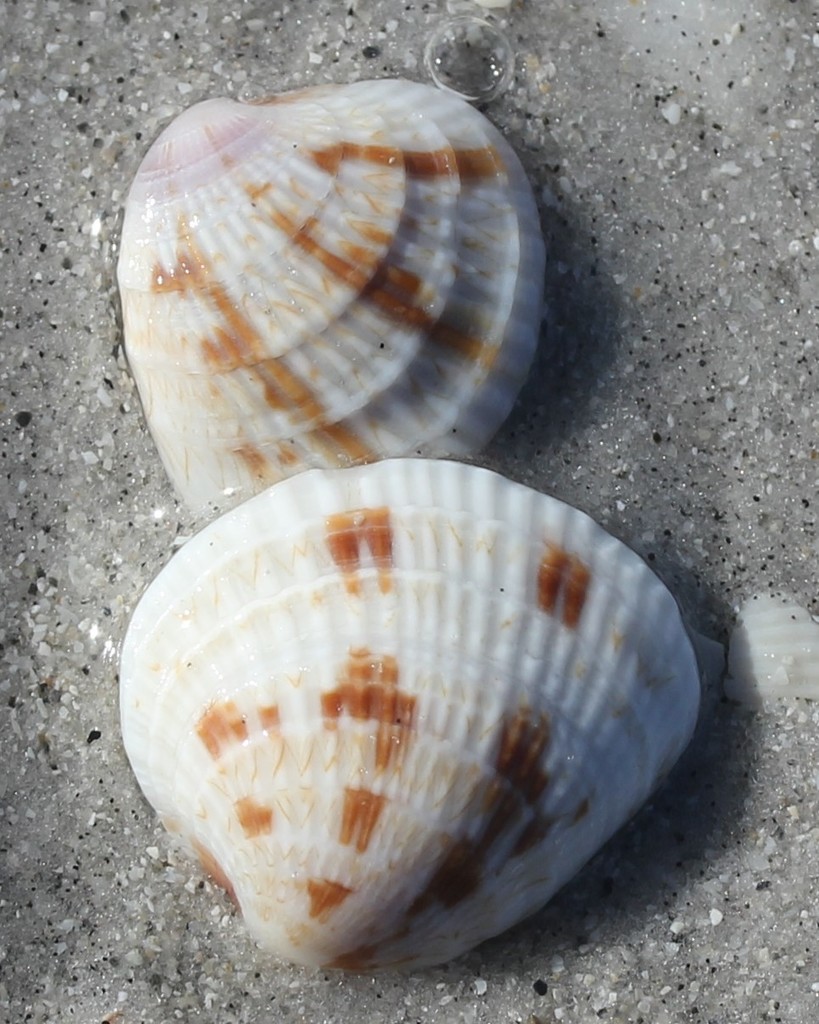
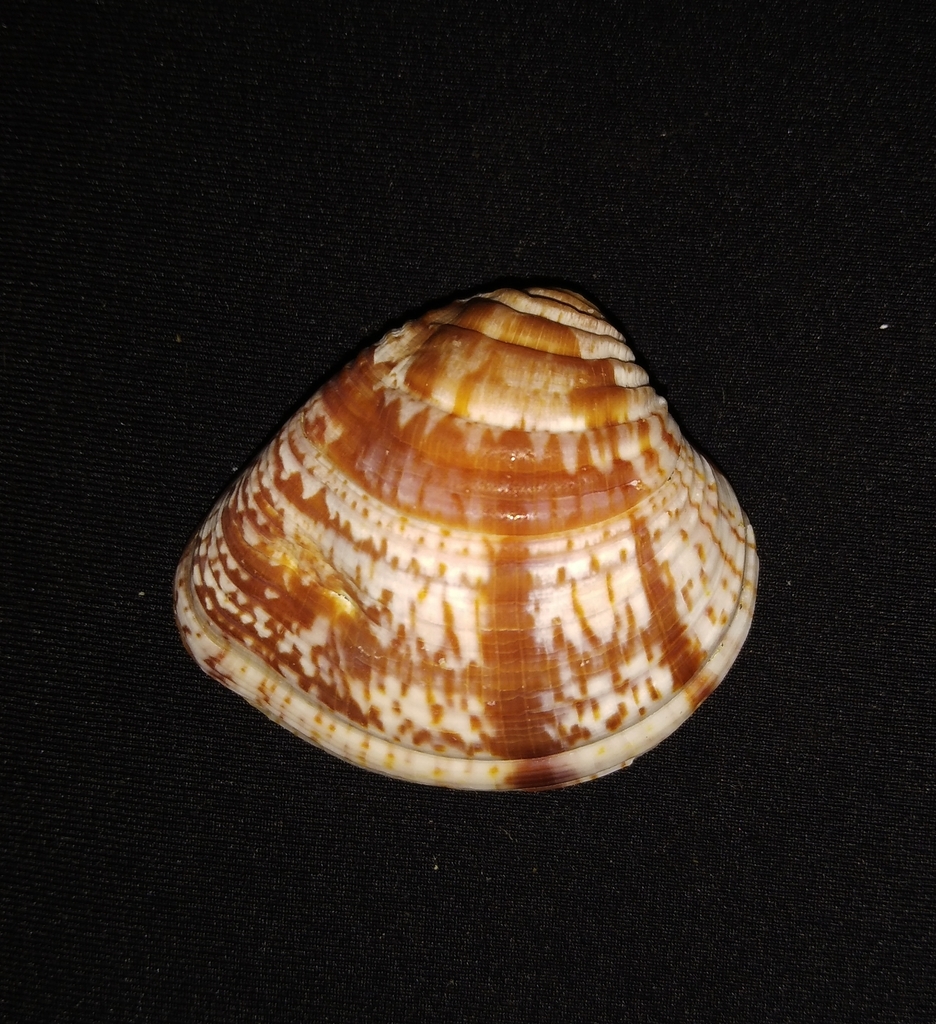
Florida Cross-barred Venus
Chione elevata
- Usual depth0–18 m
- Water temperature22–28 °C
- Best monthsApril, June, and December
- How commonOccasional
Photo credit: (c) Even Dankowicz, some rights reserved (CC BY), uploaded by Even Dankowicz · CC BY · iNaturalist
About this species
Chione elevata, the Florida cross-barred venus, is a species of bivalve in the family Veneridae which is often confused which another species, Chione cancellata, which has a more southern distribution.
Text from the Wikipedia article “Chione elevata”, licensed CC BY-SA 4.0. Read the article
Where and when
Where it has been recorded
Worldwide
Best months
Worldwide (open data)
- January: 462 records
- February: 327 records
- March: 454 records
- April: 595 records
- May: 449 records
- June: 568 records
- July: 431 records
- August: 435 records
- September: 301 records
- October: 257 records
- November: 308 records
- December: 580 records
Depth and water temperature
Depth
Mostly recorded at 0–18 m · Deepest record: 73.1 m
Water temperature
Recorded in surface water of 22–28 °C
Photos
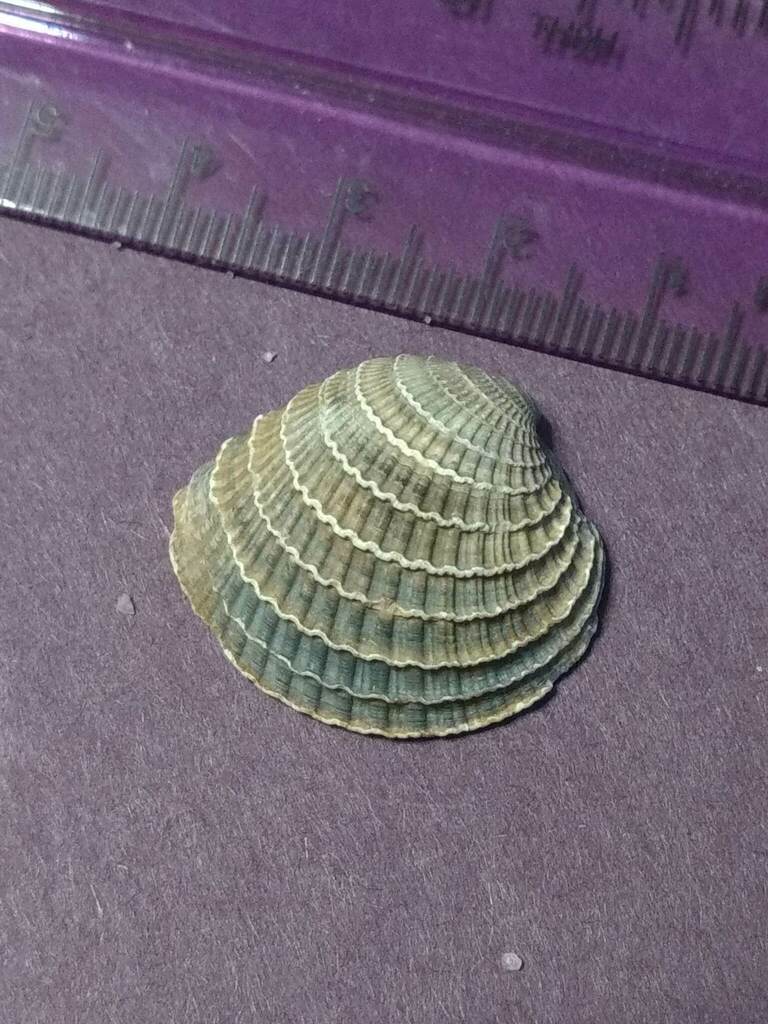
(c) Michele Jones, some rights reserved (CC BY) · CC BY · iNaturalist 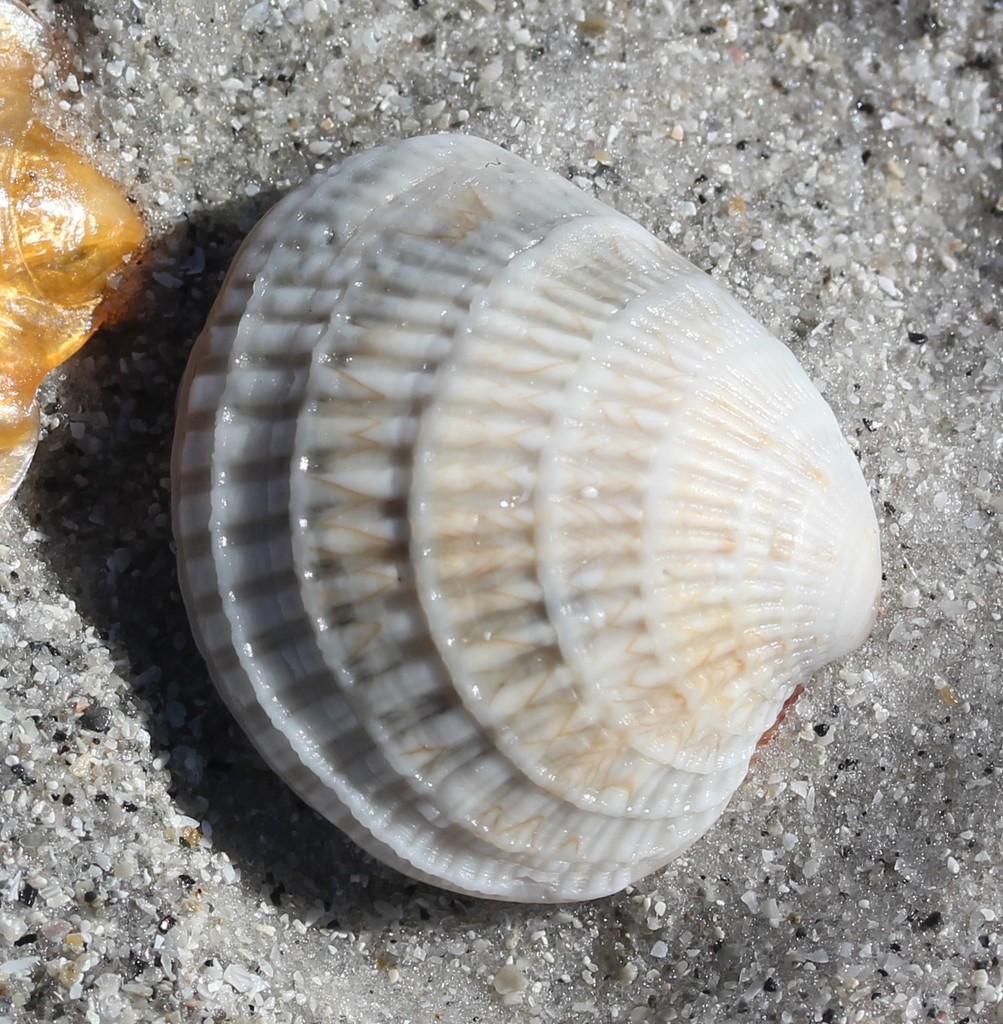
(c) Even Dankowicz, some rights reserved (CC BY) · CC BY · iNaturalist 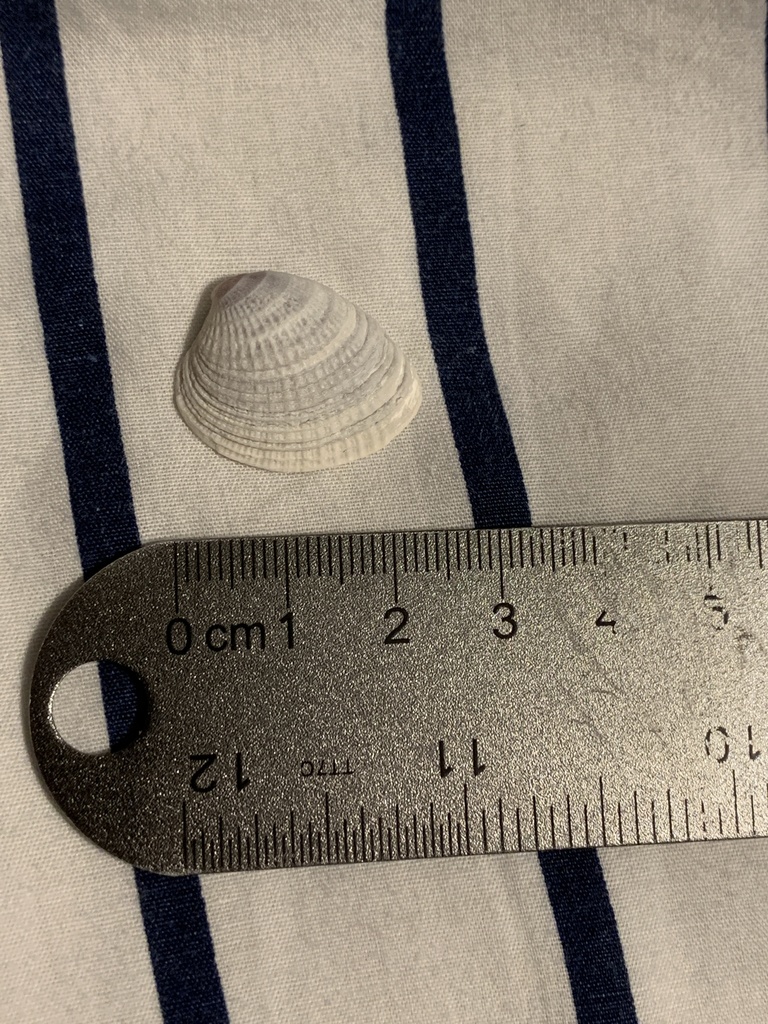
(c) gr0mmy, some rights reserved (CC BY) · CC BY · iNaturalist 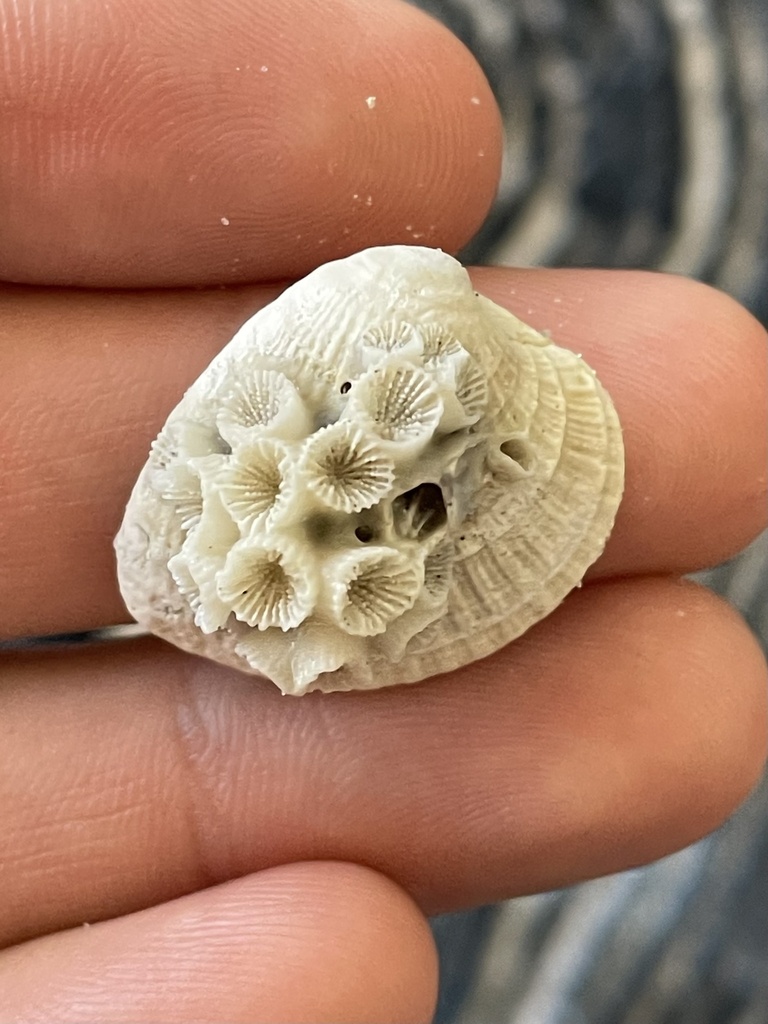
(c) Jacob Weston, some rights reserved (CC BY) · CC BY · iNaturalist 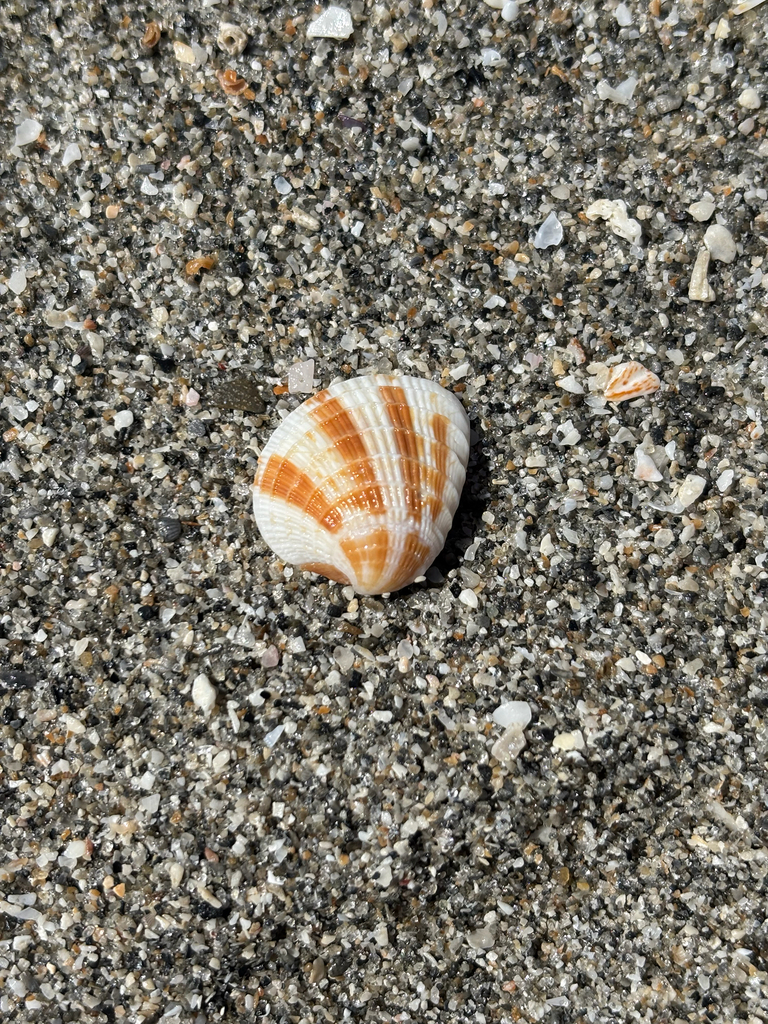
(c) Lisa Biasillo, some rights reserved (CC BY) · CC BY · iNaturalist 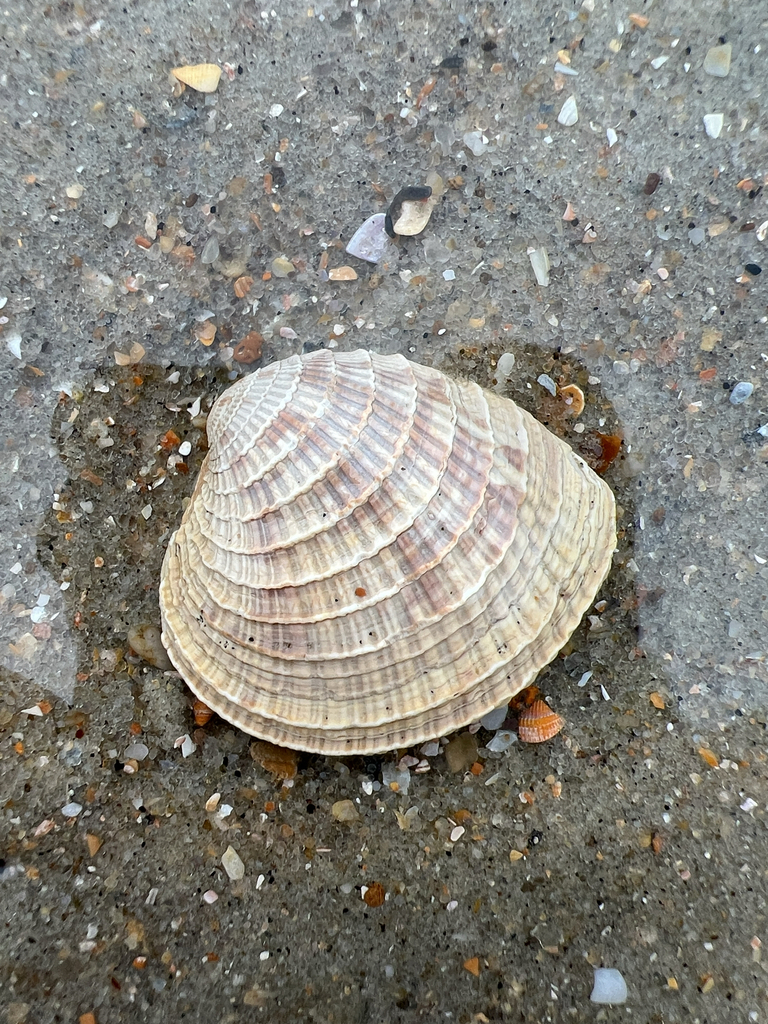
no rights reserved · CC0 1.0 · iNaturalist 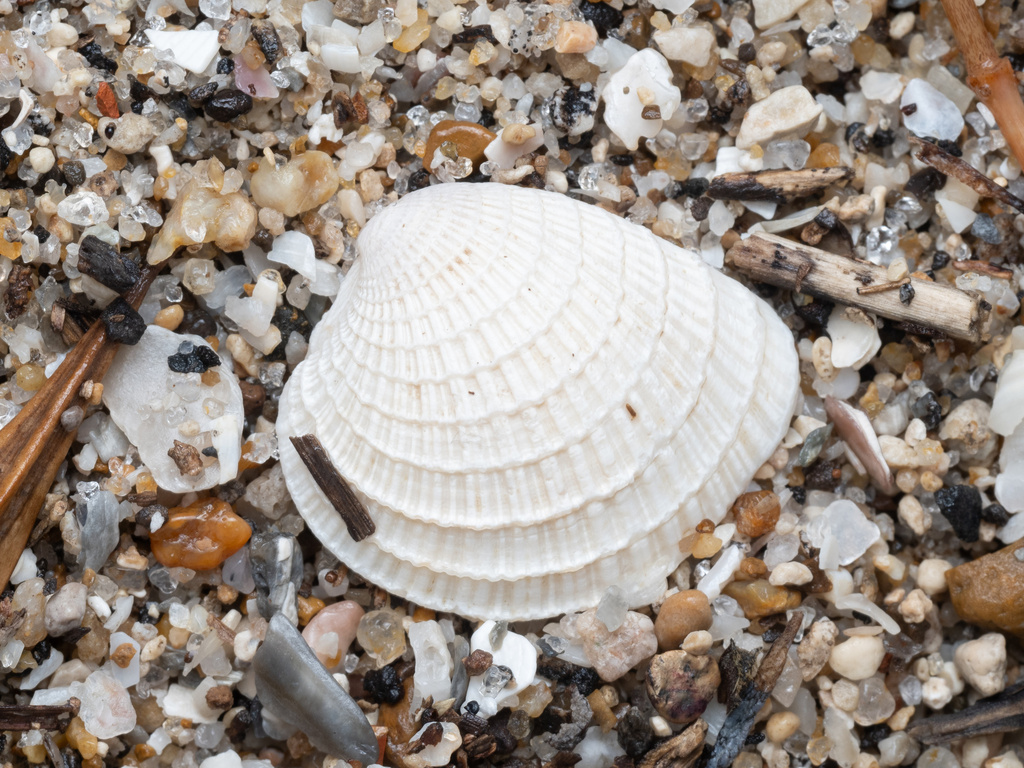
(c) Turner Brockman, some rights reserved (CC BY-SA) · CC BY-SA · iNaturalist
Names and classification
- English
- Florida Cross-barred Venus
Names in 1 more language
- Spanish
- Almeja Venus barrada
Other scientific names: Venus elevata
Similar species
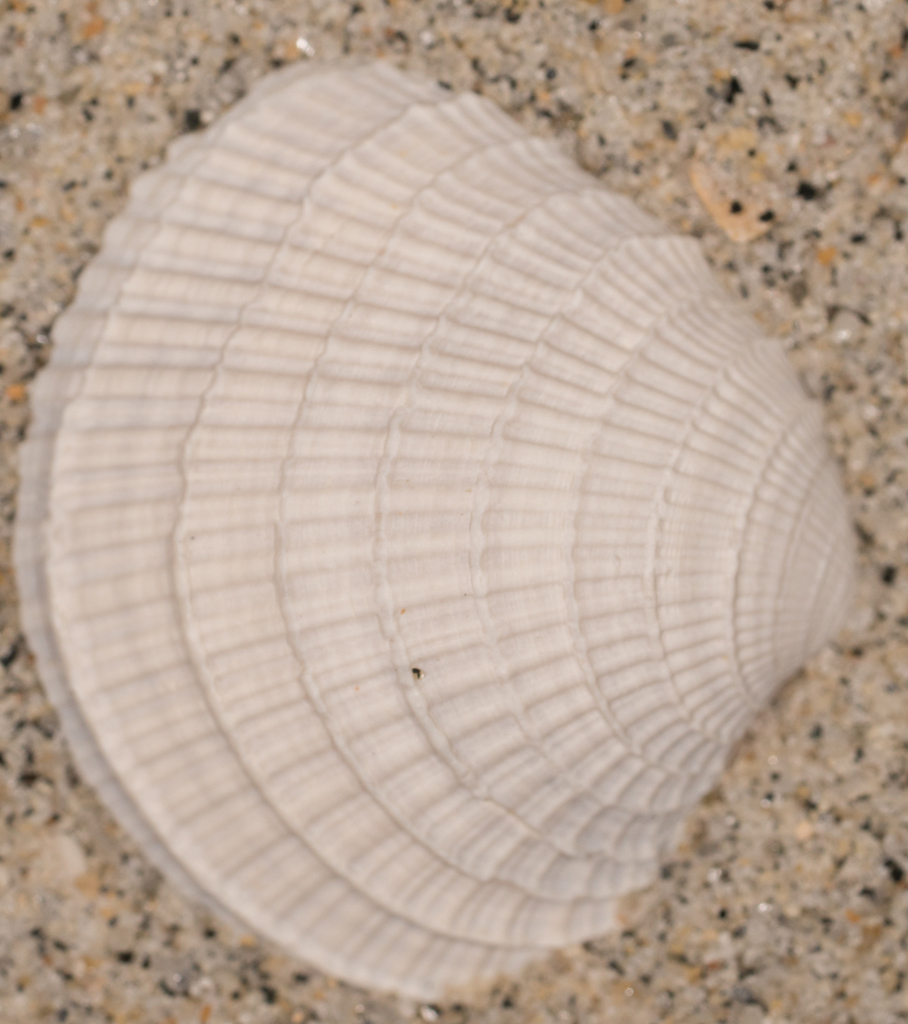 California venus
Chione californiensis
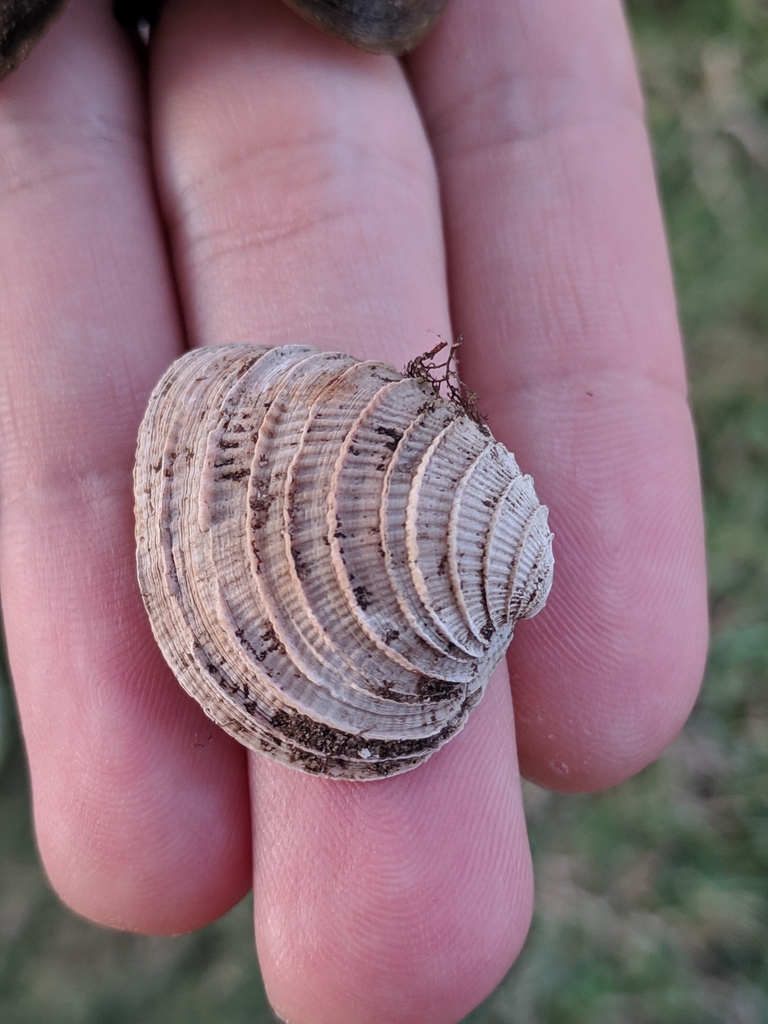 Cross-barred venus
Chione cancellata
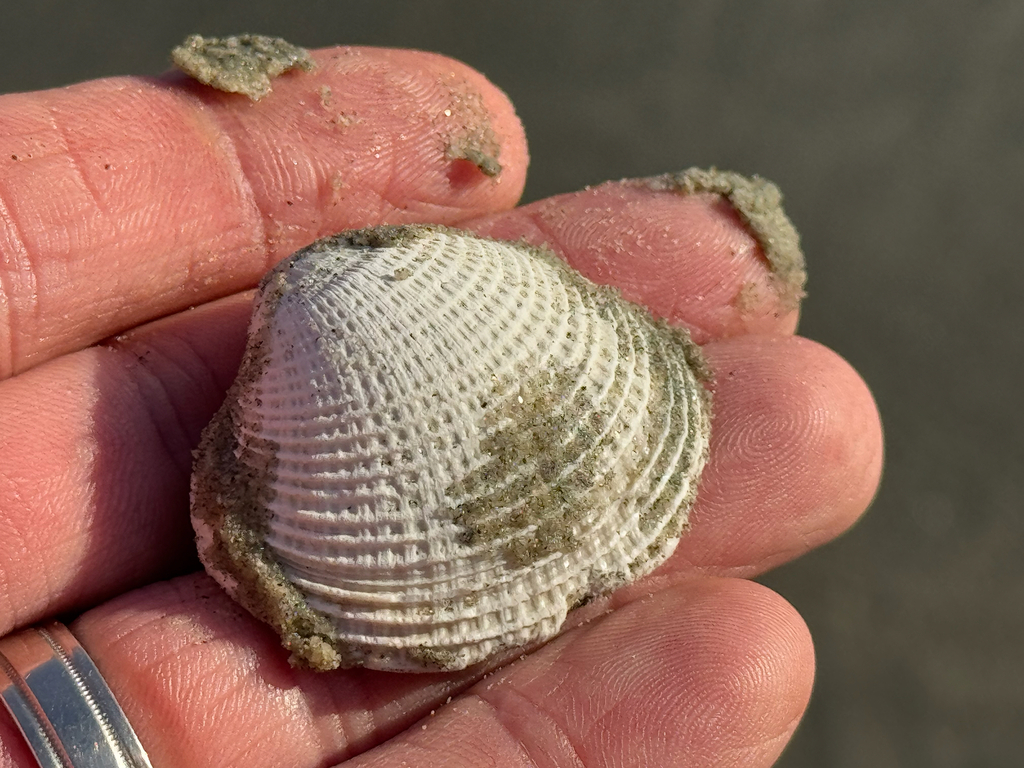 frilled venus
Chione undatella
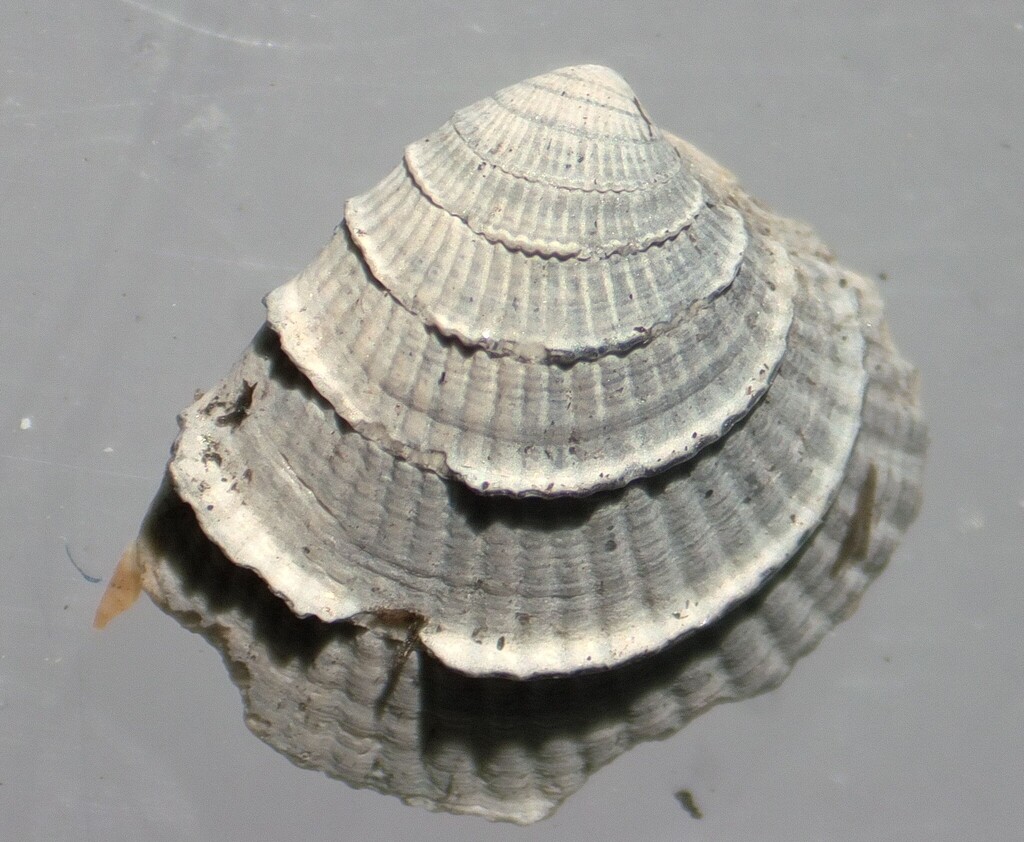 Small Banded Venus
Chione compta
Sources and credits
Names and taxonomy: WoRMS (CC BY 4.0) and the GBIF Backbone (CC BY 4.0). Photos: iNaturalist observers, each under the licence shown (CC0, CC BY or CC BY-SA).
- Depth, temperature, months and maps: records from OBIS and GBIF under CC0 or CC BY.
- Descriptions: Wikipedia, licensed CC BY-SA, each linked to its article.
- Conservation status as published by GBIF (IUCN Red List).
- 1,777 open-data records from 1890 to 2022.
- Species data updated November 9, 2026.
Log what you see on your next dive
The free DiveHive diver app keeps your logbook with every sighting and shows what lives at the site you dive next.