
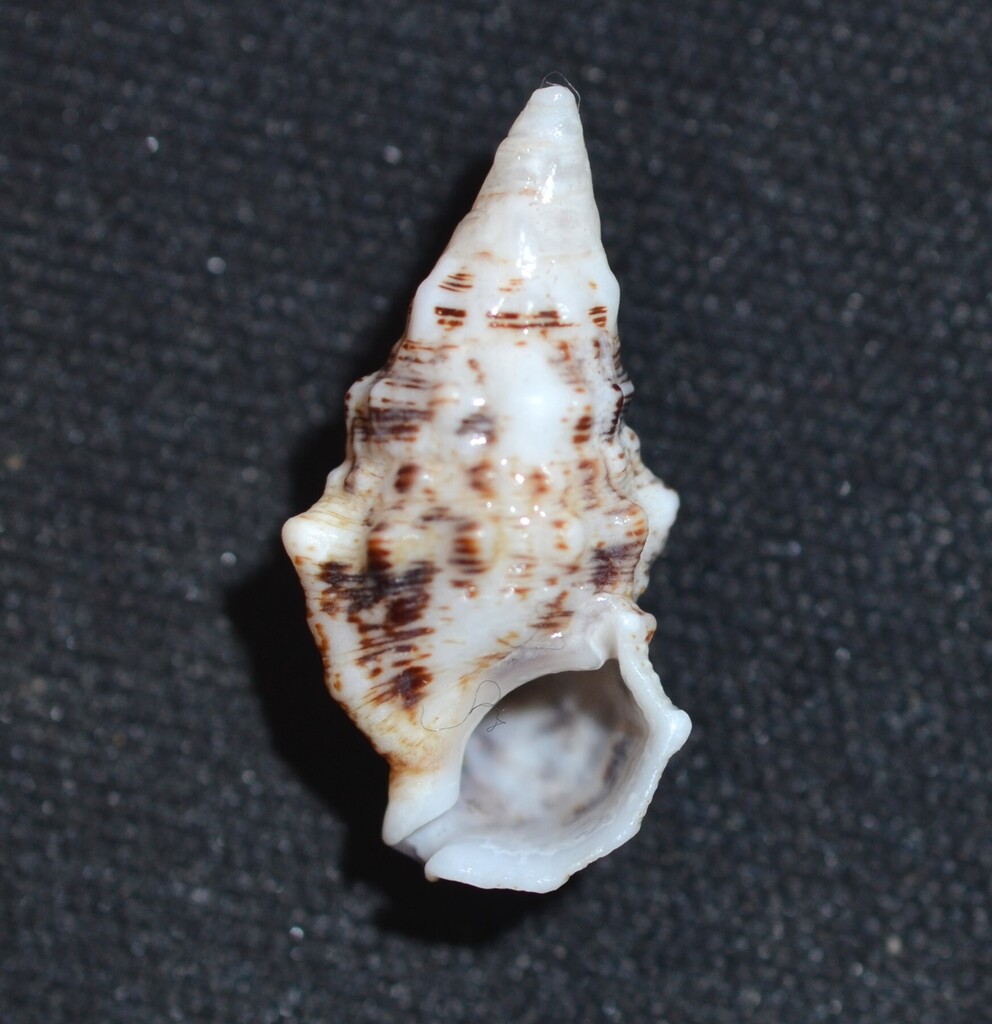
Ivory cerith
Cerithium eburneum
- Usual depth1–19 m
- Water temperature23–29 °C
- Best monthsMarch, July, and August
- How commonOccasional
Photo credit: (c) Josiah Londerée, some rights reserved (CC BY) · CC BY · iNaturalist
About this species
Cerithium eburneum is a species of sea snail, a marine gastropod mollusk in the family Cerithiidae.
Text from the Wikipedia article “Cerithium eburneum”, licensed CC BY-SA 4.0. Read the article
Where and when
Where it has been recorded
Worldwide
Best months
Worldwide (open data)
- January: 23 records
- February: 17 records
- March: 37 records
- April: 35 records
- May: 37 records
- June: 24 records
- July: 45 records
- August: 48 records
- September: 26 records
- October: 35 records
- November: 31 records
- December: 20 records
Depth and water temperature
Depth
Mostly recorded at 1–19 m · Deepest record: 108 m
Water temperature
Recorded in surface water of 23–29 °C
Photos
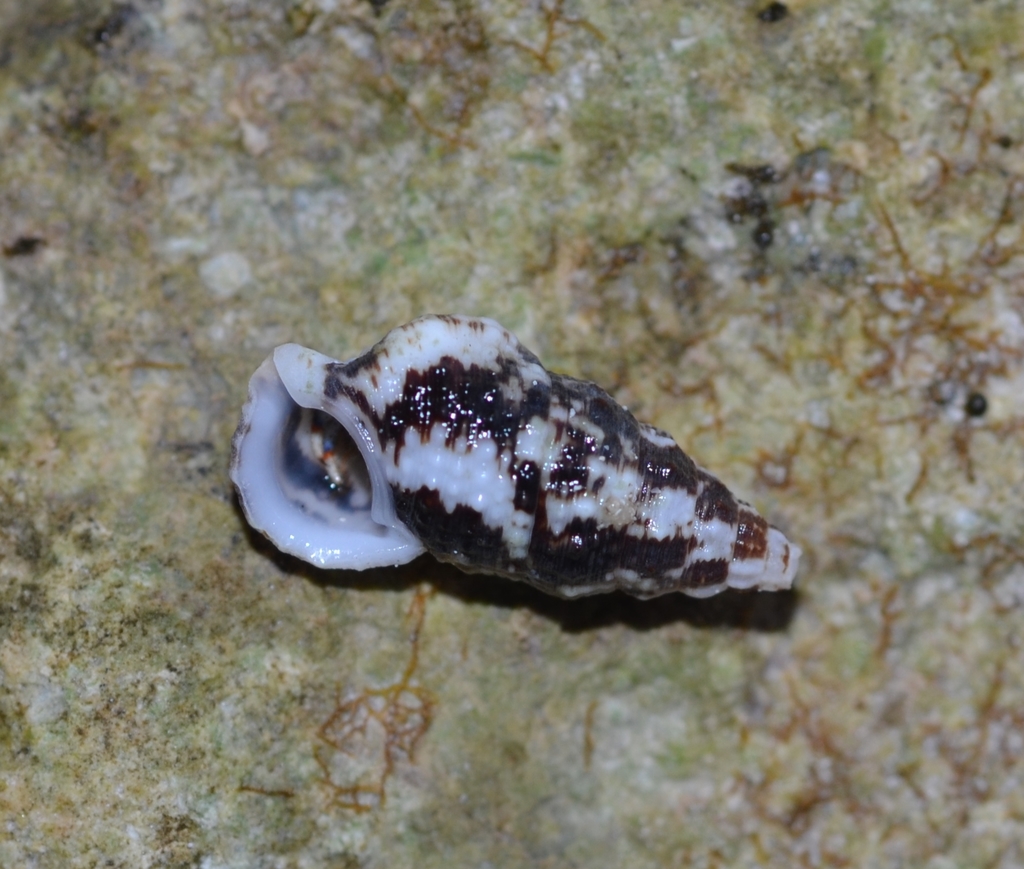
(c) Josiah Londerée, some rights reserved (CC BY) · CC BY · iNaturalist 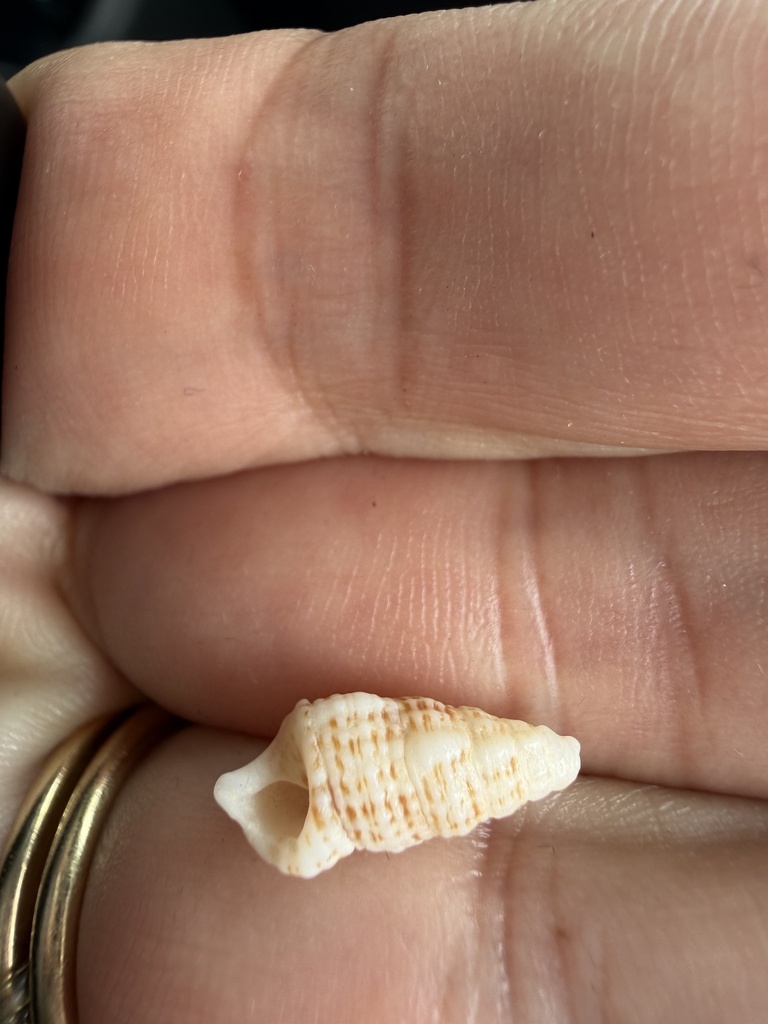
no rights reserved · CC0 1.0 · iNaturalist 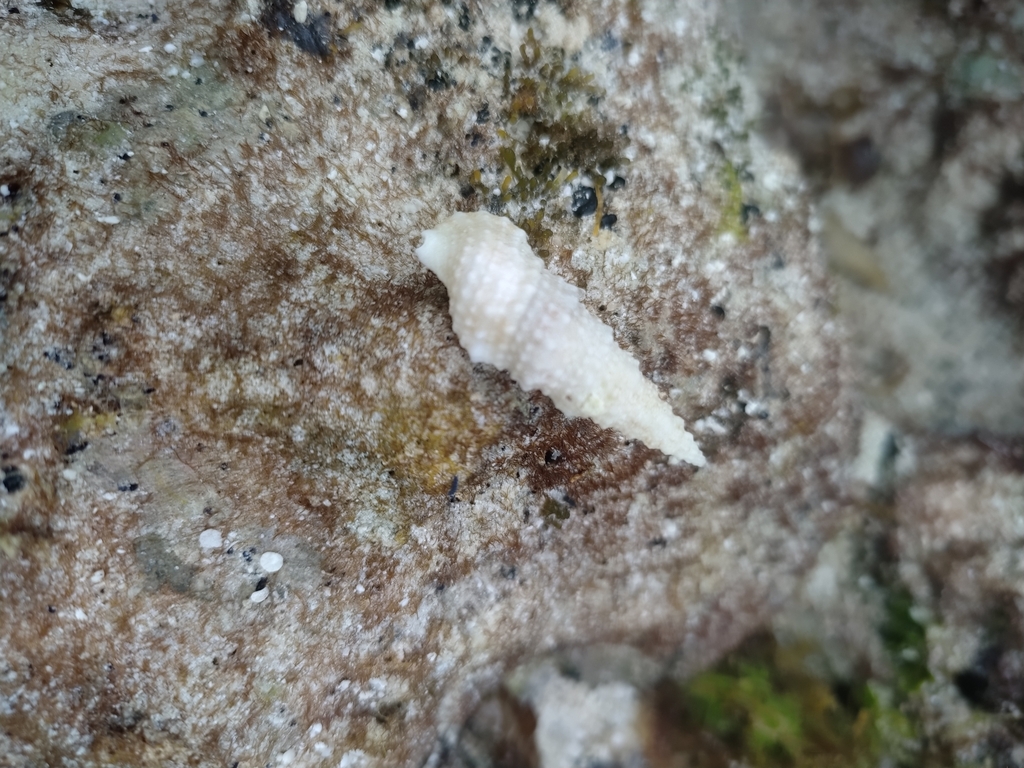
(c) Leïla Brunner, some rights reserved (CC BY) · CC BY · iNaturalist 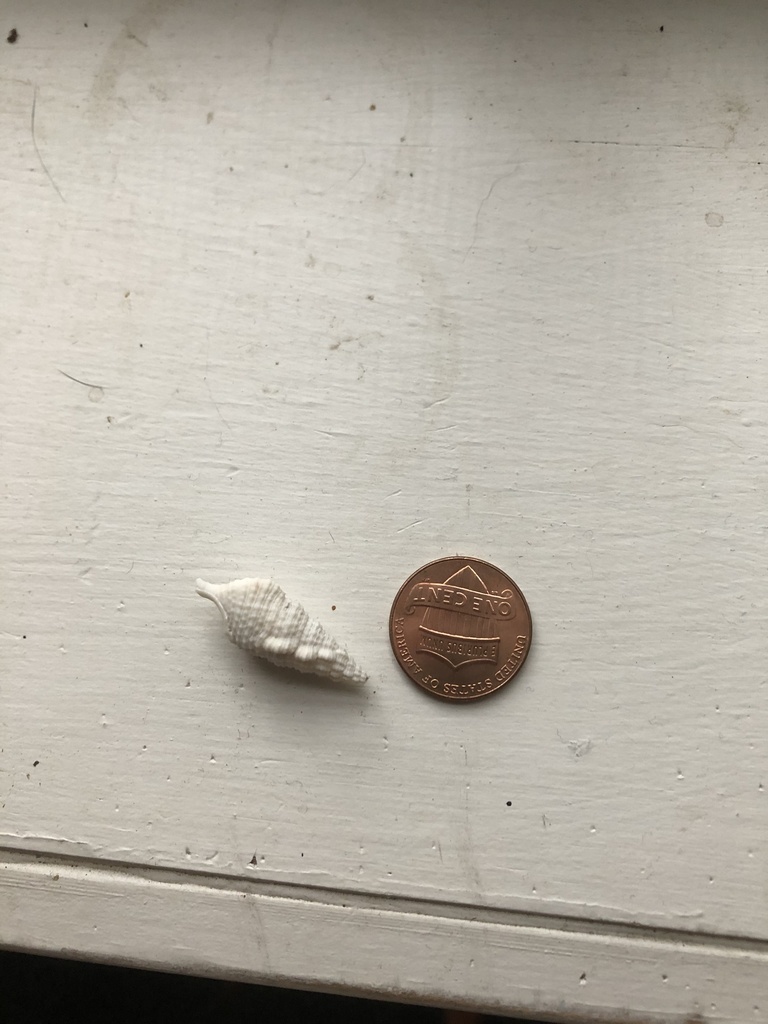
(c) Bianca Russell, some rights reserved (CC BY) · CC BY · iNaturalist 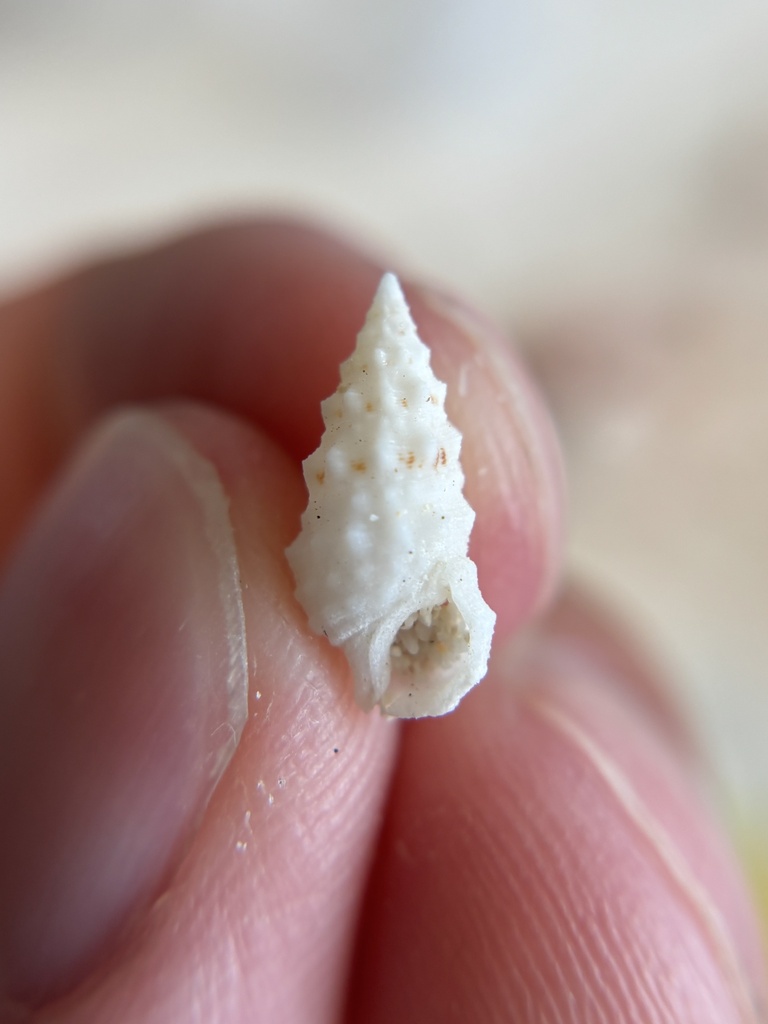
(c) Jacob Weston, some rights reserved (CC BY) · CC BY · iNaturalist 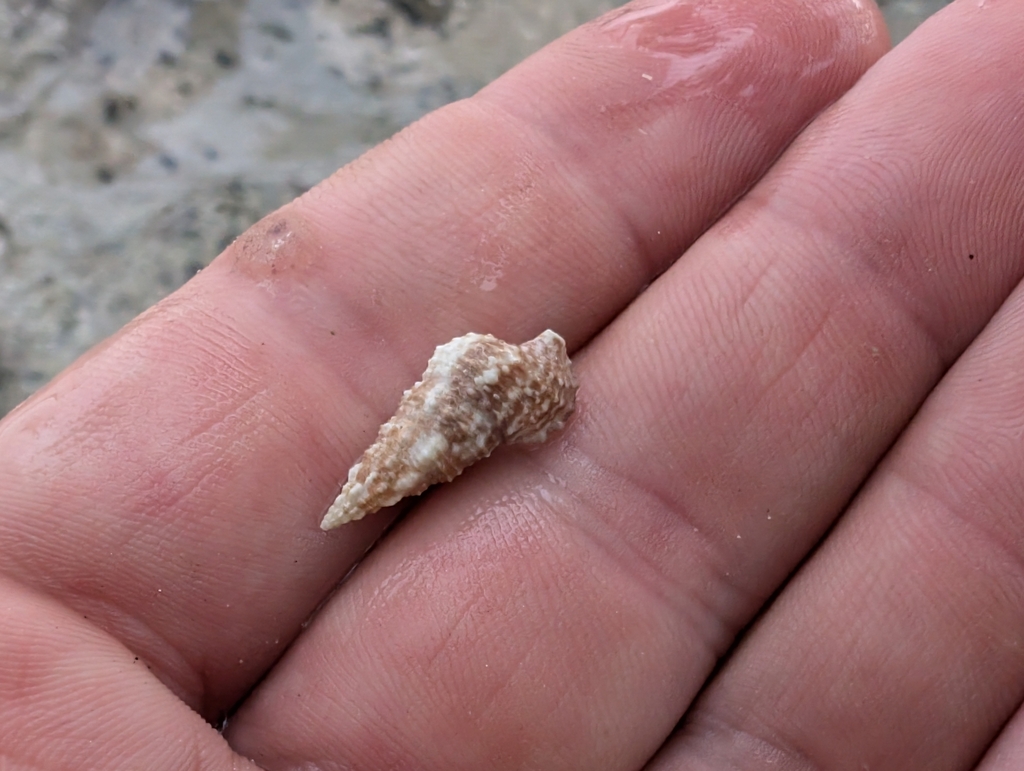
no rights reserved · CC0 1.0 · iNaturalist 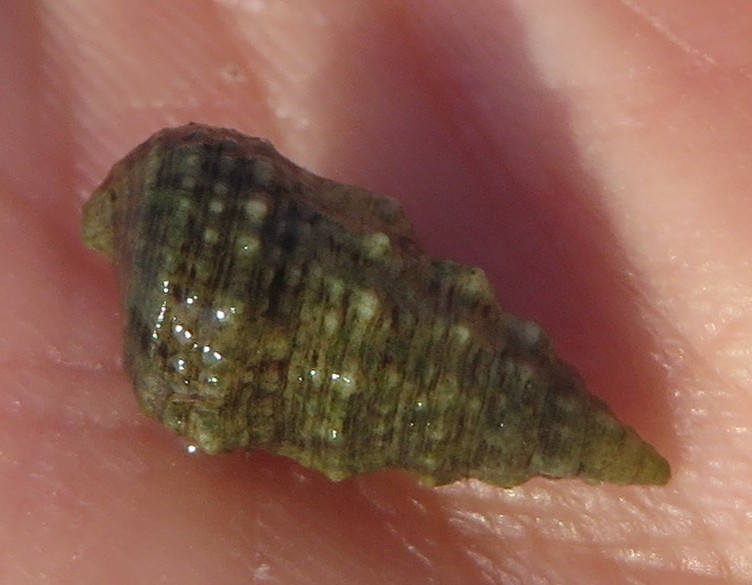
(c) Ben Machado, some rights reserved (CC BY) · CC BY · iNaturalist
Names and classification
- English
- Ivory cerith, ivory cerith
Names in 2 more languages
- German
- Elfenbein-Nadelschnecke
- Spanish
- Marfil
Other scientific names: Cerithium algicola, Cerithium fenestratum, Cerithium planispiratum, Cerithium pulicarium, Thericium lymani
Similar species
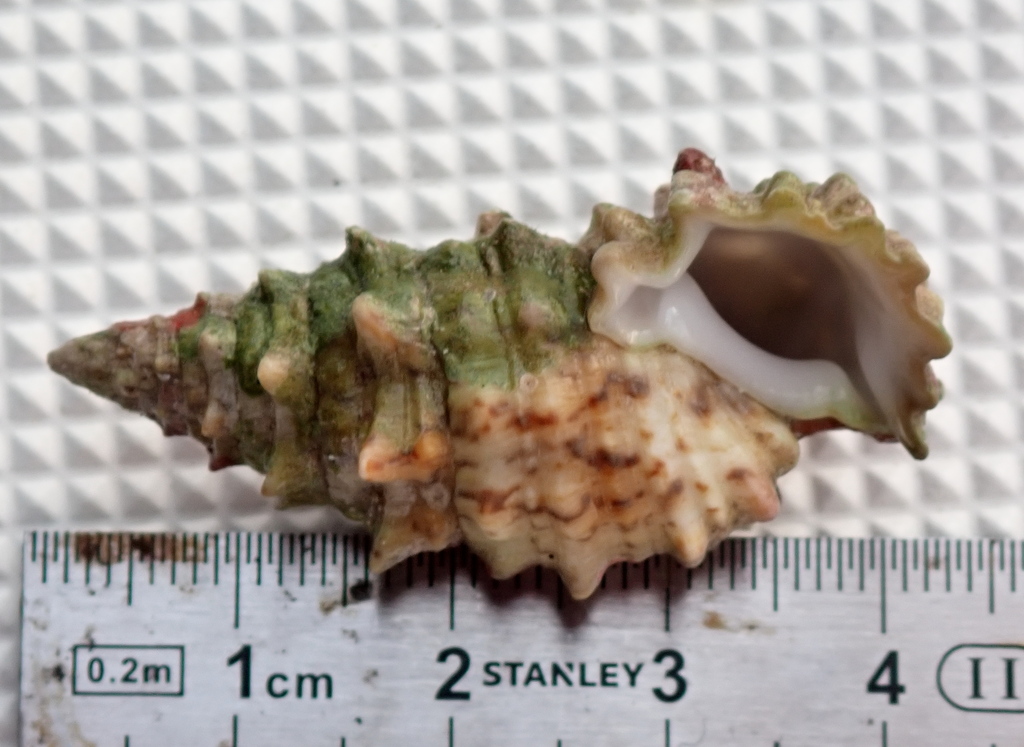 Prickly Horn Snail
Cerithium echinatum
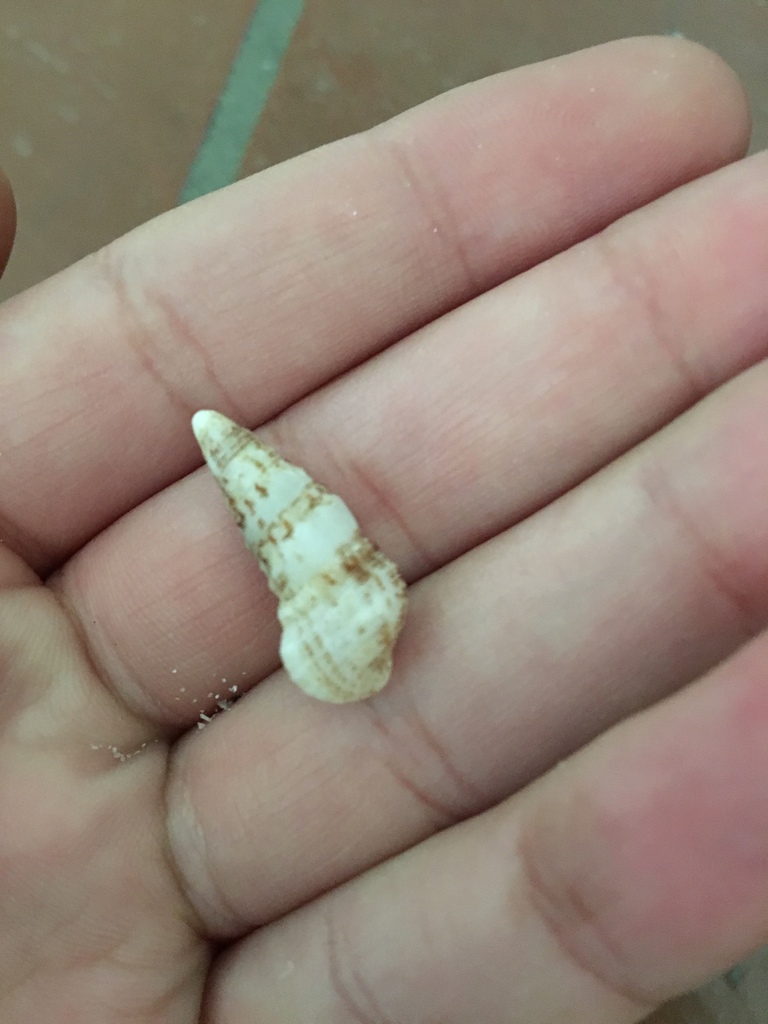 Dark cerith
Cerithium atratum
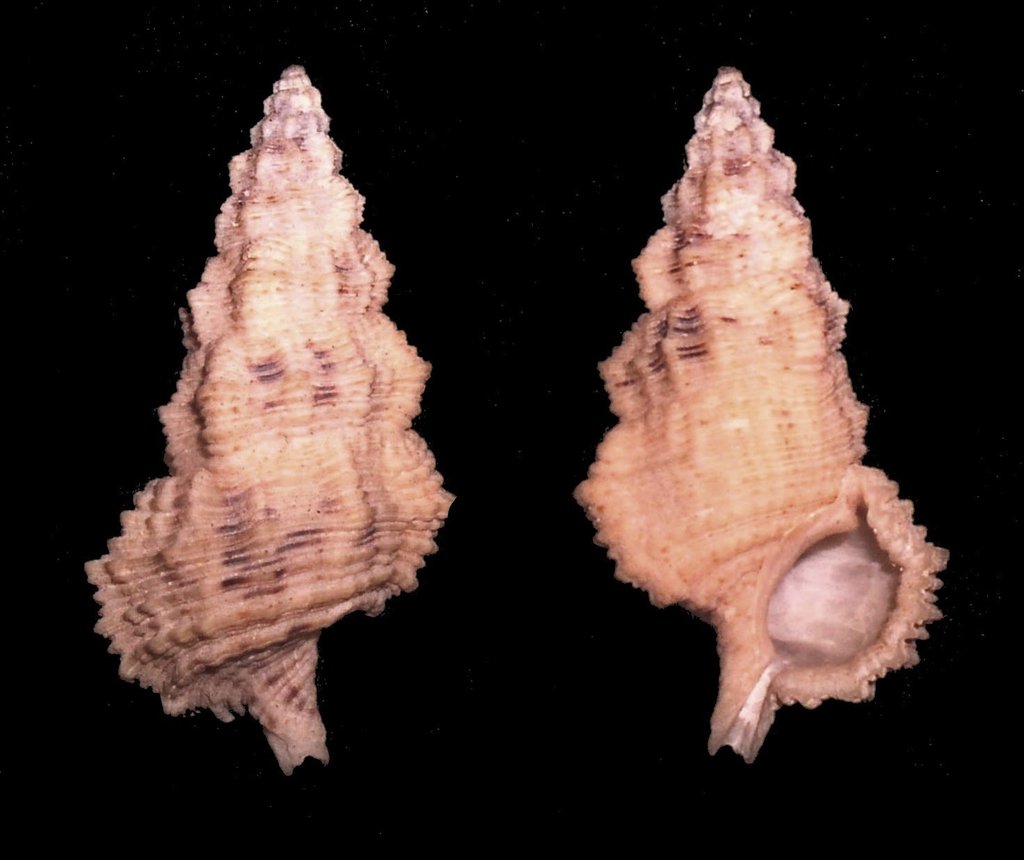 Pillar Creeper
Cerithium columna
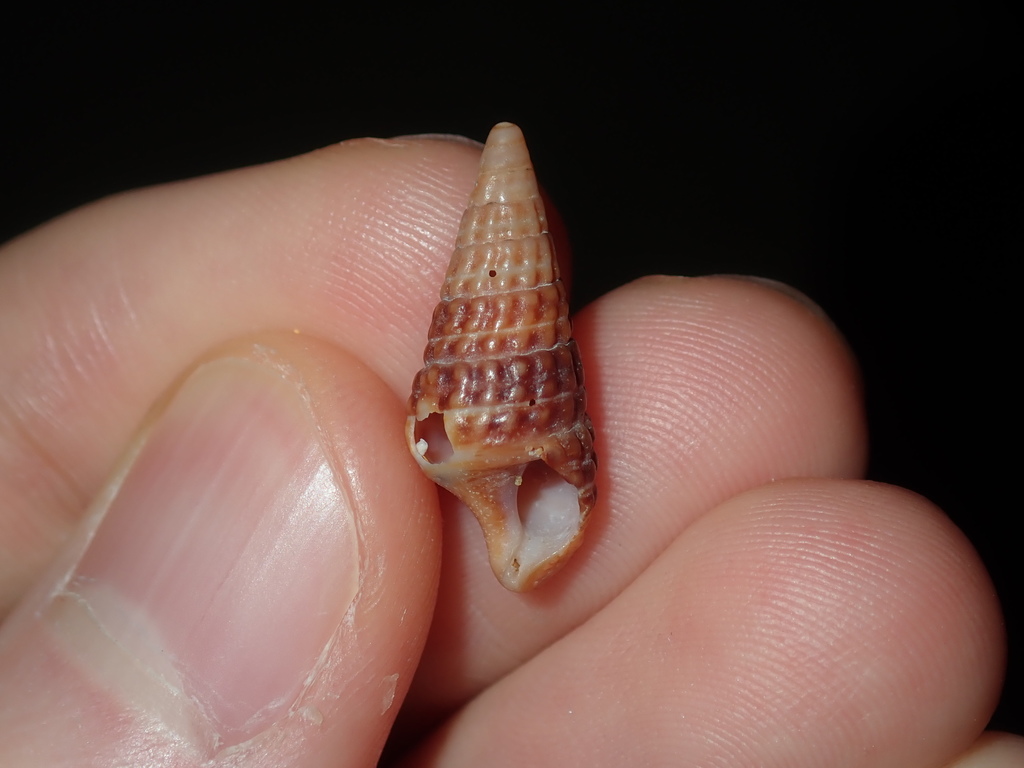 Coral Cerith
Cerithium coralium
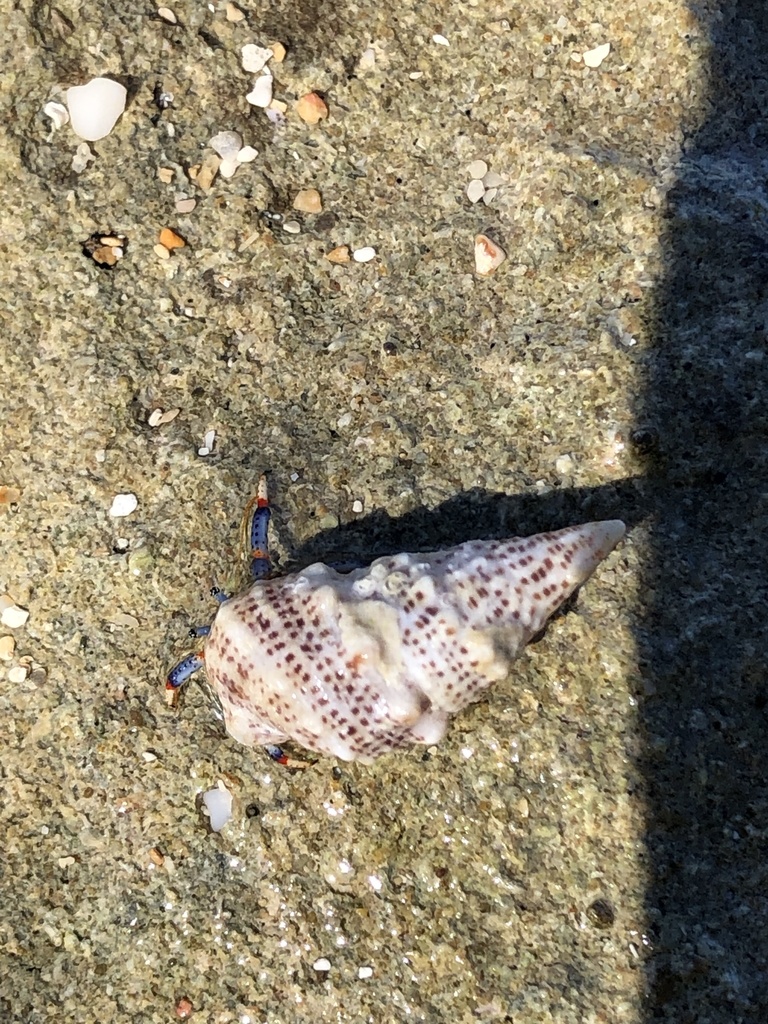 Stocky cerith
Cerithium litteratum
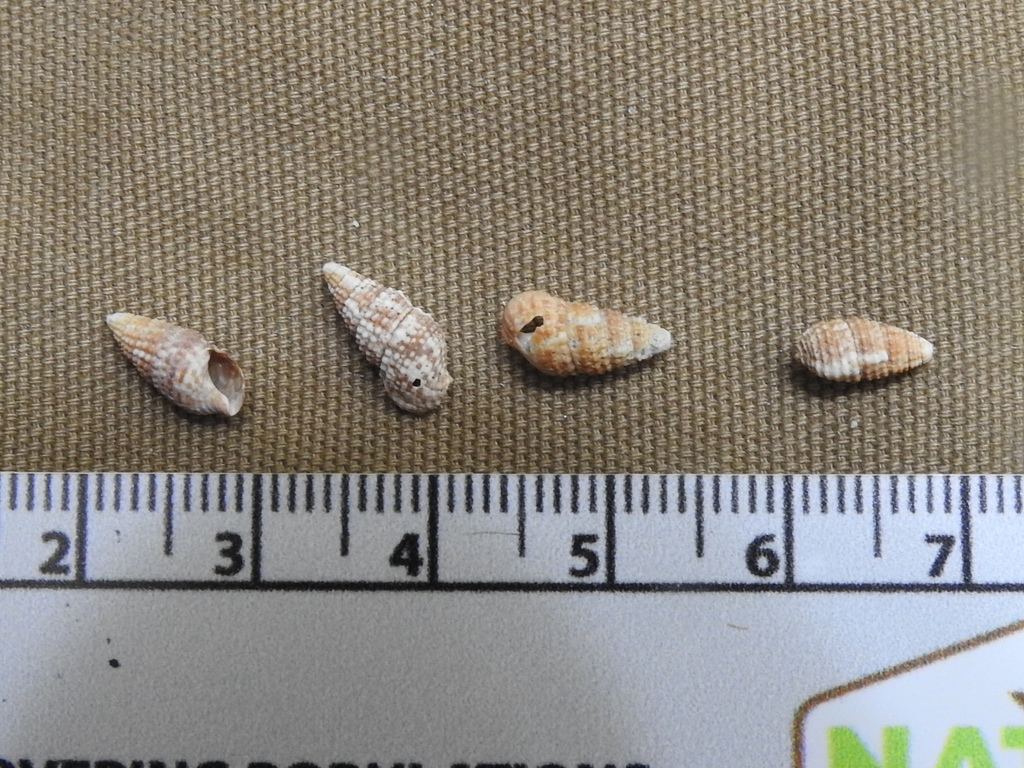 Dwarf Atlantic cerith
Cerithium lutosum
Sources and credits
Names and taxonomy: WoRMS (CC BY 4.0) and the GBIF Backbone (CC BY 4.0). Photos: iNaturalist observers, each under the licence shown (CC0, CC BY or CC BY-SA).
- Depth, temperature, months and maps: records from OBIS and GBIF under CC0 or CC BY.
- Descriptions: Wikipedia, licensed CC BY-SA, each linked to its article.
- Conservation status as published by GBIF (IUCN Red List).
- 939 open-data records from 1887 to 2024.
- Species data updated November 9, 2026.
Log what you see on your next dive
The free DiveHive diver app keeps your logbook with every sighting and shows what lives at the site you dive next.