

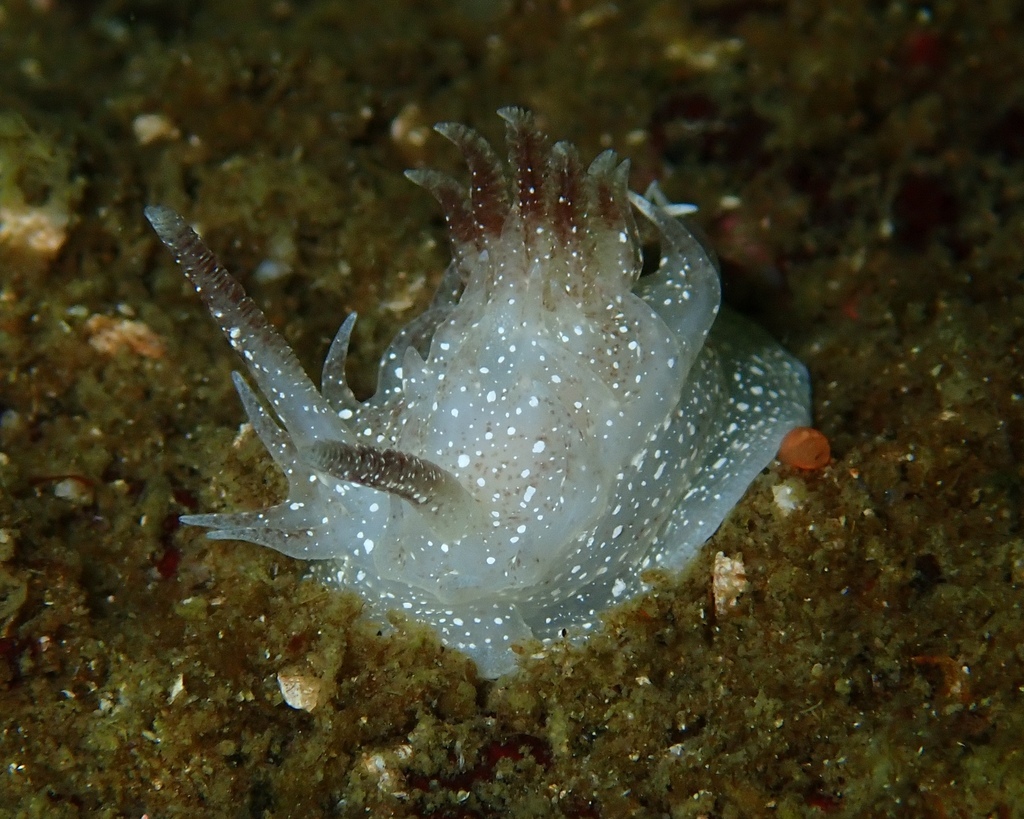
Ceratodoris rosacea
- Usual depth4–21 m
- Water temperature11–18 °C
- Best monthsJanuary, May, and June
- How commonCommon
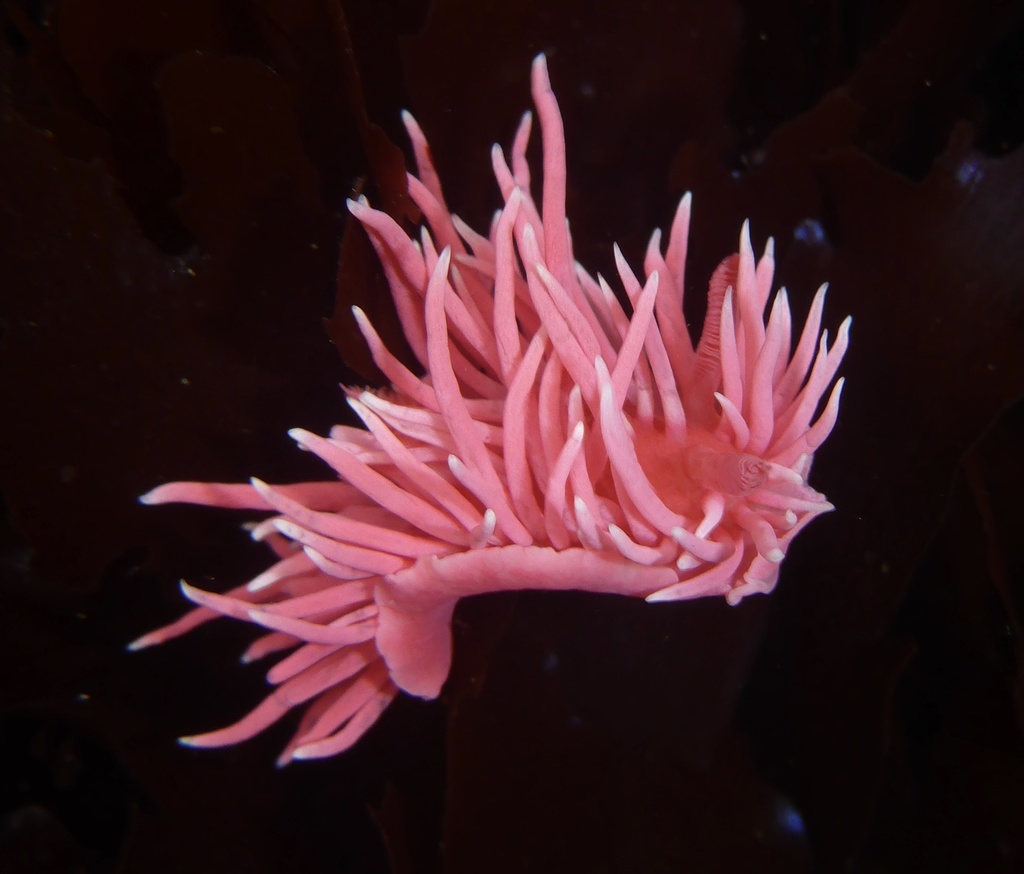
Photo credit: (c) Ken-ichi Ueda, some rights reserved (CC BY) · CC BY · flickr.com
About this species
Hopkin's rose nudibranch is a species of sea slug, specifically a dorid nudibranch, a marine gastropod mollusc in the family Goniodorididae. Previously known as Okenia rosacea, this species was reclassified as Ceratodoris rosacea in 2024.
Text from the Wikipedia article “Ceratodoris rosacea”, licensed CC BY-SA 4.0. Read the article
Where and when
Where it has been recorded
Worldwide
Best months
Worldwide (open data)
- January: 1,406 records
- February: 886 records
- March: 831 records
- April: 786 records
- May: 1,402 records
- June: 1,683 records
- July: 1,217 records
- August: 331 records
- September: 157 records
- October: 684 records
- November: 649 records
- December: 1,023 records
Depth and water temperature
Depth
Mostly recorded at 4–21 m · Deepest record: 21.2 m
Water temperature
Recorded in surface water of 11–18 °C
Photos
(c) Cricket Raspet, some rights reserved (CC BY), uploaded by Cricket Raspet · CC BY · iNaturalist 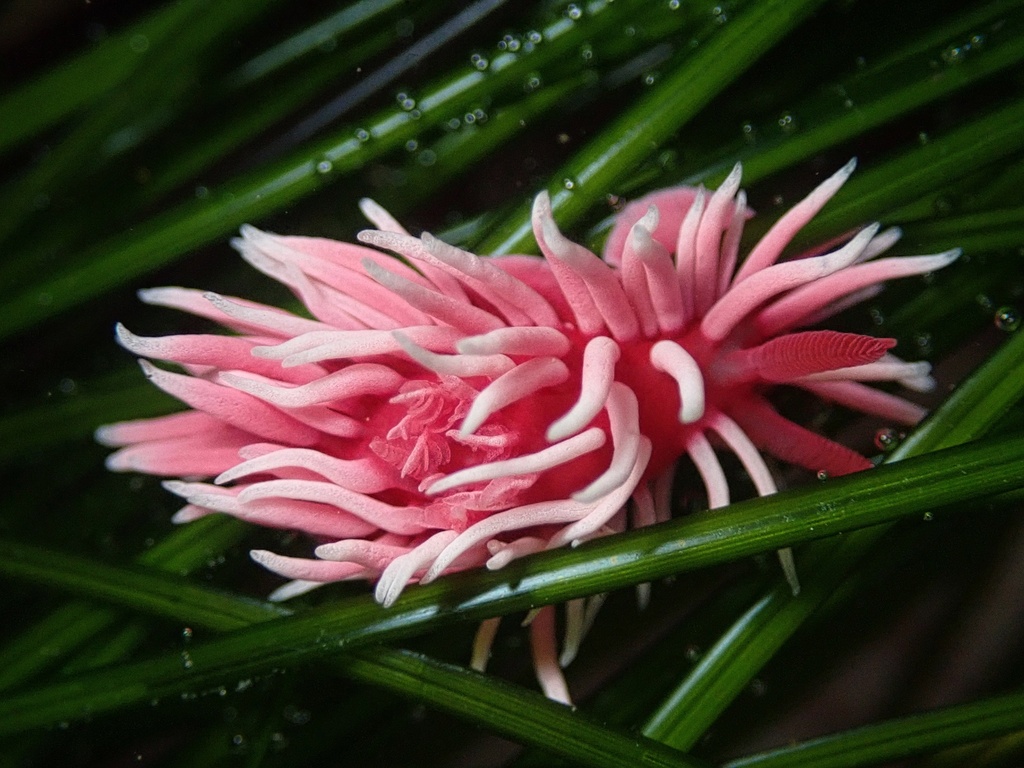
(c) Madeleine Claire, some rights reserved (CC BY) · CC BY · iNaturalist 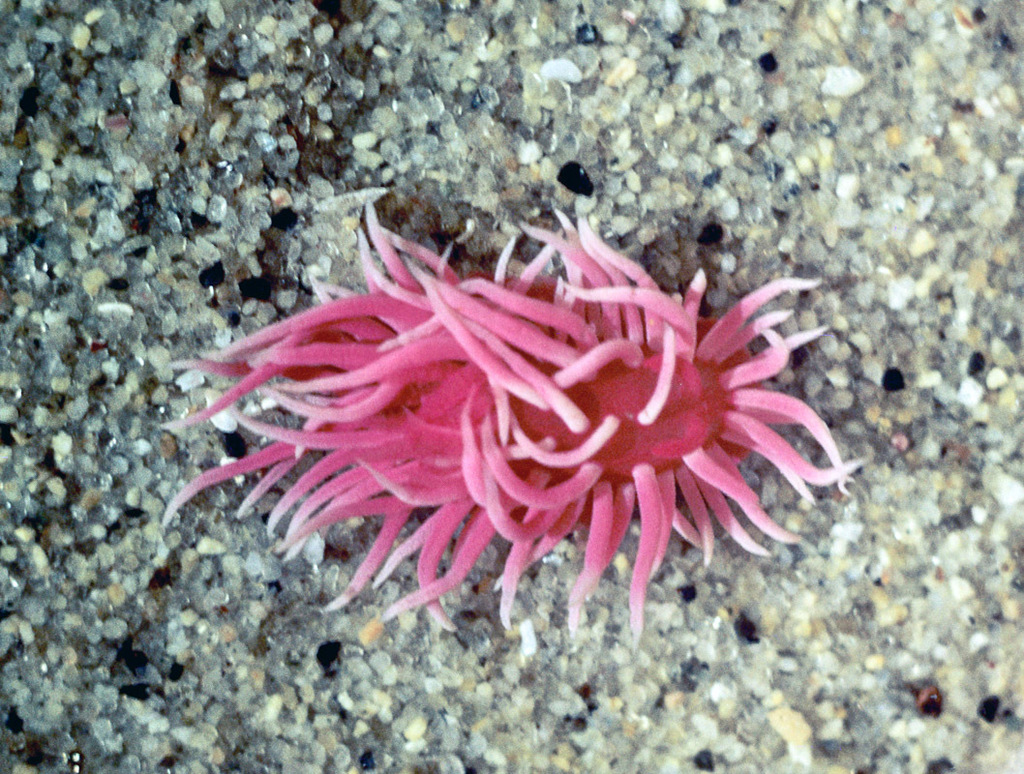
(c) Drepanostoma, some rights reserved (CC BY) · CC BY · iNaturalist 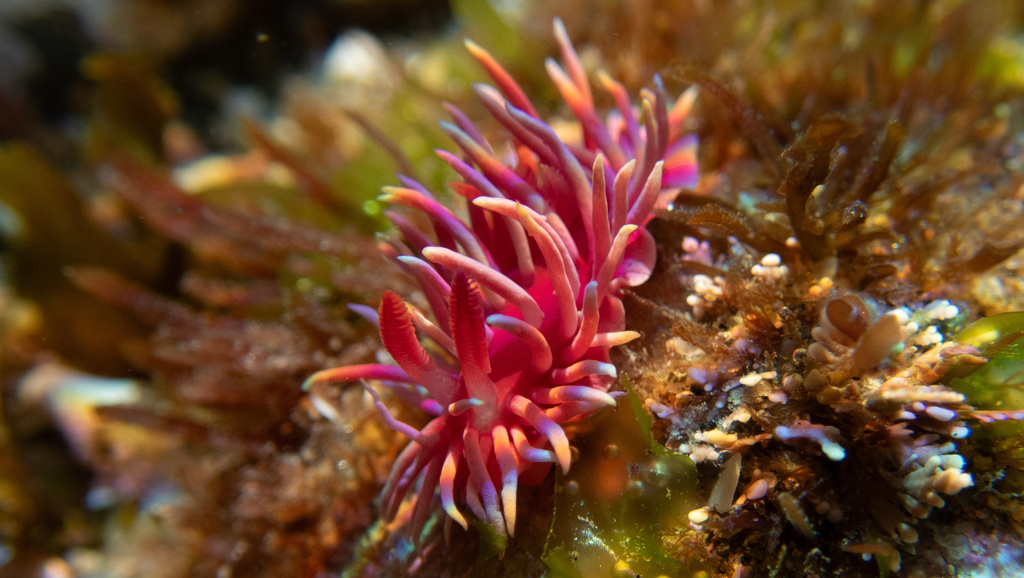
(c) Eric Klug, some rights reserved (CC BY) · CC BY · iNaturalist 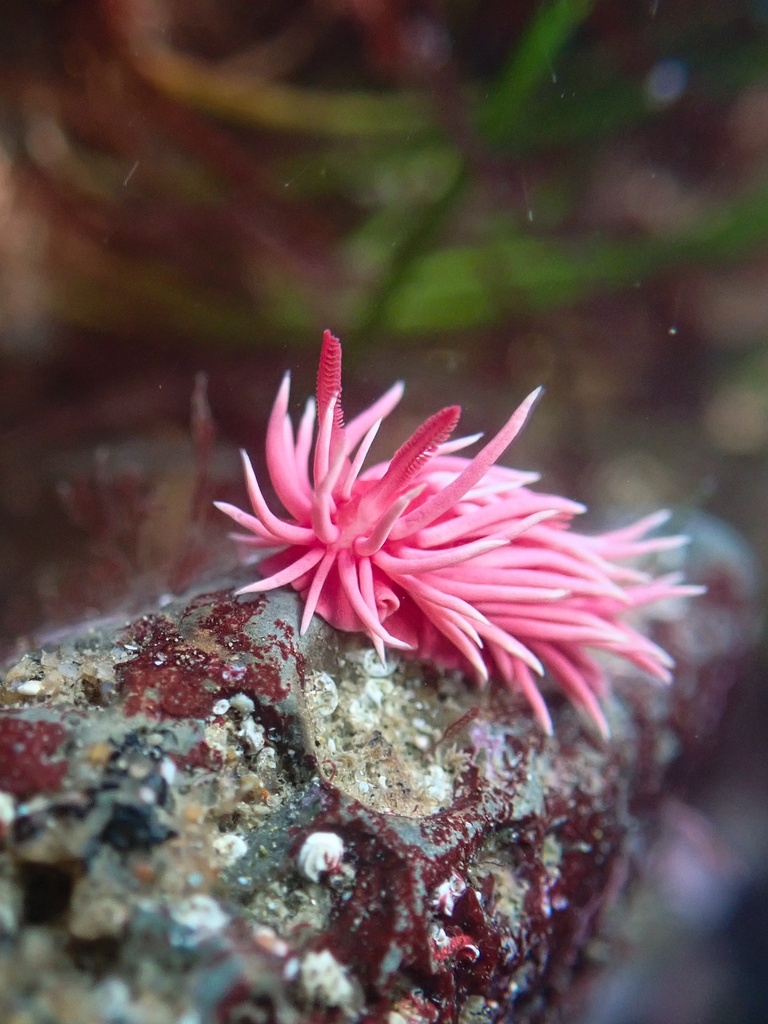
(c) Madeleine Claire, some rights reserved (CC BY) · CC BY · iNaturalist 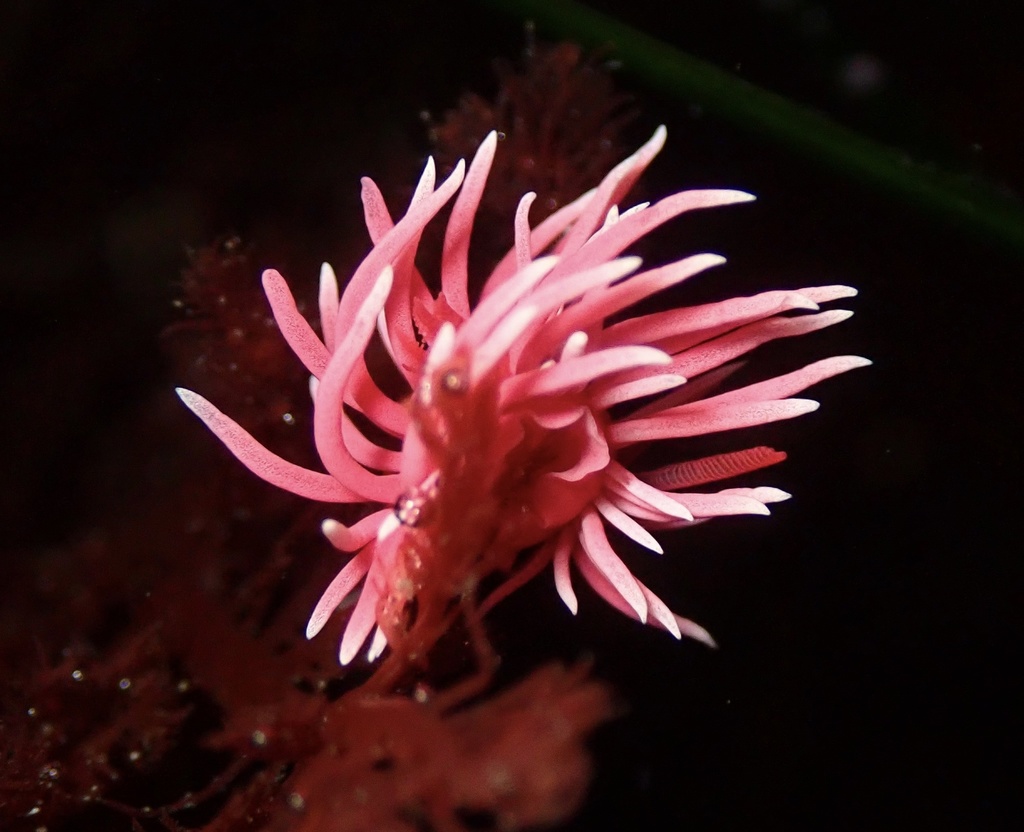
(c) Cricket Raspet, some rights reserved (CC BY) · CC BY · iNaturalist 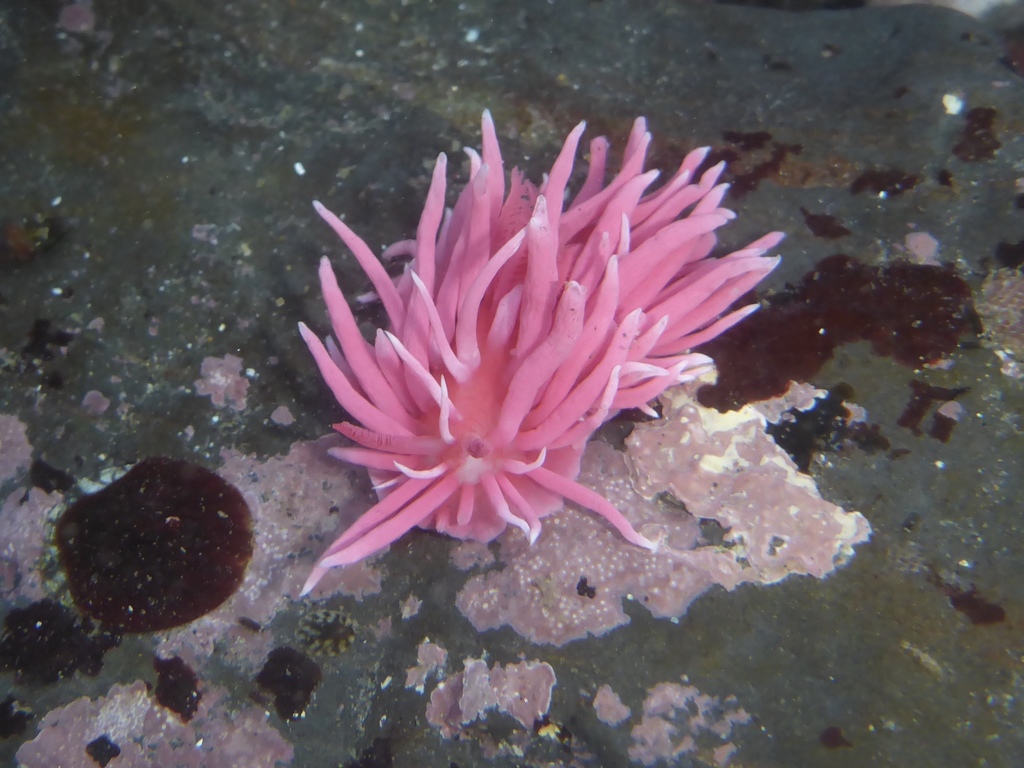
(c) Cricket Raspet, some rights reserved (CC BY) · CC BY · iNaturalist
Names and classification
Other scientific names: Hopkinsia rosacea, Okenia rosacea
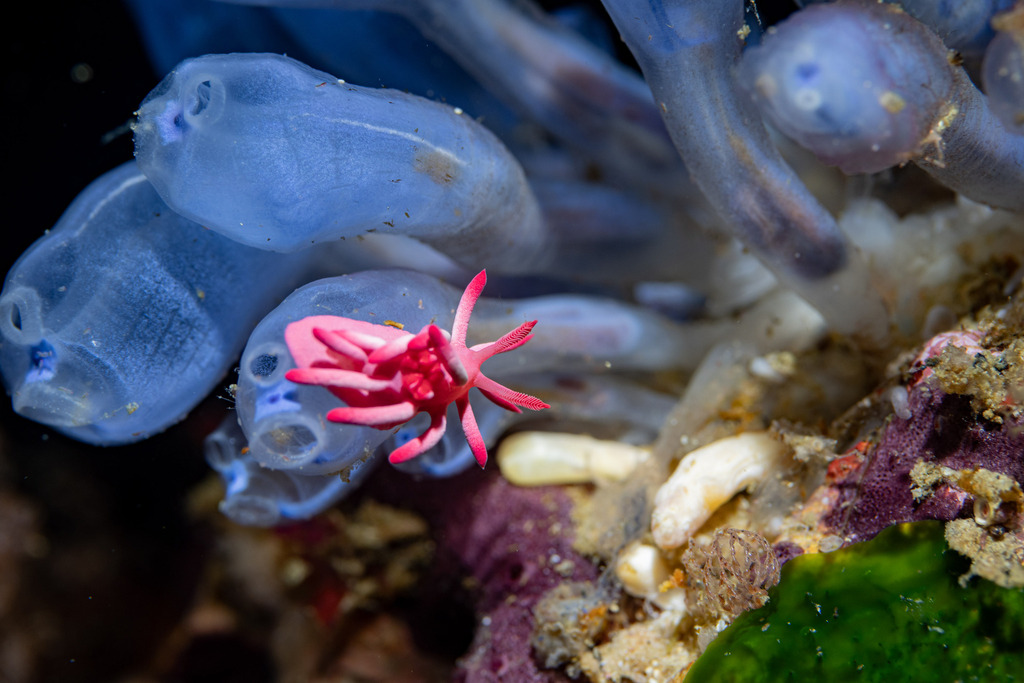
Similar species
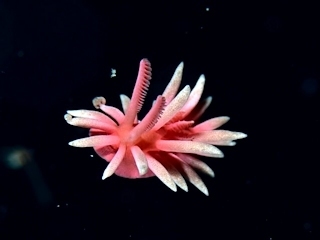
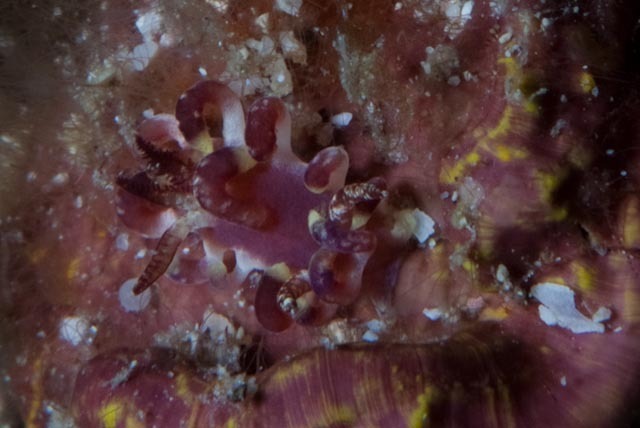
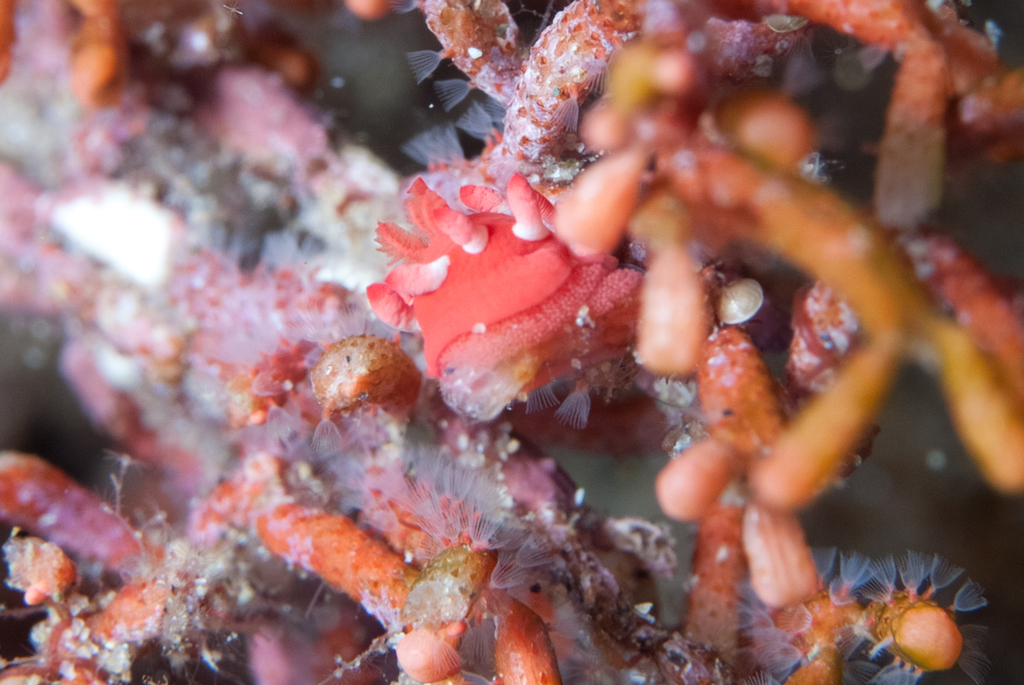
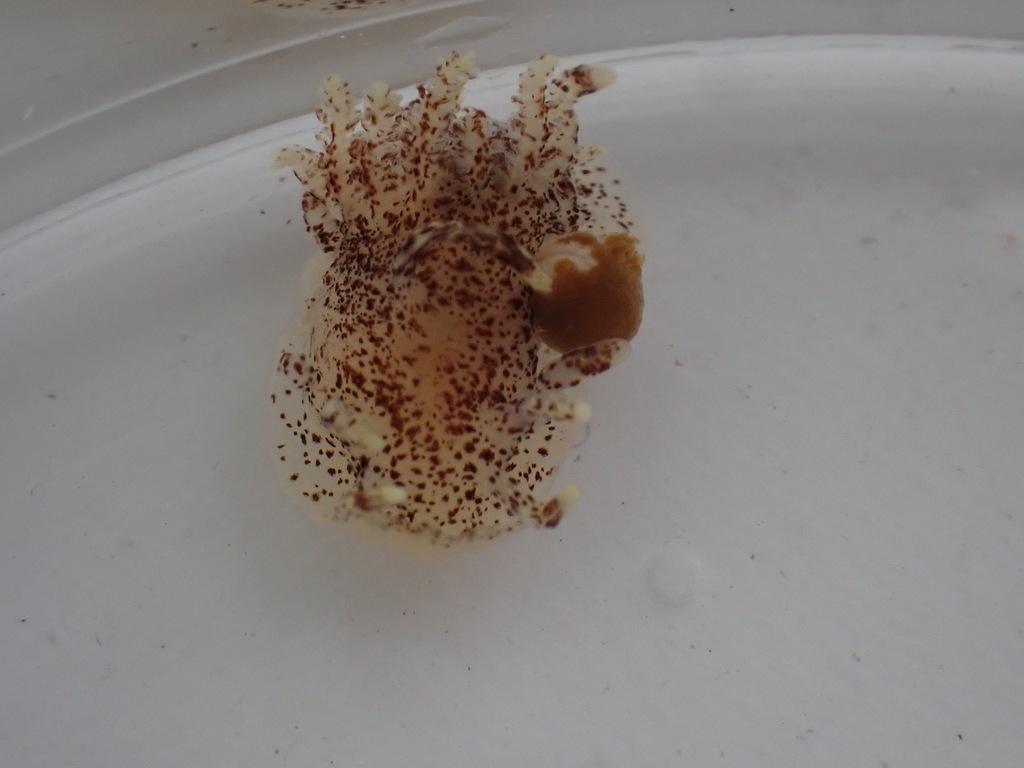
Sources and credits
Names and taxonomy: WoRMS (CC BY 4.0) and the GBIF Backbone (CC BY 4.0). Photos: iNaturalist observers, each under the licence shown (CC0, CC BY or CC BY-SA).
- Depth, temperature, months and maps: records from OBIS and GBIF under CC0 or CC BY.
- Descriptions: Wikipedia, licensed CC BY-SA, each linked to its article.
- 110 open-data records from 1909 to 2020.
- Species data updated November 9, 2026.
Log what you see on your next dive
The free DiveHive diver app keeps your logbook with every sighting and shows what lives at the site you dive next.