
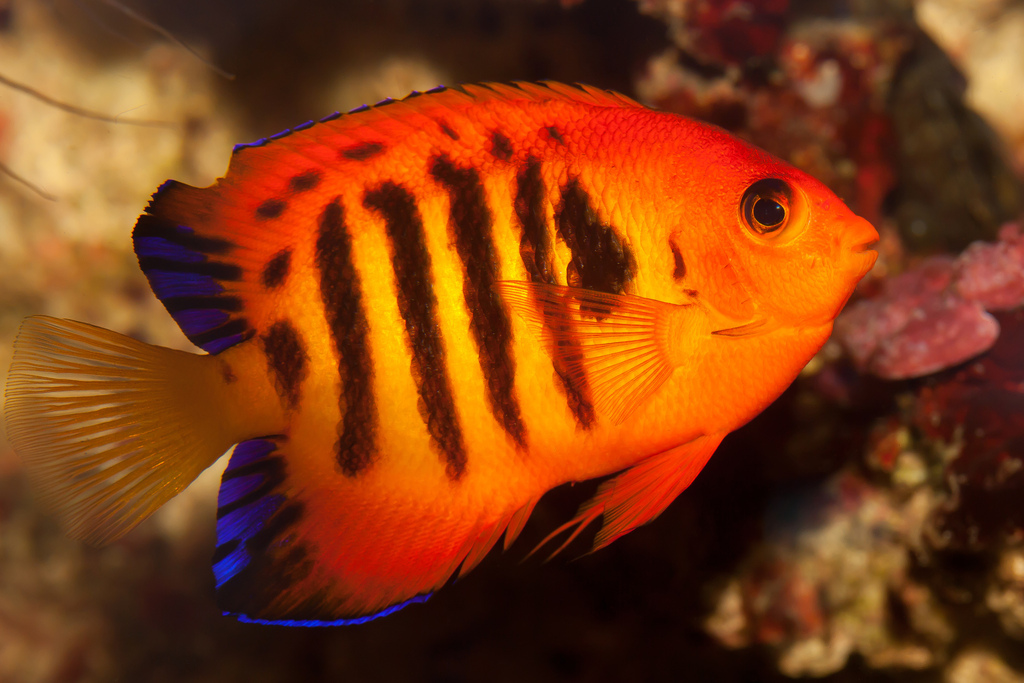
Flame Angel
Centropyge loriculus
- Usual depth10–23 m
- Water temperature24–29 °C
- Best monthsFebruary and March
- How commonCommon
Photo credit: (c) Andreas März, some rights reserved (CC BY) · CC BY · commons.wikimedia.org
About this species
The flame angelfish is a marine angelfish of the family Pomacanthidae found in tropical waters of the Pacific Ocean. Other common names include flame angel, flaming angelfish and Japanese pygmy angelfish.
Text from the Wikipedia article “Flame angelfish”, licensed CC BY-SA 4.0. Read the article
Where and when
Where it has been recorded
Worldwide
Best months
Worldwide (open data)
- January: 471 records
- February: 1,233 records
- March: 1,385 records
- April: 720 records
- May: 334 records
- June: 297 records
- July: 202 records
- August: 106 records
- September: 31 records
- October: 139 records
- November: 34 records
- December: 19 records
Depth and water temperature
Depth
Mostly recorded at 10–23 m · Deepest record: 32 m
Water temperature
Recorded in surface water of 24–29 °C
Photos

(c) Andreas März, some rights reserved (CC BY) · CC BY · flickr.com 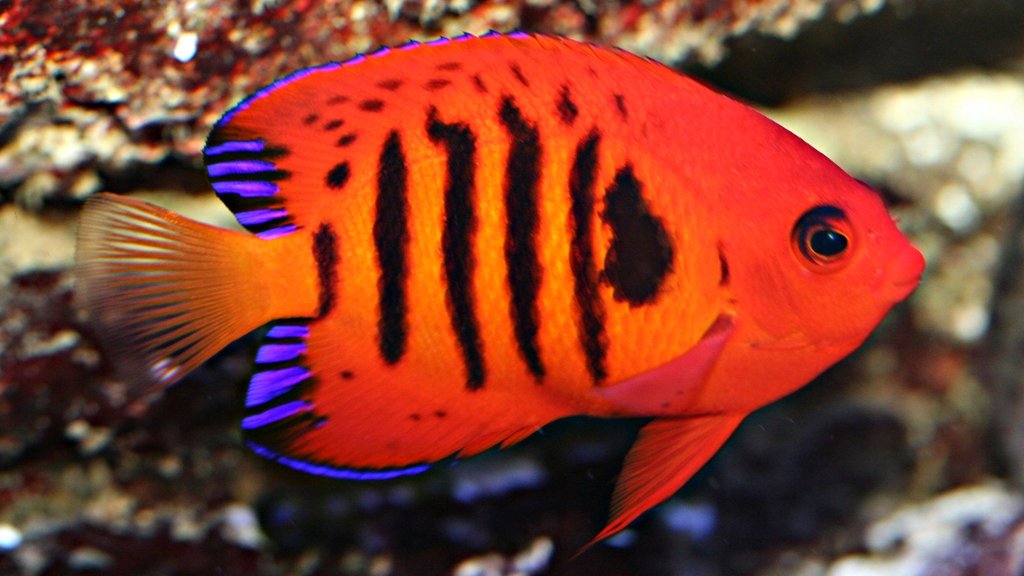
(c) Andreas März, some rights reserved (CC BY) · CC BY · flickr.com 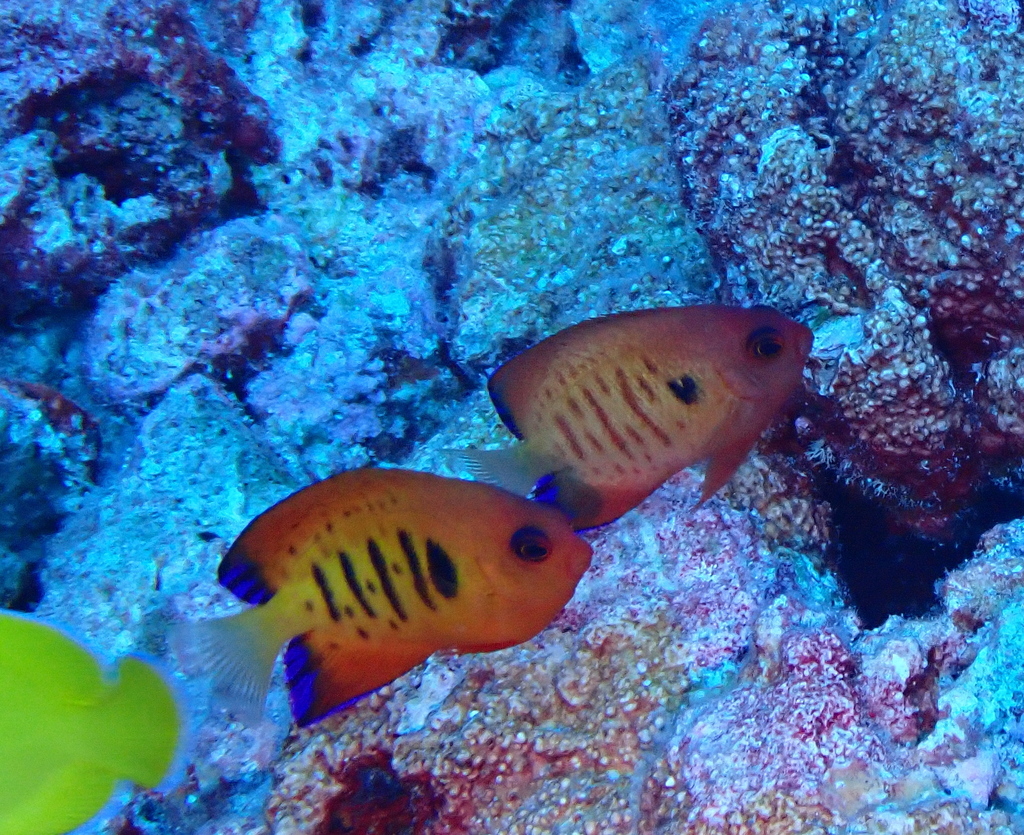
(c) Debra Baker, some rights reserved (CC BY) · CC BY · iNaturalist 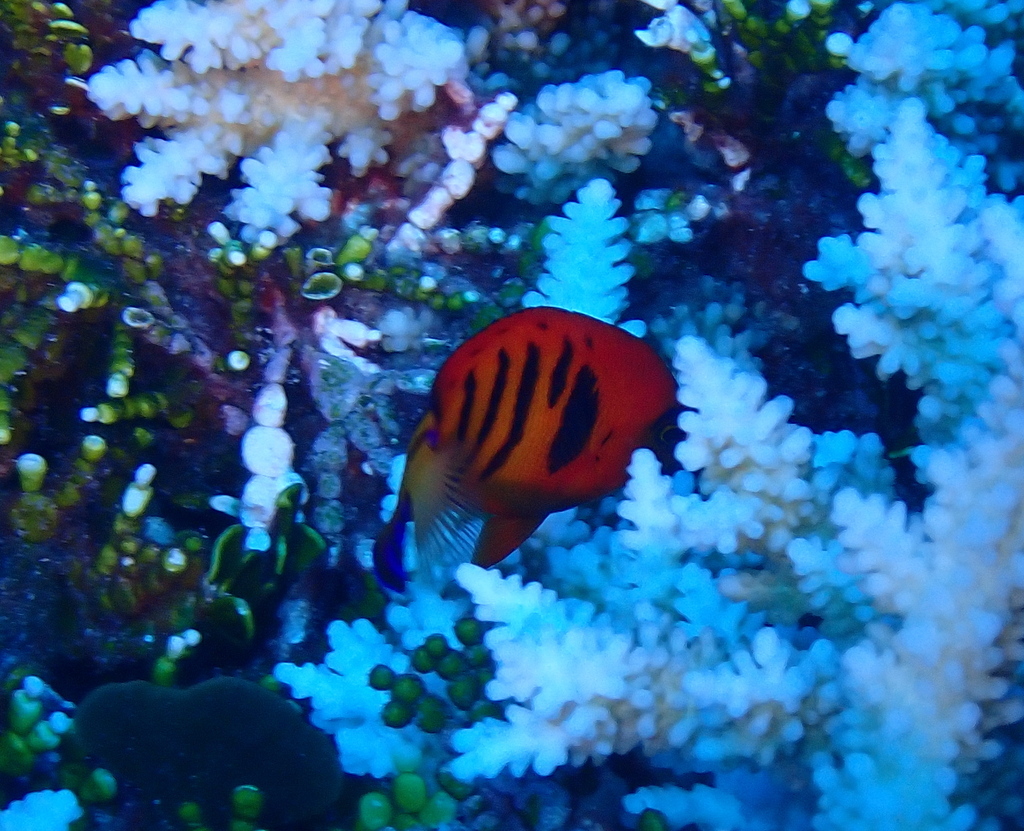
(c) Debra Baker, some rights reserved (CC BY) · CC BY · iNaturalist 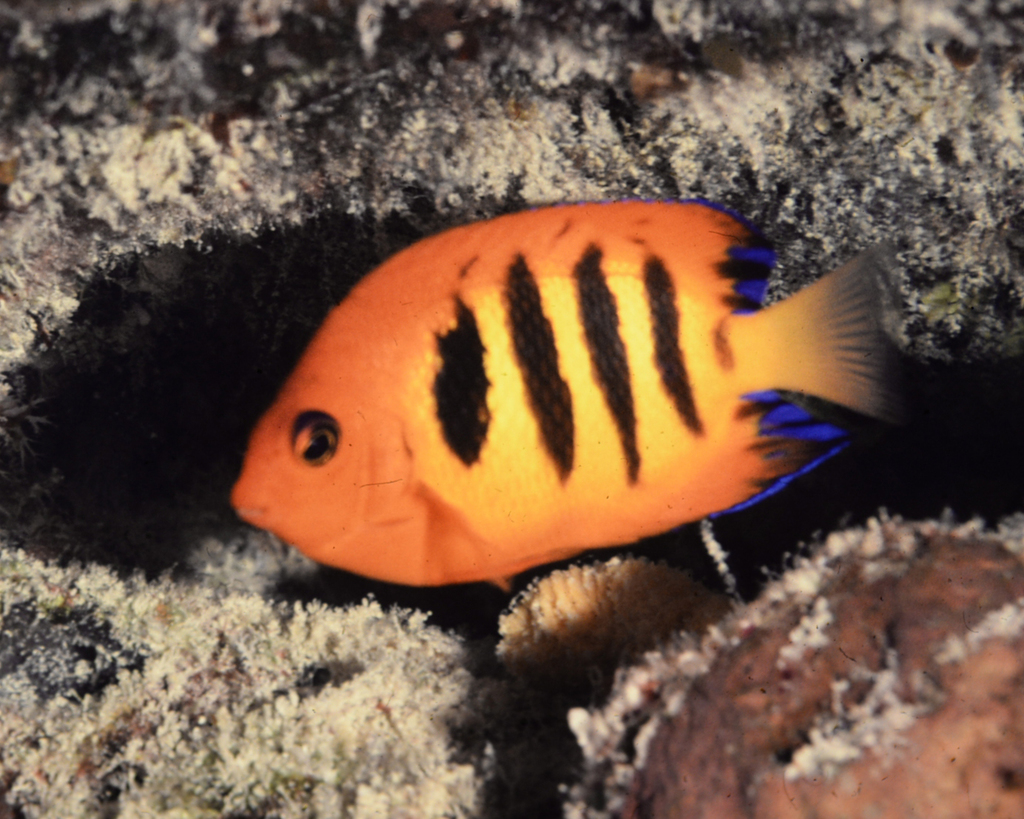
(c) Roger Rittmaster, some rights reserved (CC BY) · CC BY · iNaturalist 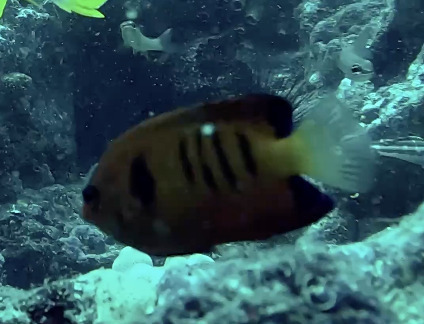
(c) mikedesi, some rights reserved (CC BY) · CC BY · iNaturalist
Names and classification
- English
- Flame Angel, Flame Angelfish, Flame Angelfish, Japanese pygmy angelfish, Flaming Angelfish, Japanese Pygmy Angelfish
Names in 1 more language
- French
- Poisson-ange flamme
Other scientific names: Centropyge flammeus, Centropyge loricula, Holacanthus loriculus
Similar species
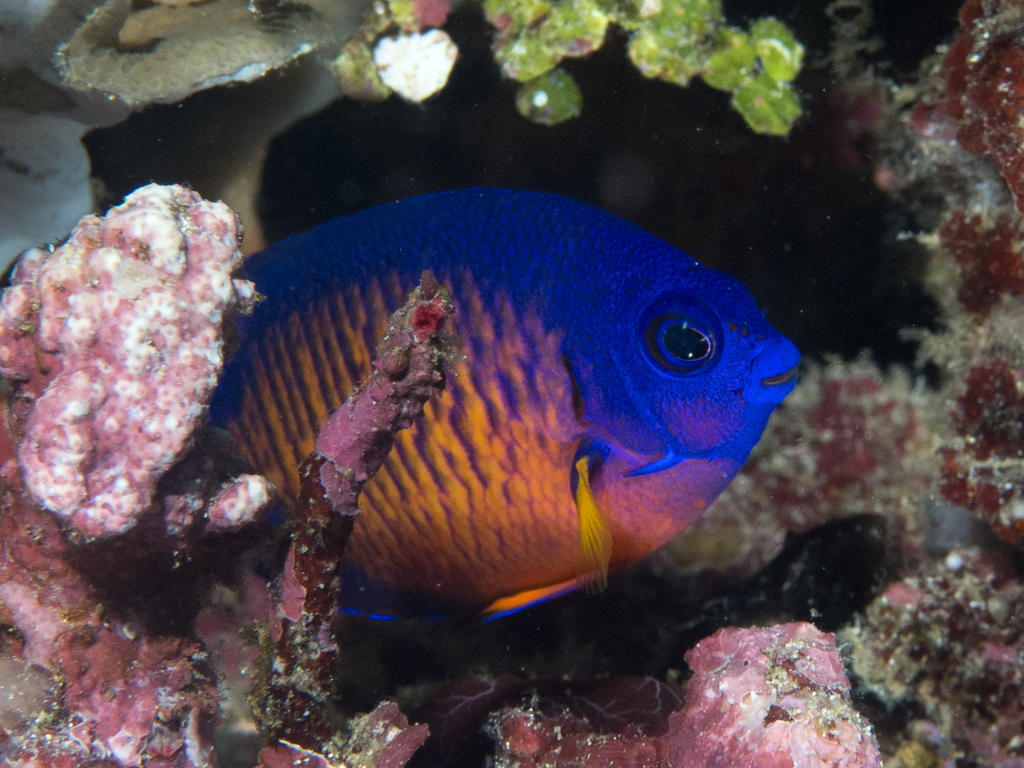 Coral Beauty
Centropyge bispinosa
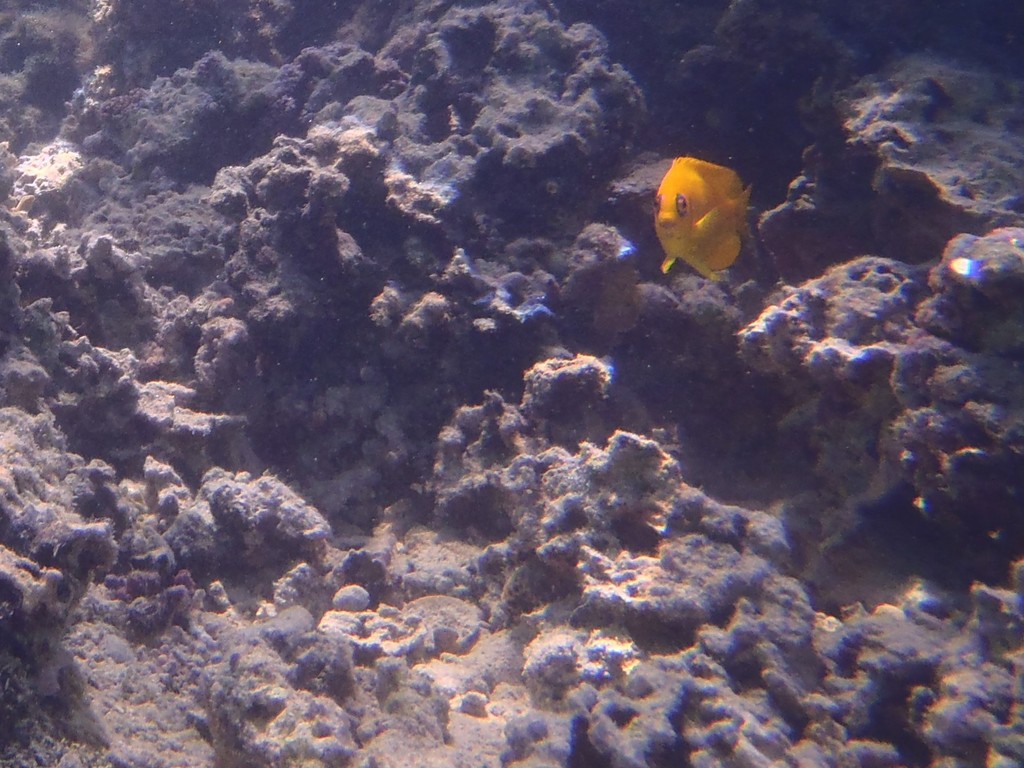 Lemon Peel
Centropyge flavissima
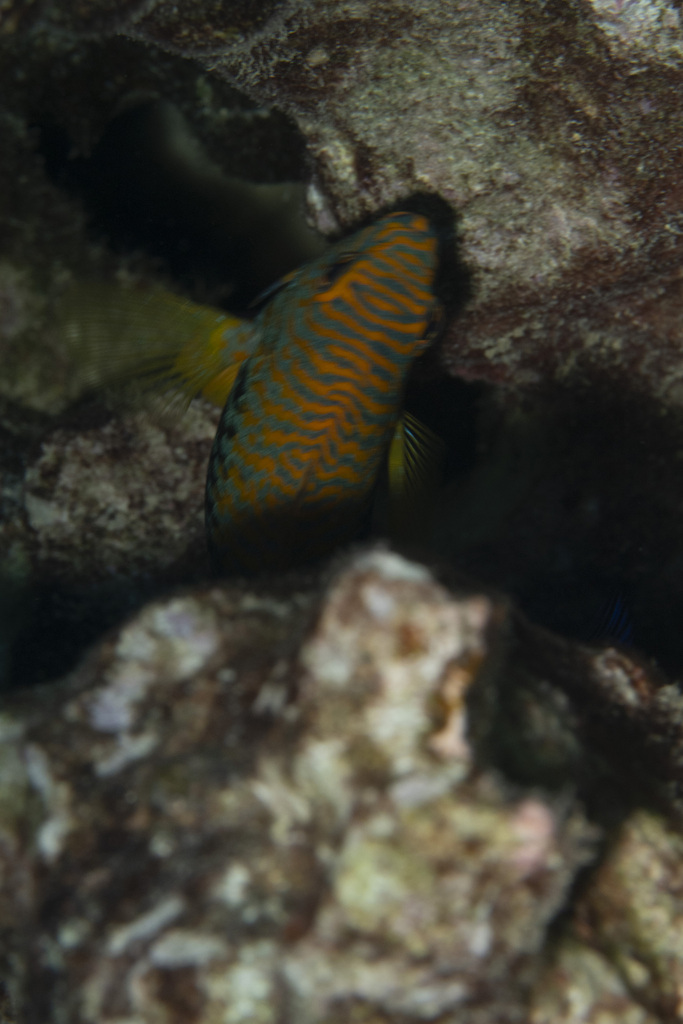 Potter's Angel
Centropyge potteri
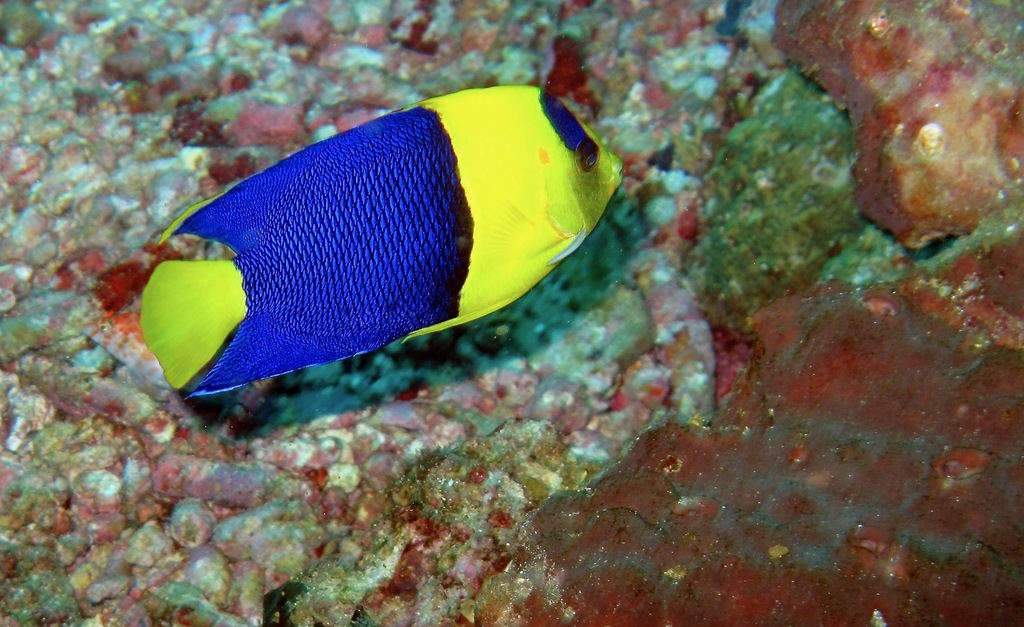 Bicolor angelfish
Centropyge bicolor
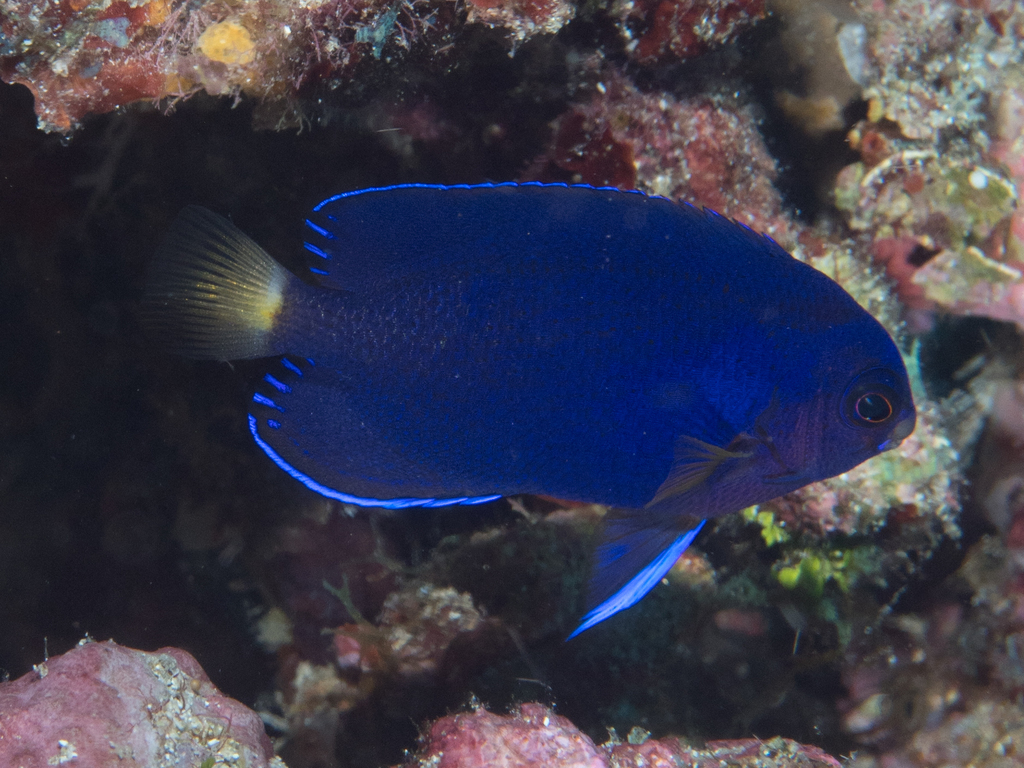 Damsel Angelfish
Centropyge fisheri
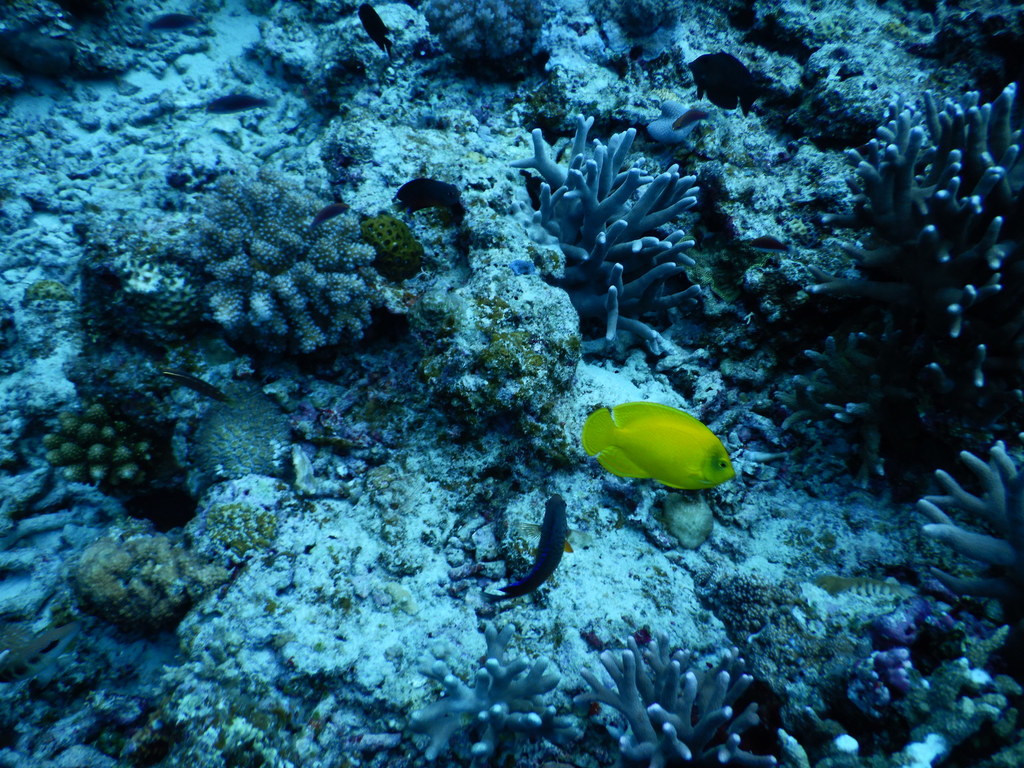 Golden Angelfish
Centropyge heraldi
Sources and credits
Names and taxonomy: WoRMS (CC BY 4.0) and the GBIF Backbone (CC BY 4.0). Photos: iNaturalist observers, each under the licence shown (CC0, CC BY or CC BY-SA).
- Depth, temperature, months and maps: records from OBIS and GBIF under CC0 or CC BY.
- Descriptions: Wikipedia, licensed CC BY-SA, each linked to its article.
- Conservation status as published by GBIF (IUCN Red List).
- 5,326 open-data records from 1954 to 2019.
- Species data updated November 1, 2026.
Log what you see on your next dive
The free DiveHive diver app keeps your logbook with every sighting and shows what lives at the site you dive next.