
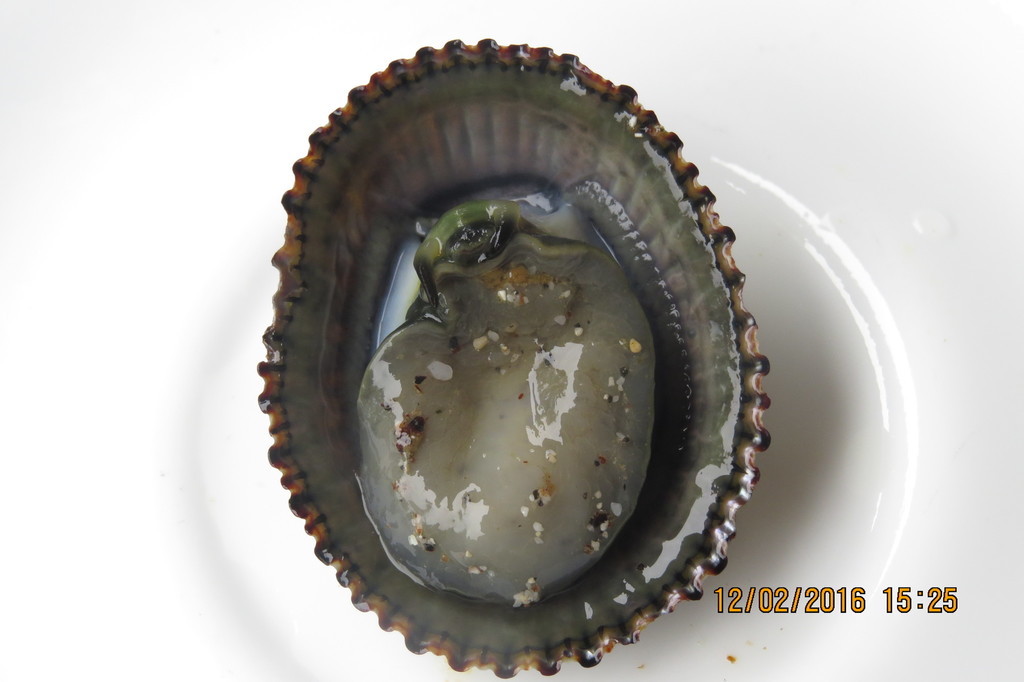
Black limpet
Cellana exarata
- Water temperature17–26 °C
- Best monthsMarch, May, and June
- How commonOccasional
Photo credit: no rights reserved, uploaded by Steve Wells · CC0 1.0 · iNaturalist
About this species
Cellana exarata, common name the black-foot ʻopihi and Hawaiian blackfoot is a species of edible true limpet, a marine gastropod mollusc in the family Nacellidae, one of the families of true limpets. 'Opihi are significant in Hawaiian history where they have had many uses such as food, tools, and jewelry. They are known as a "fish of death".
Text from the Wikipedia article “Cellana exarata”, licensed CC BY-SA 4.0. Read the article
Where and when
Where it has been recorded
Worldwide
Best months
Worldwide (open data)
- January: 42 records
- February: 42 records
- March: 57 records
- April: 42 records
- May: 50 records
- June: 44 records
- July: 36 records
- August: 31 records
- September: 9 records
- October: 20 records
- November: 24 records
- December: 27 records
Depth and water temperature
Water temperature
Recorded in surface water of 17–26 °C
Photos
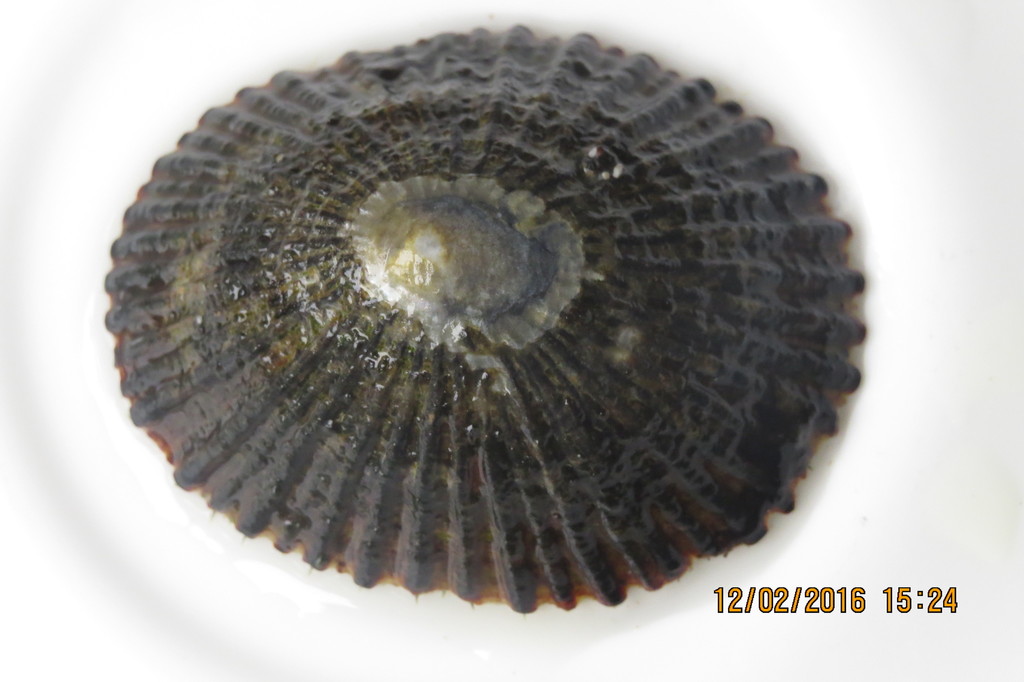
no rights reserved, uploaded by Steve Wells · CC0 1.0 · iNaturalist 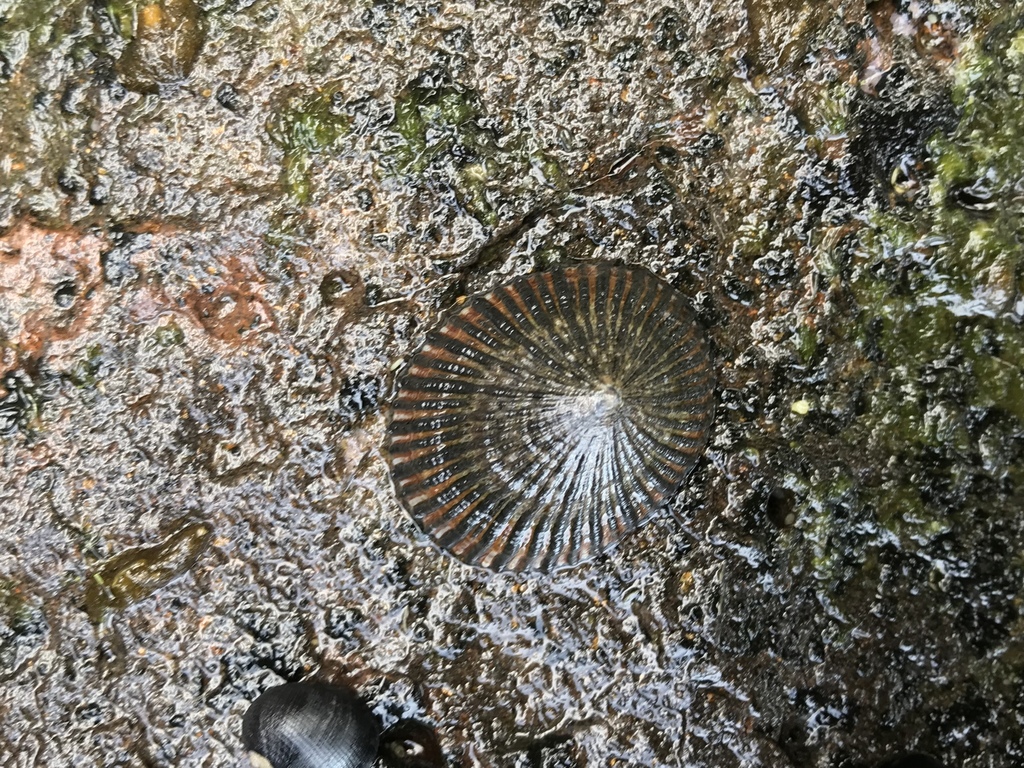
(c) Emily Chebul, some rights reserved (CC BY-SA) · CC BY-SA · iNaturalist 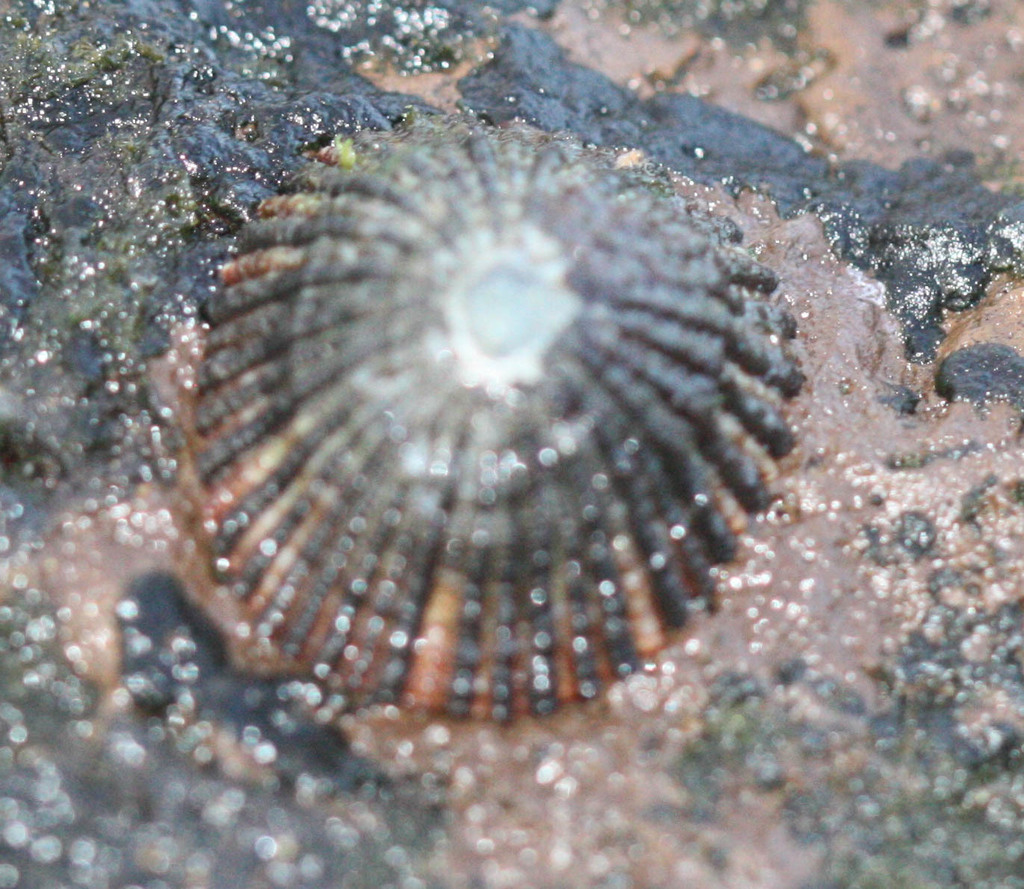
no rights reserved · CC0 1.0 · iNaturalist 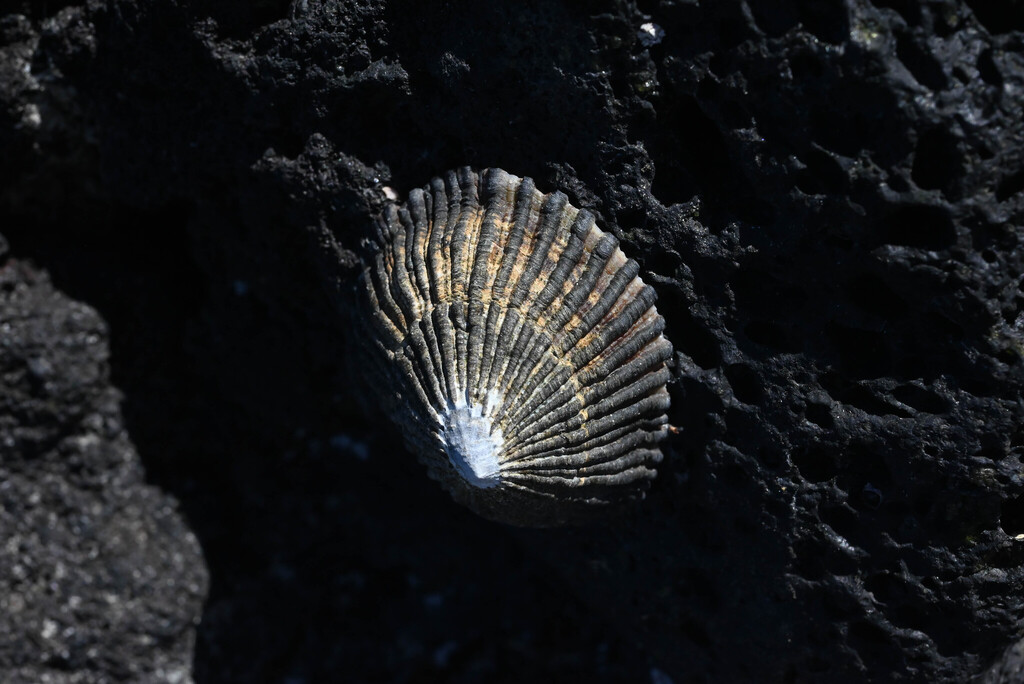
(c) Anders Hastings, some rights reserved (CC BY) · CC BY · iNaturalist 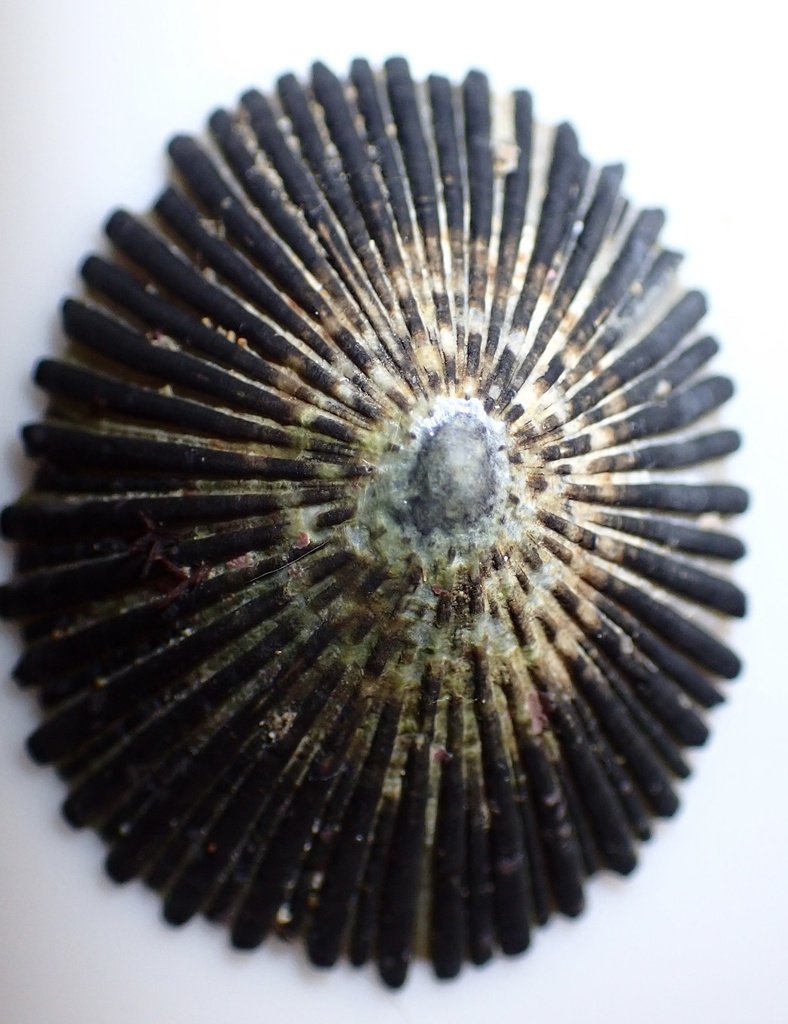
(c) Robin White, some rights reserved (CC BY) · CC BY · iNaturalist 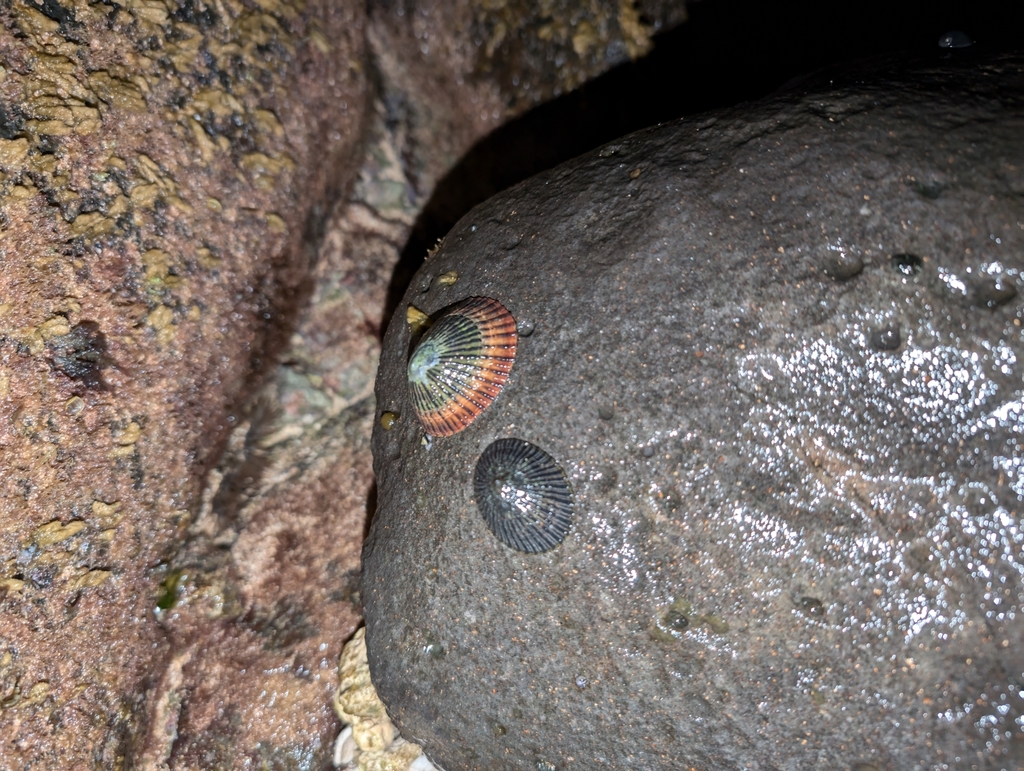
no rights reserved · CC0 1.0 · iNaturalist 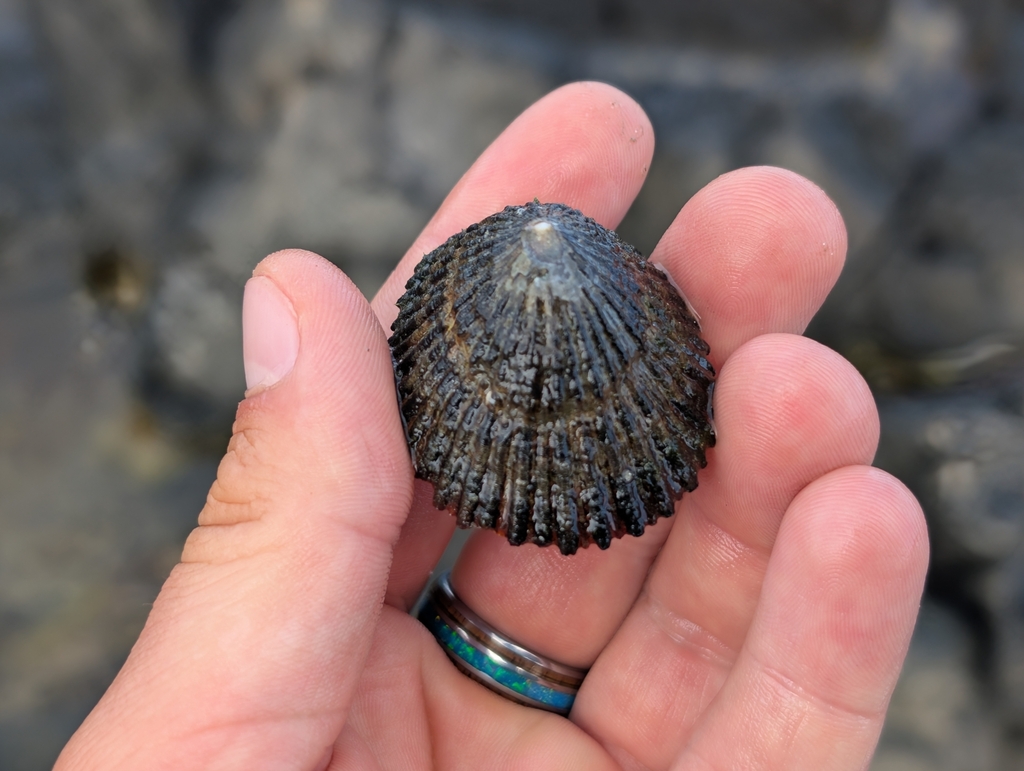
no rights reserved · CC0 1.0 · iNaturalist
Names and classification
- English
- Black limpet, Black-foot 'Opihi, black limpet
Names in 2 more languages
- German
- Schwarze Napfschnecke
- Japanese
- クロスジカサガイ
Other scientific names: Patella exarata
Similar species
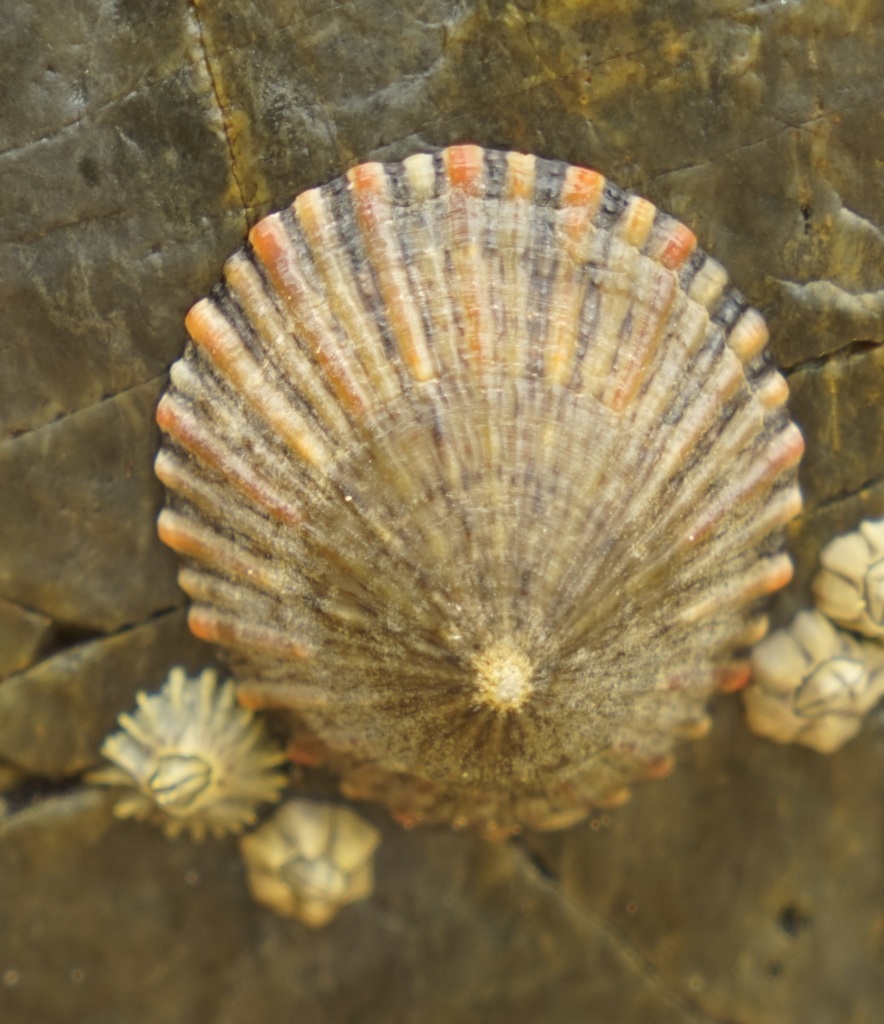 Variegated limpet
Cellana tramoserica
 Denticulate Limpet
Cellana denticulata
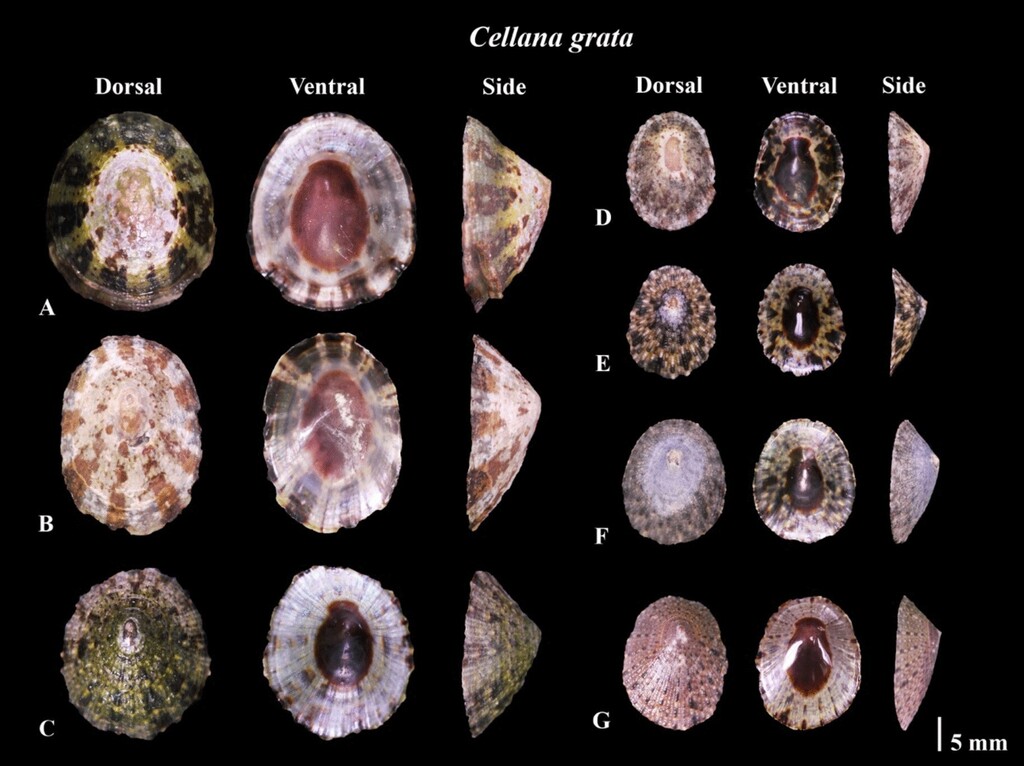 Japanese Grata Limpet
Cellana grata
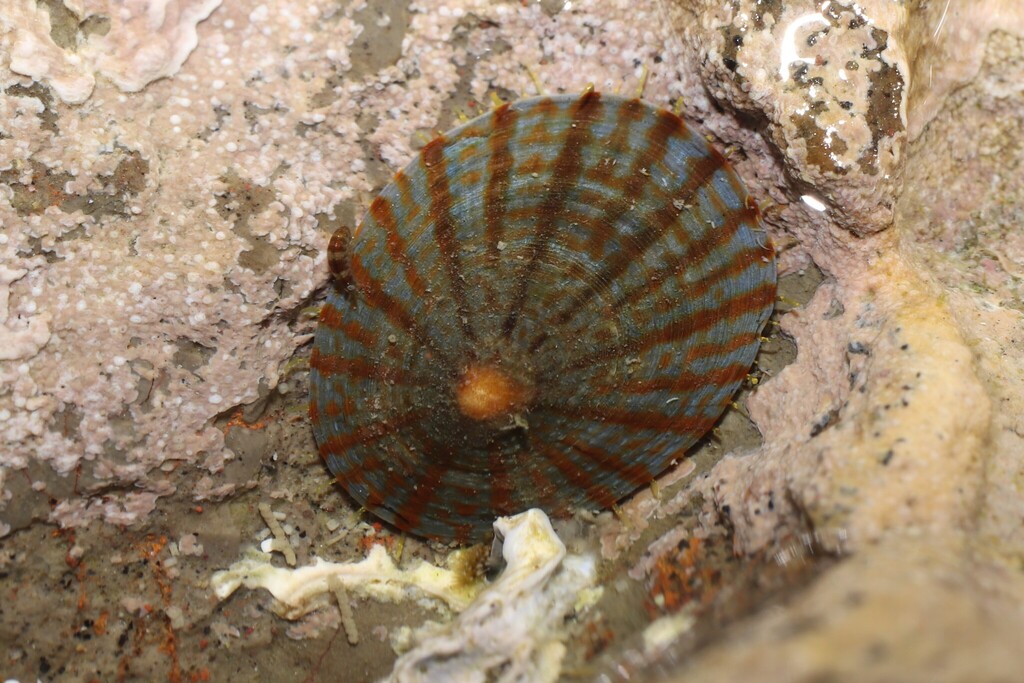
 Ornate Limpet
Cellana ornata
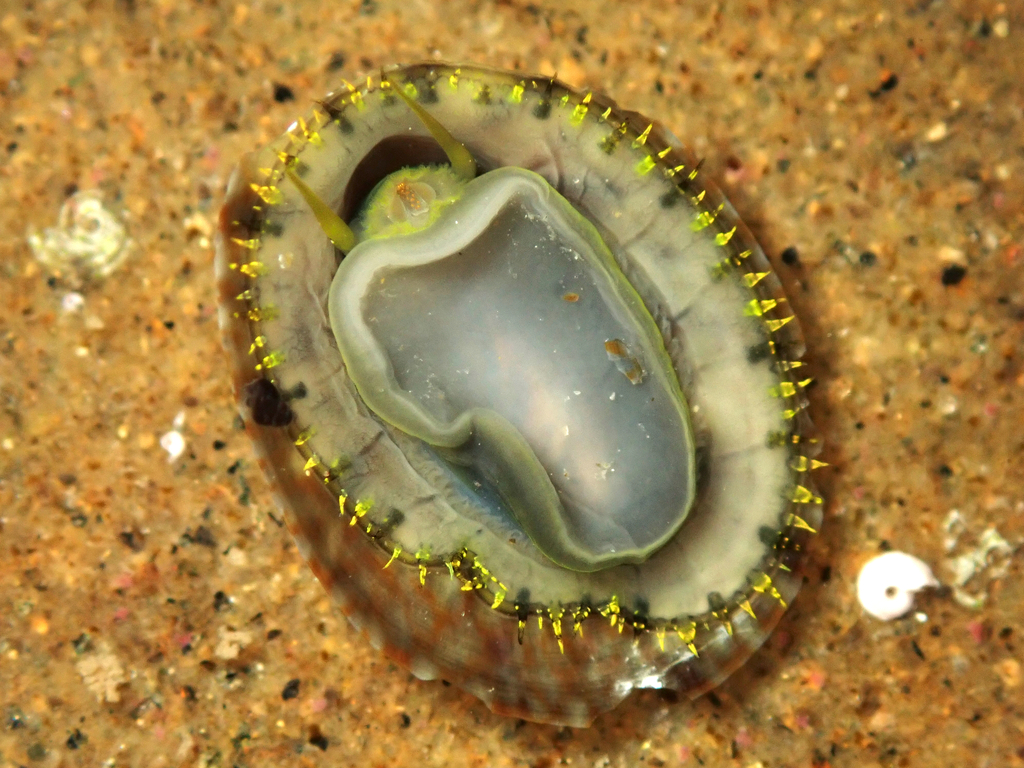 Golden Limpet
Cellana radians
Sources and credits
Names and taxonomy: WoRMS (CC BY 4.0) and the GBIF Backbone (CC BY 4.0). Photos: iNaturalist observers, each under the licence shown (CC0, CC BY or CC BY-SA).
- Depth, temperature, months and maps: records from OBIS and GBIF under CC0 or CC BY.
- Descriptions: Wikipedia, licensed CC BY-SA, each linked to its article.
- Conservation status as published by GBIF (IUCN Red List).
- 239 open-data records from 1913 to 1933.
- Species data updated November 1, 2026.
Log what you see on your next dive
The free DiveHive diver app keeps your logbook with every sighting and shows what lives at the site you dive next.