

Spotted dragonet
Callionymus maculatus
- Usual depth30–140 m
- Water temperature10–20 °C
- Best monthsNovember
- How commonCommon
Photo credit: (c) Libby Keatley, some rights reserved (CC BY) · CC BY · iNaturalist
About this species
The spotted dragonet is a species of dragonet native to the eastern Atlantic Ocean and the Mediterranean Sea where it occurs at depths of from 45 to 650 metres. This species is important to local peoples engaged in subsistence fishing.
Text from the Wikipedia article “Spotted dragonet”, licensed CC BY-SA 4.0. Read the article
Where and when
Where it has been recorded
Worldwide
Best months
Worldwide (open data)
- January: 1,367 records
- February: 3,942 records
- March: 1,978 records
- April: 375 records
- May: 579 records
- June: 281 records
- July: 326 records
- August: 1,710 records
- September: 4,174 records
- October: 1,767 records
- November: 9,307 records
- December: 1,806 records
Depth and water temperature
Depth
Mostly recorded at 30–140 m · Deepest record: 453 m
Water temperature
Recorded in surface water of 10–20 °C
Names and classification
- English
- Spotted dragonet, spotted dragonet, Spotted Dragonet
Names in 3 more languages
- German
- gefleckter Leierfisch, Gefleckter Leierfisch
- Spanish
- Dragoncillo Moteado, Lagarto
- French
- dragonnet tacheté, Dragonnet tacheté, Dragon Tacheté, petit dragonnet tacheté
Other scientific names: Callionymus cithara, Callionymus maculates, Callyonimus maculatus
Similar species
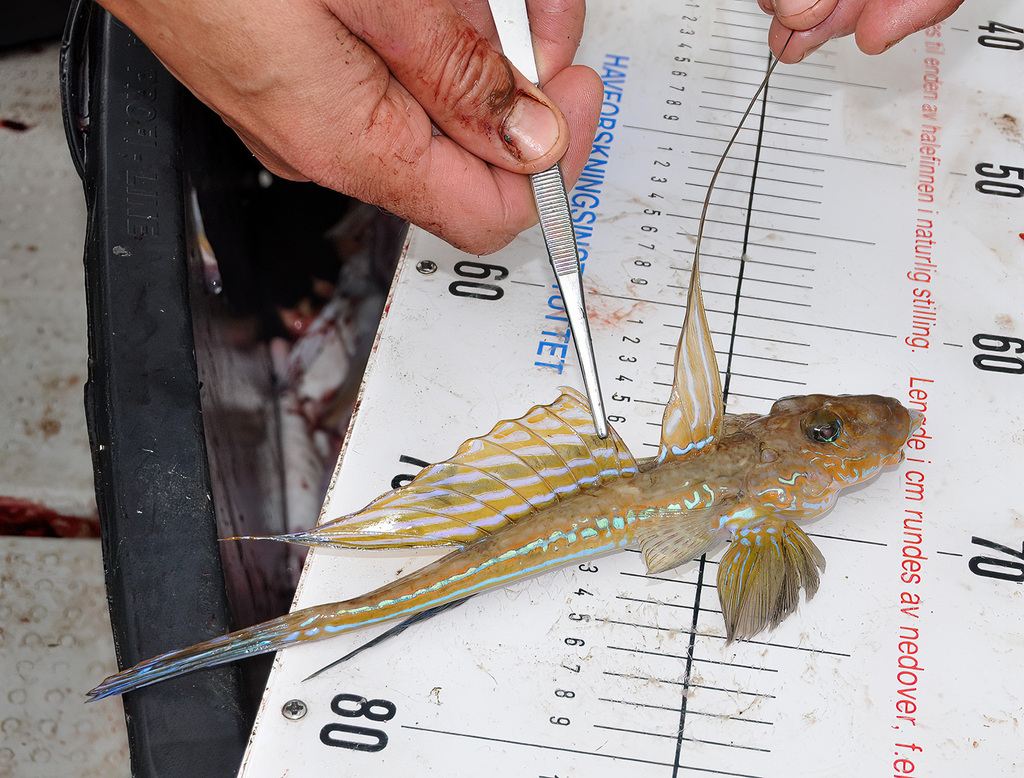 Common dragonet
Callionymus lyra
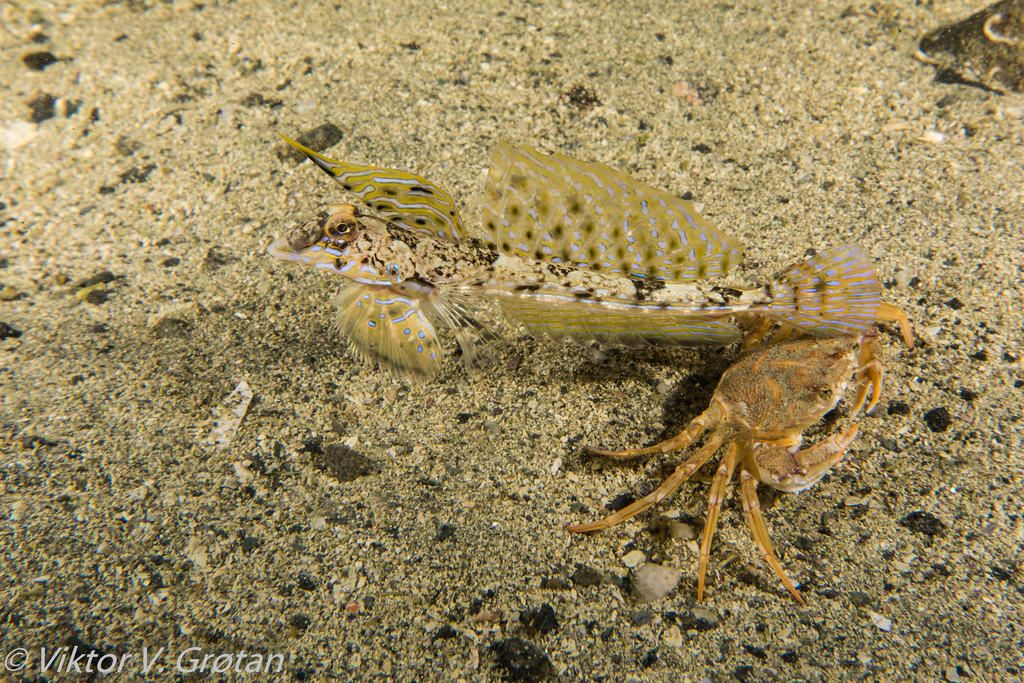 Reticulate dragonet
Callionymus reticulatus
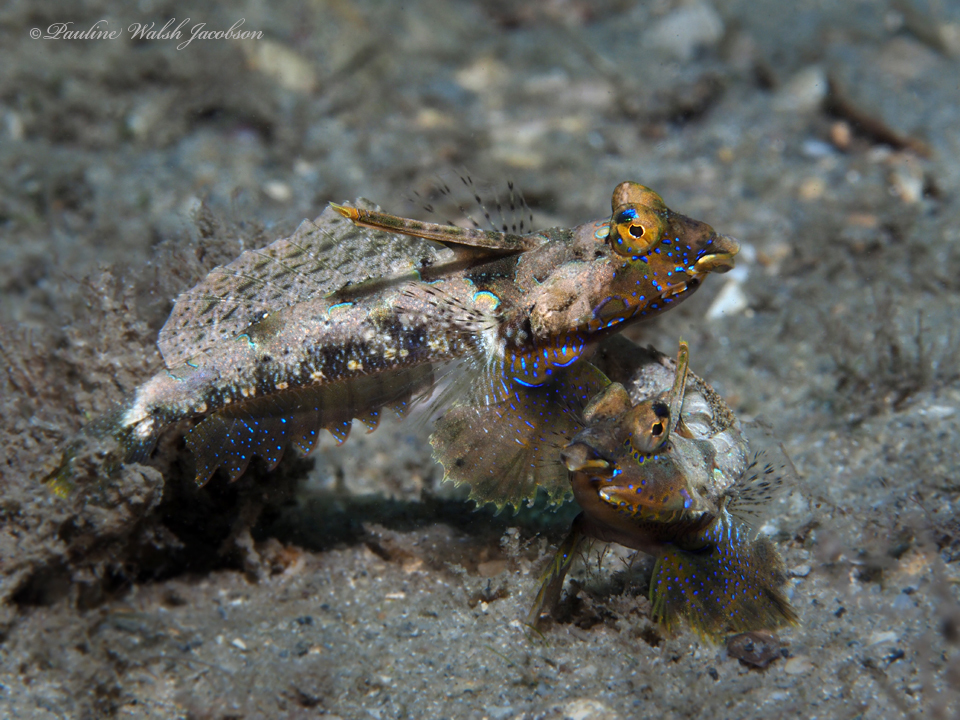 Lancer dragonet
Callionymus bairdi
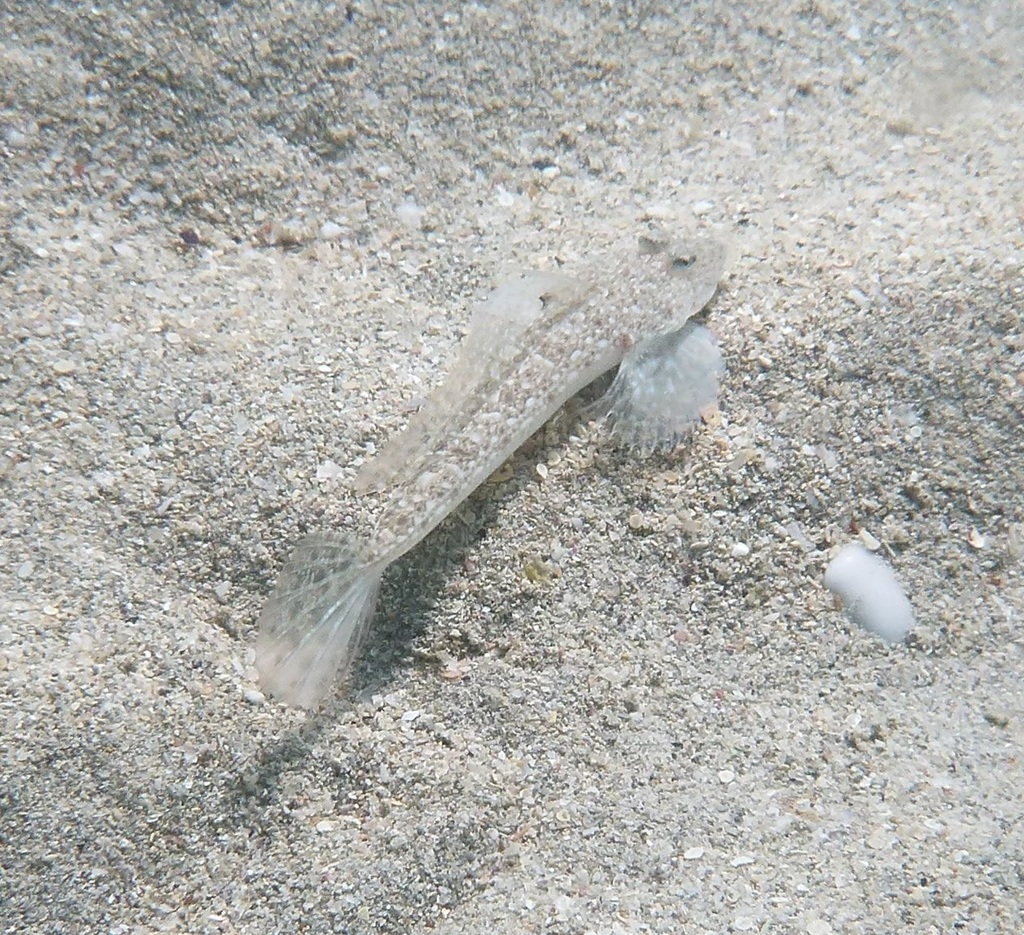 Goodlad's Dragonet
Callionymus goodladi
- Common Dragonet
Callionymus enneactis
- Blotchfin dragonet
Callionymus filamentosus
Sources and credits
Names and taxonomy: WoRMS (CC BY 4.0) and the GBIF Backbone (CC BY 4.0). Photos: iNaturalist observers, each under the licence shown (CC0, CC BY or CC BY-SA).
- Depth, temperature, months and maps: records from OBIS and GBIF under CC0 or CC BY.
- Descriptions: Wikipedia, licensed CC BY-SA, each linked to its article.
- Conservation status as published by GBIF (IUCN Red List).
- 52,762 open-data records from 1923 to 2024.
- Species data updated November 9, 2026.
Log what you see on your next dive
The free DiveHive diver app keeps your logbook with every sighting and shows what lives at the site you dive next.