
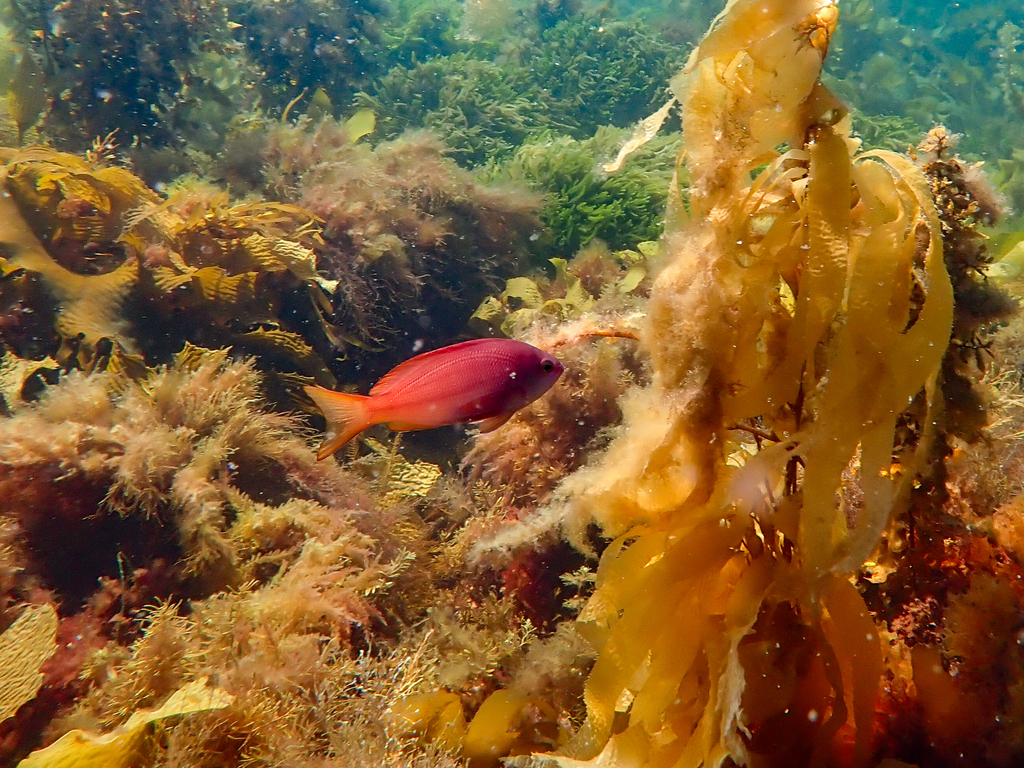
Barber Perch
Caesioperca rasor
- Usual depth5–132 m
- Water temperature-2–21 °C
- Best monthsJune
- How commonOccasional
Photo credit: (c) Bruce Deagle, some rights reserved (CC BY) · CC BY · iNaturalist
About this species
The barber perch, also called the barber sea perch, red perch or Tasmanian barber, is endemic to Australia, found from southern Victoria to southwestern Western Australia, including Tasmania.
Text from the Wikipedia article “Barber perch”, licensed CC BY-SA 4.0. Read the article
Where and when
Where it has been recorded
Worldwide
Best months
Worldwide (open data)
- January: 40 records
- February: 67 records
- March: 197 records
- April: 174 records
- May: 186 records
- June: 342 records
- July: 29 records
- August: 40 records
- September: 31 records
- October: 67 records
- November: 158 records
- December: 150 records
Depth and water temperature
Depth
Mostly recorded at 5–132 m · Deepest record: 241 m
Water temperature
Recorded in surface water of -2–21 °C
Photos
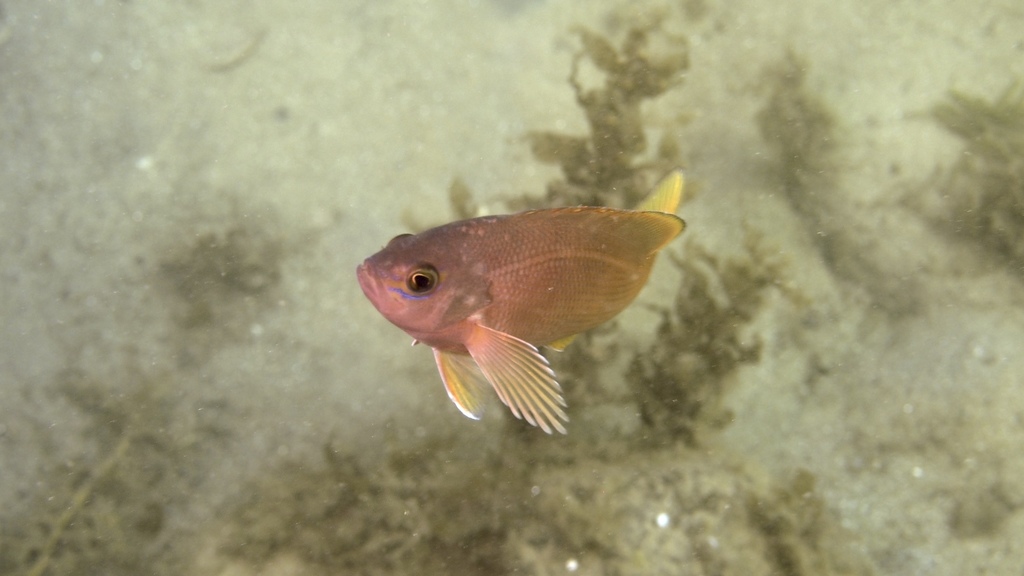
(c) Christopher Mark, some rights reserved (CC BY) · CC BY · iNaturalist 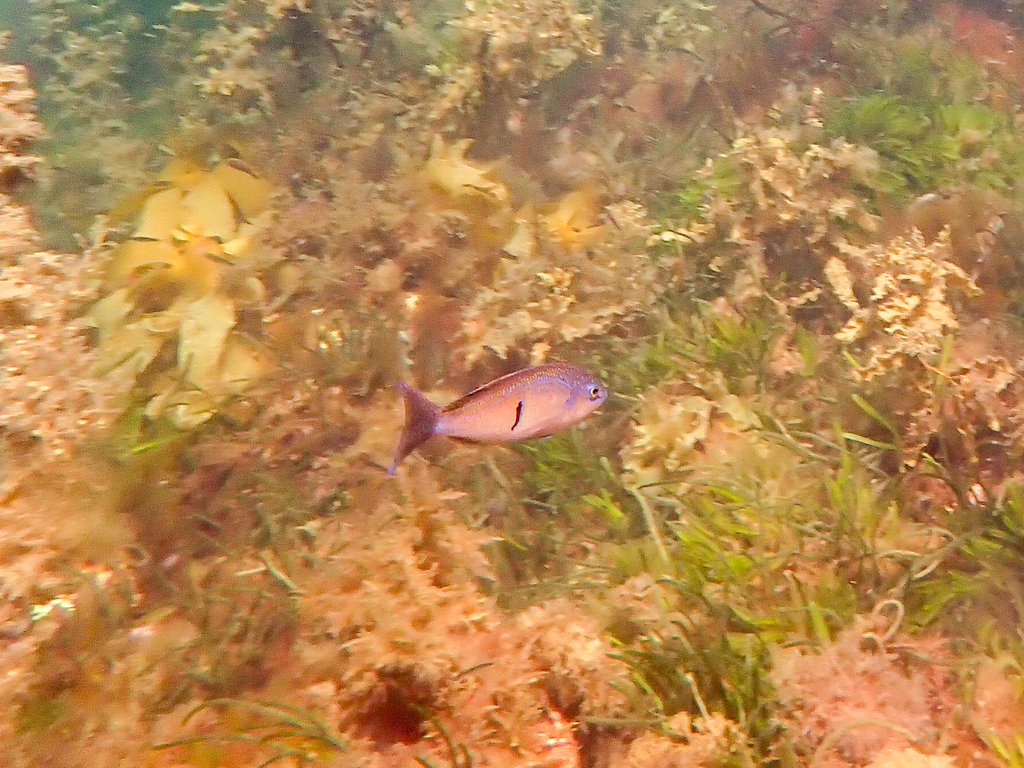
(c) Bruce Deagle, some rights reserved (CC BY) · CC BY · iNaturalist 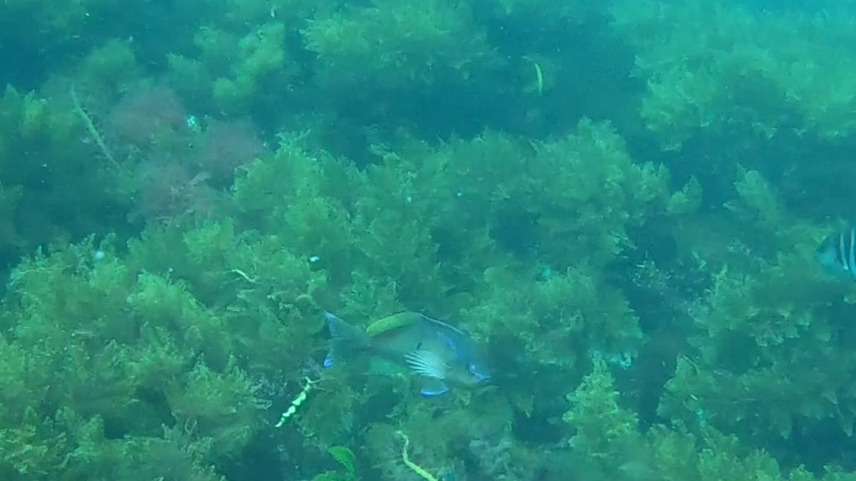
no rights reserved · CC0 1.0 · iNaturalist 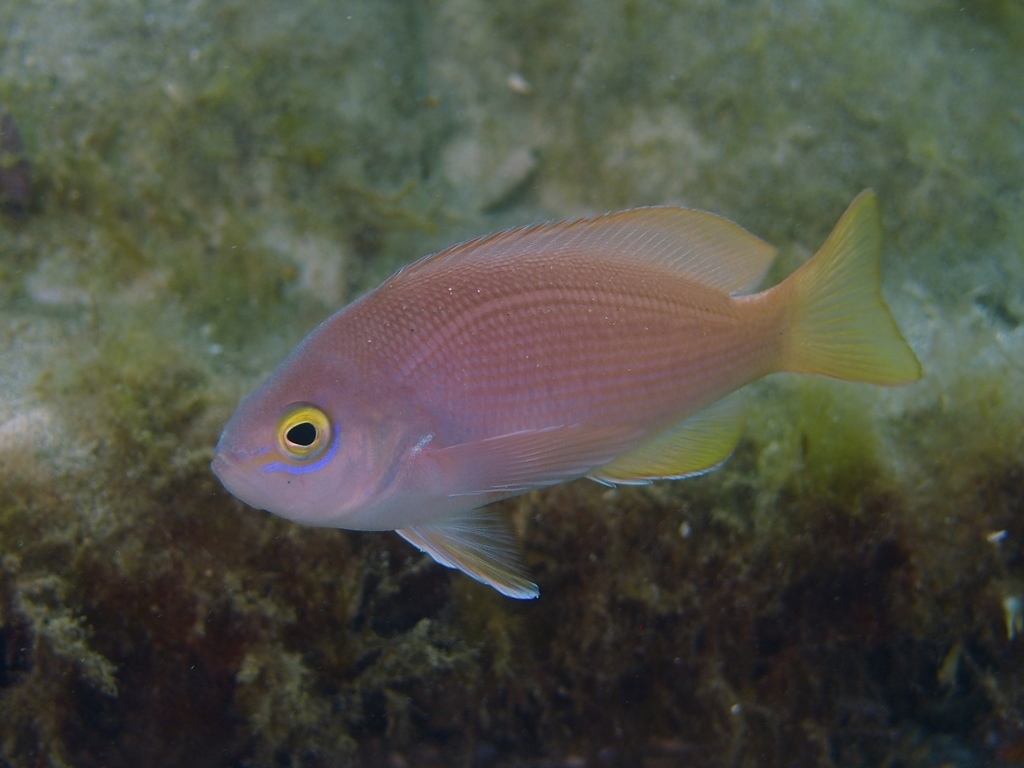
(c) Christopher Mark, some rights reserved (CC BY) · CC BY · iNaturalist 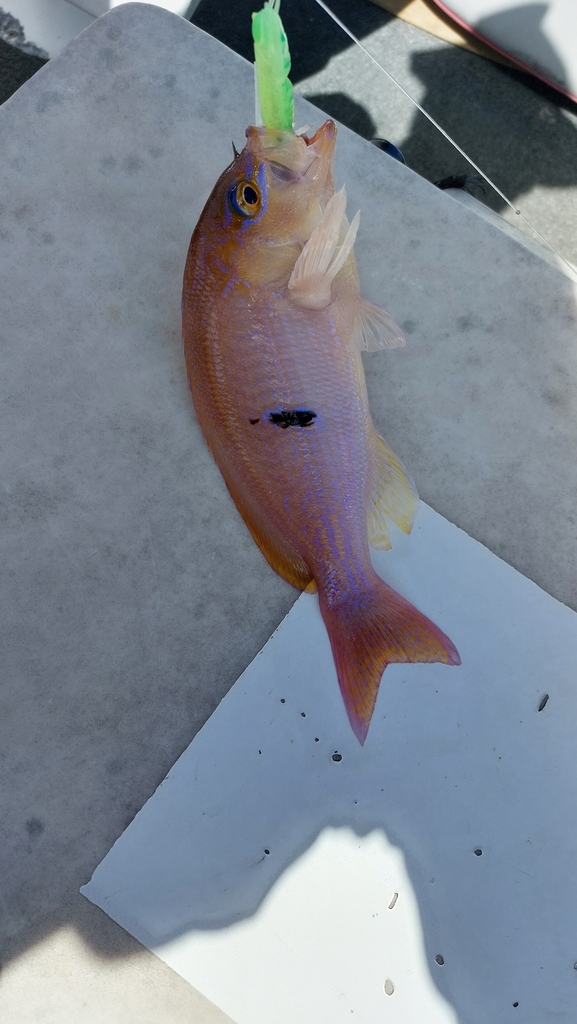
(c) Brendan Costello, some rights reserved (CC BY) · CC BY · iNaturalist
Names and classification
- English
- Barber Perch, Barber Sea Perch, Red Perch, Tasmanian Barber
Names in 2 more languages
- Spanish
- barbero de Tasmania
- Simplified Chinese
- 胸點梅鱸
Other scientific names: Anthias rasor, Lacepedia cataphracta, Serranus rasor
Similar species
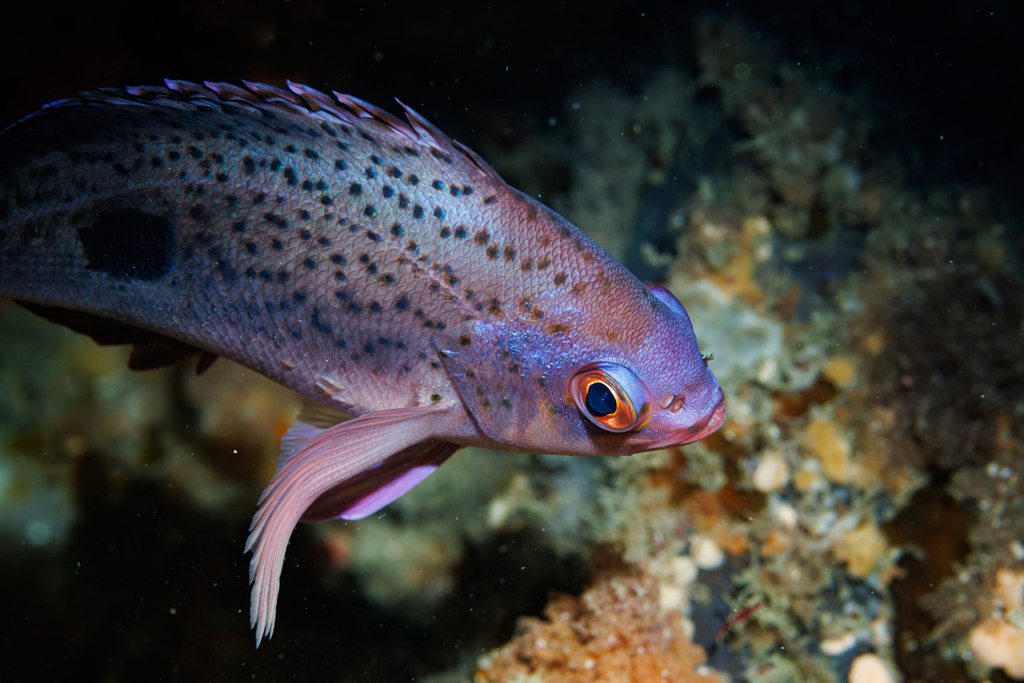 Butterfly Perch
Caesioperca lepidoptera
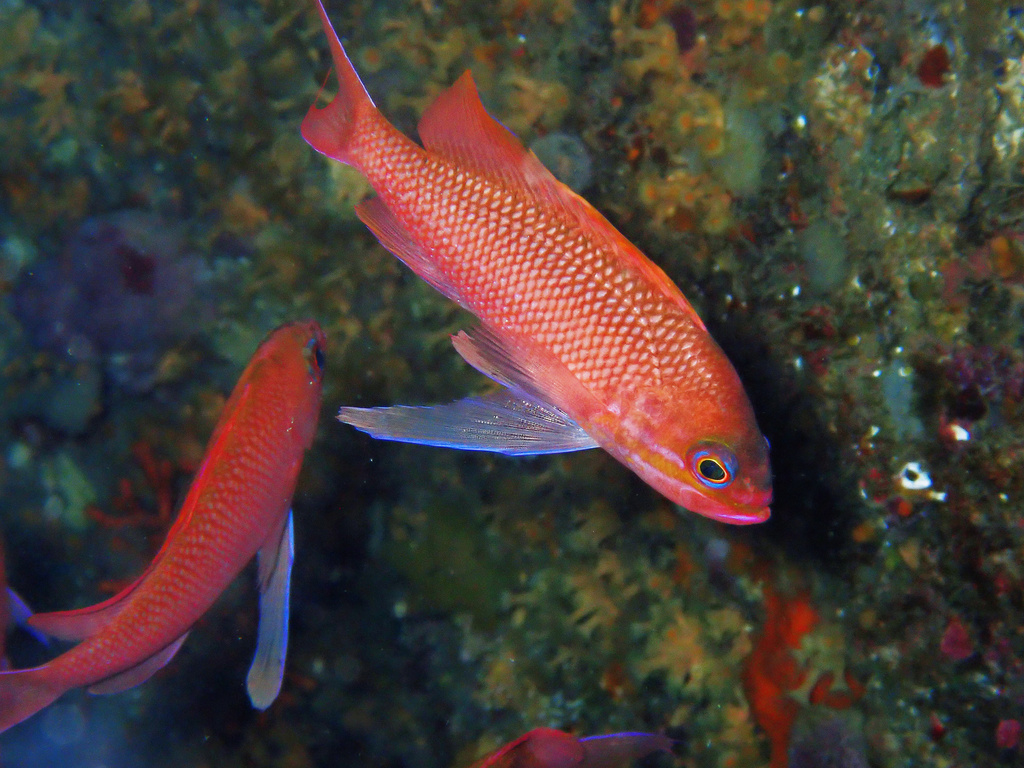 Marine goldfish
Anthias anthias
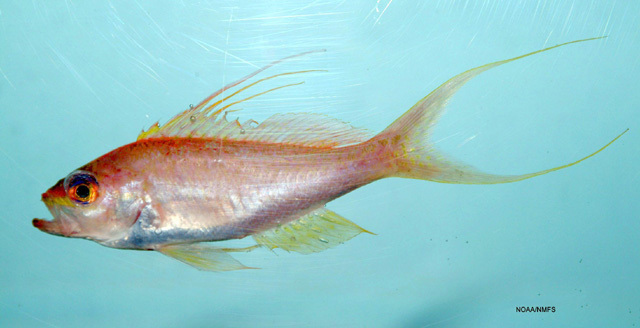 red barbier
Baldwinella vivanus
 Longfin anthias
Caprodon longimanus
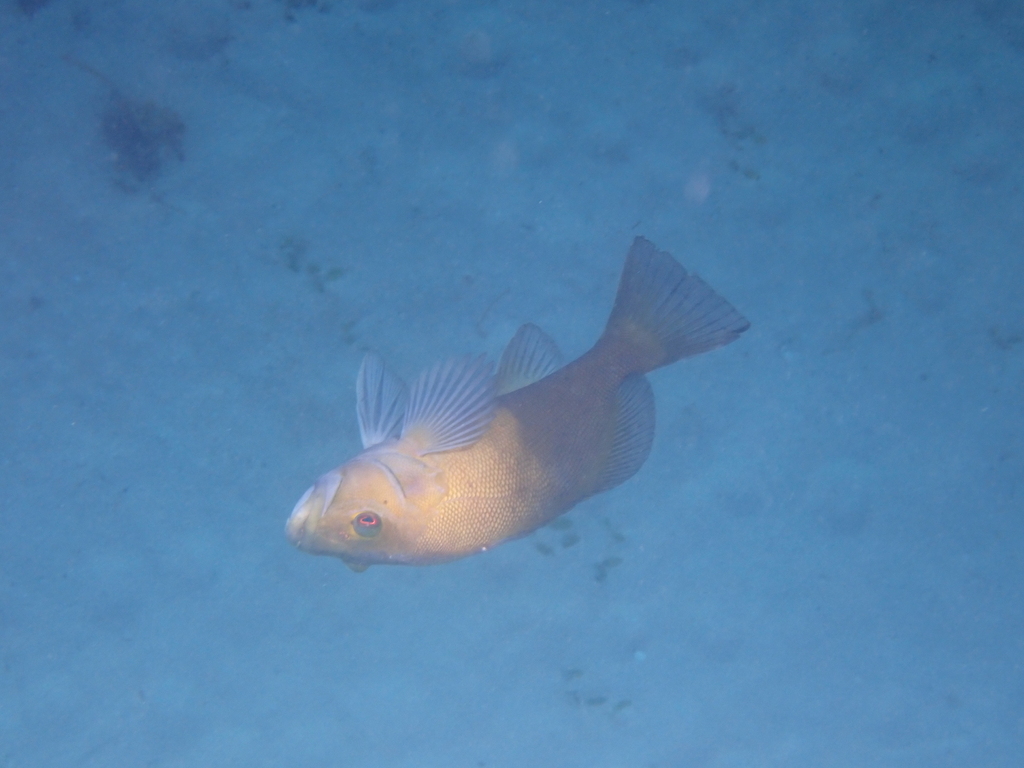 Black-arse
Epinephelides armatus
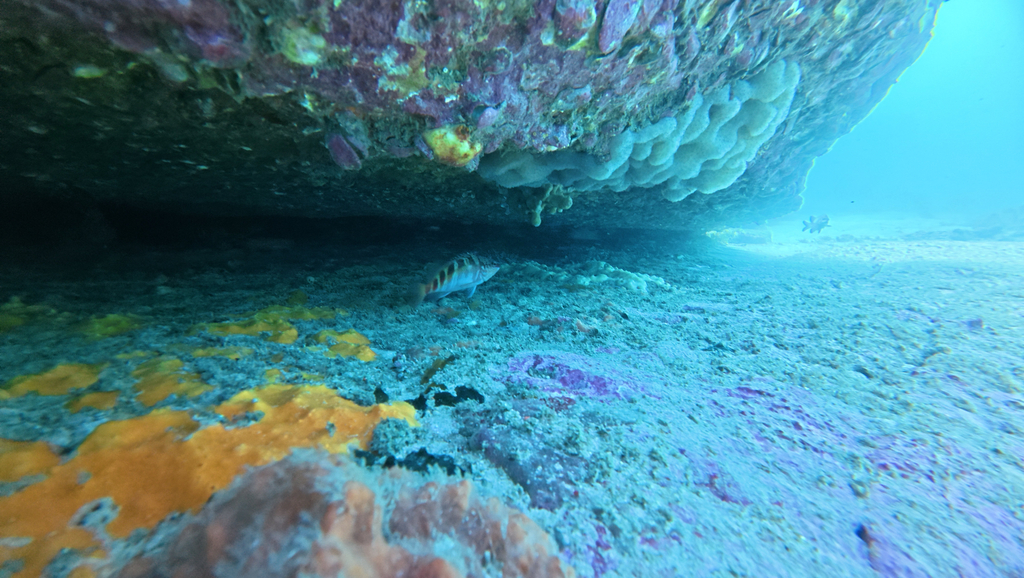 Australian Half-banded Seaperch
Hypoplectrodes maccullochi
Sources and credits
Names and taxonomy: WoRMS (CC BY 4.0) and the GBIF Backbone (CC BY 4.0). Photos: iNaturalist observers, each under the licence shown (CC0, CC BY or CC BY-SA).
- Depth, temperature, months and maps: records from OBIS and GBIF under CC0 or CC BY.
- Descriptions: Wikipedia, licensed CC BY-SA, each linked to its article.
- Conservation status as published by GBIF (IUCN Red List).
- 2,648 open-data records from 1878 to 2024.
- Species data updated November 1, 2026.
Log what you see on your next dive
The free DiveHive diver app keeps your logbook with every sighting and shows what lives at the site you dive next.