
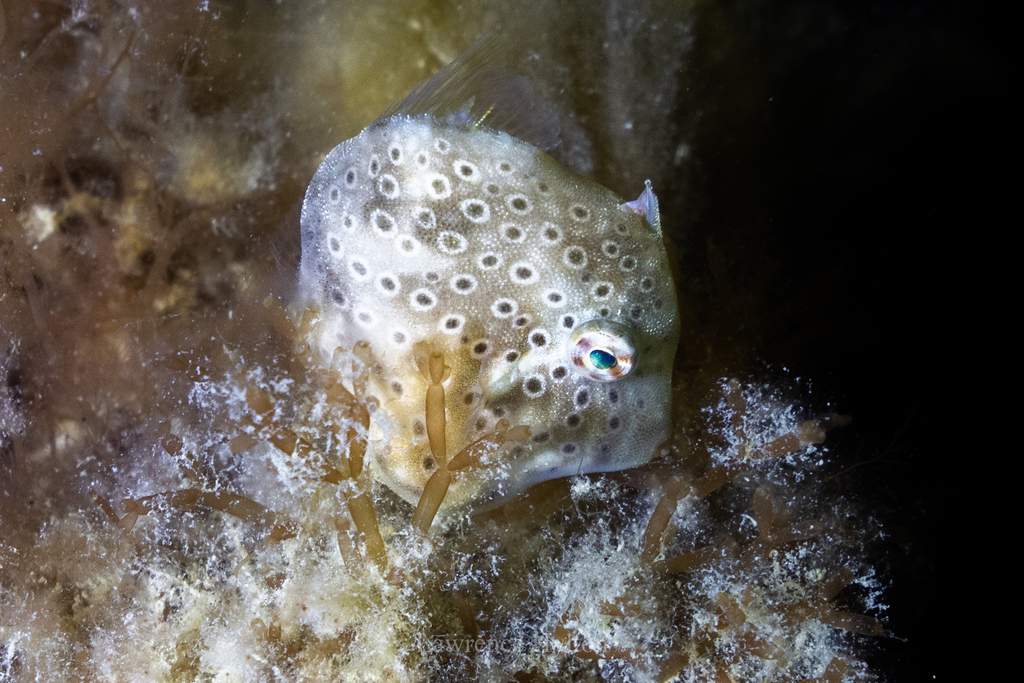
Pigmy leatherjacket
Brachaluteres jacksonianus
- Usual depth2–35 m
- Water temperature14–25 °C
- Best monthsJanuary, February, and March
- How commonOccasional
Photo credit: (c) Lawrence Hylton, some rights reserved (CC BY) · CC BY · iNaturalist
About this species
The Southern pygmy leatherjacket is a filefish endemic to Australia, found in temperate coastal waters and reefs from southern Queensland around to south-west Western Australia, including Tasmania.
Text from the Wikipedia article “Southern pygmy leatherjacket”, licensed CC BY-SA 4.0. Read the article
Where and when
Where it has been recorded
Worldwide
Best months
Worldwide (open data)
- January: 306 records
- February: 317 records
- March: 420 records
- April: 297 records
- May: 219 records
- June: 220 records
- July: 123 records
- August: 152 records
- September: 231 records
- October: 234 records
- November: 245 records
- December: 270 records
Depth and water temperature
Depth
Mostly recorded at 2–35 m · Deepest record: 61.5 m
Water temperature
Recorded in surface water of 14–25 °C
Photos
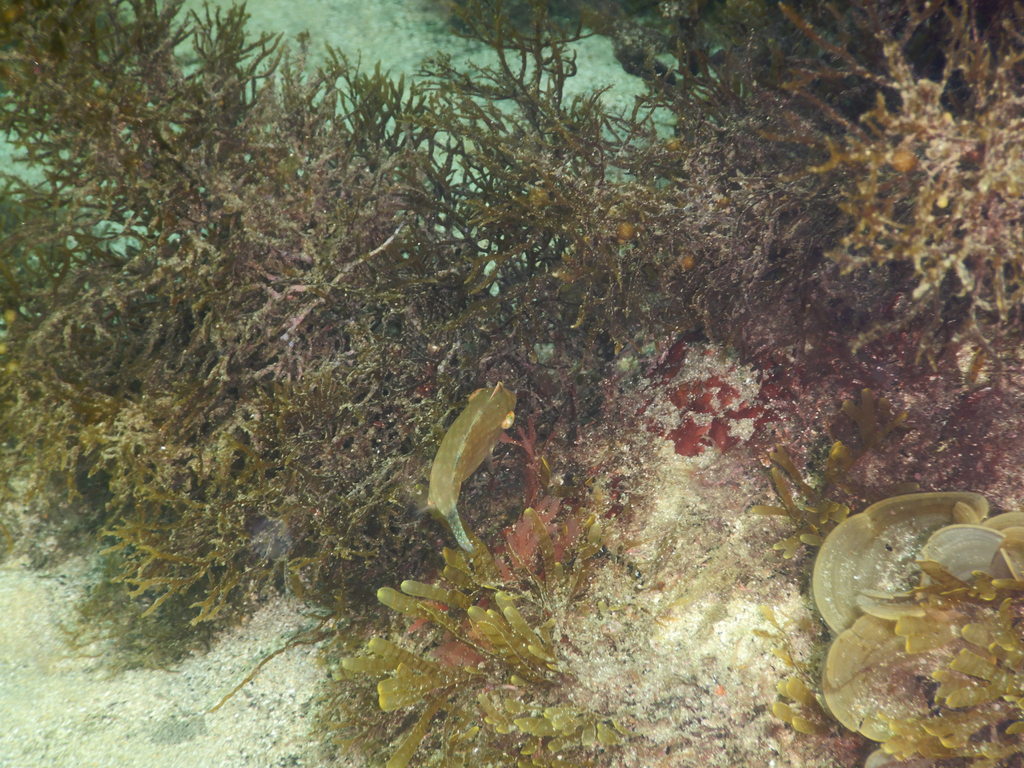
(c) Bryce Watts-Parker, some rights reserved (CC BY) · CC BY · iNaturalist 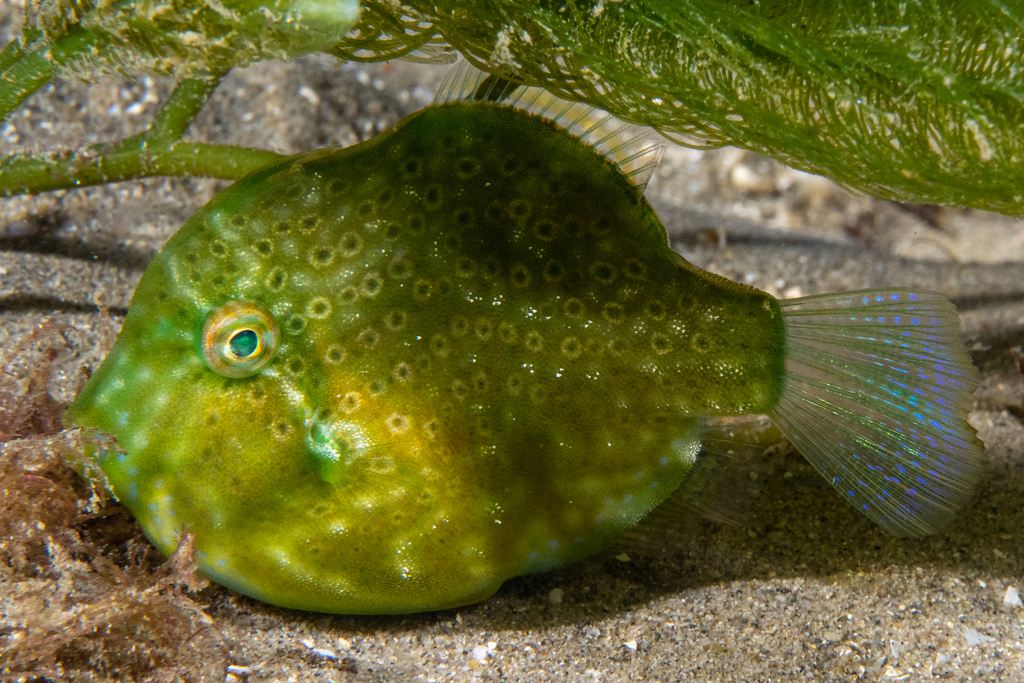
(c) Christopher Mark, some rights reserved (CC BY) · CC BY · iNaturalist 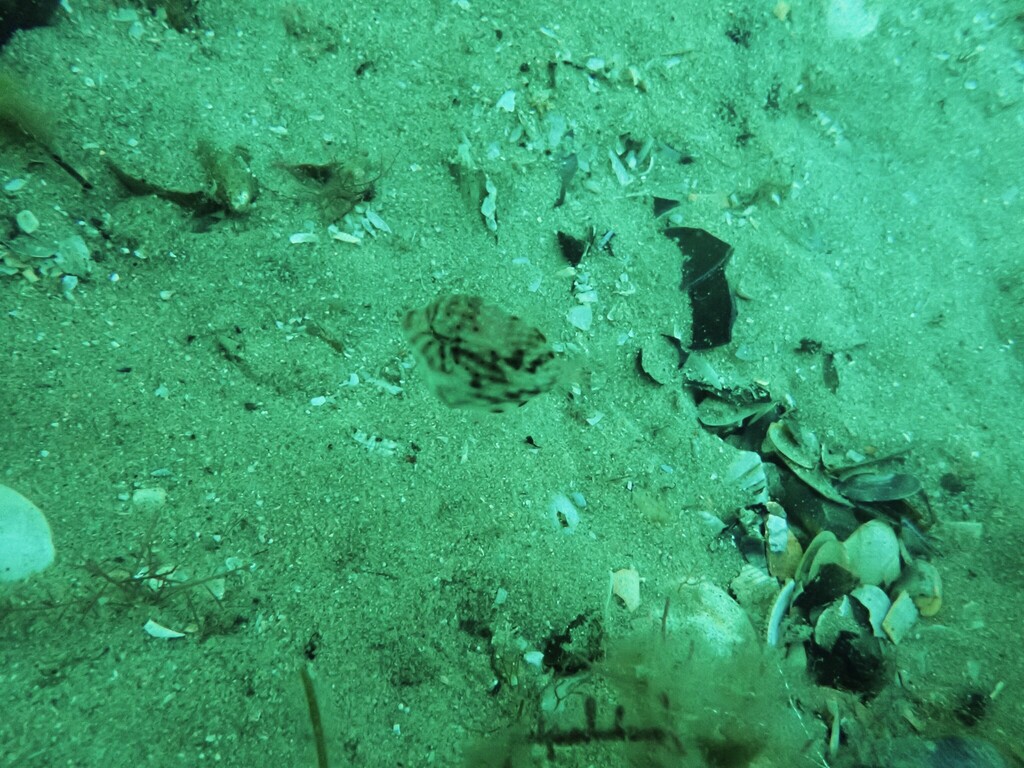
(c) ttsquid, some rights reserved (CC BY) · CC BY · iNaturalist 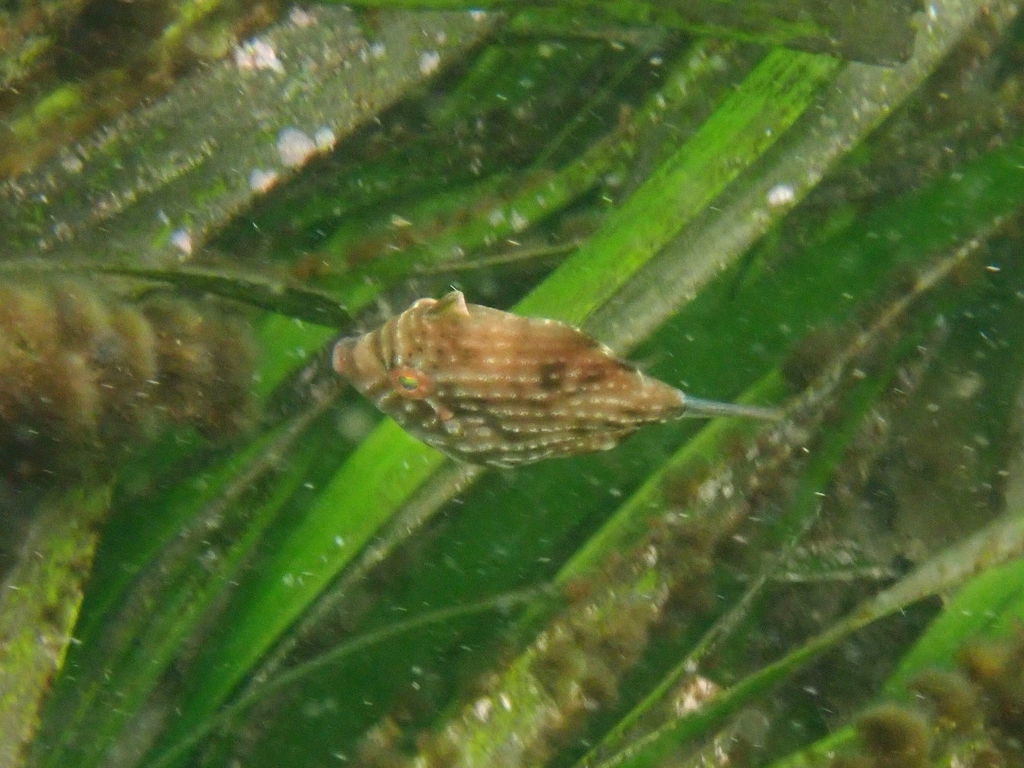
(c) Ben Jobson, some rights reserved (CC BY) · CC BY · iNaturalist 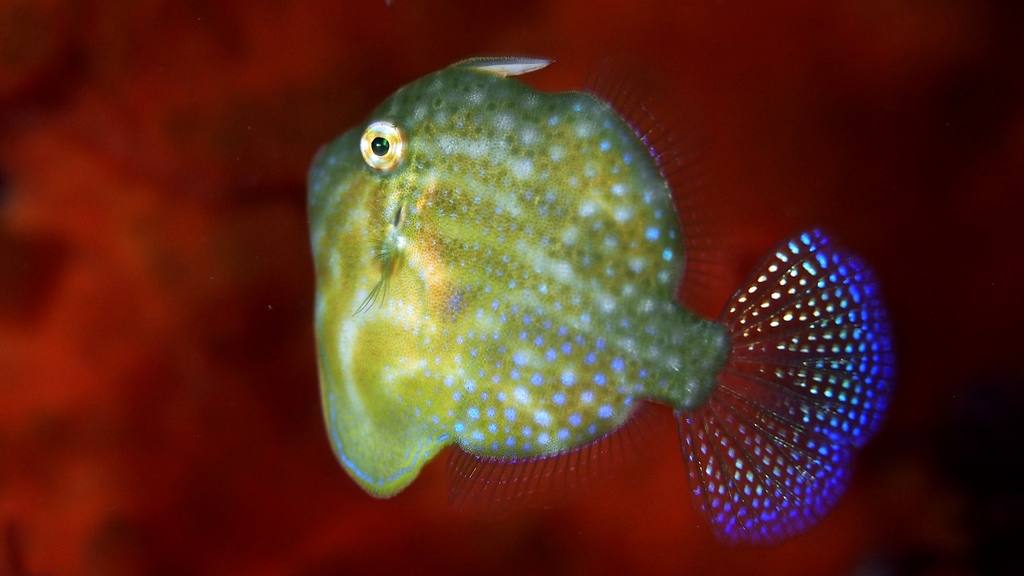
(c) Christopher Mark, some rights reserved (CC BY) · CC BY · iNaturalist 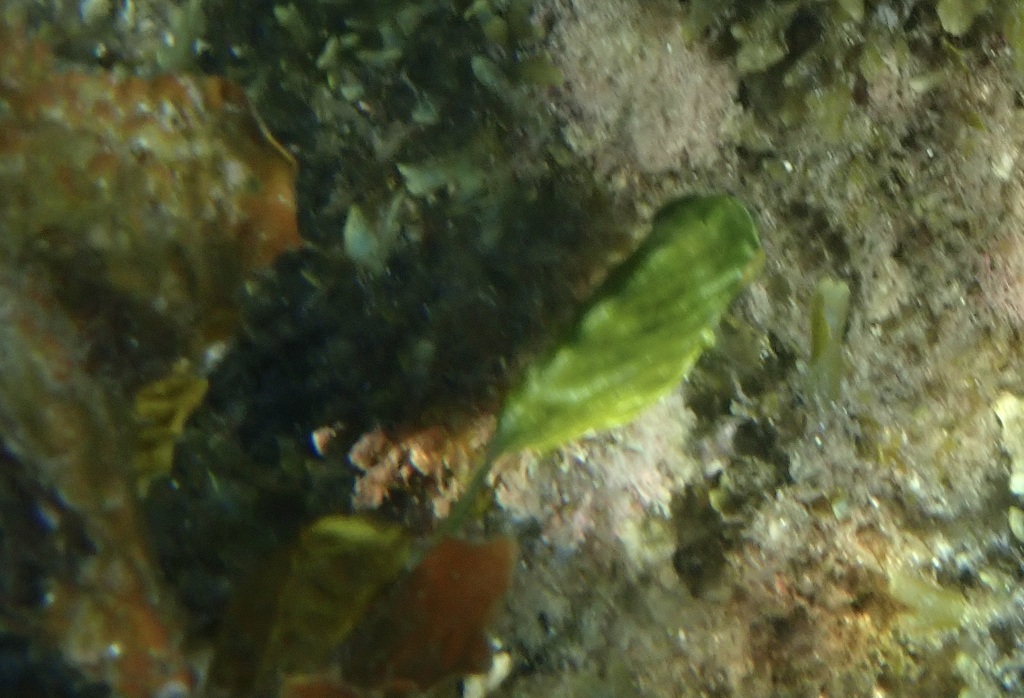
(c) libby hepburn, some rights reserved (CC BY) · CC BY · iNaturalist 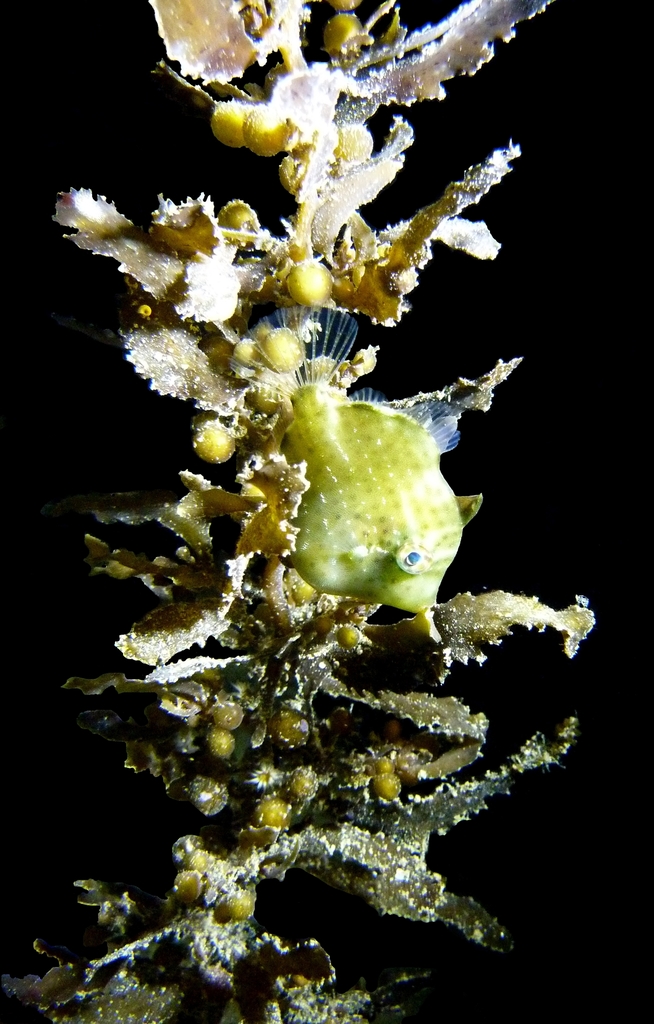
(c) Kai Squires, some rights reserved (CC BY) · CC BY · iNaturalist
Names and classification
- English
- Pigmy leatherjacket, Pygmy Leatherjacket, Southern Pygmy Leatherjacket
Names in 3 more languages
- German
- Zwerglederjacke
- Spanish
- Pez Lija Pigmea
- Simplified Chinese
- 杰克逊短革单棘鲀
Other scientific names: Aleuterius baueri, Aleuterius trossulus, Balistes jacksonianus, Brachaluteres baueri, Brachaluteres fidens, Brachaluteres trossulus, Brachaluteres wolfei
Similar species
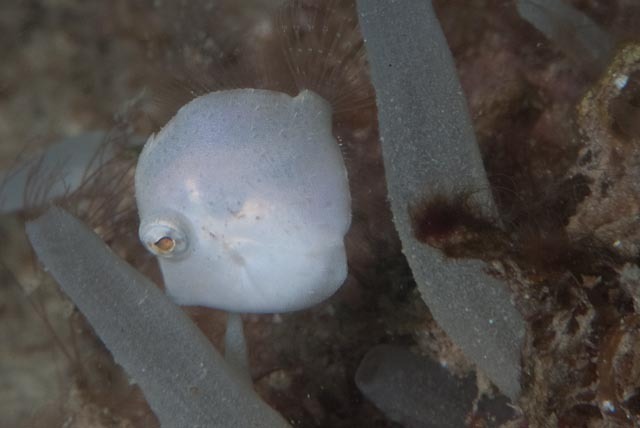 Pigmy Leatherjacket
Brachaluteres taylori
- Japanese Inflator Filefish
Brachaluteres ulvarum
 Leatherjacket
Aluterus monoceros
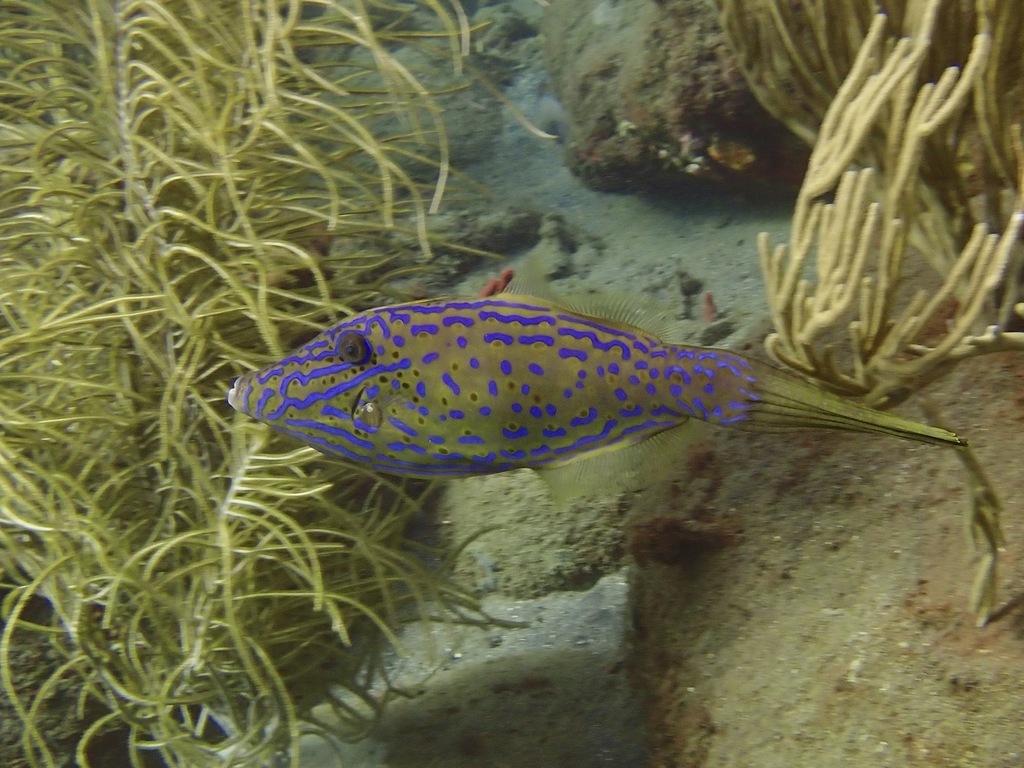 Scrawled filefish
Aluterus scriptus
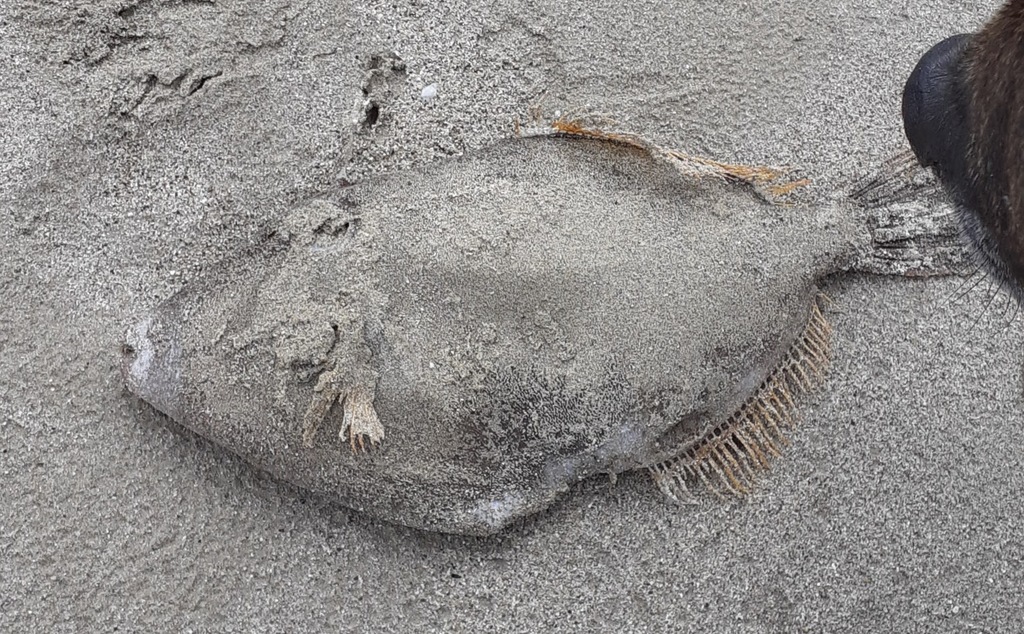 Cosmopolitan Leatherjacket
Meuschenia scabra
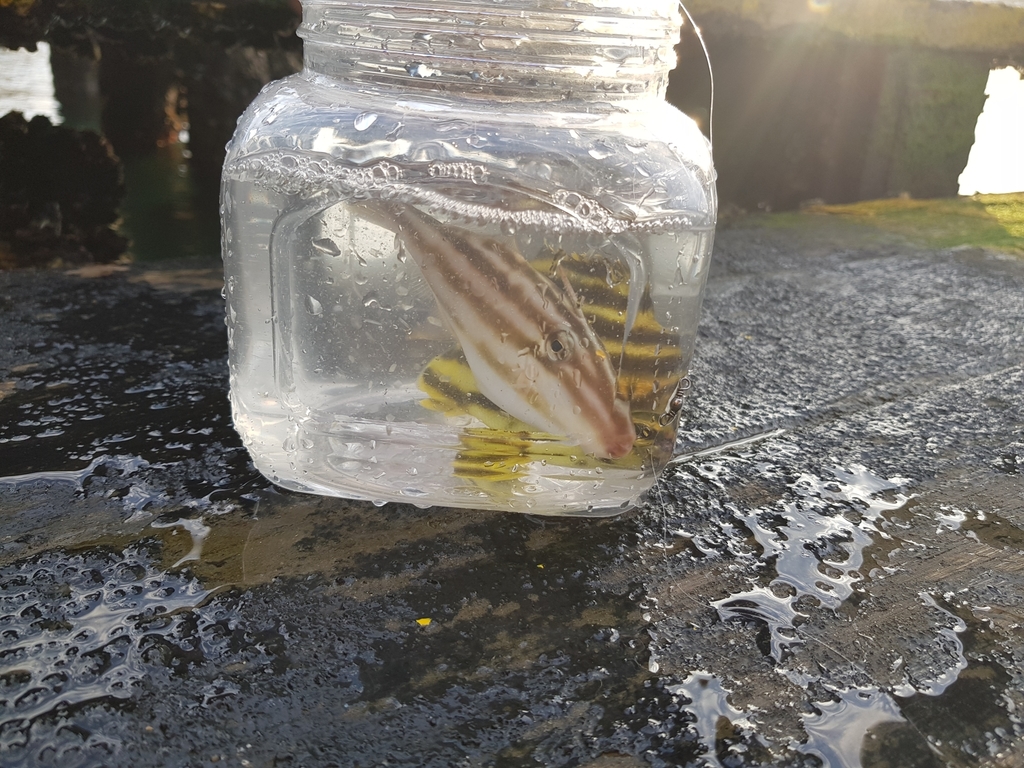 Chinaman Leatherjacket
Nelusetta ayraud
Sources and credits
Names and taxonomy: WoRMS (CC BY 4.0) and the GBIF Backbone (CC BY 4.0). Photos: iNaturalist observers, each under the licence shown (CC0, CC BY or CC BY-SA).
- Depth, temperature, months and maps: records from OBIS and GBIF under CC0 or CC BY.
- Descriptions: Wikipedia, licensed CC BY-SA, each linked to its article.
- Conservation status as published by GBIF (IUCN Red List).
- 1,359 open-data records from 1826 to 2023.
- Species data updated October 31, 2026.
Log what you see on your next dive
The free DiveHive diver app keeps your logbook with every sighting and shows what lives at the site you dive next.