

Spiny mole crab
Blepharipoda occidentalis
- Usual depth5–54 m
- Water temperature13–25 °C
- Best monthsJune and July
- How commonOccasional
Photo credit: (c) Ken-ichi Ueda, some rights reserved (CC BY), uploaded by Ken-ichi Ueda · CC BY · iNaturalist
About this species
Blepharipoda occidentalis, the spiny sand crab or spiny mole crab, is a species of sand crab or mole crab which lives in the eastern Pacific Ocean, from Puget Sound to Baja California. It is oval in shape, growing up to 3 inches (76 mm) long and 1.75 in (44 mm) wide. It lives on sandy beaches up to 30 metres (98 ft) under water, and feeds on the remains of other sand crabs that live in the area.
Text from the Wikipedia article “Blepharipoda occidentalis”, licensed CC BY-SA 4.0. Read the article
Where and when
Where it has been recorded
Worldwide
Best months
Worldwide (open data)
- January: 137 records
- February: 119 records
- March: 84 records
- April: 95 records
- May: 122 records
- June: 245 records
- July: 211 records
- August: 118 records
- September: 85 records
- October: 63 records
- November: 108 records
- December: 131 records
Depth and water temperature
Depth
Mostly recorded at 5–54 m · Deepest record: 63 m
Water temperature
Recorded in surface water of 13–25 °C
Photos
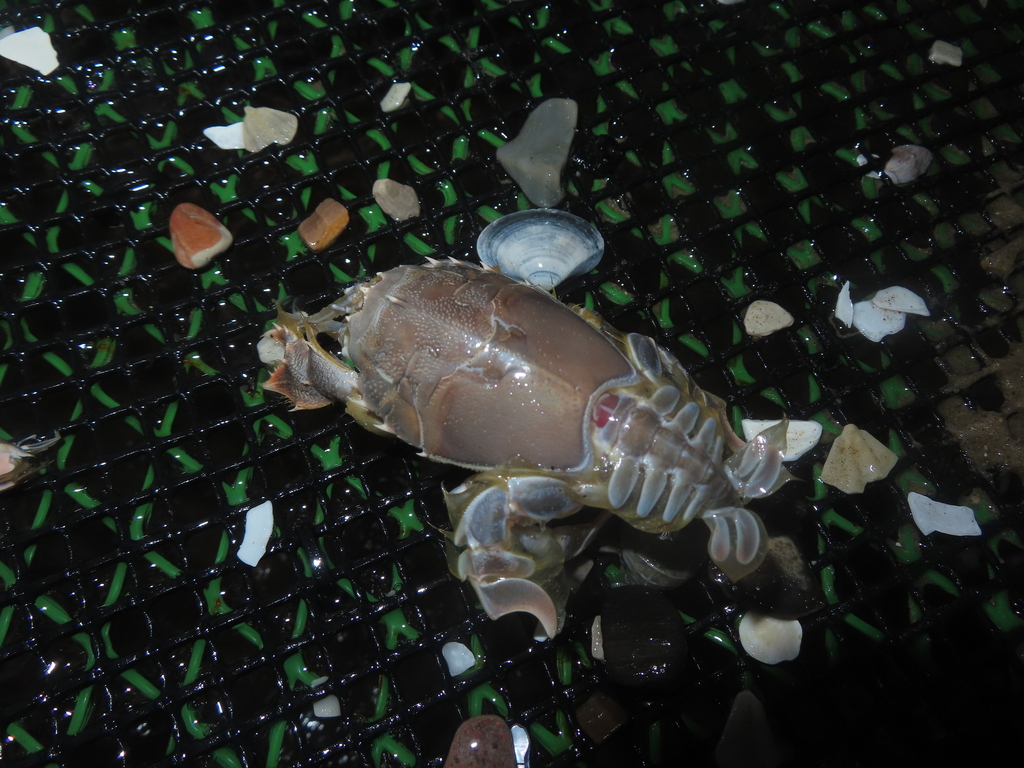
(c) Hawk T., some rights reserved (CC BY) · CC BY · iNaturalist 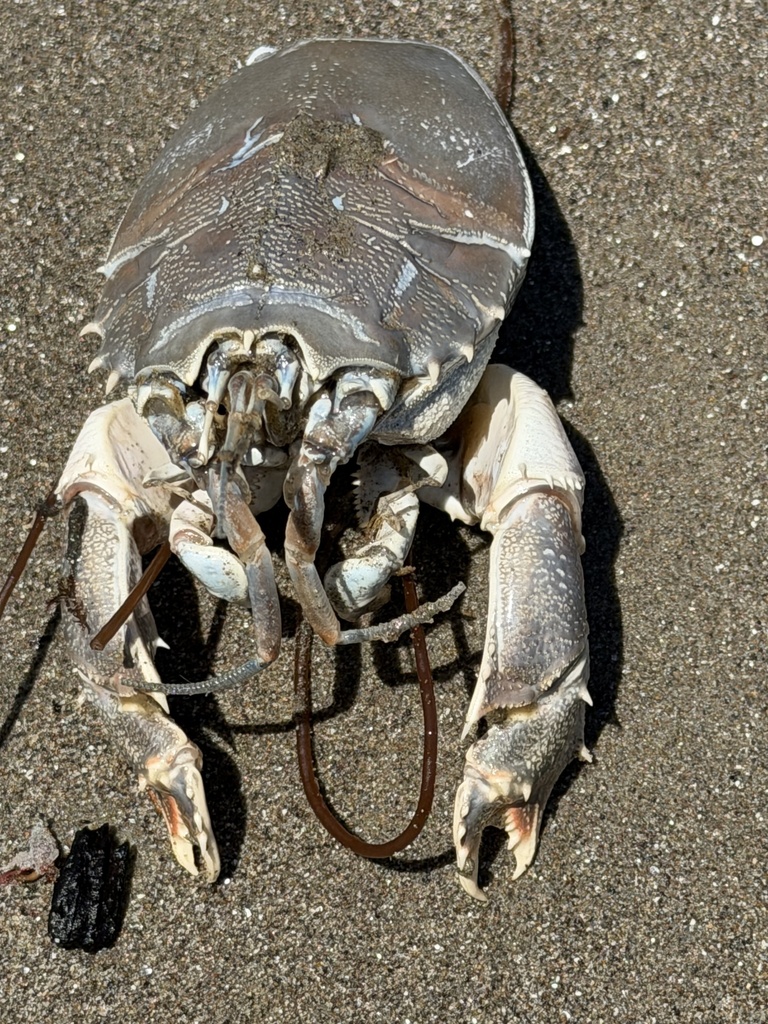
(c) Irina Mitine, some rights reserved (CC BY) · CC BY · iNaturalist 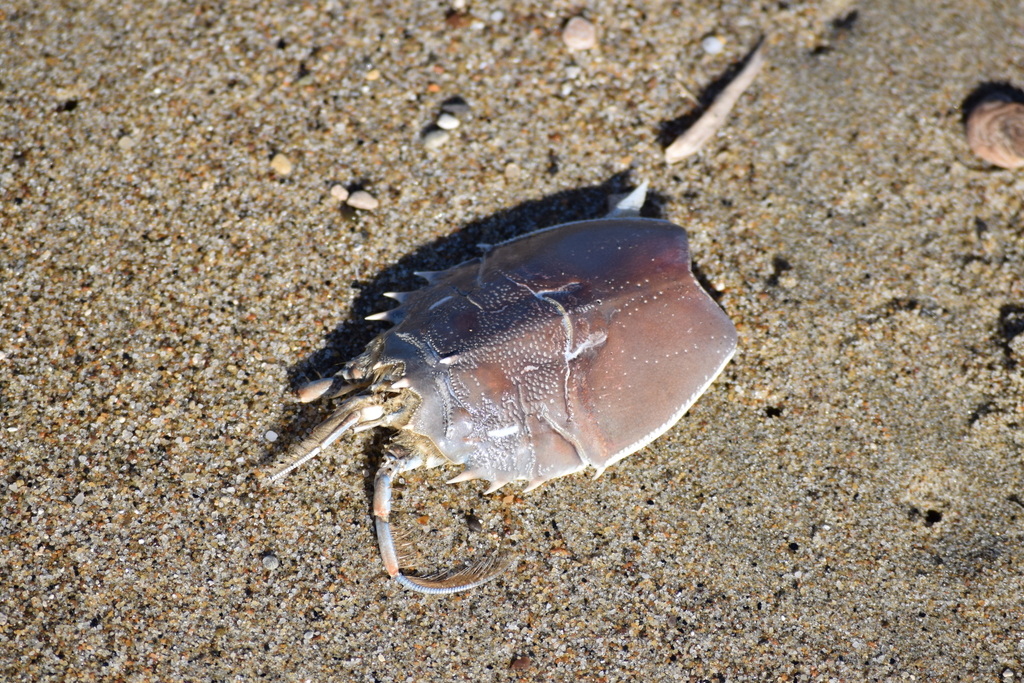
(c) velodrome, some rights reserved (CC BY) · CC BY · iNaturalist 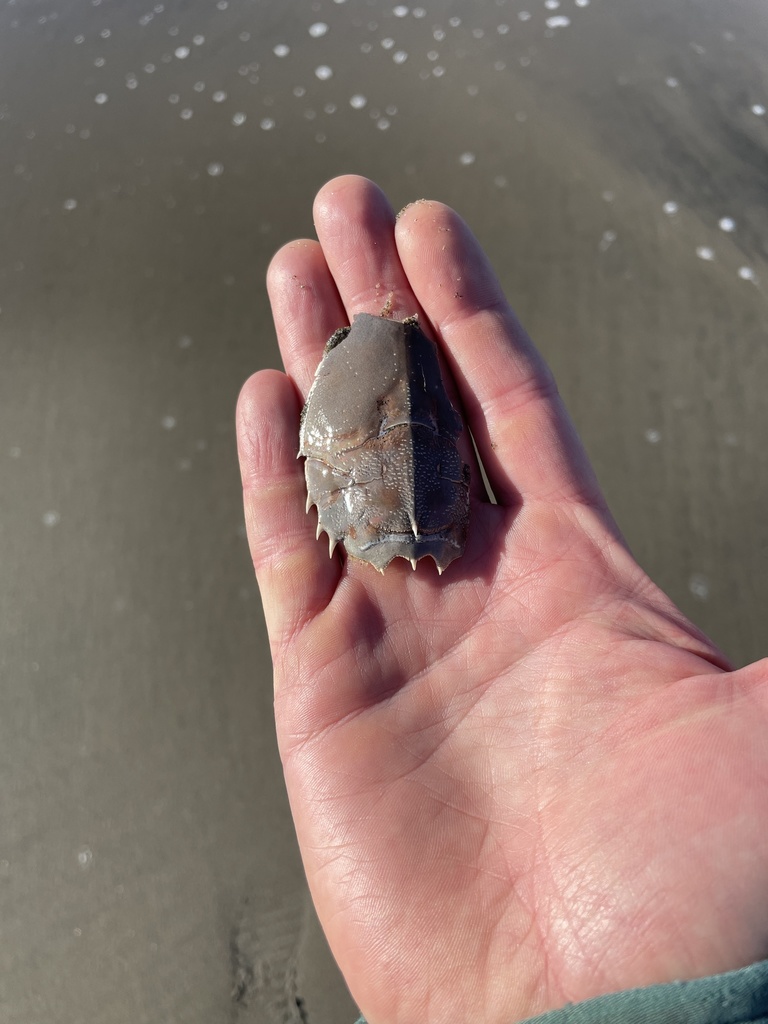
(c) crothfels, some rights reserved (CC BY) · CC BY · iNaturalist 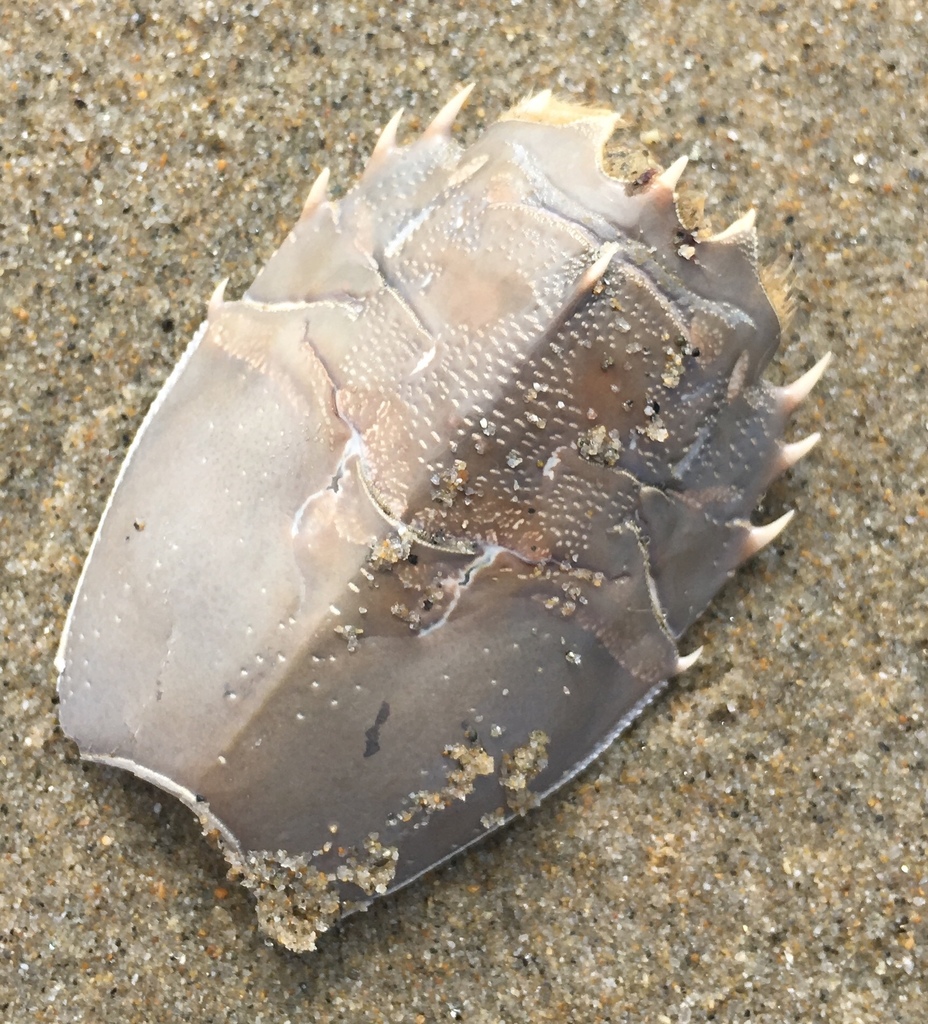
no rights reserved · CC0 1.0 · iNaturalist 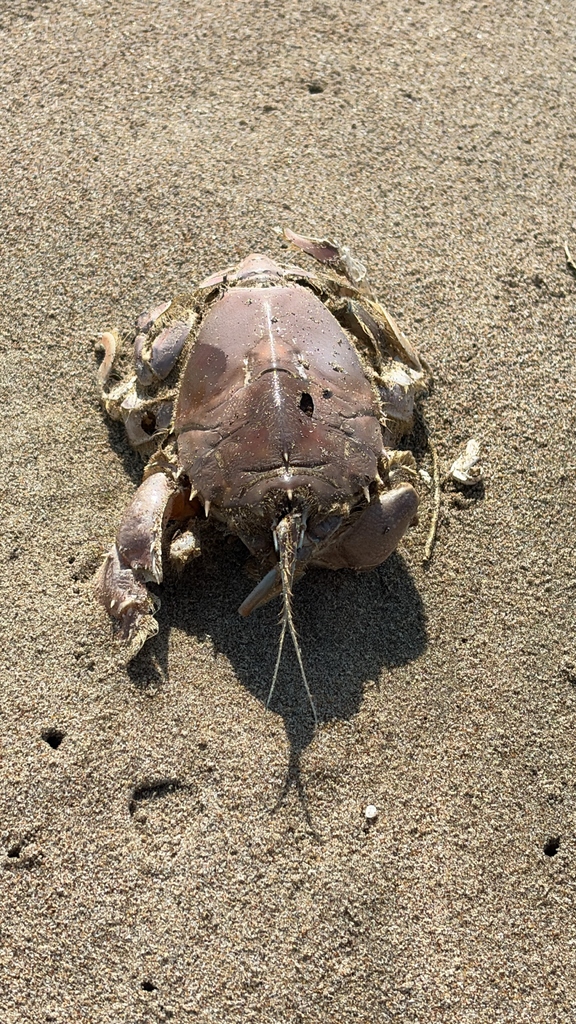
no rights reserved · CC0 1.0 · iNaturalist 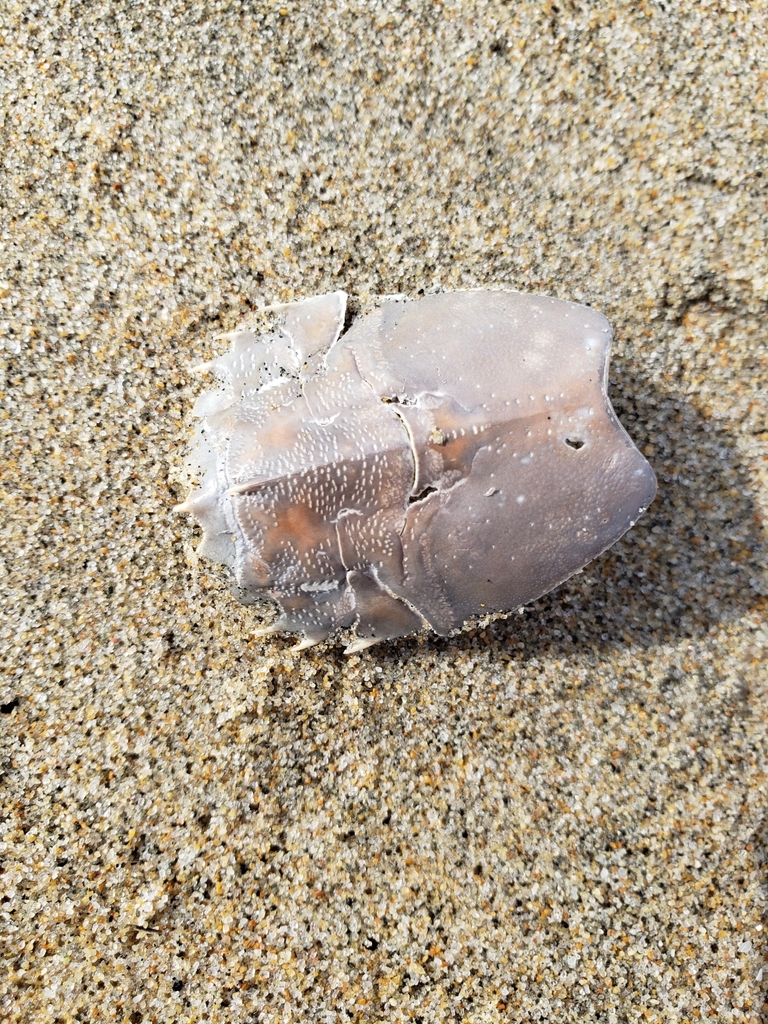
(c) Amy, some rights reserved (CC BY) · CC BY · iNaturalist
Names and classification
- English
- Spiny mole crab, spiny mole crab
Names in 1 more language
- Spanish
- Cangrejo de arena, Cangrejo excavador occidental
Similar species
Sources and credits
Names and taxonomy: WoRMS (CC BY 4.0) and the GBIF Backbone (CC BY 4.0). Photos: iNaturalist observers, each under the licence shown (CC0, CC BY or CC BY-SA).
- Depth, temperature, months and maps: records from OBIS and GBIF under CC0 or CC BY.
- Descriptions: Wikipedia, licensed CC BY-SA, each linked to its article.
- Conservation status as published by GBIF (IUCN Red List).
- 264 open-data records from 1880 to 2019.
- Species data updated November 9, 2026.
Log what you see on your next dive
The free DiveHive diver app keeps your logbook with every sighting and shows what lives at the site you dive next.