
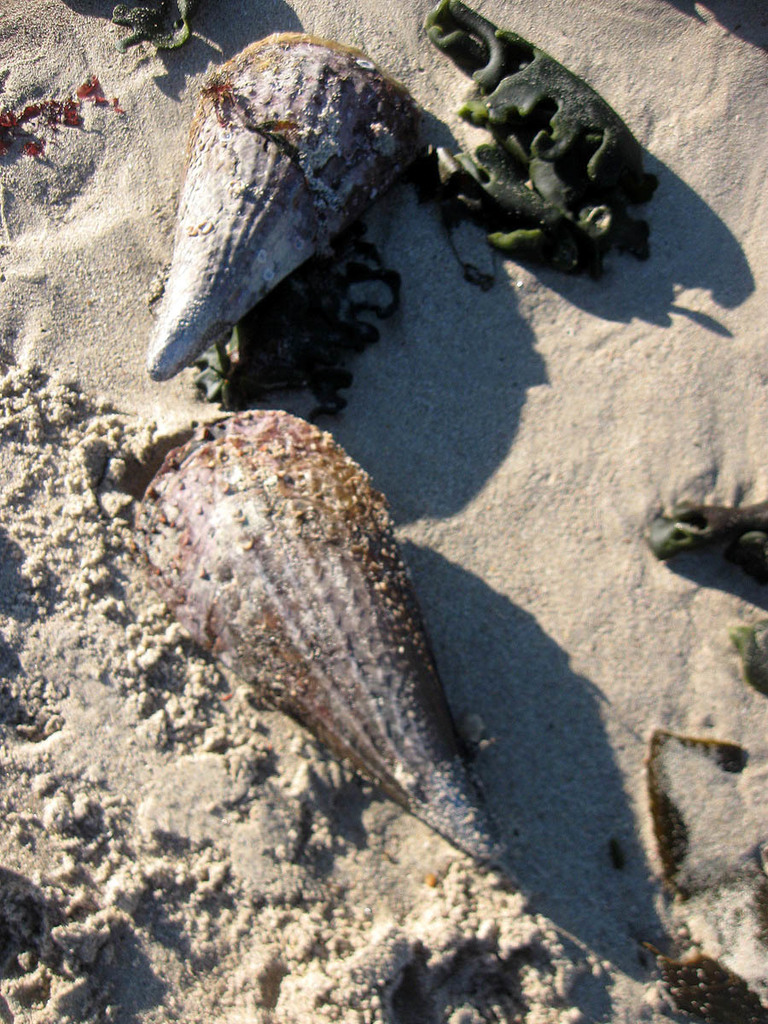
Horse mussel
Atrina squamifera
- Usual depth13–120 m
- Water temperature15–23 °C
- Best monthsApril and July
- How commonRare
Photo credit: (c) Caroline Voget, some rights reserved (CC BY), uploaded by Caroline Voget · CC BY · iNaturalist
About this species
Atrina squamifera, one of several species known as the horse mussel, is a species of bivalve pen shell. It is a marine mollusc in the family Pinnidae. It is endemic to South Africa.
Text from the Wikipedia article “Atrina squamifera”, licensed CC BY-SA 4.0. Read the article
Where and when
Where it has been recorded
Worldwide
Best months
Worldwide (open data)
- January: 3 records
- February: 4 records
- March: 6 records
- April: 36 records
- May: 20 records
- June: 9 records
- July: 26 records
- August: 15 records
- September: 13 records
- October: 12 records
- November: 11 records
- December: 2 records
Depth and water temperature
Depth
Mostly recorded at 13–120 m · Deepest record: 132 m
Water temperature
Recorded in surface water of 15–23 °C
Photos
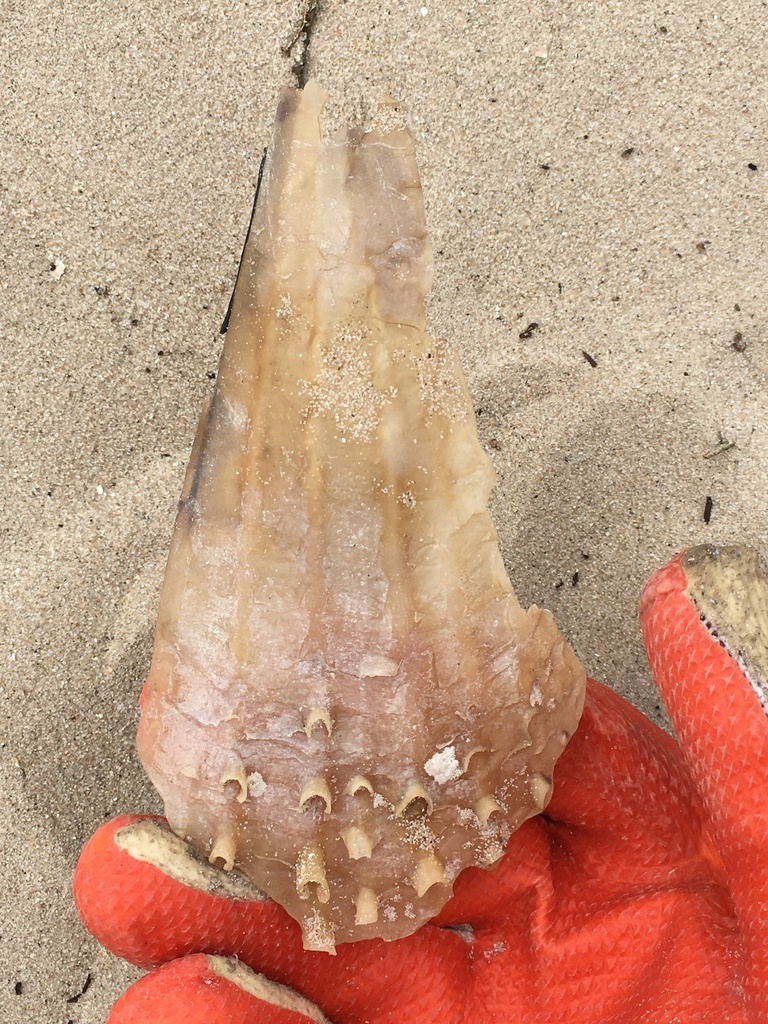
(c) Kobus Meyer, some rights reserved (CC BY) · CC BY · iNaturalist 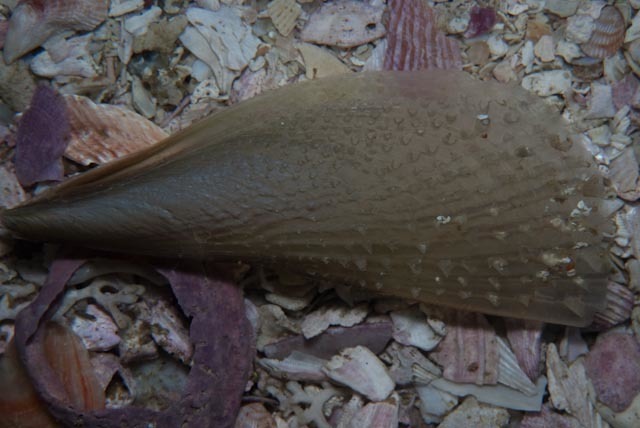
(c) Georgina Jones, some rights reserved (CC BY-SA) · CC BY-SA · iNaturalist 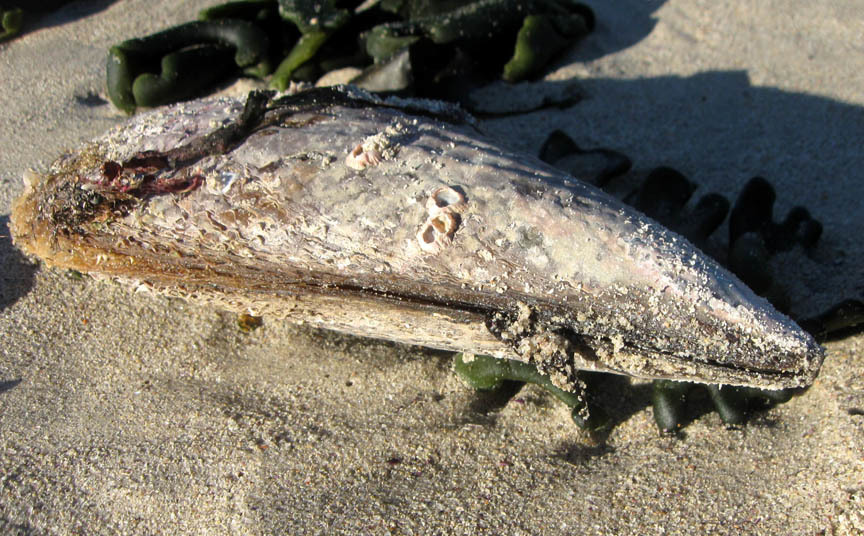
(c) Caroline Voget, some rights reserved (CC BY) · CC BY · iNaturalist 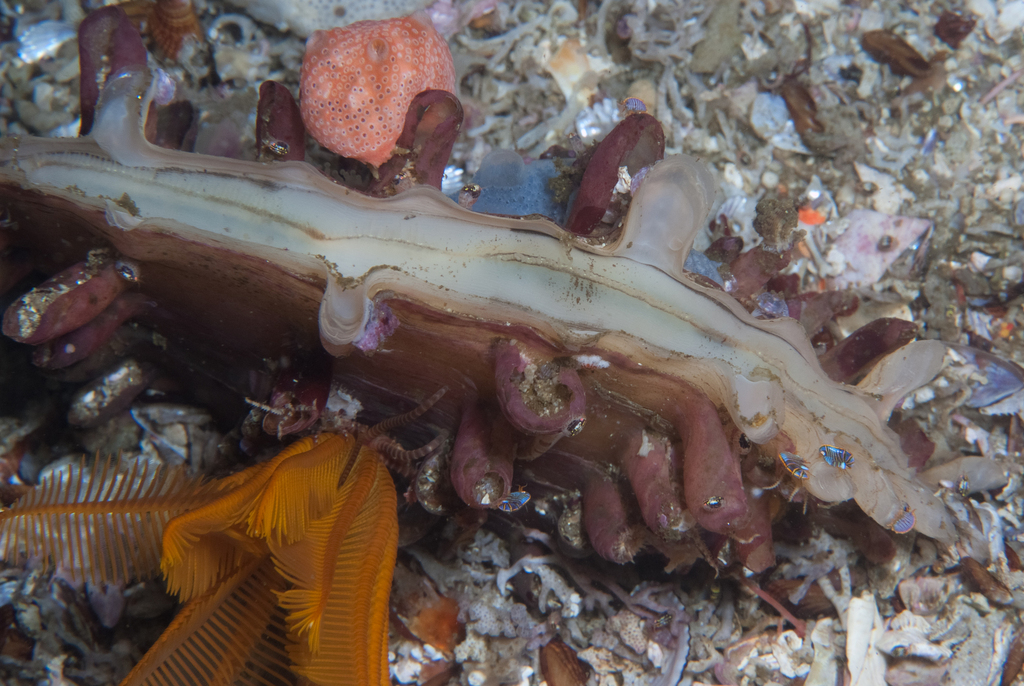
(c) Georgina Jones, some rights reserved (CC BY-SA) · CC BY-SA · iNaturalist 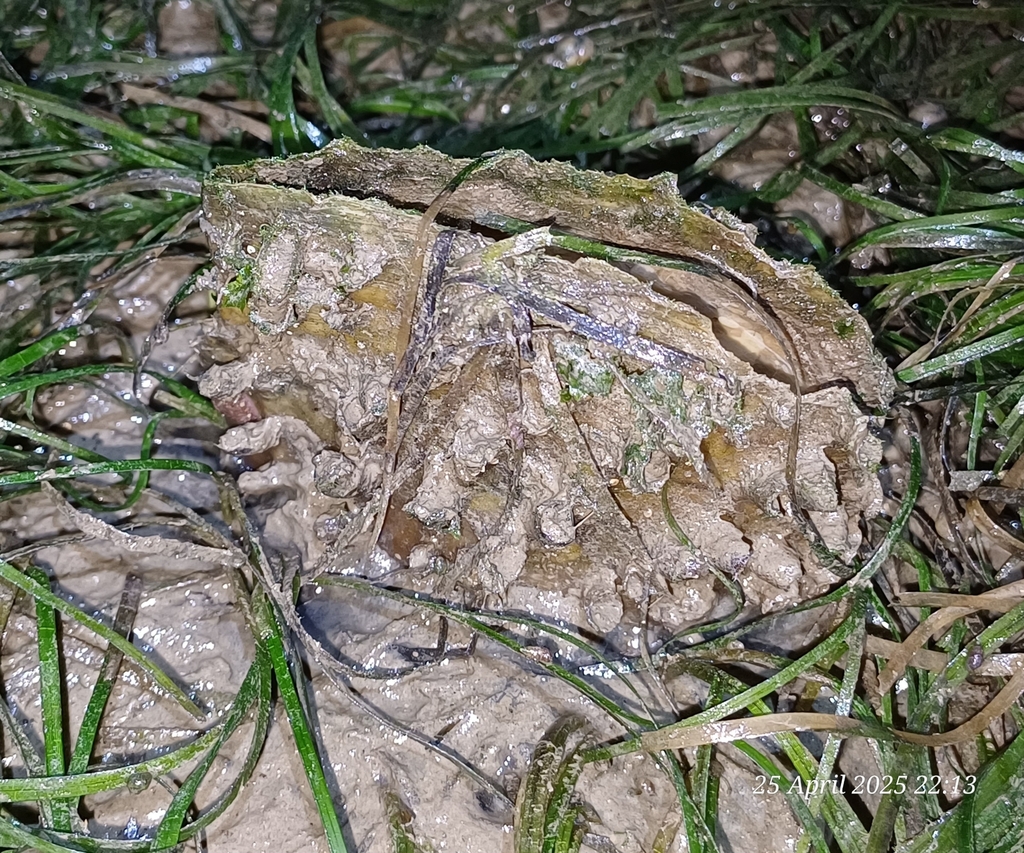
no rights reserved · CC0 1.0 · iNaturalist 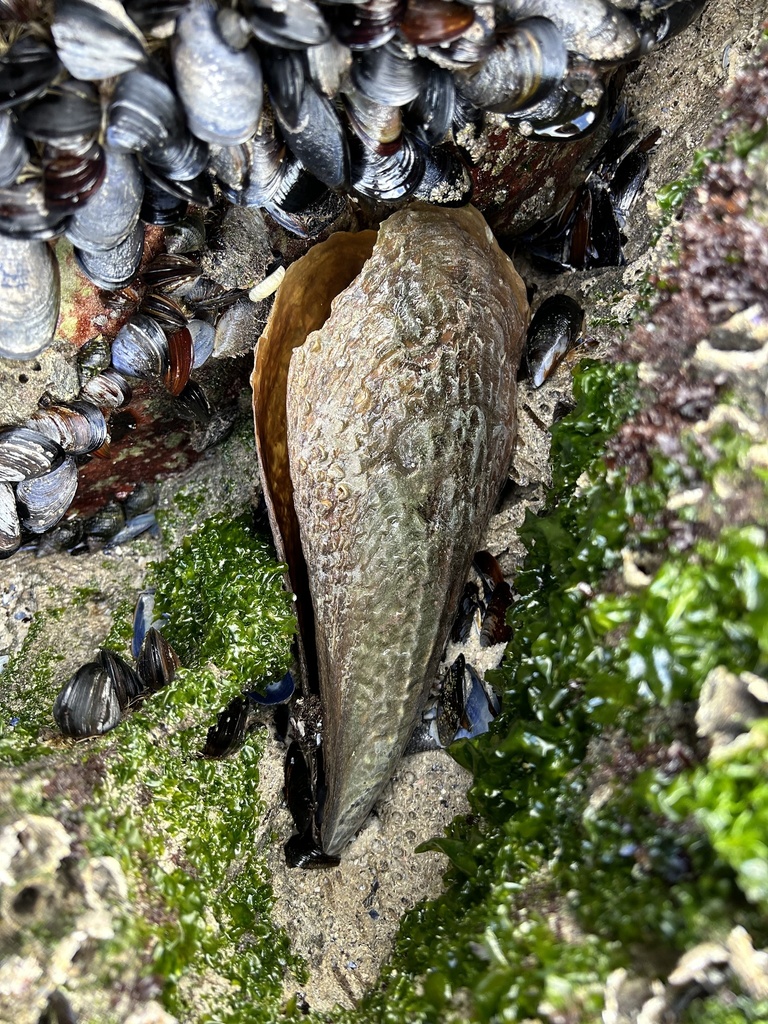
no rights reserved · CC0 1.0 · iNaturalist 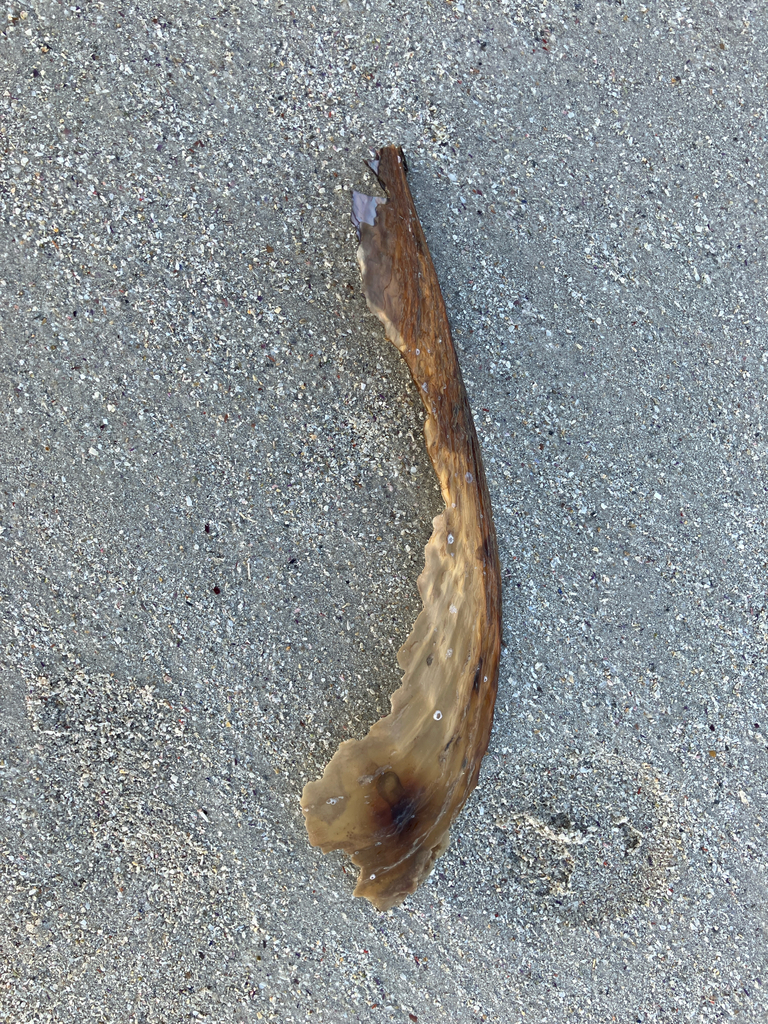
(c) Kobus Meyer, some rights reserved (CC BY) · CC BY · iNaturalist
Names and classification
- English
- Horse mussel, horse mussel
Other scientific names: Atrina (Australopinna) squamifera, Atrina alfredensis, Pinna afra, Pinna capensis, Pinna kraussii, Pinna rufanensis, Pinna segmenta, Pinna squamifera, Pinna whitechurchi
Similar species
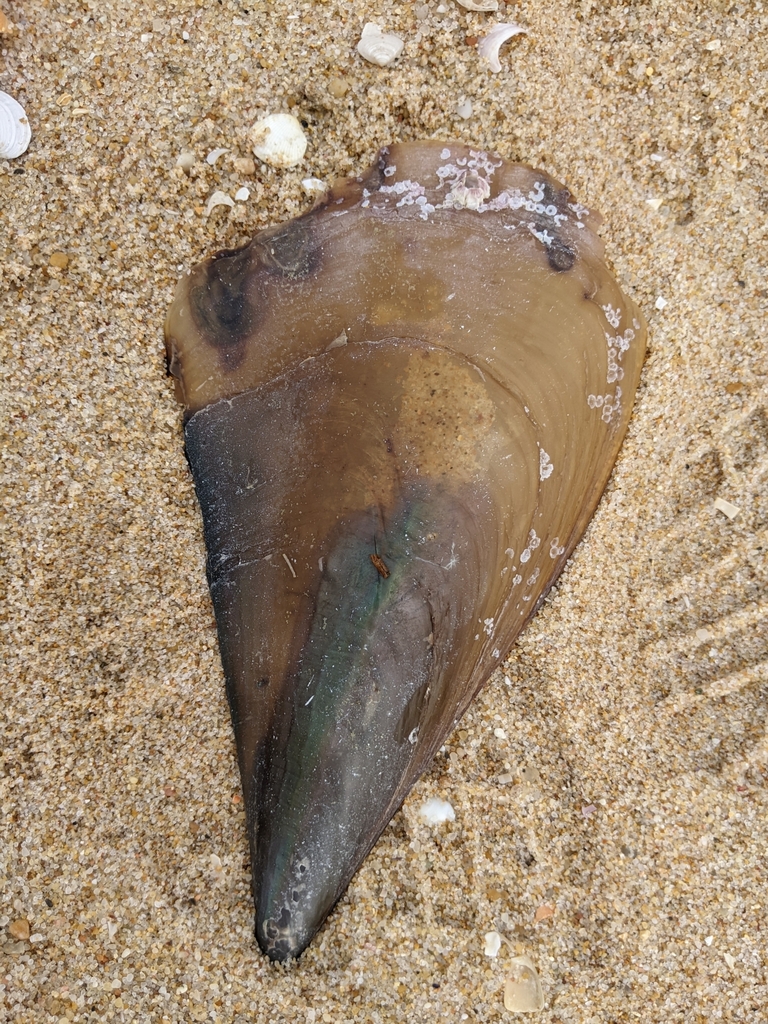 Fan mussel
Atrina fragilis
 Stiff penshell
Atrina rigida
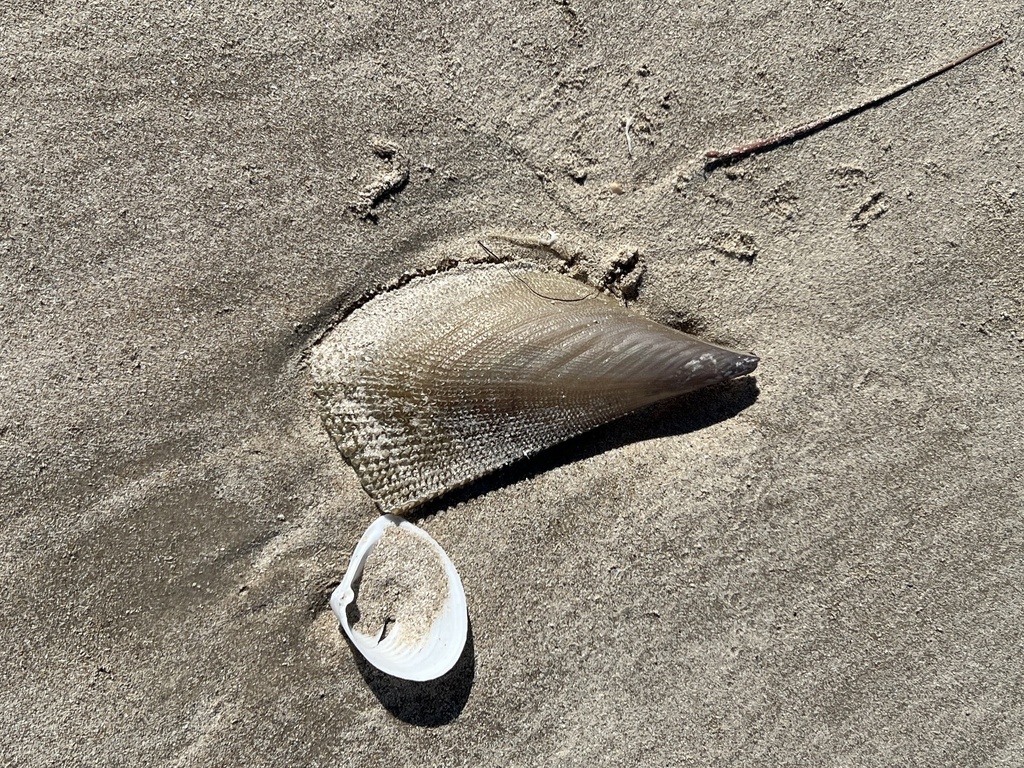 Sawtooth penshell
Atrina serrata
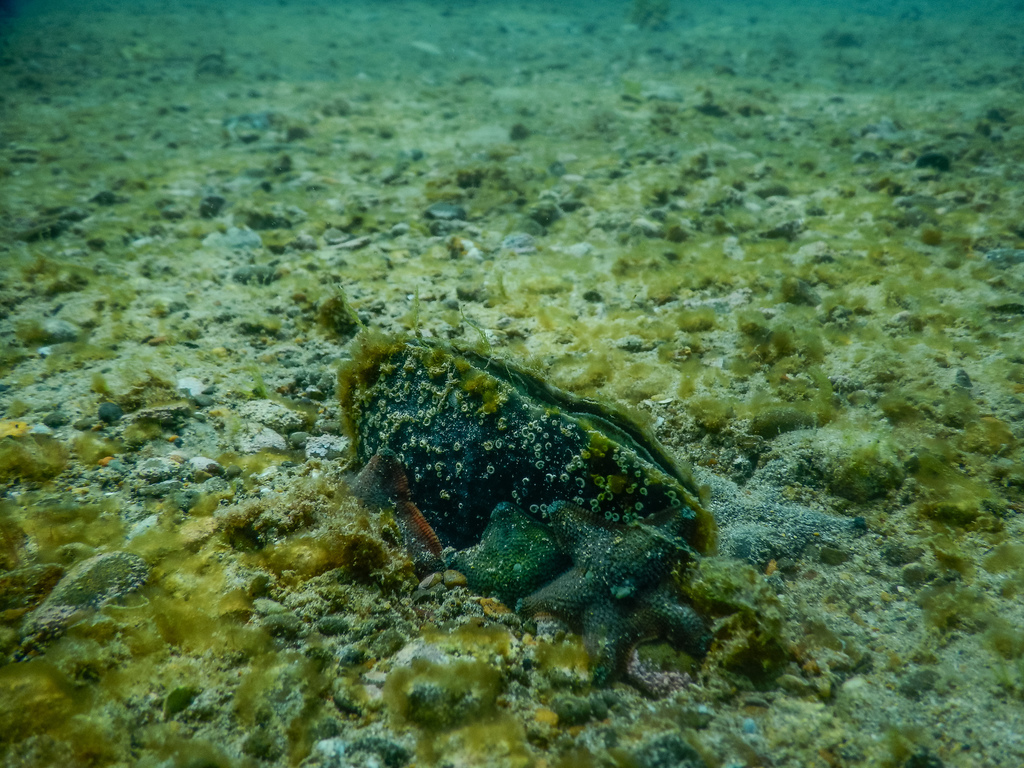
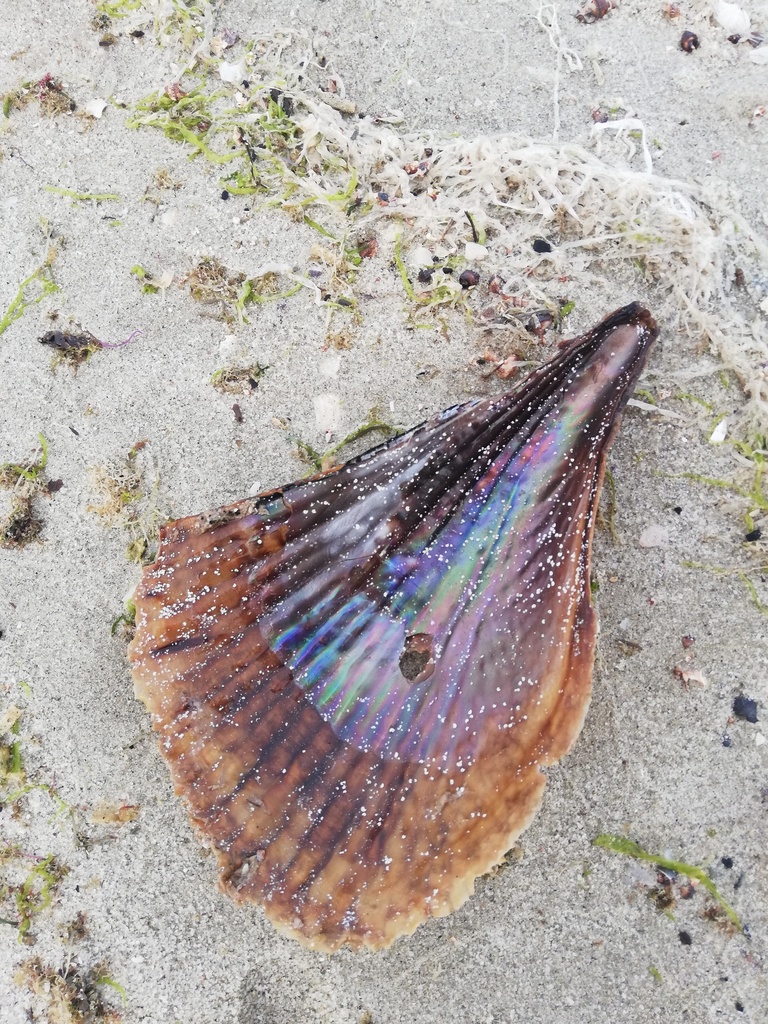
 Comb penshell
Atrina pectinata
Sources and credits
Names and taxonomy: WoRMS (CC BY 4.0) and the GBIF Backbone (CC BY 4.0). Photos: iNaturalist observers, each under the licence shown (CC0, CC BY or CC BY-SA).
- Depth, temperature, months and maps: records from OBIS and GBIF under CC0 or CC BY.
- Descriptions: Wikipedia, licensed CC BY-SA, each linked to its article.
- Conservation status as published by GBIF (IUCN Red List).
- 107 open-data records from 1911 to 1991.
- Species data updated November 8, 2026.
Log what you see on your next dive
The free DiveHive diver app keeps your logbook with every sighting and shows what lives at the site you dive next.