
DiscoverSpeciesOther invertebrates
Magnificent Urchin
Astropyga magnifica
- Usual depth23–81 m
- Water temperature24–28 °C
- Best monthsMarch, July, and August
- How commonRare
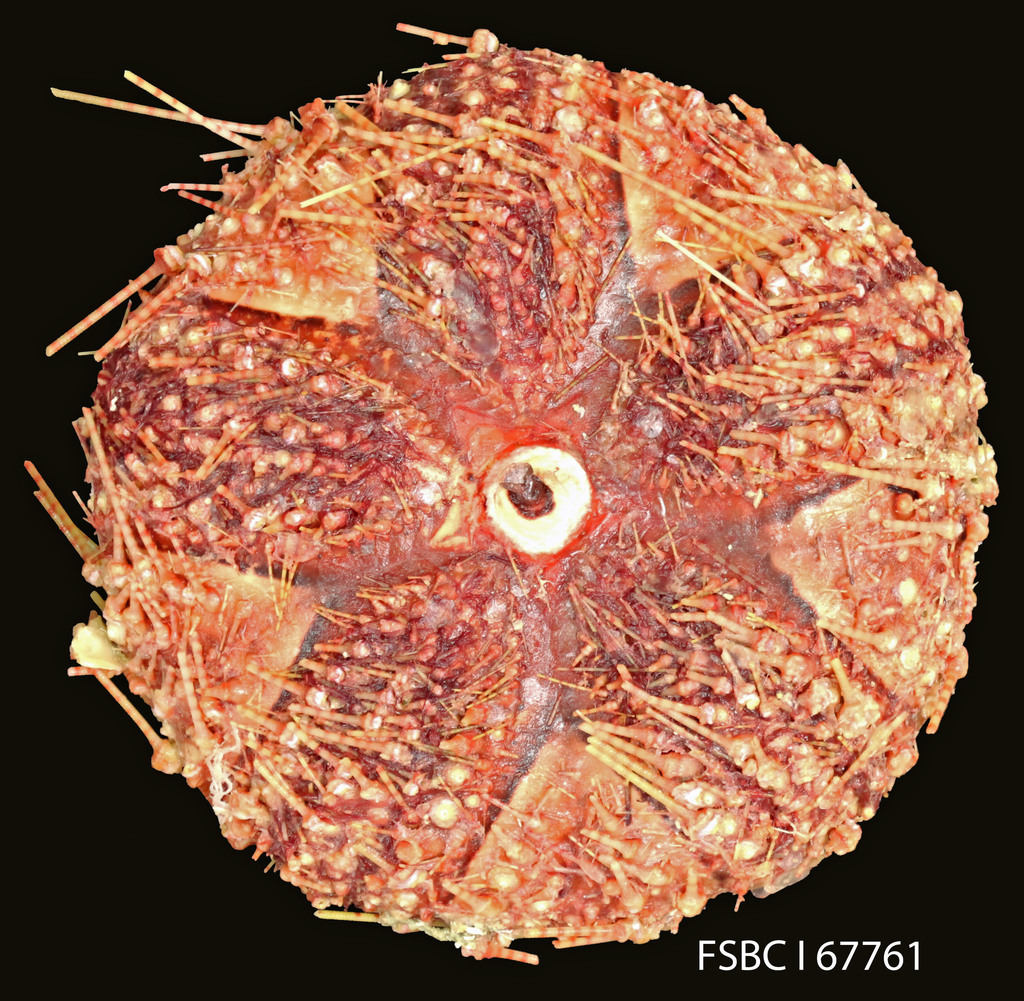
Photo credit: (c) FWC Fish and Wildlife Research Institute, some rights reserved (CC BY) · CC BY · farm8.staticflickr.com
About this species
Astropyga magnifica is a species of sea urchin of the family Diadematidae. In life, their test is covered with spines. Astropyga magnifica was first scientifically described in 1934 by Austin Hobart Clark.
Text from the Wikipedia article “Astropyga magnifica”, licensed CC BY-SA 4.0. Read the article
Where and when
Where it has been recorded
Worldwide
Best months
Worldwide (open data)
- January: 3 records
- February: 8 records
- March: 11 records
- April: 6 records
- May: 7 records
- June: 10 records
- July: 12 records
- August: 14 records
- September: 4 records
- October: 11 records
- November: 4 records
- December: 1 record
Depth and water temperature
Depth
Mostly recorded at 23–81 m · Deepest record: 252 m
Water temperature
Recorded in surface water of 24–28 °C
Photos
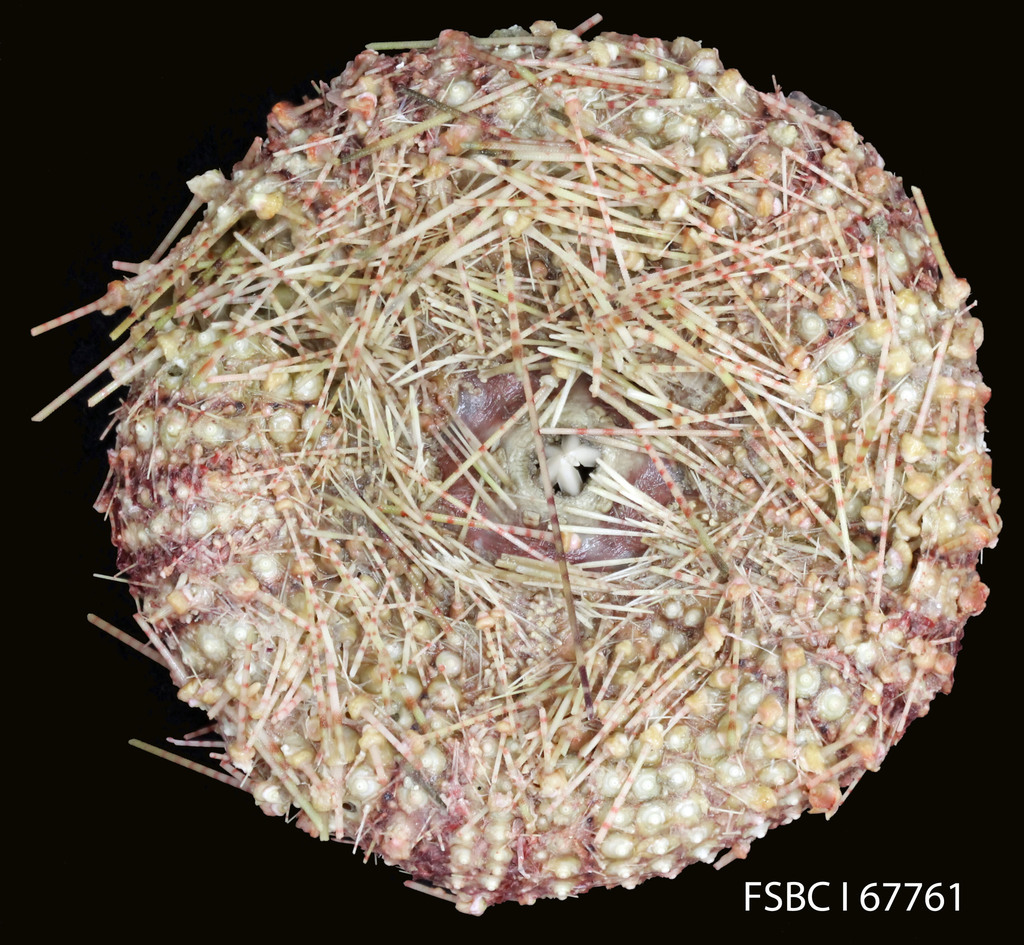
(c) FWC Fish and Wildlife Research Institute, some rights reserved (CC BY) · CC BY · farm3.staticflickr.com 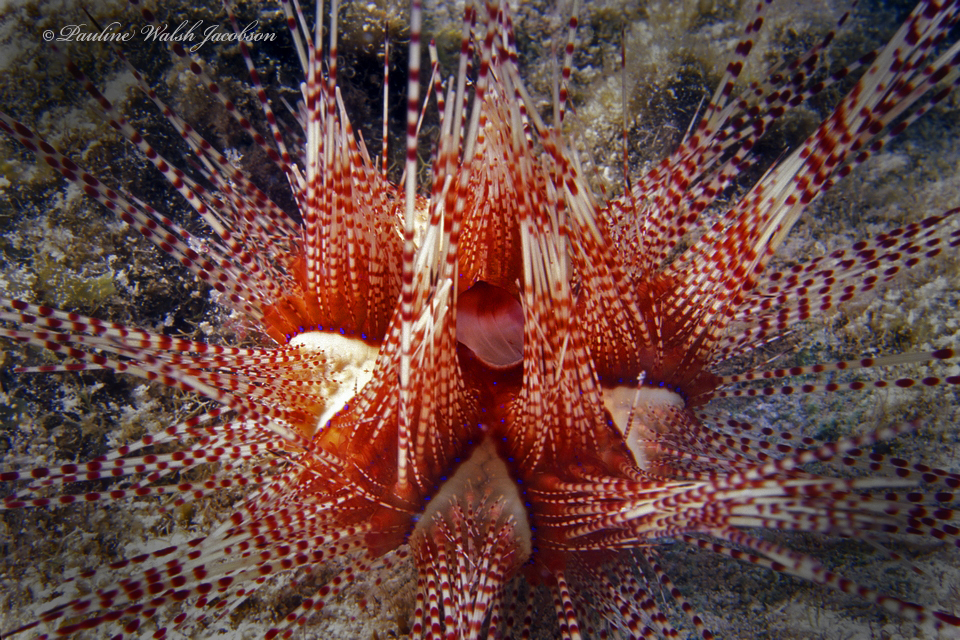
(c) Pauline Walsh Jacobson, some rights reserved (CC BY) · CC BY · iNaturalist
Names and classification
- English
- Magnificent Urchin
Names in 2 more languages
- Spanish
- Erizo de mar magnífico
- French
- Oursin magnifique
Similar species
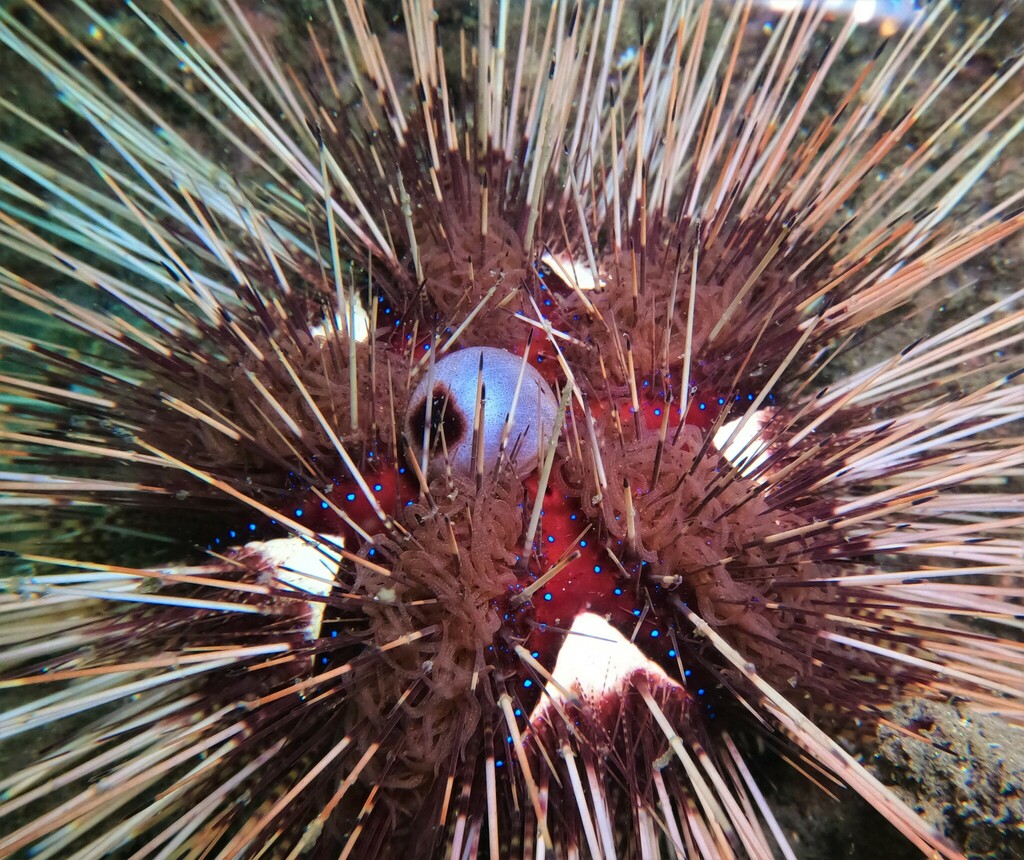
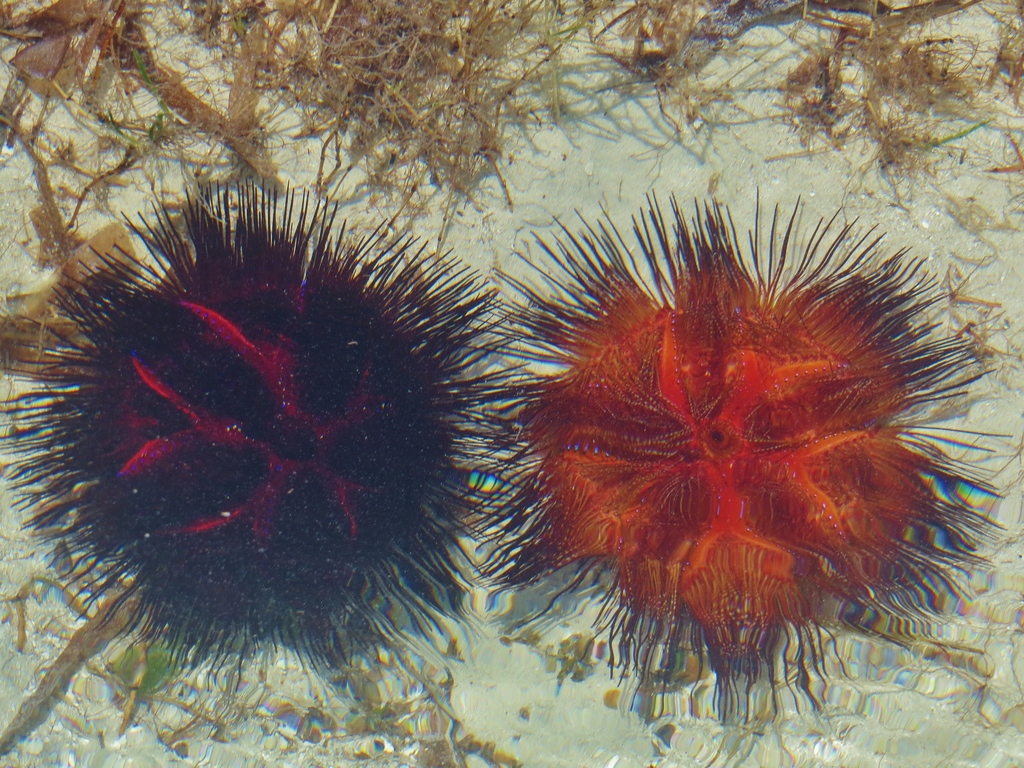 Blue-spotted Urchin
Astropyga radiata
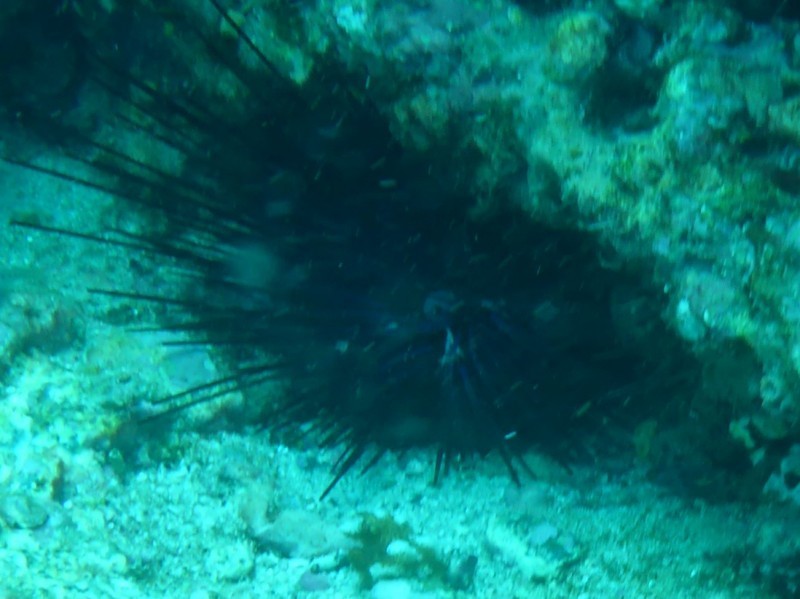
 Pin Cushion Sea Urchin
Astropyga pulvinata
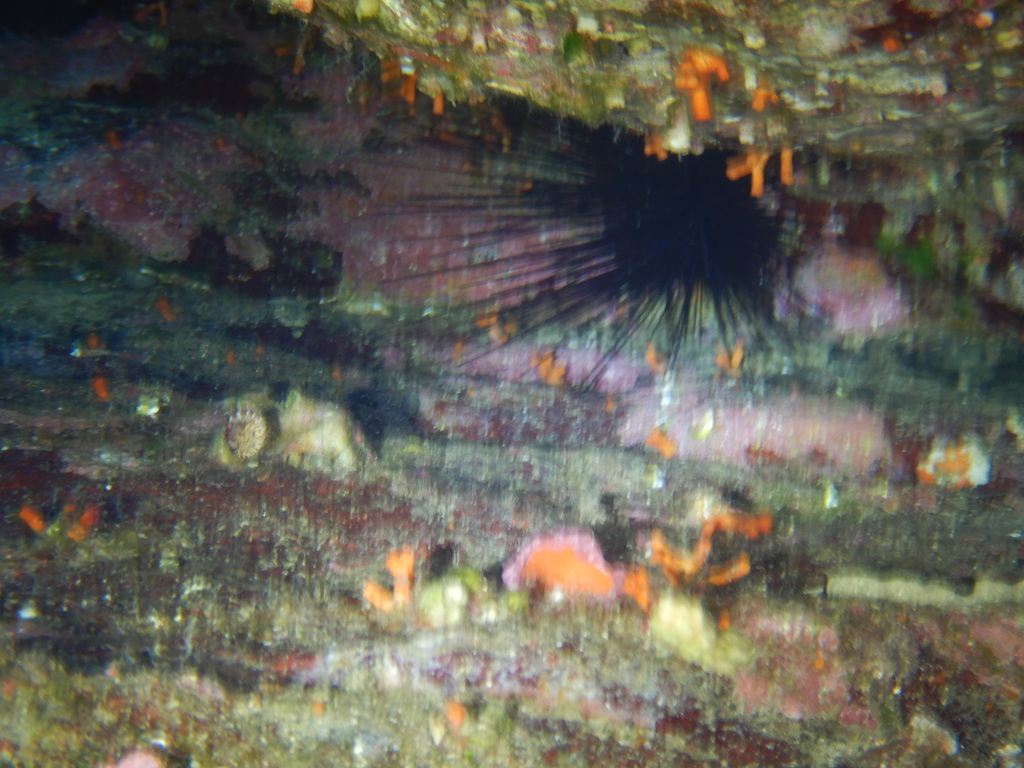
 Crowned sea urchin
Centrostephanus coronatus
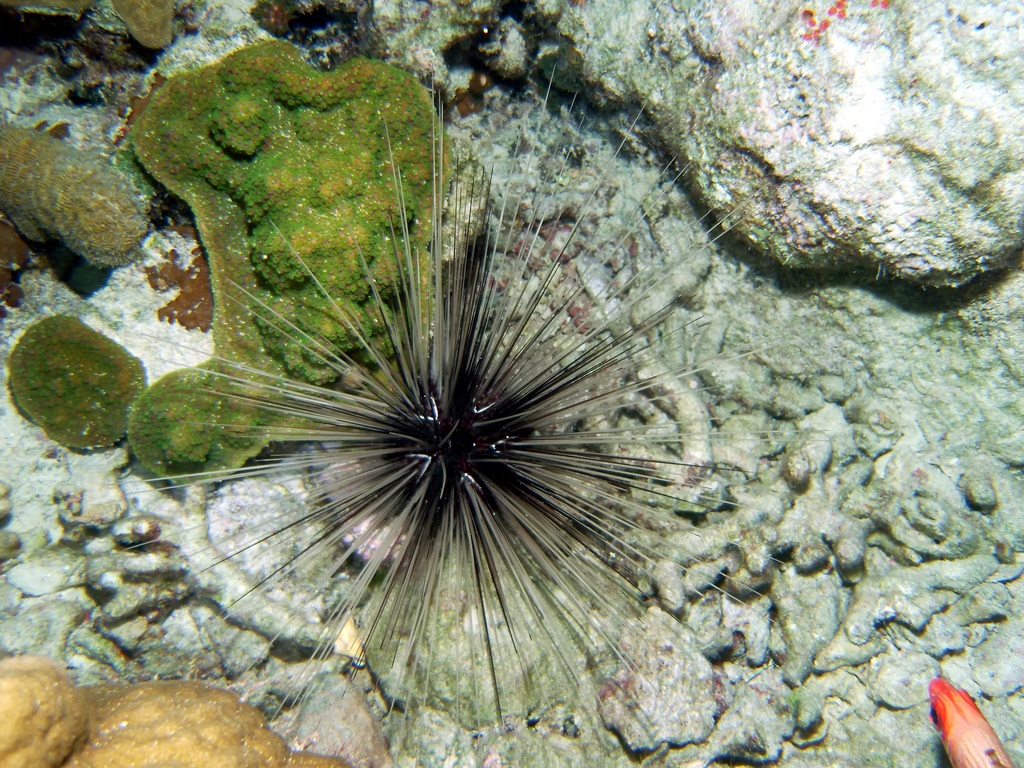
 Long-spined Sea Urchin
Centrostephanus rodgersii
 Spiny urchin
Diadema antillarum
Sources and credits
Names and taxonomy: WoRMS (CC BY 4.0) and the GBIF Backbone (CC BY 4.0). Photos: iNaturalist observers, each under the licence shown (CC0, CC BY or CC BY-SA).
- Depth, temperature, months and maps: records from OBIS and GBIF under CC0 or CC BY.
- Descriptions: Wikipedia, licensed CC BY-SA, each linked to its article.
- Conservation status as published by GBIF (IUCN Red List).
- 102 open-data records from 1960 to 2021.
- Species data updated November 8, 2026.
Log what you see on your next dive
The free DiveHive diver app keeps your logbook with every sighting and shows what lives at the site you dive next.