
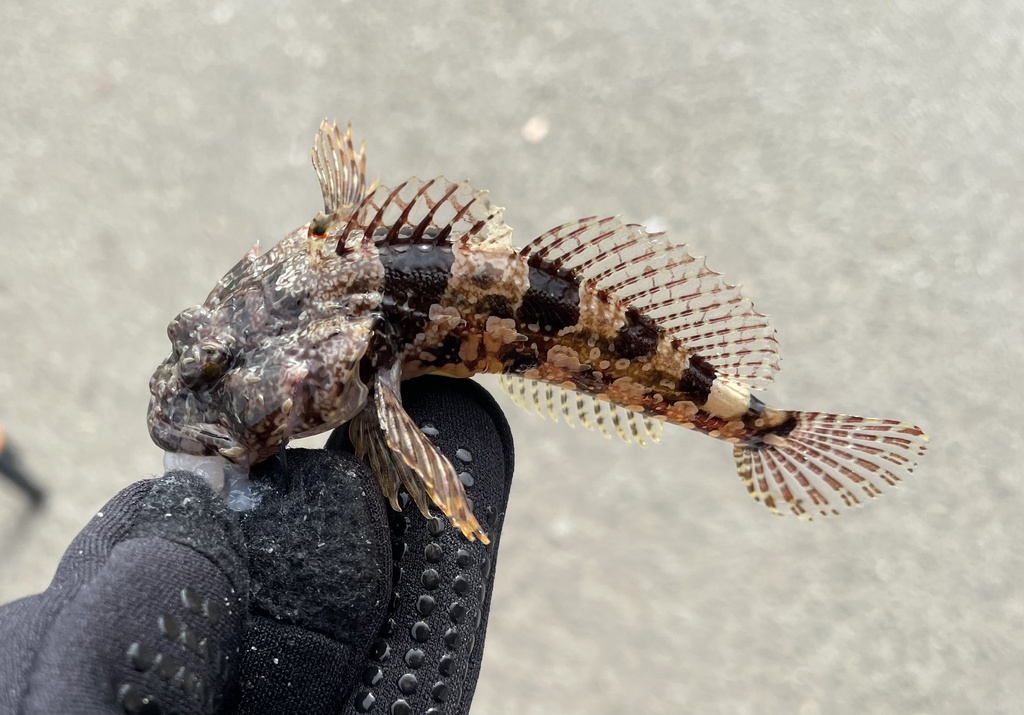
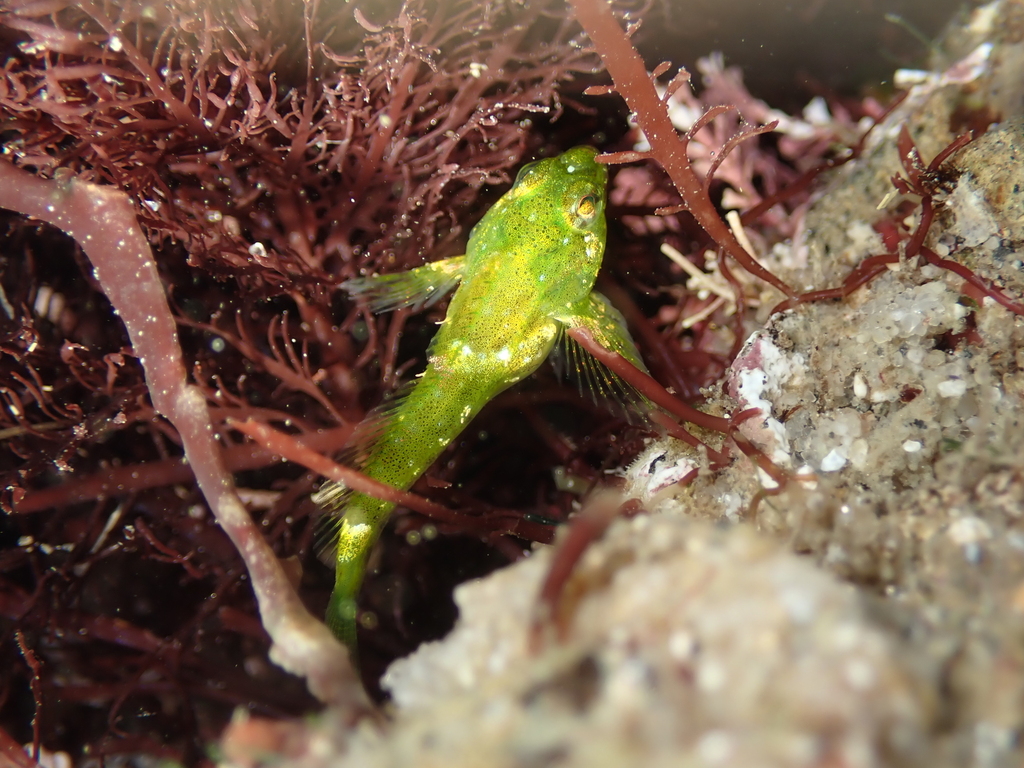
Coralline sculpin
Artedius corallinus
- Usual depth5–183 m
- Water temperature12–18 °C
- Best monthsFebruary, September, and December
- How commonRare
Photo credit: (c) zr217, some rights reserved (CC BY) · CC BY · iNaturalist
About this species
Artedius corallinus, the coralline sculpin, is a species of marine ray-finned fish belonging to the family Cottidae, the typical sculpins. It is found in the eastern North Pacific along the coasts of the western United States and Baja California.
Text from the Wikipedia article “Artedius corallinus”, licensed CC BY-SA 4.0. Read the article
Where and when
Where it has been recorded
Worldwide
Best months
Worldwide (open data)
- January: 13 records
- February: 23 records
- March: 16 records
- April: 11 records
- May: 12 records
- June: 14 records
- July: 22 records
- August: 20 records
- September: 24 records
- October: 22 records
- November: 16 records
- December: 25 records
Depth and water temperature
Depth
Mostly recorded at 5–183 m · Deepest record: 182.9 m
Water temperature
Recorded in surface water of 12–18 °C
Photos
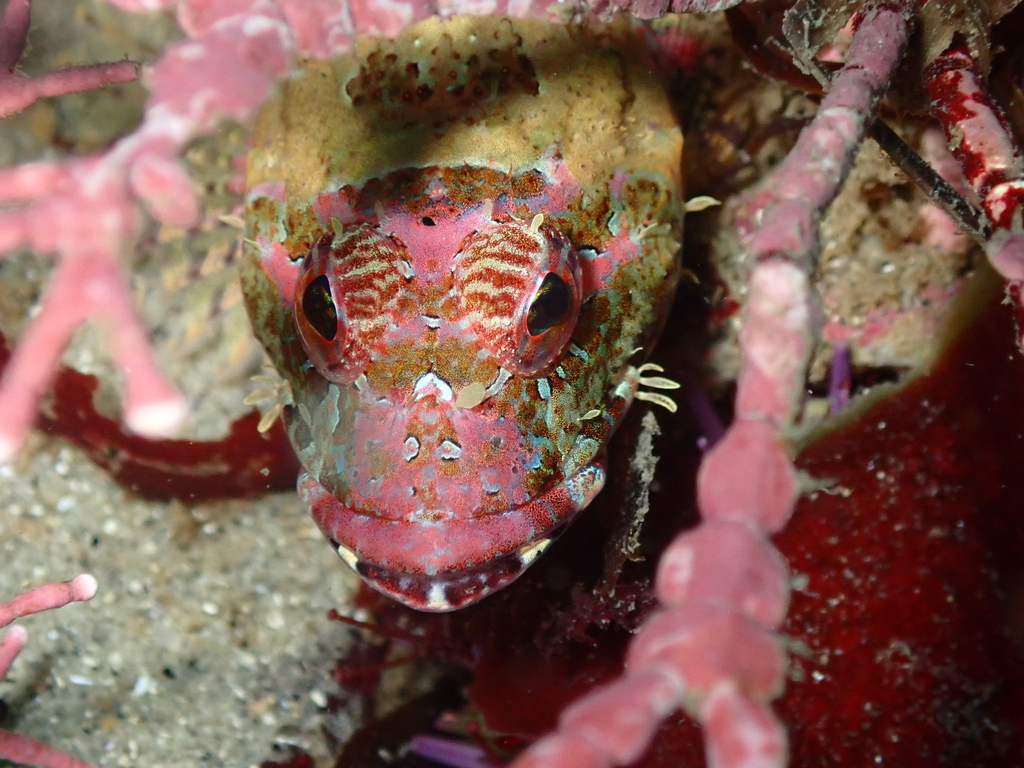
(c) Uma Mezzanotte, some rights reserved (CC BY) · CC BY · iNaturalist 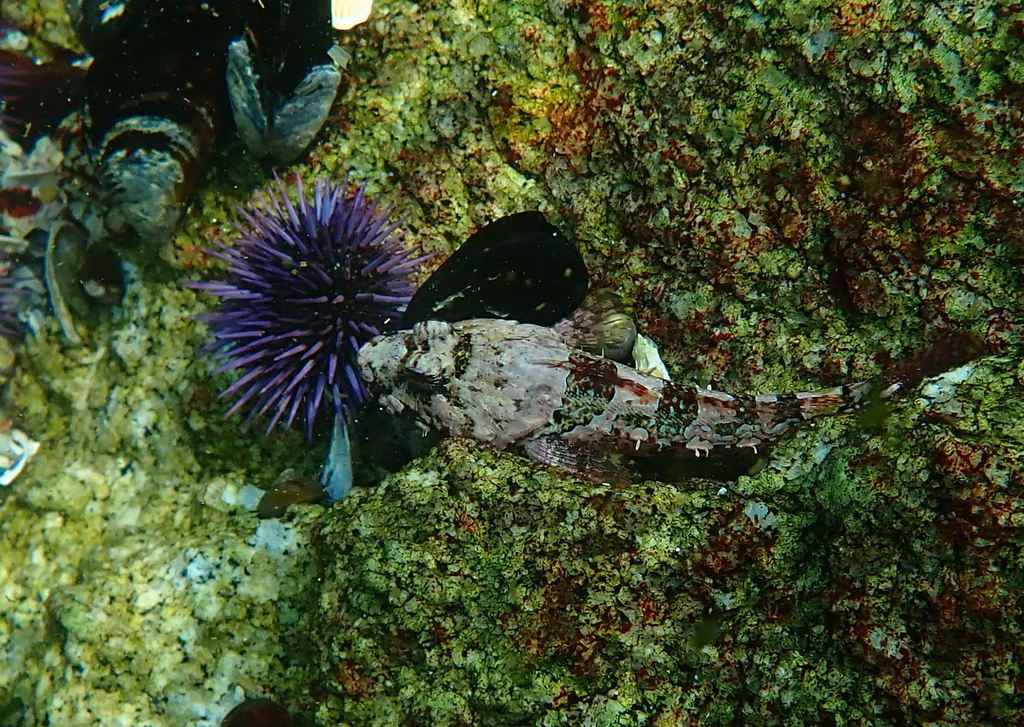
(c) Henrik Kibak, some rights reserved (CC BY) · CC BY · iNaturalist 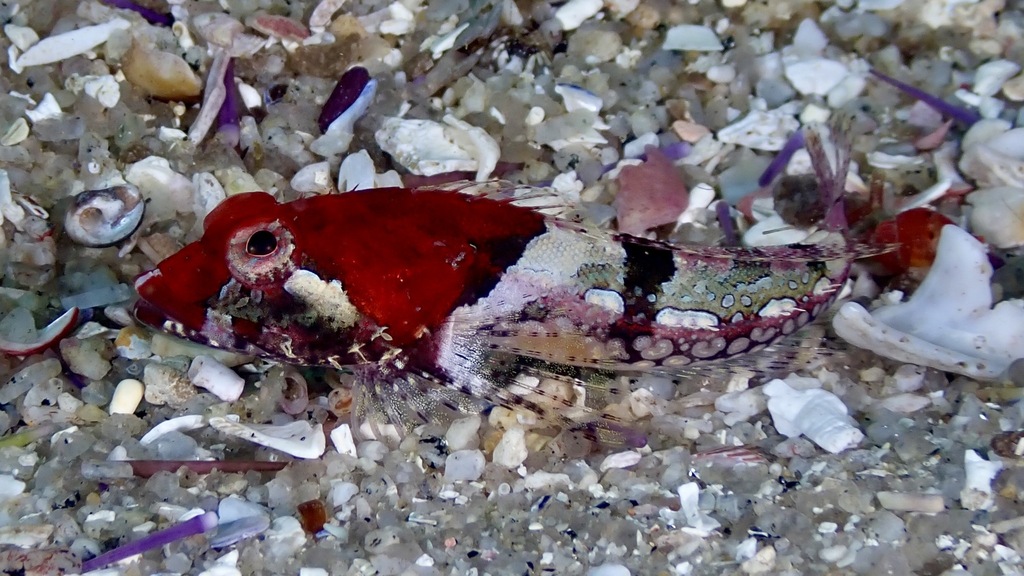
no rights reserved · CC0 1.0 · iNaturalist
Names and classification
- English
- Coralline sculpin, coralline sculpin
Names in 2 more languages
- Spanish
- charrasco coralino
- Simplified Chinese
- 珊瑚阿氏杜父魚
Other scientific names: Allartedius corallinus
Similar species
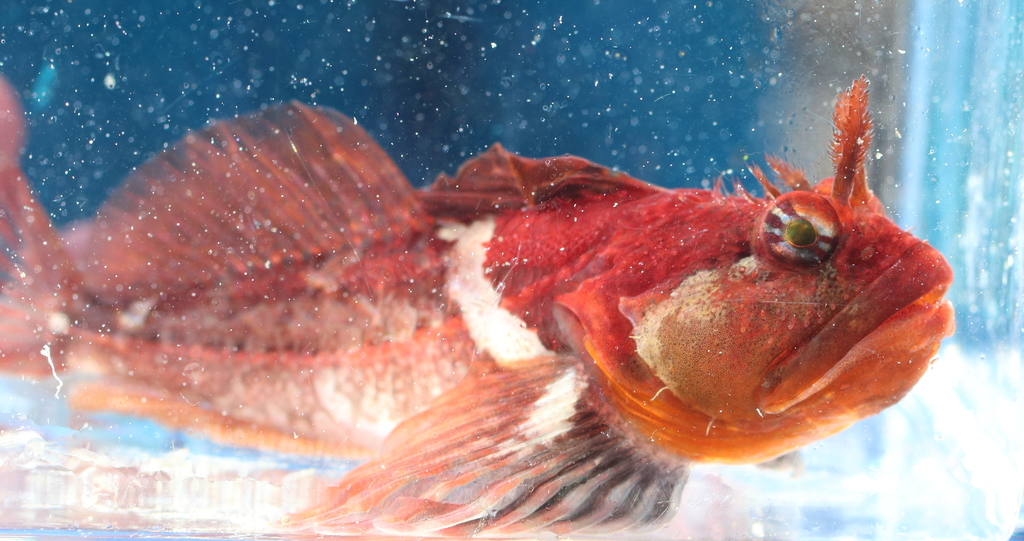
 Padded sculpin
Artedius fenestralis
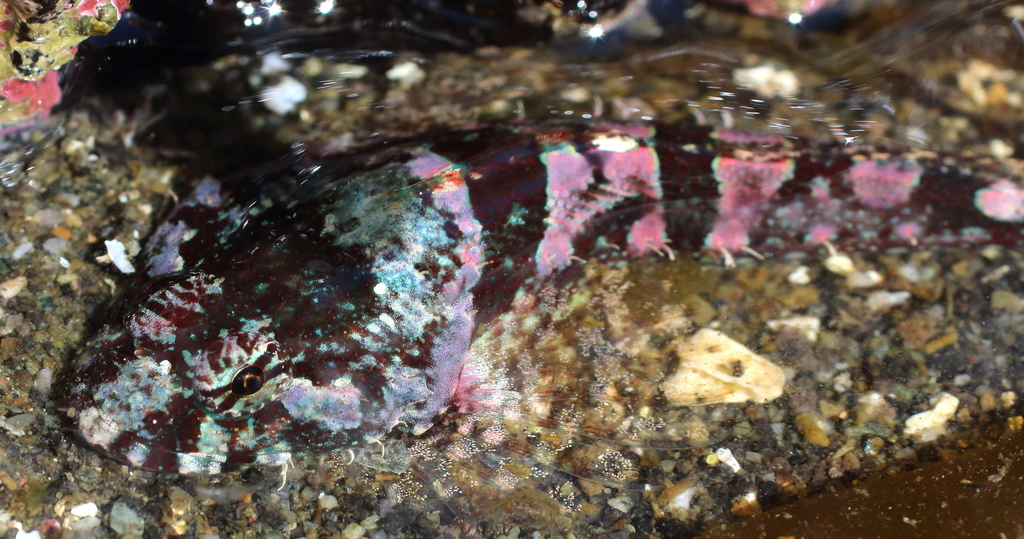
 Scalyhead sculpin
Artedius harringtoni
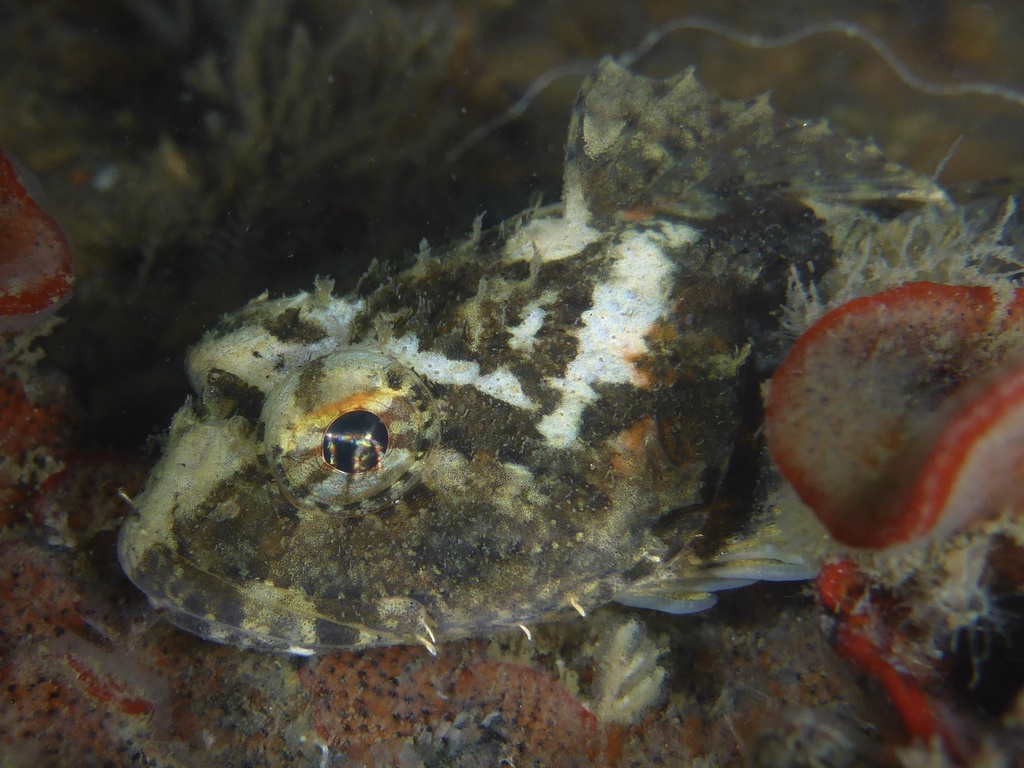
 Smoothhead sculpin
Artedius lateralis
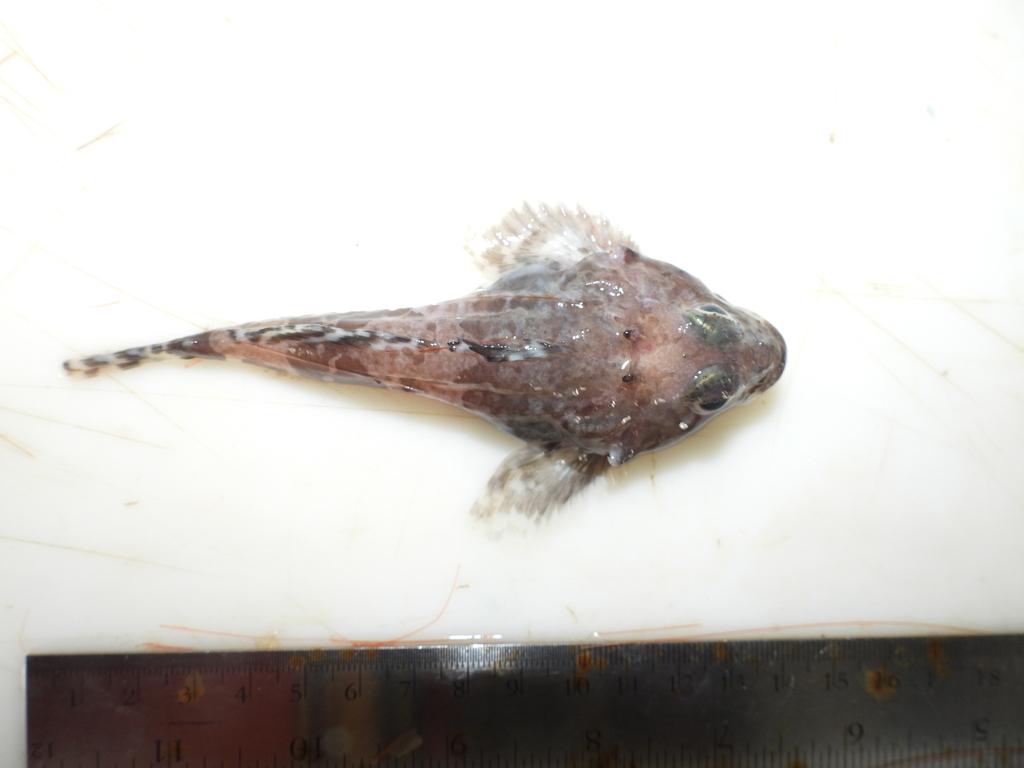
 Bonyhead sculpin
Artedius notospilotus
 Atlantic hookear sculpin
Artediellus atlanticus
 Woolly sculpin
Clinocottus analis
Sources and credits
Names and taxonomy: WoRMS (CC BY 4.0) and the GBIF Backbone (CC BY 4.0). Photos: iNaturalist observers, each under the licence shown (CC0, CC BY or CC BY-SA).
- Depth, temperature, months and maps: records from OBIS and GBIF under CC0 or CC BY.
- Descriptions: Wikipedia, licensed CC BY-SA, each linked to its article.
- Conservation status as published by GBIF (IUCN Red List).
- 132 open-data records from 1931 to 1984.
- Species data updated November 8, 2026.
Log what you see on your next dive
The free DiveHive diver app keeps your logbook with every sighting and shows what lives at the site you dive next.