
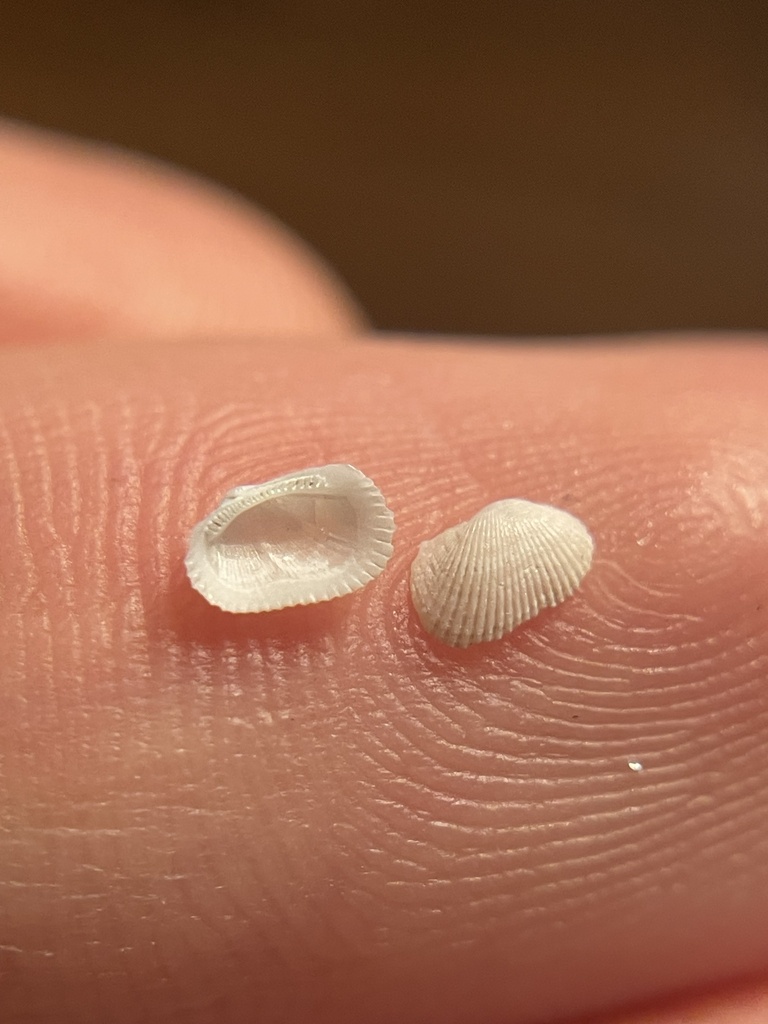
Transverse ark
Anadara transversa
- Usual depth2–30 m
- Water temperature12–27 °C
- Best monthsJune, July, and August
- How commonOccasional
Photo credit: (c) Jacob Weston, some rights reserved (CC BY), uploaded by Jacob Weston · CC BY · iNaturalist
About this species
Anadara transversa, or the Transverse ark clam, is a clam in the family Arcidae. It can be found along the Atlantic coast of North America, ranging from Massachusetts to Texas, including the West Indies.
Text from the Wikipedia article “Anadara transversa”, licensed CC BY-SA 4.0. Read the article
Where and when
Where it has been recorded
Worldwide
Best months
Worldwide (open data)
- January: 253 records
- February: 231 records
- March: 305 records
- April: 283 records
- May: 313 records
- June: 362 records
- July: 387 records
- August: 464 records
- September: 281 records
- October: 260 records
- November: 172 records
- December: 253 records
Depth and water temperature
Depth
Mostly recorded at 2–30 m · Deepest record: 161 m
Water temperature
Recorded in surface water of 12–27 °C
Photos
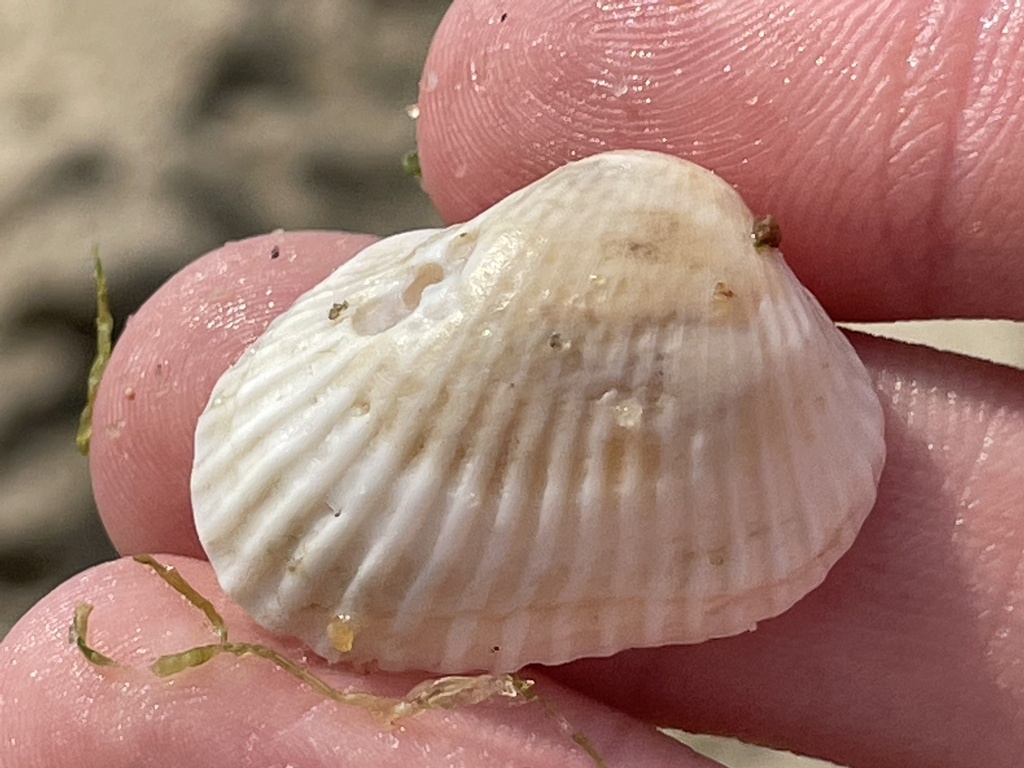
(c) Bobby McCabe, some rights reserved (CC BY), uploaded by Bobby McCabe · CC BY · iNaturalist 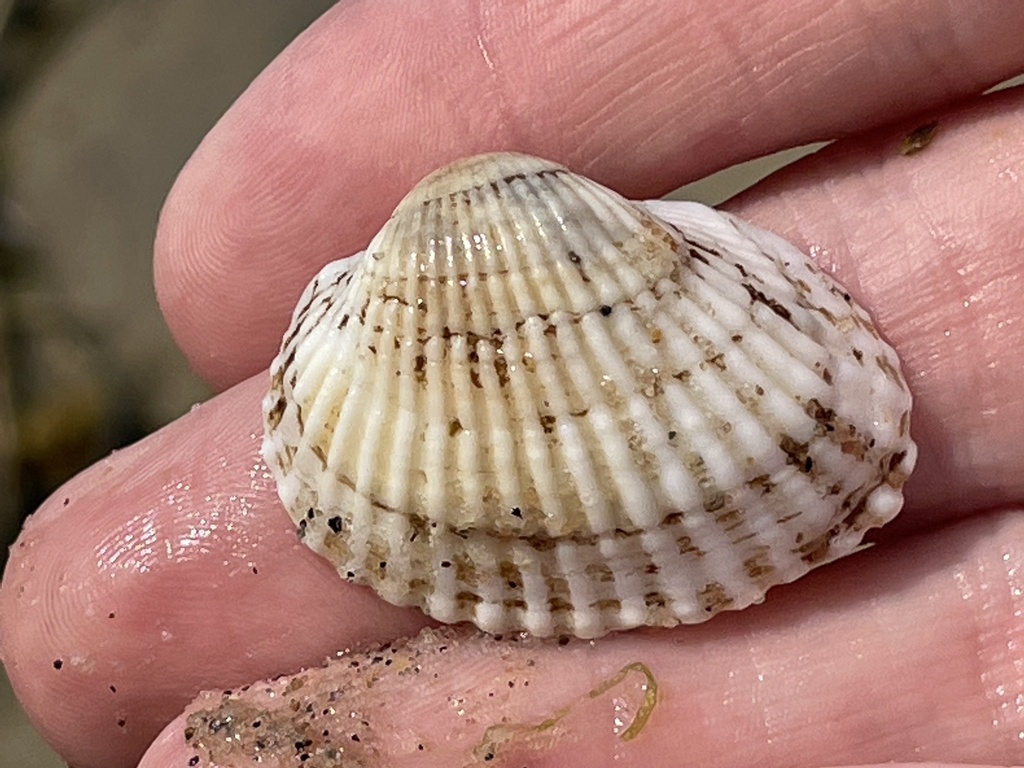
(c) Bobby McCabe, some rights reserved (CC BY), uploaded by Bobby McCabe · CC BY · iNaturalist 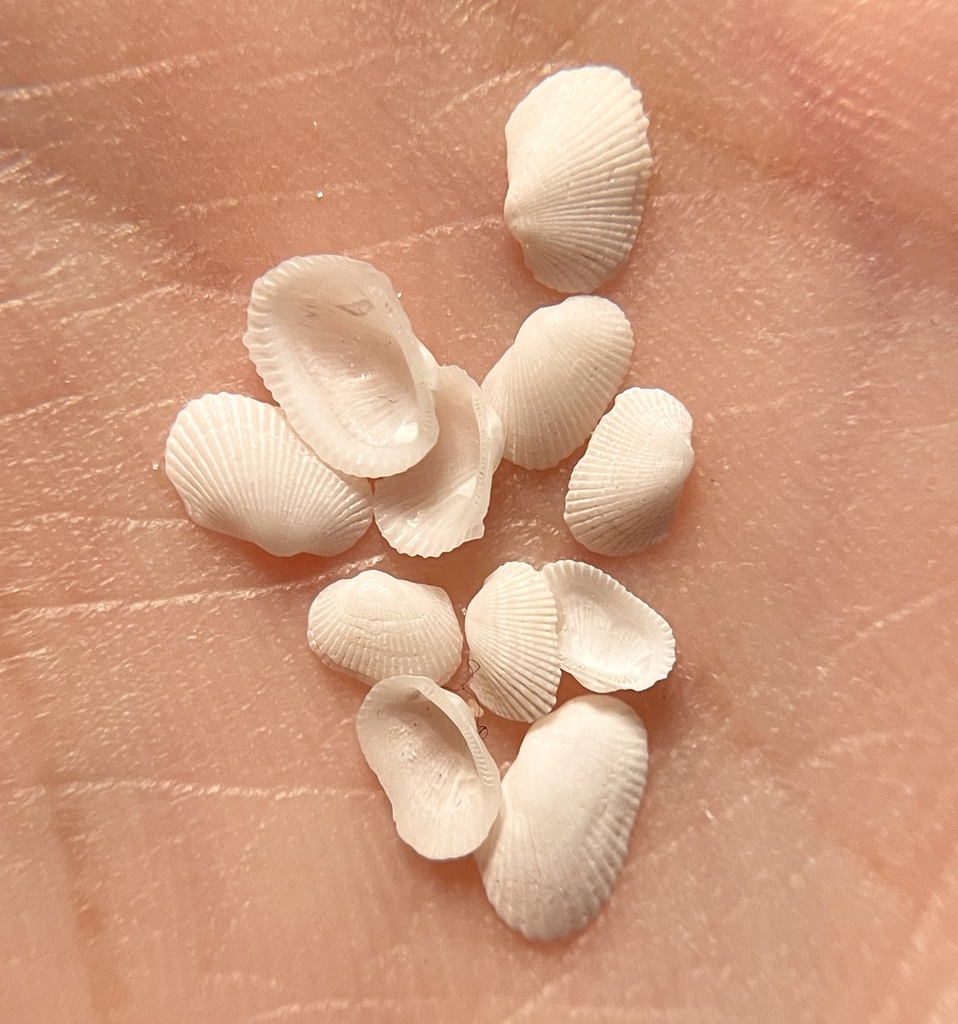
(c) Jacob Weston, some rights reserved (CC BY) · CC BY · iNaturalist 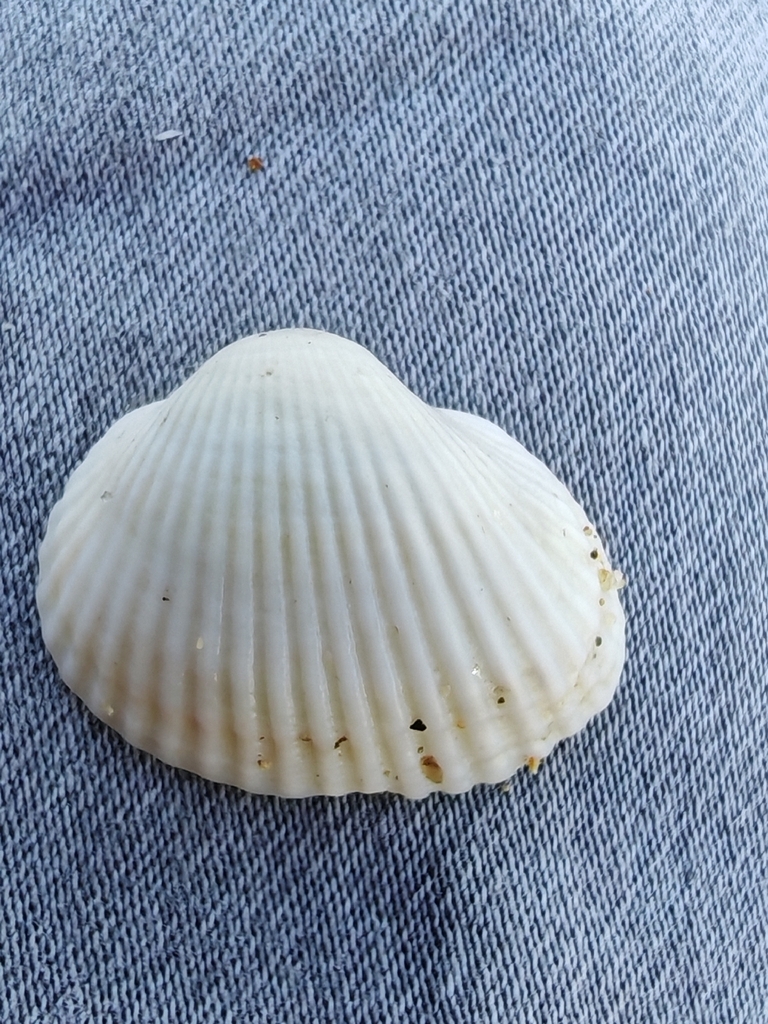
(c) Kostas Zontanos, some rights reserved (CC BY) · CC BY · iNaturalist 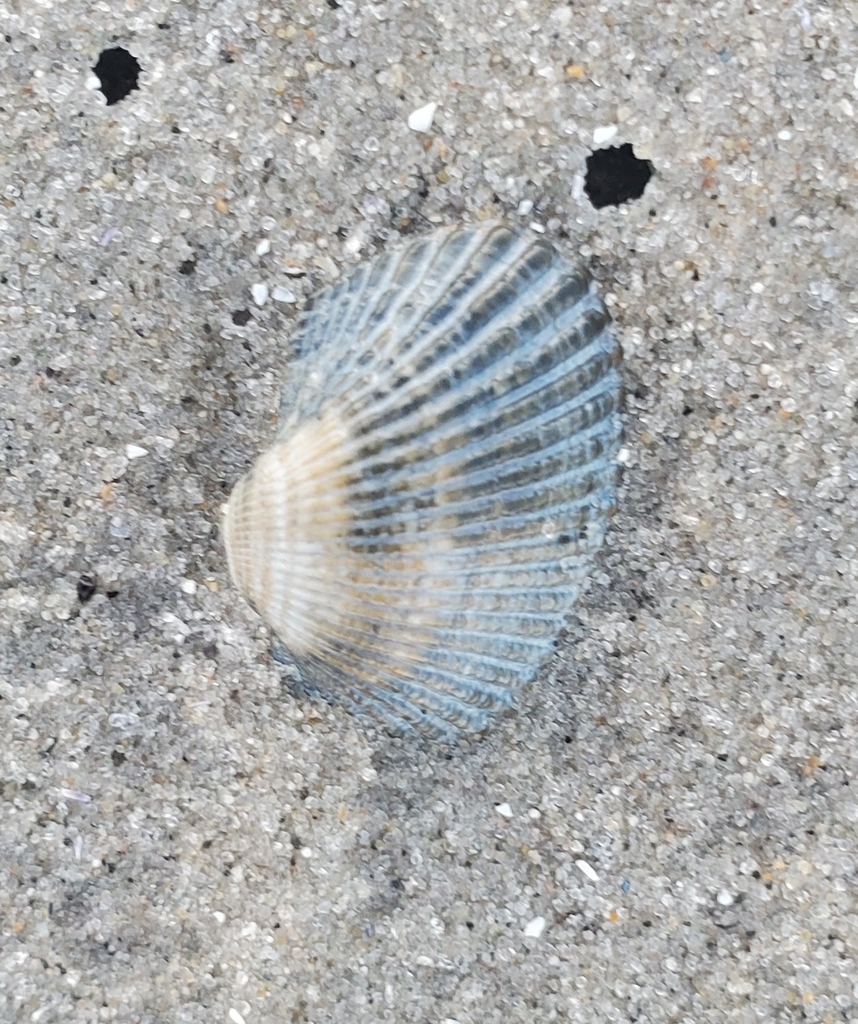
(c) Ali Campbell, some rights reserved (CC BY) · CC BY · iNaturalist 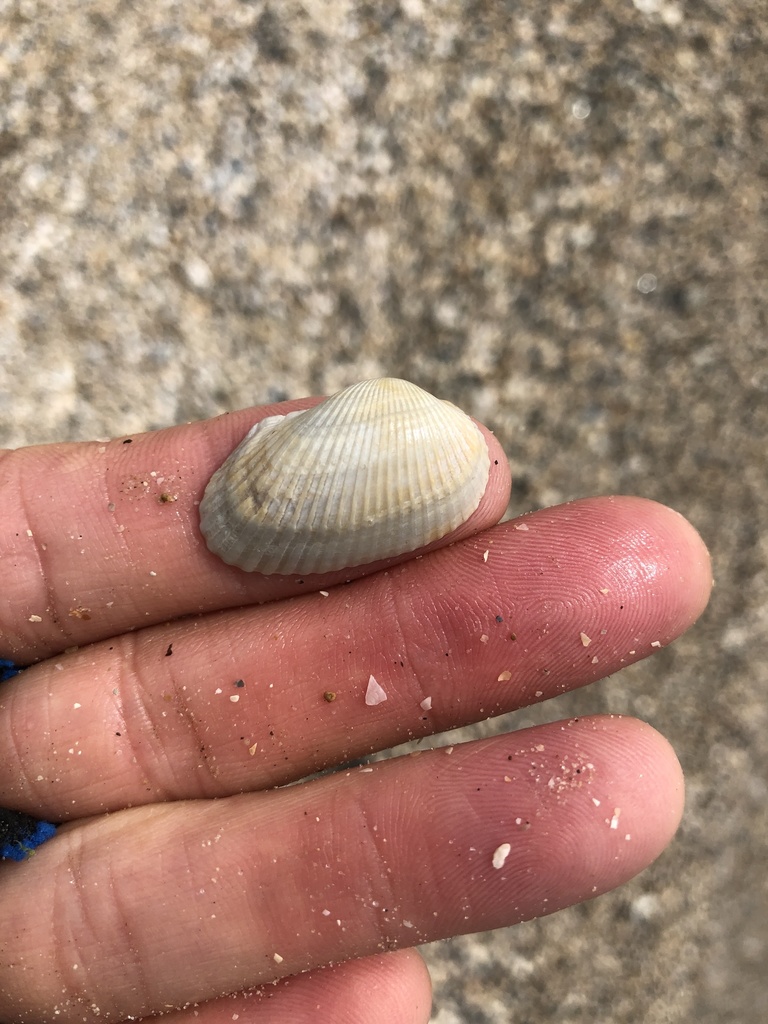
(c) Dan Johnson, some rights reserved (CC BY) · CC BY · iNaturalist 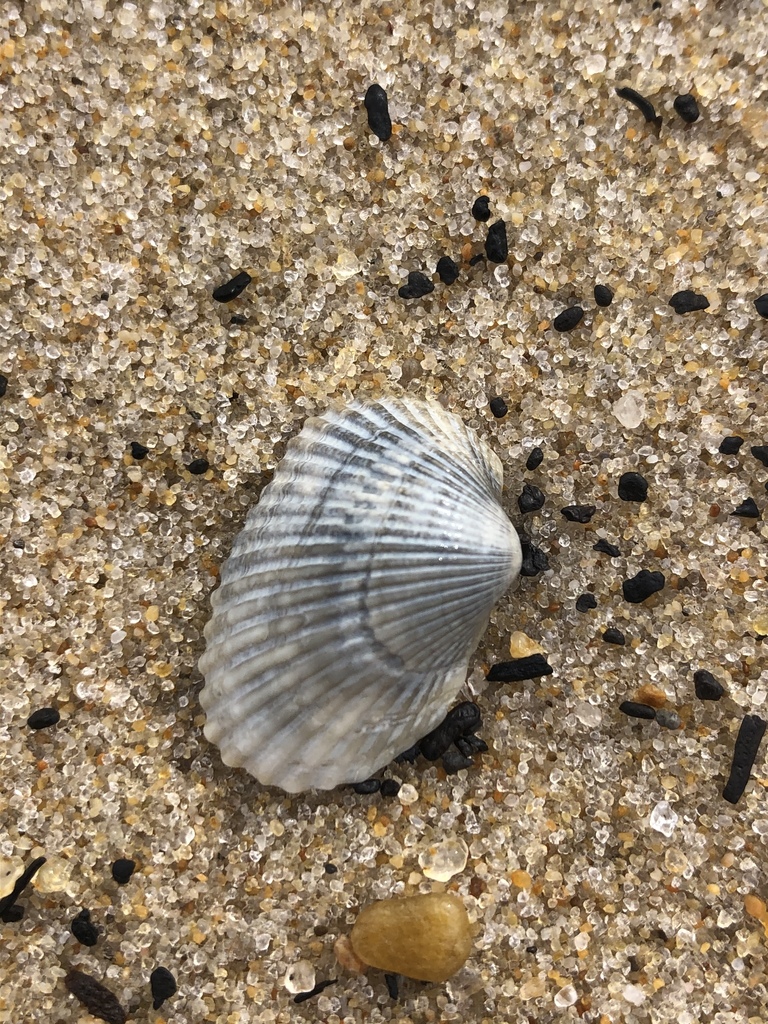
no rights reserved · CC0 1.0 · iNaturalist
Names and classification
- English
- Transverse ark, transverse ark, Transverse Ark
Other scientific names: Anadara demiri, Arca sulcosa, Arca transversa, Scapharca (Scapharca) transversa
Similar species
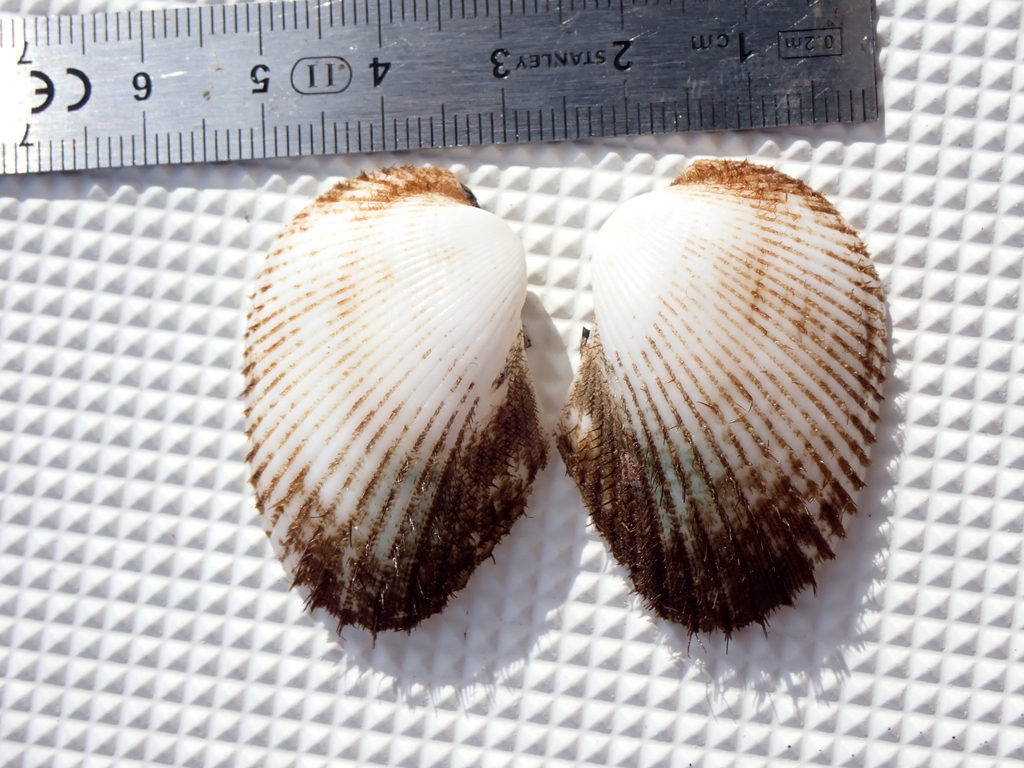 Antique ark
Anadara antiquata
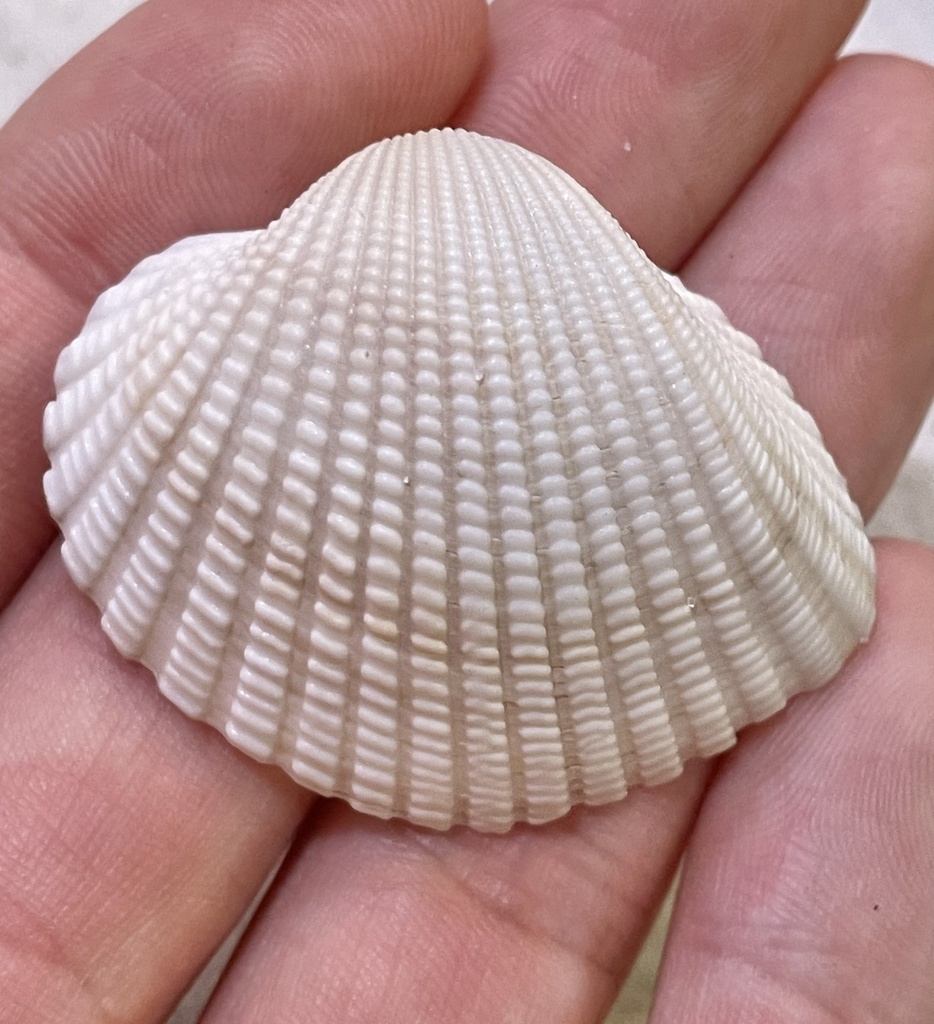 incongruous ark
Anadara brasiliana
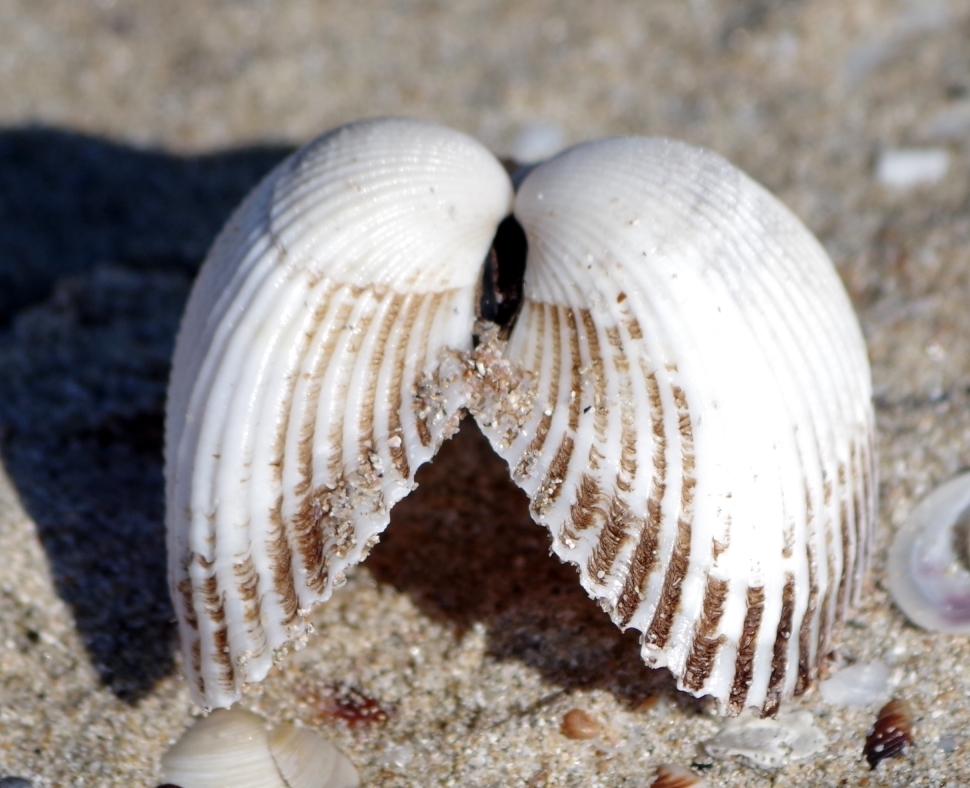 Kagoshima Blood Cockle
Anadara kagoshimensis
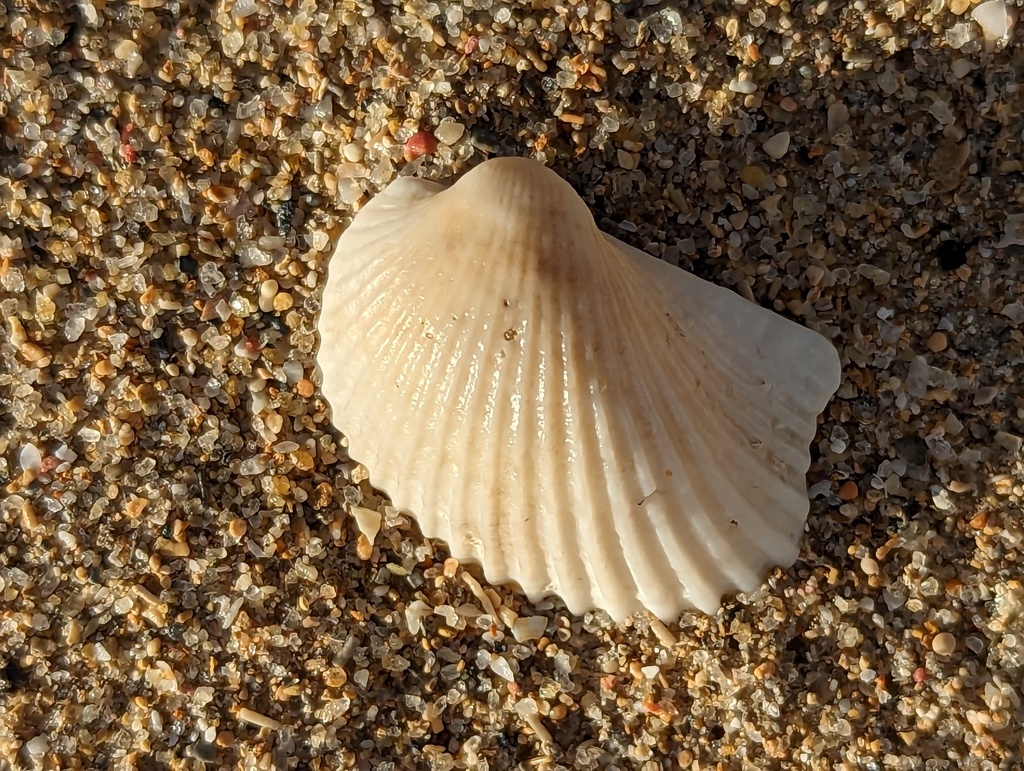 Eared ark
Anadara notabilis
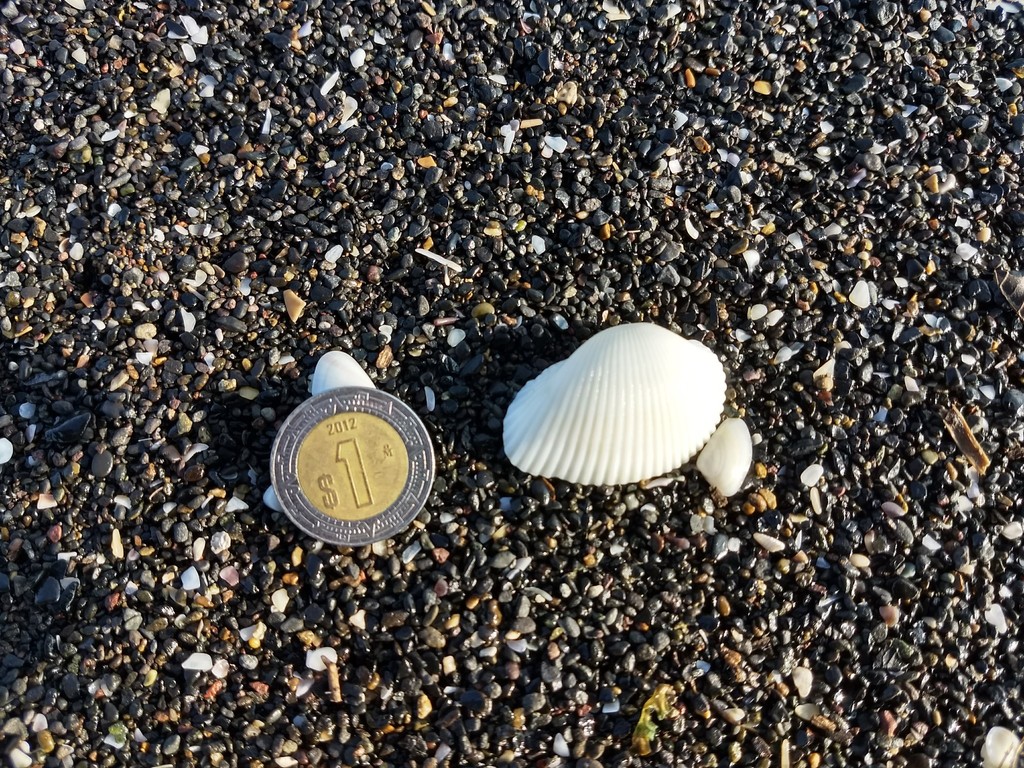 Cut-ribbed Ark
Anadara secticostata
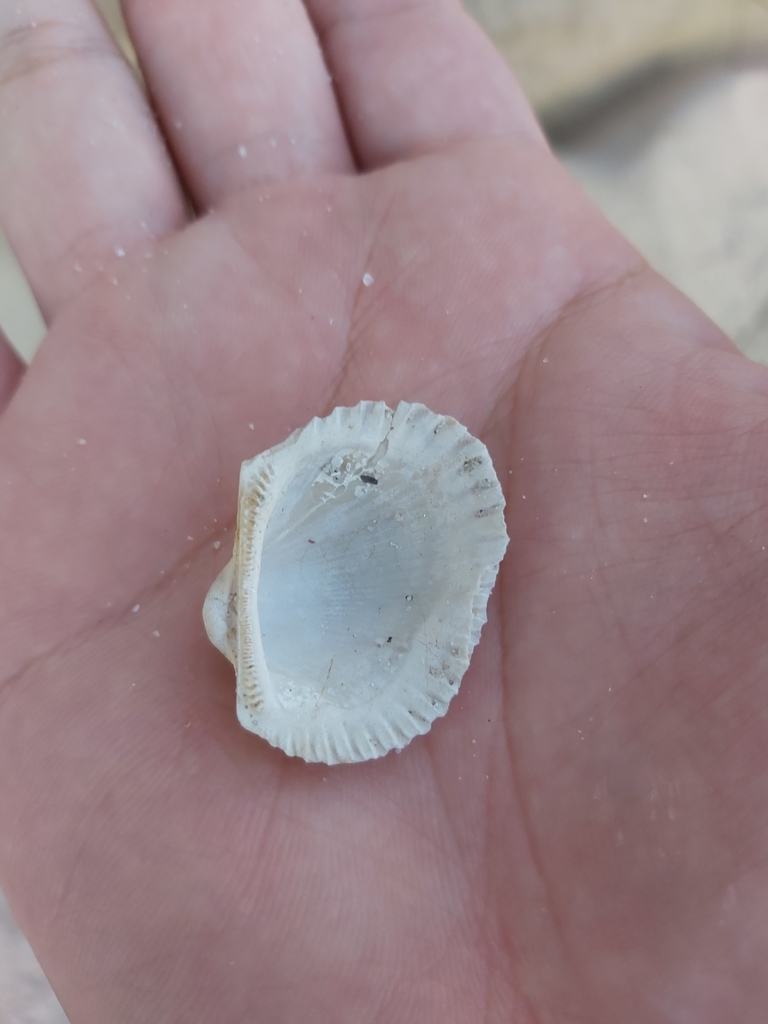 Sydney Cockle
Anadara trapezia
Sources and credits
Names and taxonomy: WoRMS (CC BY 4.0) and the GBIF Backbone (CC BY 4.0). Photos: iNaturalist observers, each under the licence shown (CC0, CC BY or CC BY-SA).
- Depth, temperature, months and maps: records from OBIS and GBIF under CC0 or CC BY.
- Descriptions: Wikipedia, licensed CC BY-SA, each linked to its article.
- Conservation status as published by GBIF (IUCN Red List).
- 1,646 open-data records from 1875 to 2022.
- Species data updated November 8, 2026.
Log what you see on your next dive
The free DiveHive diver app keeps your logbook with every sighting and shows what lives at the site you dive next.