
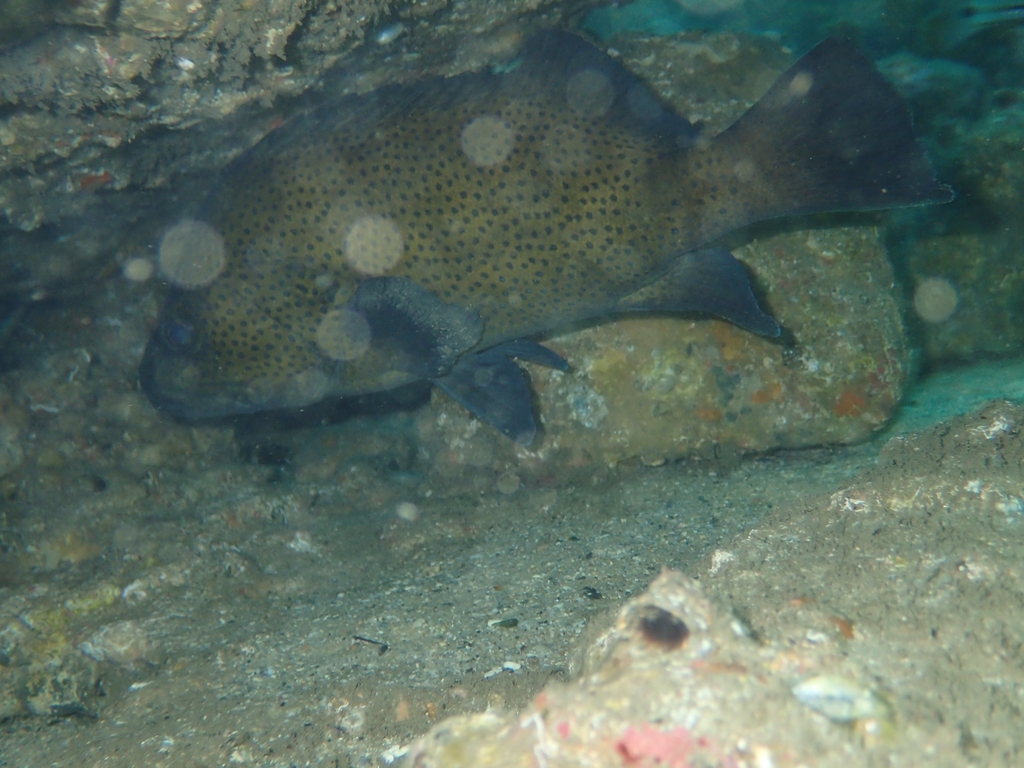
Boot
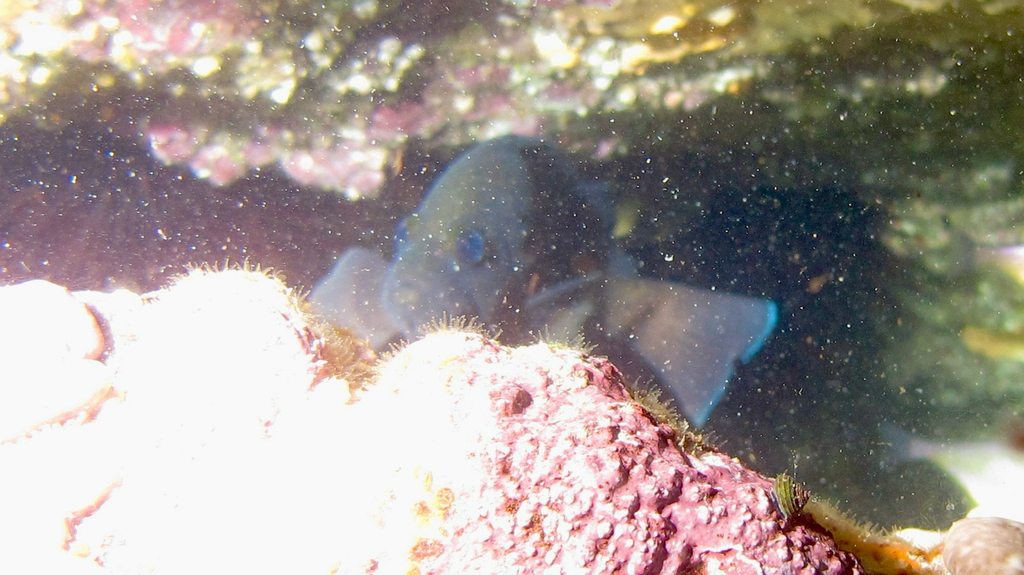
Acanthistius ocellatus
- Usual depth1–25 m
- Water temperature15–24 °C
- Best monthsJanuary, April, and December
- How commonOccasional
Photo credit: (c) Oscar Dove, some rights reserved (CC BY) · CC BY · iNaturalist
About this species
Acanthistius ocellatus, also known as the eastern wirrah, is a species of ray-finned fish in the family Serranidae, the groupers and sea basses. The species is native to the southwestern portion of the Pacific Ocean.
Text from the Wikipedia article “Acanthistius ocellatus”, licensed CC BY-SA 4.0. Read the article
Where and when
Where it has been recorded
Worldwide
Best months
Worldwide (open data)
- January: 74 records
- February: 63 records
- March: 46 records
- April: 71 records
- May: 68 records
- June: 51 records
- July: 62 records
- August: 44 records
- September: 40 records
- October: 59 records
- November: 68 records
- December: 85 records
Depth and water temperature
Depth
Mostly recorded at 1–25 m · Deepest record: 25 m
Water temperature
Recorded in surface water of 15–24 °C
Photos
(c) Bryce Watts-Parker, some rights reserved (CC BY) · CC BY · iNaturalist 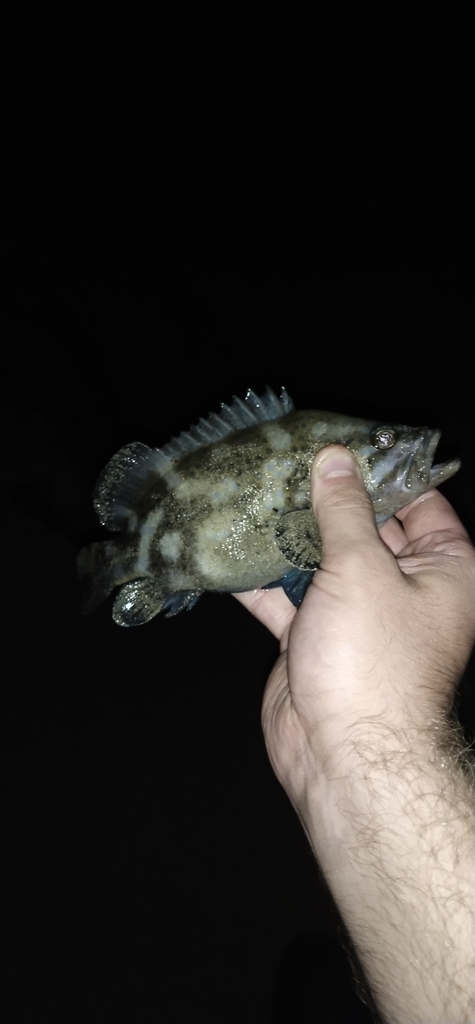
(c) Liam southwell, some rights reserved (CC BY) · CC BY · iNaturalist 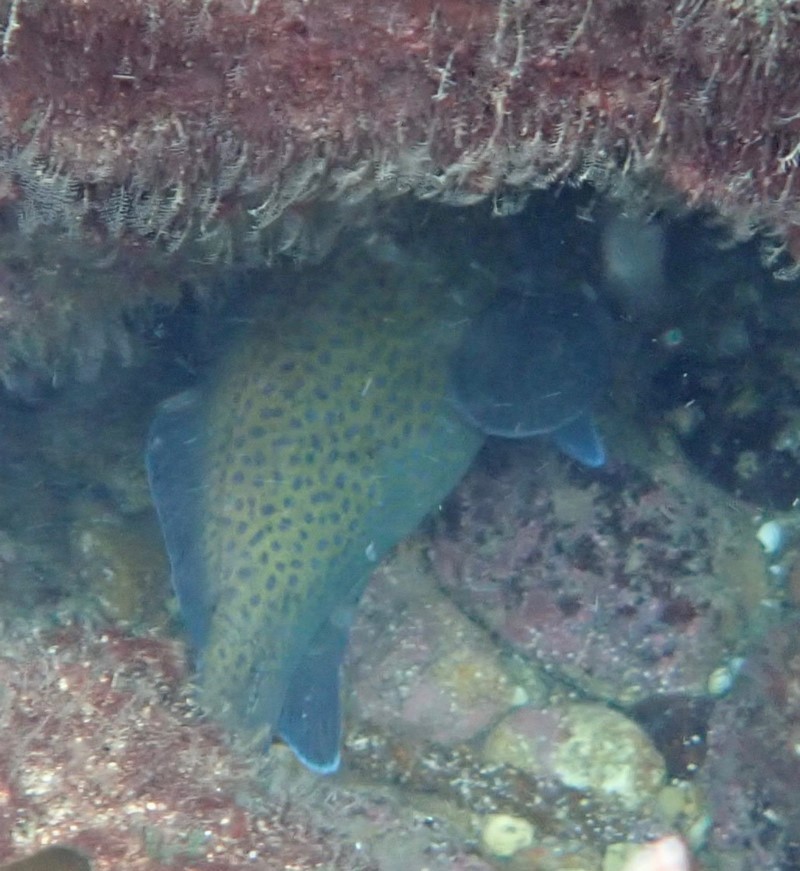
(c) libby hepburn, some rights reserved (CC BY) · CC BY · iNaturalist 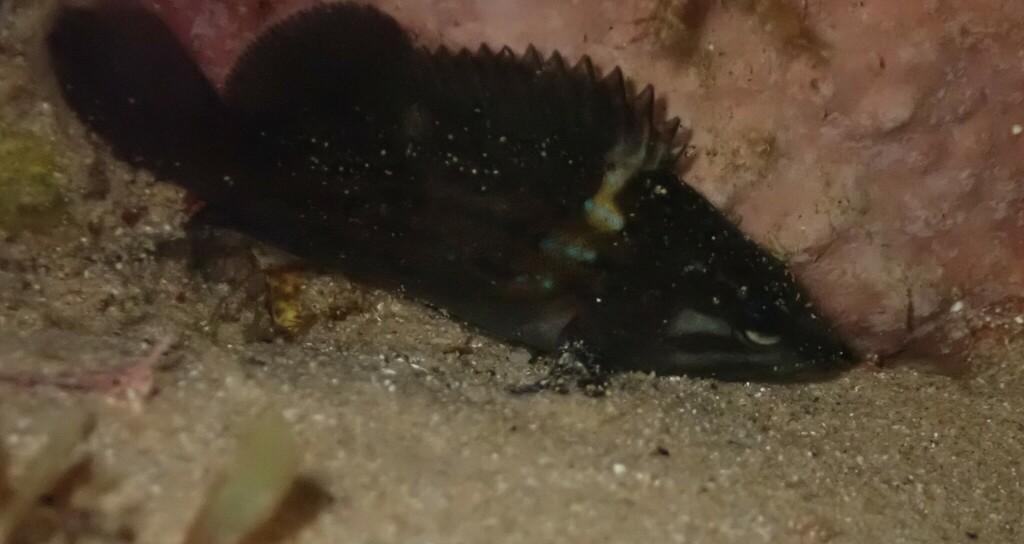
(c) Alesha Teitzel, some rights reserved (CC BY) · CC BY · iNaturalist 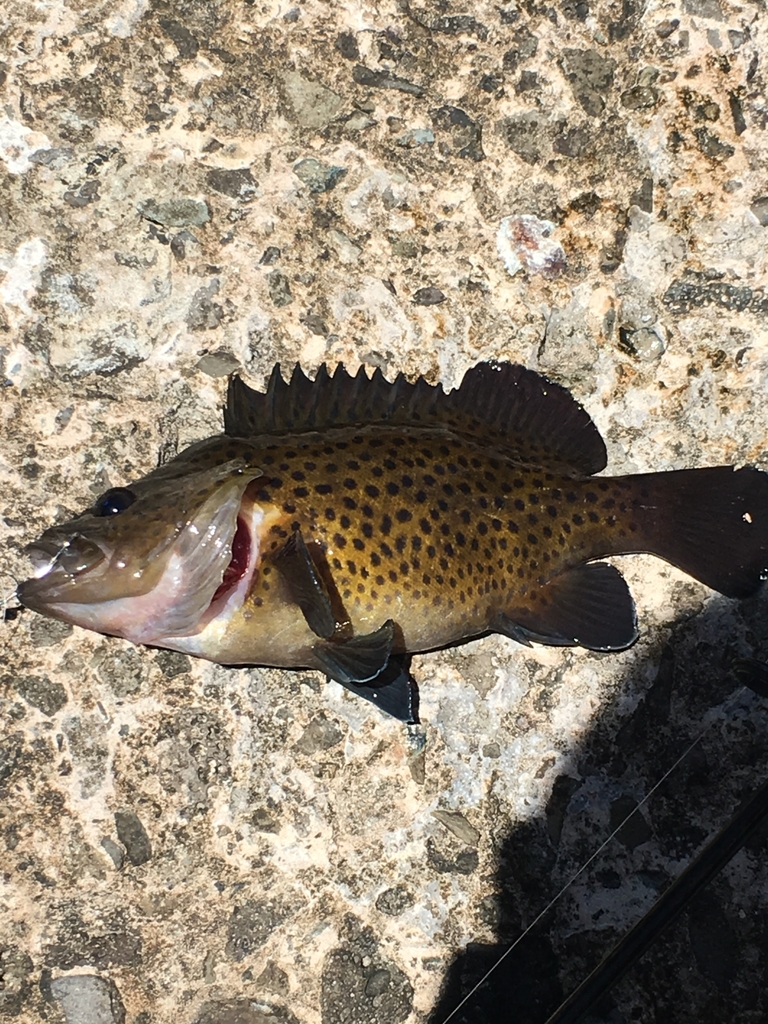
(c) Liam southwell, some rights reserved (CC BY) · CC BY · iNaturalist 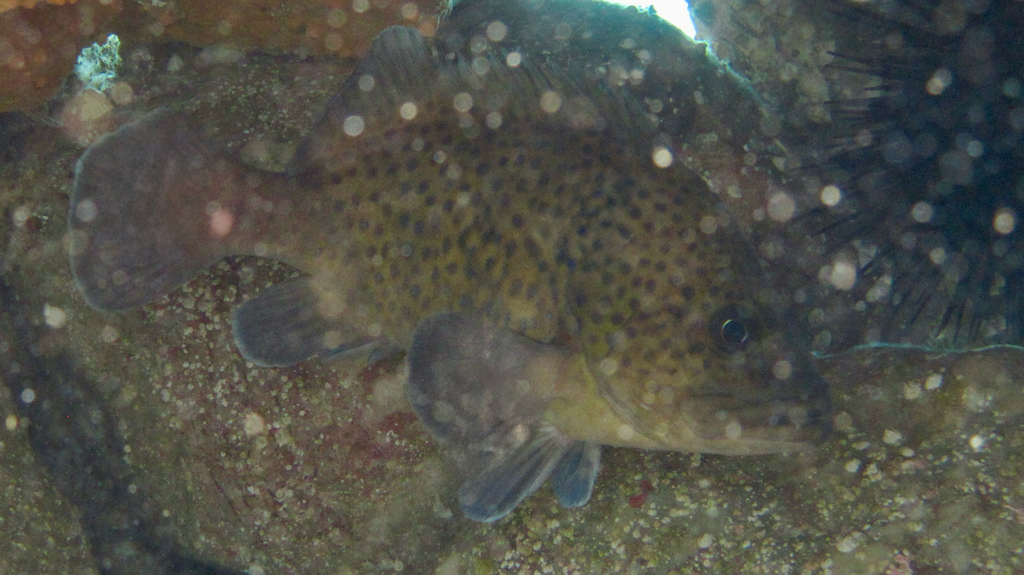
(c) Bryce Watts-Parker, some rights reserved (CC BY) · CC BY · iNaturalist 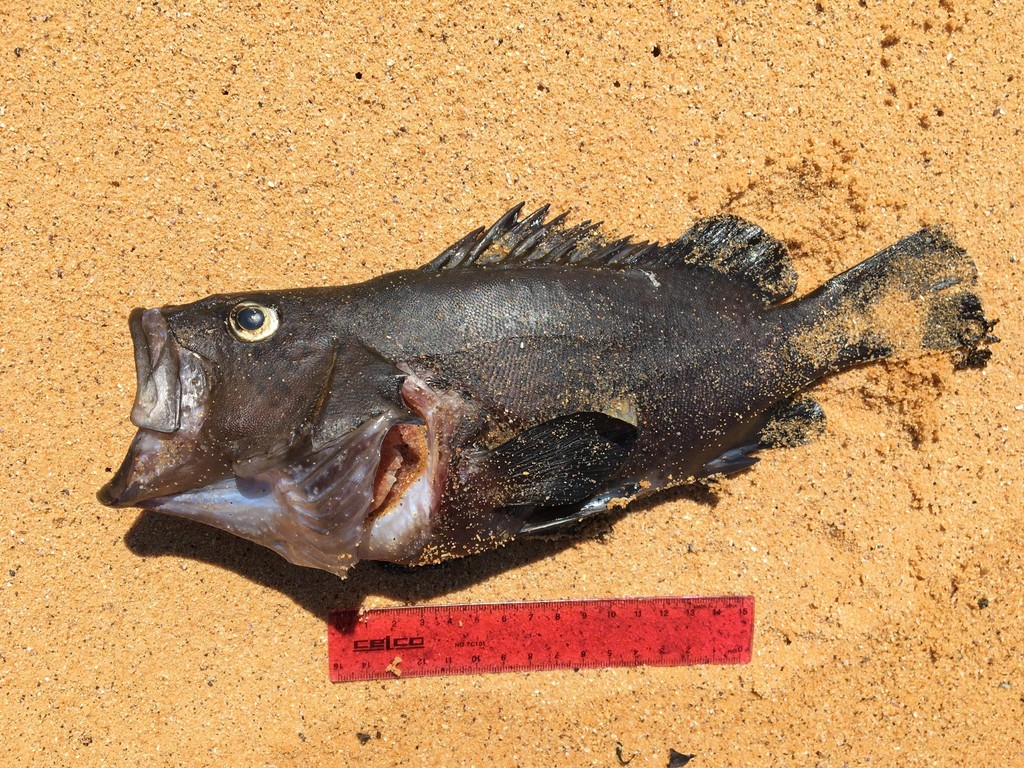
(c) Thomas Mesaglio, some rights reserved (CC BY) · CC BY · iNaturalist
Names and classification
- English
- Boot, Eastern Wirrah, Meat Wirrah, Mother-in-law Fish, Peppermint Cod, Wirrah, Wirrah Cod
Names in 1 more language
- Simplified Chinese
- 睛斑刺鮨
Other scientific names: Plectropoma cyanostigma, Plectropoma myriaster, Plectropoma ocellatum
Similar species
- Argentine seabass
Acanthistius brasilianus
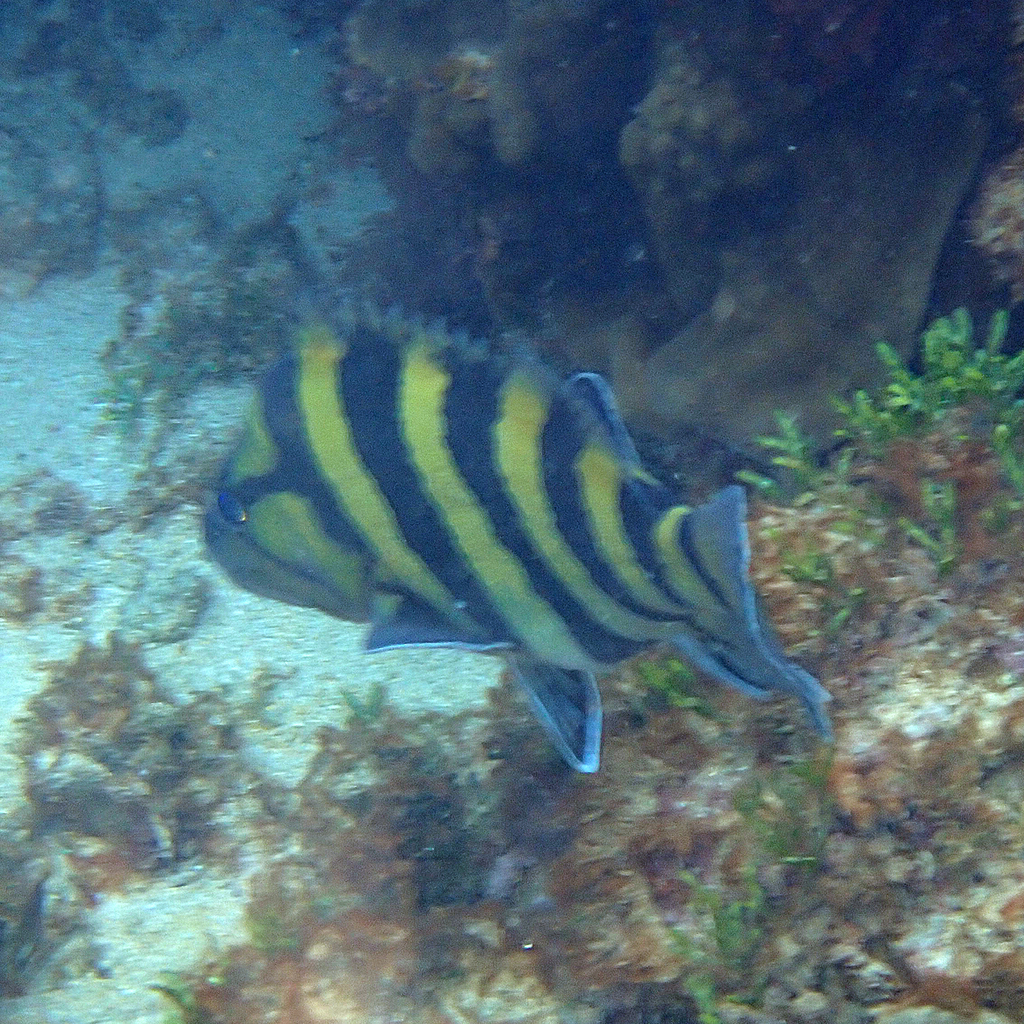 Banded Wirrah
Acanthistius cinctus
 Scalyjaw Koester
Acanthistius joanae
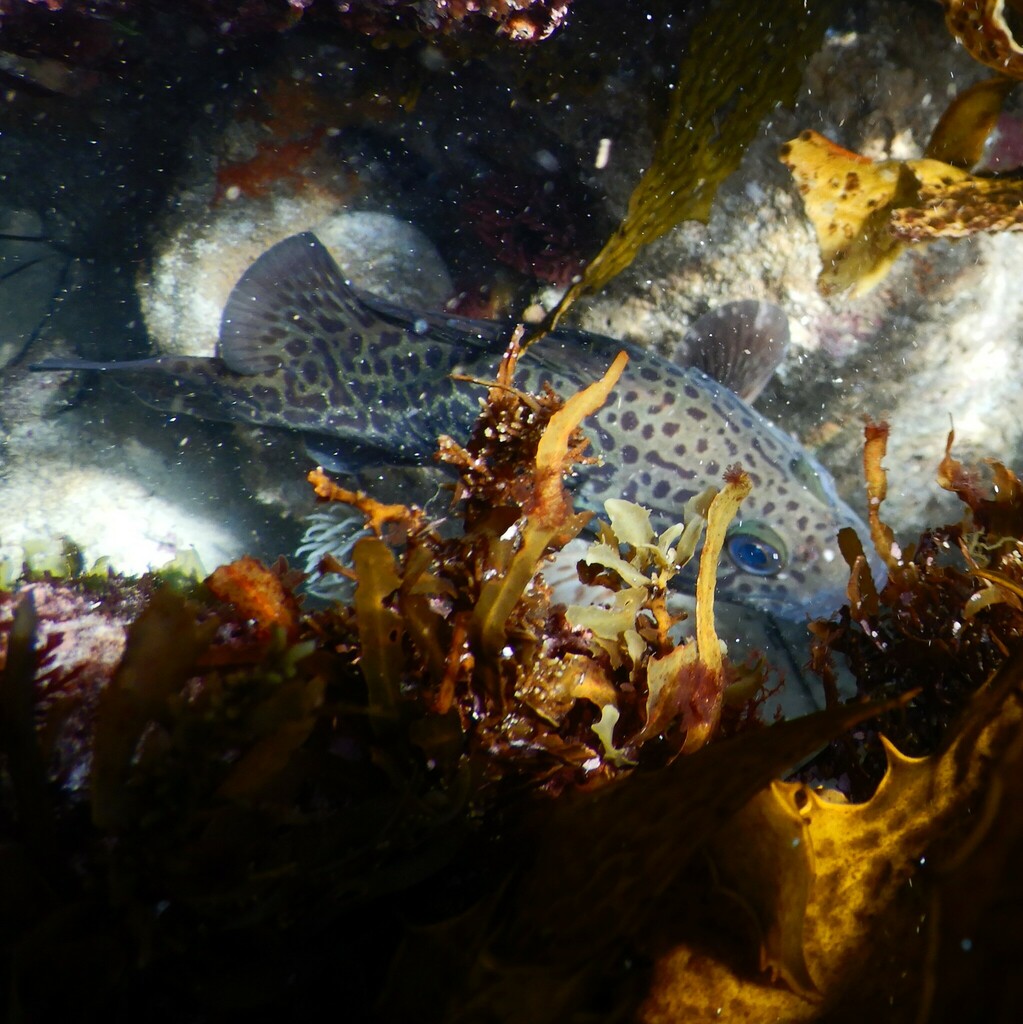 Leopard Perch
Acanthistius pardalotus
 Scorpion grouper
Acanthistius sebastoides
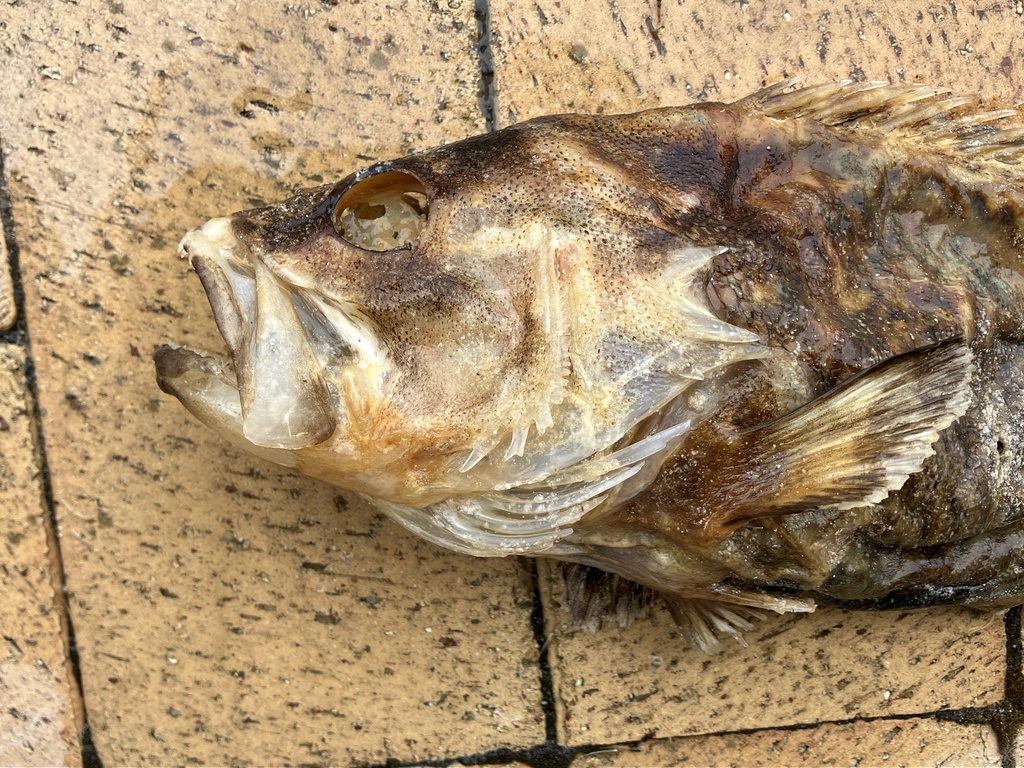 Western Wirrah
Acanthistius serratus
Sources and credits
Names and taxonomy: WoRMS (CC BY 4.0) and the GBIF Backbone (CC BY 4.0). Photos: iNaturalist observers, each under the licence shown (CC0, CC BY or CC BY-SA).
- Depth, temperature, months and maps: records from OBIS and GBIF under CC0 or CC BY.
- Descriptions: Wikipedia, licensed CC BY-SA, each linked to its article.
- Conservation status as published by GBIF (IUCN Red List).
- 783 open-data records from 1898 to 2023.
- Species data updated October 31, 2026.
Log what you see on your next dive
The free DiveHive diver app keeps your logbook with every sighting and shows what lives at the site you dive next.