
Atlantic deepsea lobster
Acanthacaris caeca
- Usual depth512–777 m
- Water temperature24–29 °C
- Best monthsMay and June
- How commonRare
About this species
Acanthacaris caeca is a species of deep-water lobster. It was originally described under the name Phoberus caecus by Alphonse Milne-Edwards. Lacking eyes, A. caeca is blind.
Text from the Wikipedia article “Acanthacaris caeca”, licensed CC BY-SA 4.0. Read the article
Where and when
Where it has been recorded
Worldwide
Best months
Worldwide (open data)
- January: 1 record
- February: 4 records
- March: 5 records
- April: 5 records
- May: 30 records
- June: 31 records
- July: 3 records
- August: 2 records
- September: 8 records
- October: 10 records
- November: 10 records
- December: 14 records
Depth and water temperature
Depth
Mostly recorded at 512–777 m · Deepest record: 914 m
Water temperature
Recorded in surface water of 24–29 °C
Names and classification
- English
- Atlantic deepsea lobster, Atlantic deep-sea lobster, Blind deep sea lobster, Blind deep-sea lobster, blind deep sea lobster, blind deep-sea lobster
Names in 3 more languages
- German
- Atlantischer Tiefseehummer
- Spanish
- cigala de fondo, Langosta del Atlántico
- French
- langoustine arganelle
Other scientific names: Neophoberus caecus, Phoberus caecus
Similar species
- Prickly deep-sea lobster
Acanthacaris tenuimana
 American clawed lobster
Homarus americanus
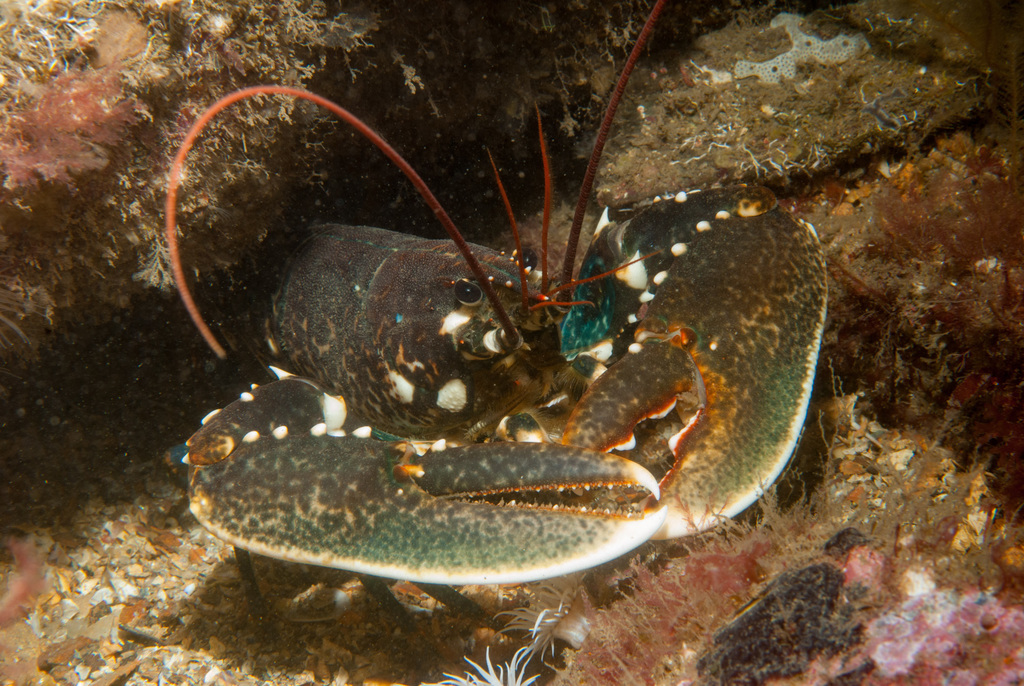 Common lobster
Homarus gammarus
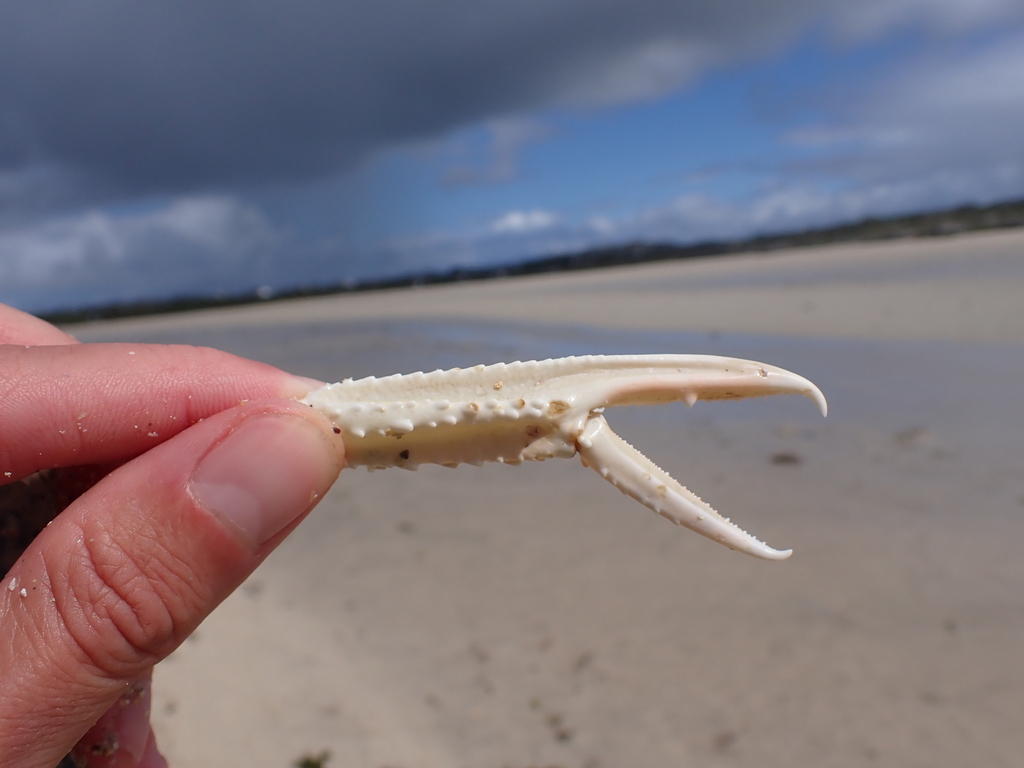 Dublin Bay lobster
Nephrops norvegicus
- Deep water scampi
Metanephrops challengeri
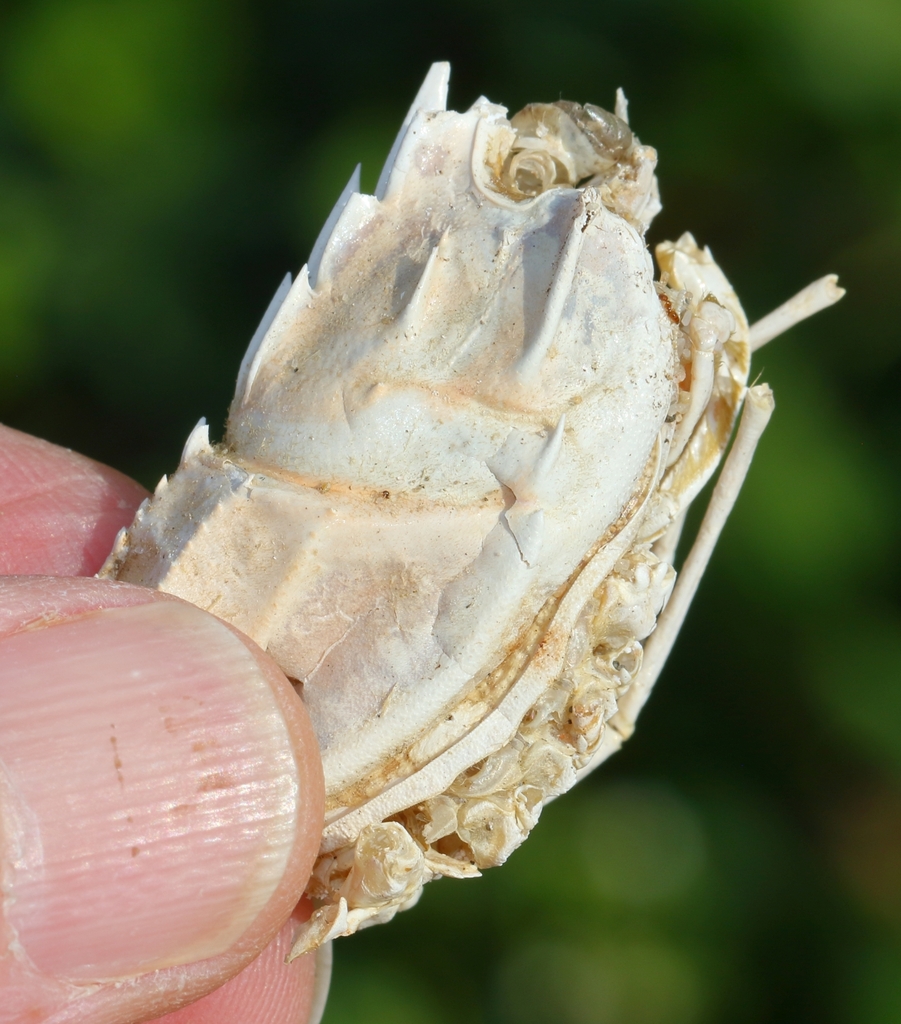 African lobster
Metanephrops mozambicus
Sources and credits
Names and taxonomy: WoRMS (CC BY 4.0) and the GBIF Backbone (CC BY 4.0). Photos: iNaturalist observers, each under the licence shown (CC0, CC BY or CC BY-SA).
- Depth, temperature, months and maps: records from OBIS and GBIF under CC0 or CC BY.
- Descriptions: Wikipedia, licensed CC BY-SA, each linked to its article.
- Conservation status as published by GBIF (IUCN Red List).
- 154 open-data records from 1951 to 2002.
- Species data updated November 8, 2026.
Log what you see on your next dive
The free DiveHive diver app keeps your logbook with every sighting and shows what lives at the site you dive next.