
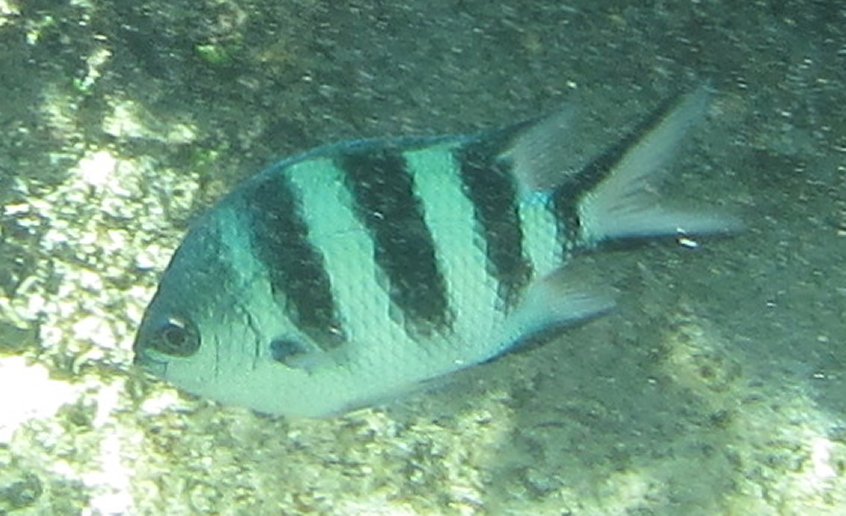
Natal sergeant
Abudefduf natalensis
- Usual depth7–19 m
- Water temperature23–27 °C
- Best monthsApril
- How commonRare
Photo credit: (c) Robert Taylor, some rights reserved (CC BY), uploaded by Robert Taylor · CC BY · iNaturalist
About this species
Abudefduf natalensis, known as the Natal sergeant, is a species of damselfish in the family Pomacentridae. It is native to the tropical western Indian Ocean, where it is known from Madagascar, Mauritius, Réunion, and South Africa from KwaZulu-Natal to the Eastern Cape. Adults of the species are typically found in rocky reefs at depths of 1 to 25 m. The species is known to be oviparous, with individuals forming distinct pairs during breeding and males guarding and aerating eggs. Abudefduf natalensis reaches 17 cm (6.7 in) in total length.
Text from the Wikipedia article “Abudefduf natalensis”, licensed CC BY-SA 4.0. Read the article
Where and when
Where it has been recorded
Worldwide
Best months
Worldwide (open data)
- January: 13 records
- February: 4 records
- March: 12 records
- April: 26 records
- May: 8 records
- June: 8 records
- July: 15 records
- August: 0 records
- September: 3 records
- October: 6 records
- November: 5 records
- December: 6 records
Depth and water temperature
Depth
Mostly recorded at 7–19 m · Deepest record: 21 m
Water temperature
Recorded in surface water of 23–27 °C
Photos
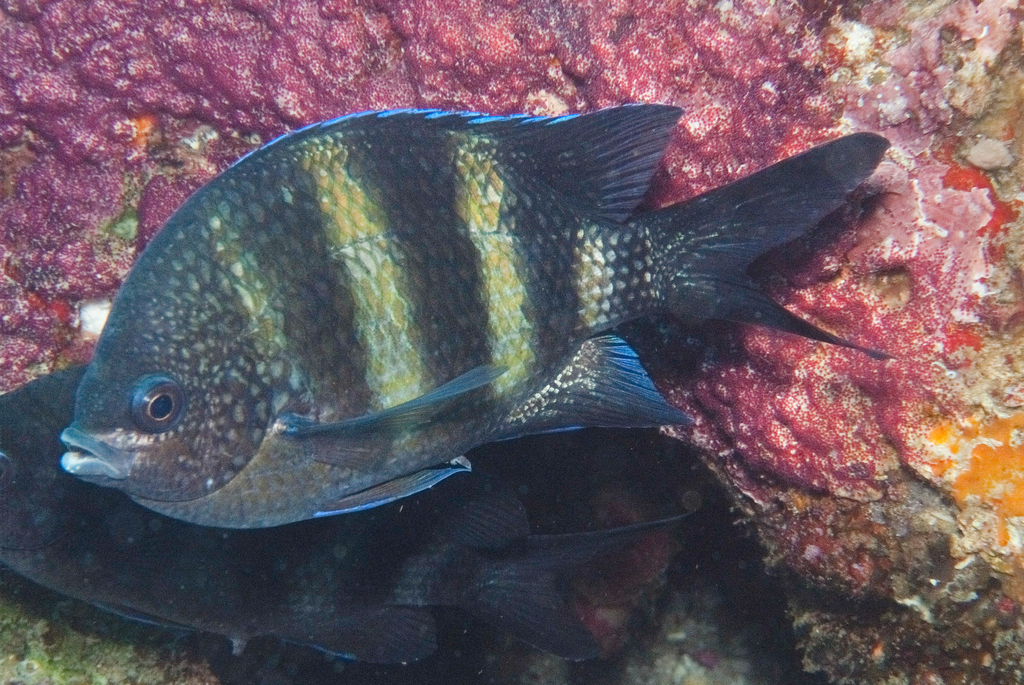
(c) Georgina Jones, some rights reserved (CC BY-SA) · CC BY-SA · iNaturalist 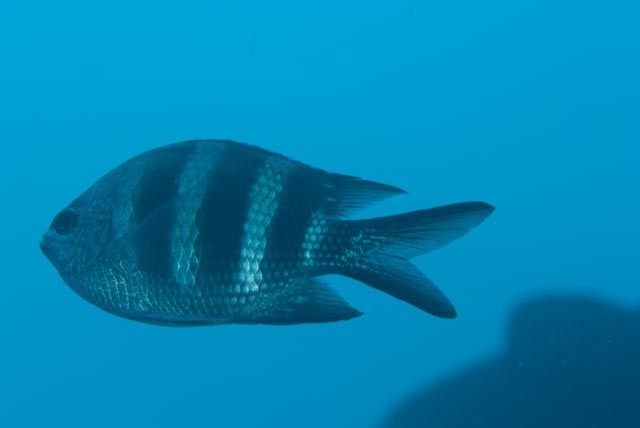
(c) Georgina Jones, some rights reserved (CC BY-SA) · CC BY-SA · iNaturalist 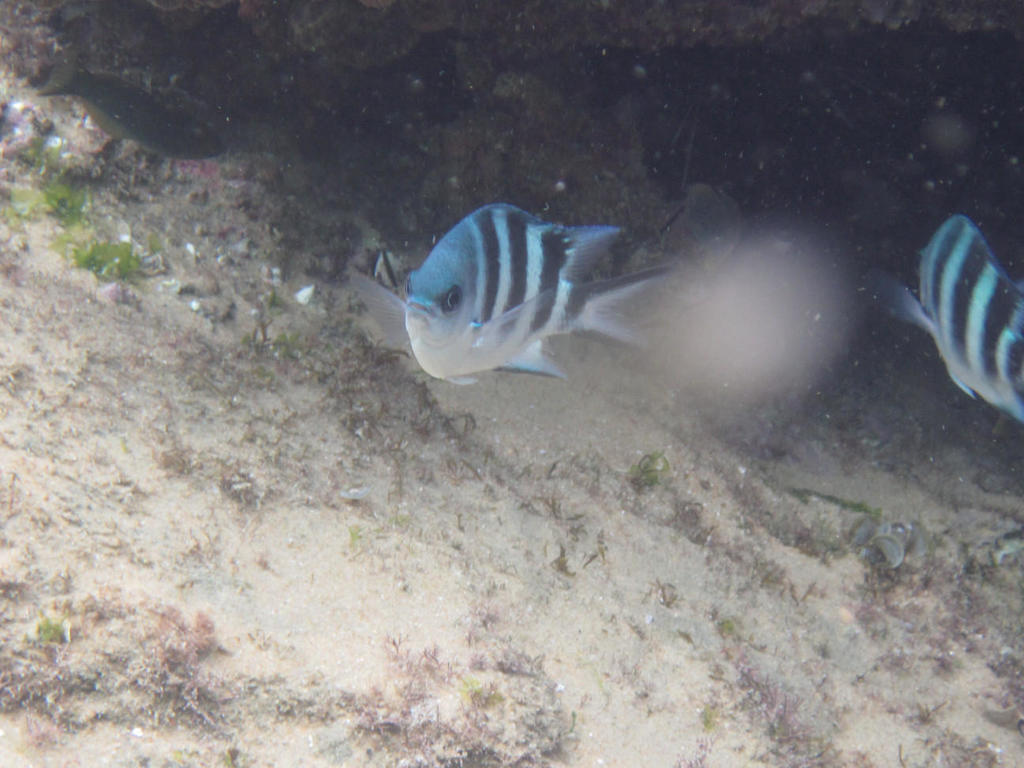
no rights reserved · CC0 1.0 · iNaturalist 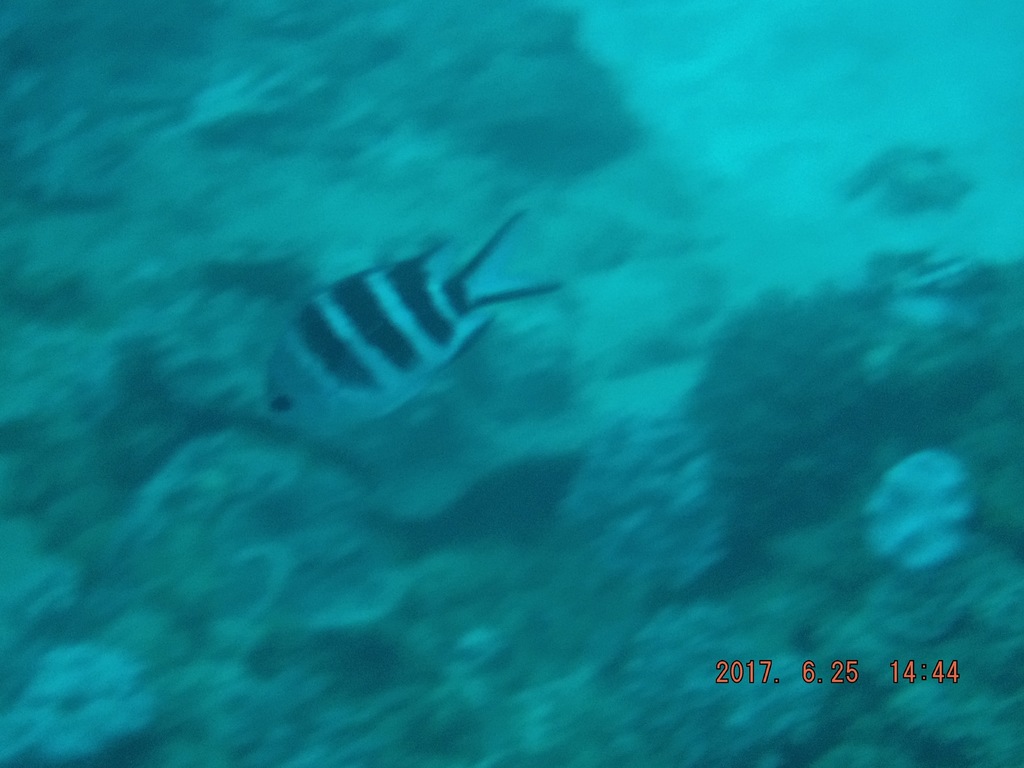
(c) Rose Zappa, some rights reserved (CC BY) · CC BY · iNaturalist 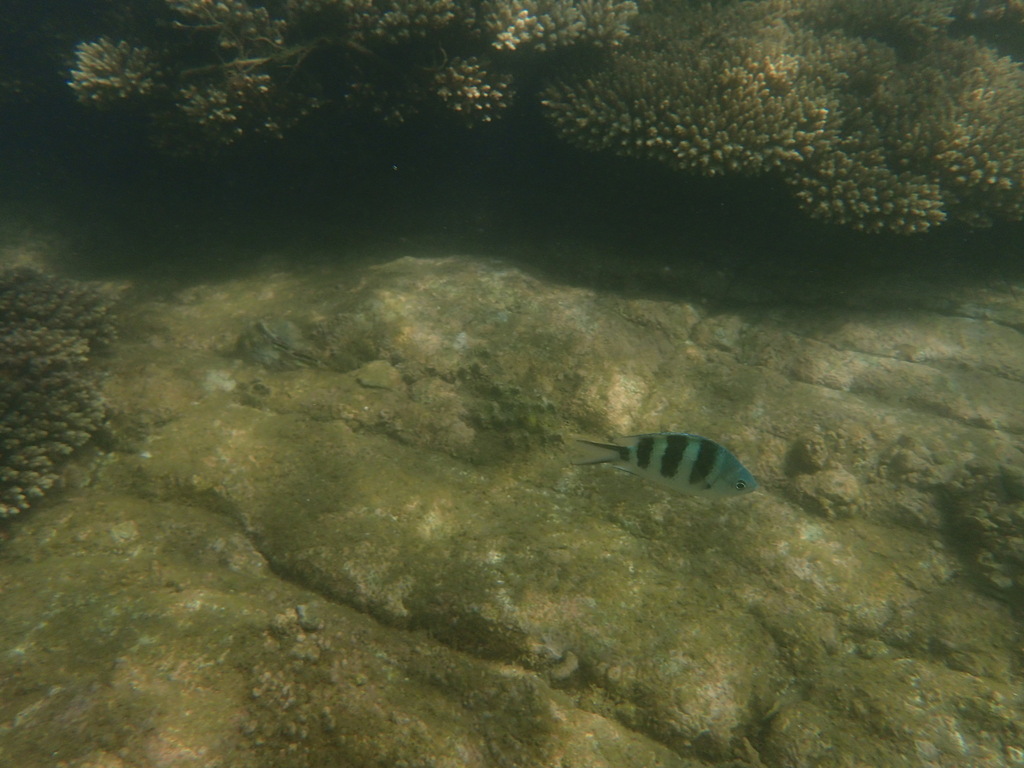
(c) Mahomed Desai, some rights reserved (CC BY) · CC BY · iNaturalist 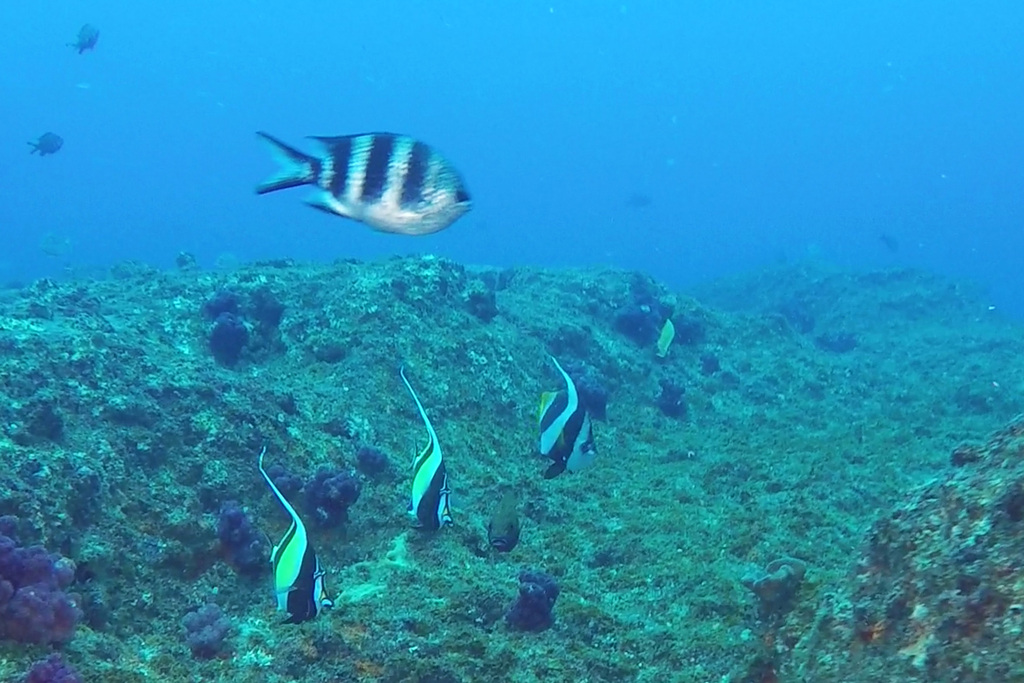
(c) Tom Heijnen, some rights reserved (CC BY) · CC BY · iNaturalist 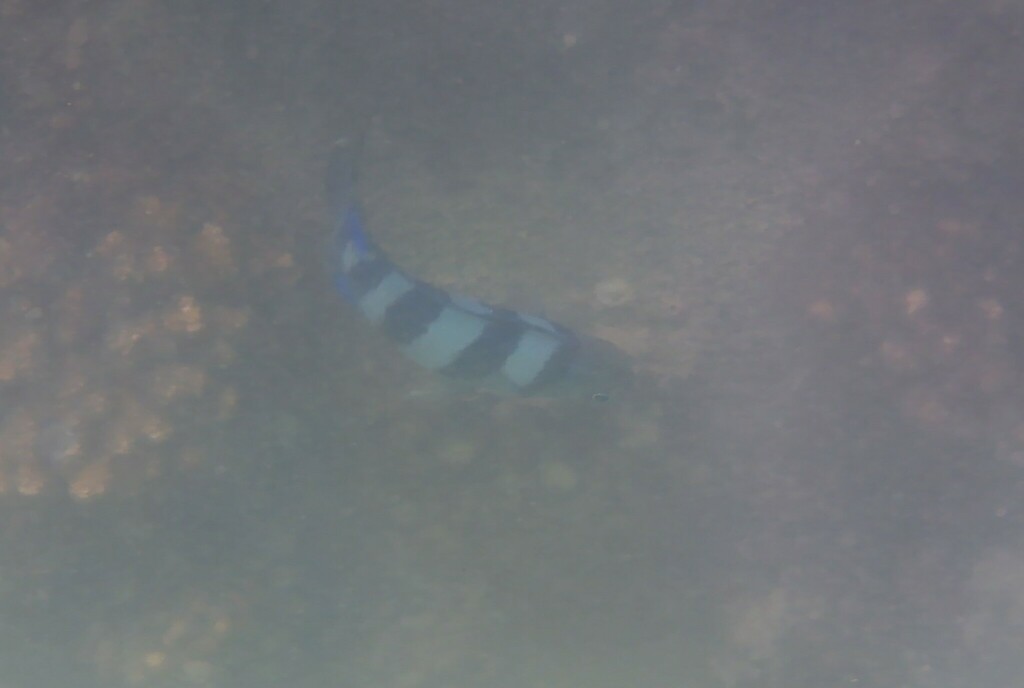
no rights reserved · CC0 1.0 · iNaturalist
Names and classification
- English
- Natal sergeant, Fourbar Damsel
Names in 2 more languages
- Spanish
- Sargento Mayor de cuatro barras
- French
- Sergent-major du Natal
Similar species
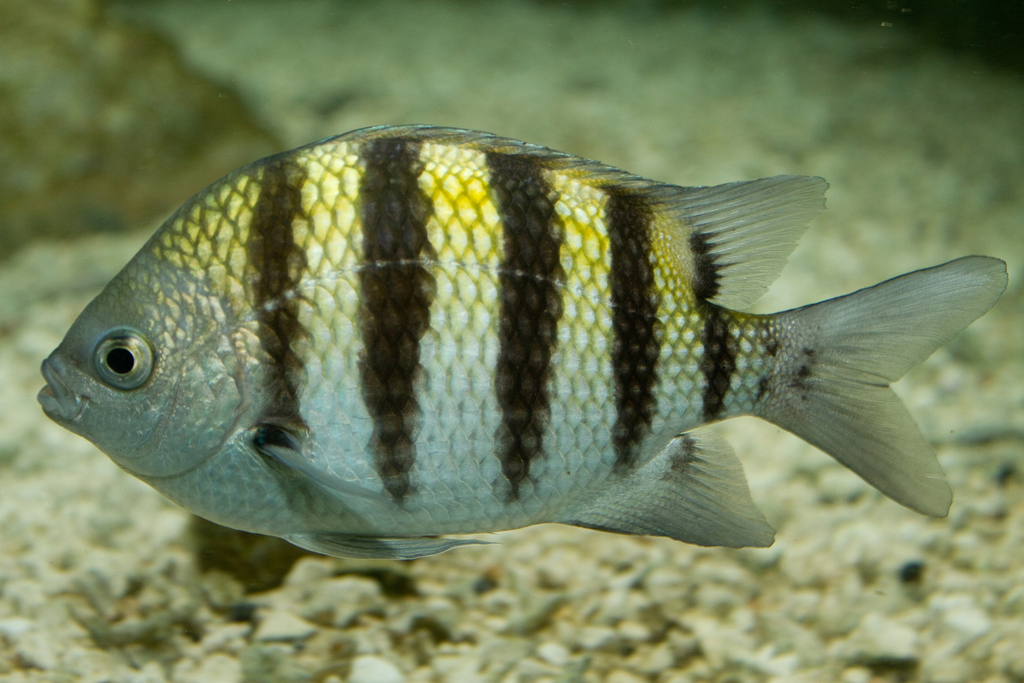 Cow pilot
Abudefduf saxatilis
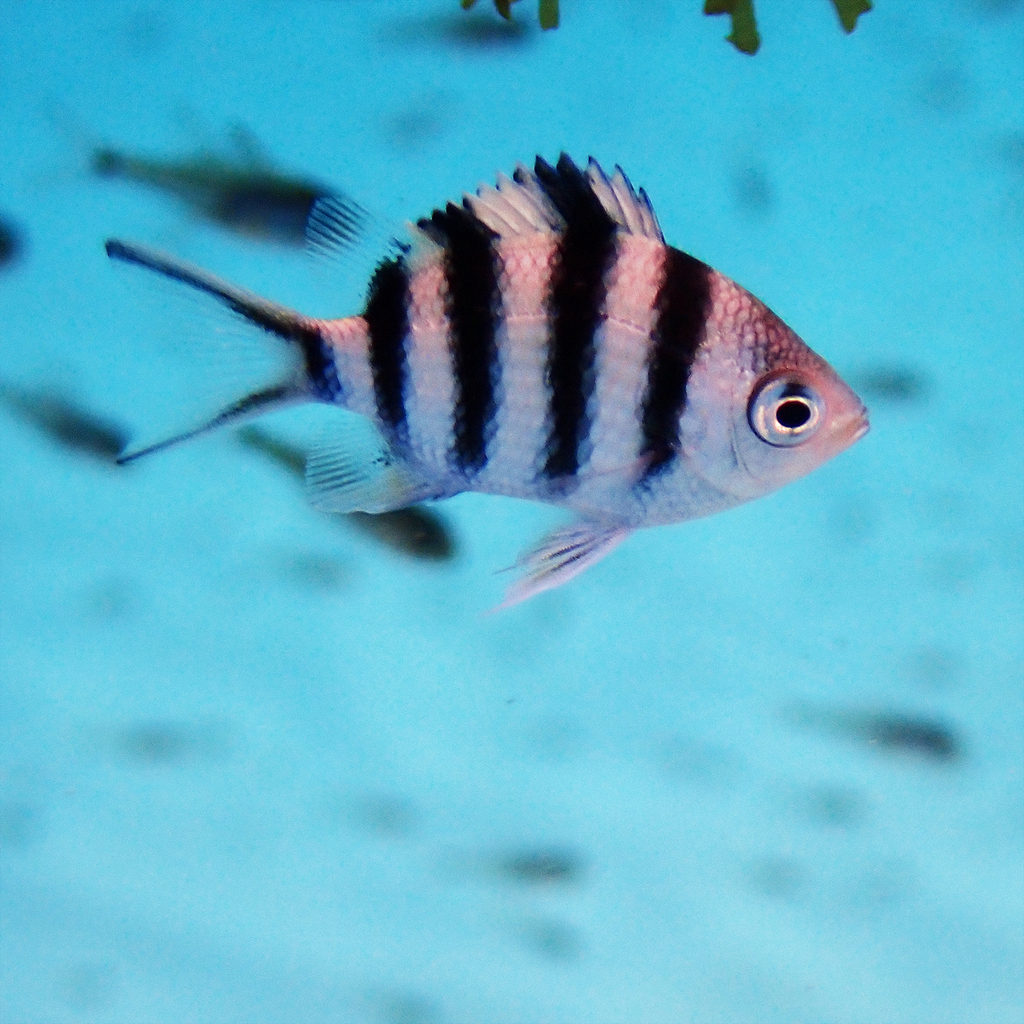 Scissortail sergeant
Abudefduf sexfasciatus
 Indo-Pacific sergeant
Abudefduf vaigiensis
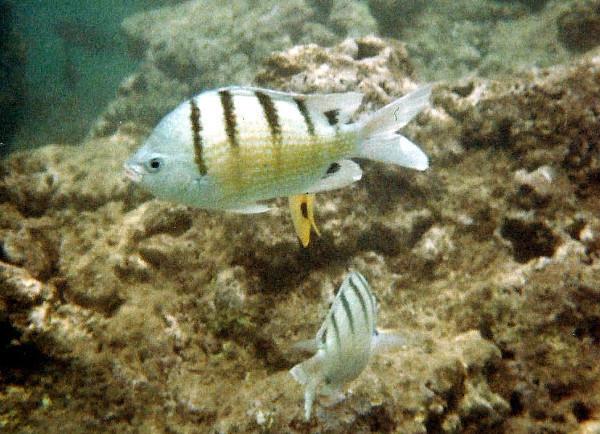 Banded Damselfish
Abudefduf abdominalis
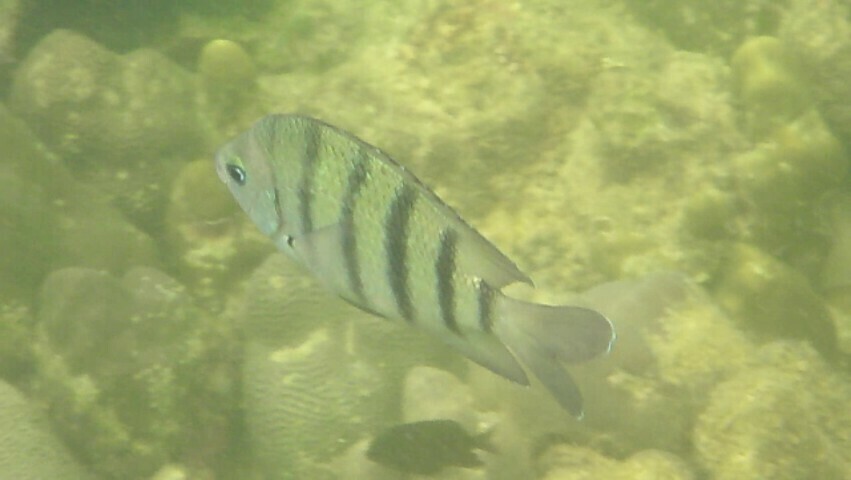 Bengal Sergeant
Abudefduf bengalensis
 Banded sergeant
Abudefduf septemfasciatus
Sources and credits
Names and taxonomy: WoRMS (CC BY 4.0) and the GBIF Backbone (CC BY 4.0). Photos: iNaturalist observers, each under the licence shown (CC0, CC BY or CC BY-SA).
- Depth, temperature, months and maps: records from OBIS and GBIF under CC0 or CC BY.
- Descriptions: Wikipedia, licensed CC BY-SA, each linked to its article.
- Conservation status as published by GBIF (IUCN Red List).
- 77 open-data records from 1915 to 2010.
- Species data updated October 31, 2026.
Log what you see on your next dive
The free DiveHive diver app keeps your logbook with every sighting and shows what lives at the site you dive next.