
Elongate abra
Abra prismatica
- Usual depth19–145 m
- Water temperature8–22 °C
- Best monthsMarch, May, and July
- How commonCommon
About this species
Abra prismatica is a species of bivalve mollusc in the family Semelidae. It occurs in the northeastern Atlantic Ocean, the North Sea and the Mediterranean Sea, where it lives on the seabed, in shallow areas buried in soft sediment.
Text from the Wikipedia article “Abra prismatica”, licensed CC BY-SA 4.0. Read the article
Where and when
Where it has been recorded
Worldwide
Best months
Worldwide (open data)
- January: 259 records
- February: 352 records
- March: 718 records
- April: 531 records
- May: 876 records
- June: 578 records
- July: 684 records
- August: 457 records
- September: 557 records
- October: 176 records
- November: 196 records
- December: 61 records
Depth and water temperature
Depth
Mostly recorded at 19–145 m · Deepest record: 999 m
Water temperature
Recorded in surface water of 8–22 °C
Names and classification
- English
- Elongate abra, Elongate furrow-shell, Prismatic abra, elongate abra, elongate furrow-shell, prismatic abra
Names in 1 more language
- German
- Lange Pfeffermuschel, Pfeffermuschel
Other scientific names: Abra fragilis, Abra milashevichi, Erycina aradae, Ligula prismatica, Psammotaea striata, Scrobicularia prismatica, Syndesmya fragilis
Similar species
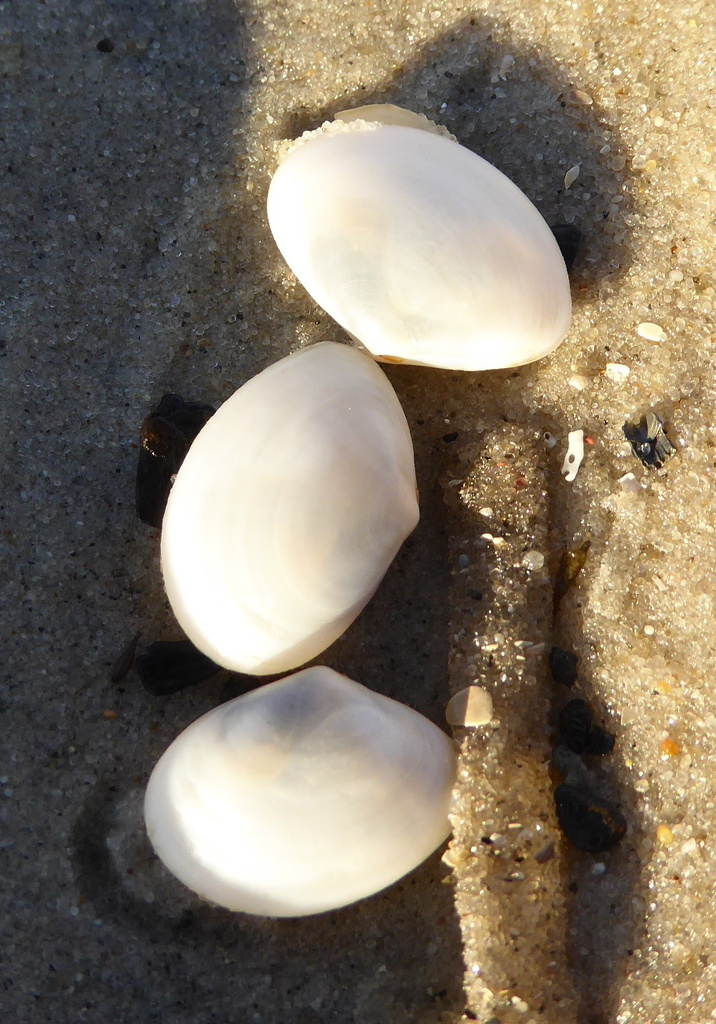 White abra
Abra alba
- Glossy furrow-shell
Abra nitida
- Flat European abra
Abra tenuis
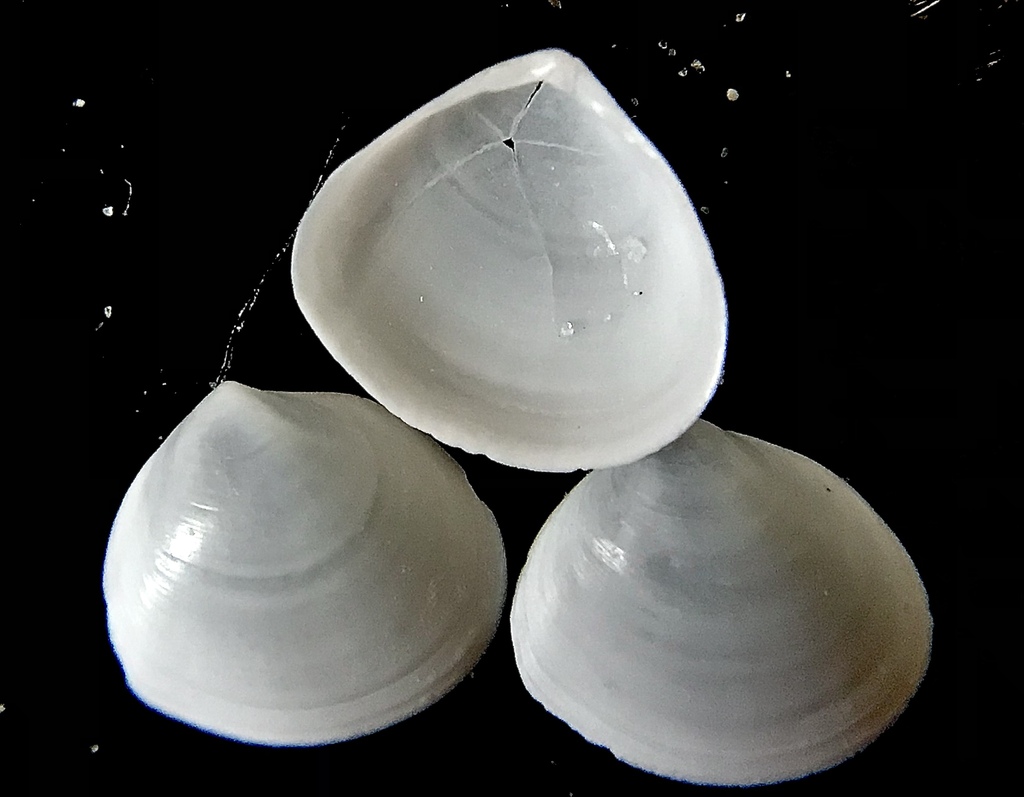 Common Atlantic abra
Abra aequalis
- Smooth abra
Abra lioica
Sources and credits
Names and taxonomy: WoRMS (CC BY 4.0) and the GBIF Backbone (CC BY 4.0). Photos: iNaturalist observers, each under the licence shown (CC0, CC BY or CC BY-SA).
- Depth, temperature, months and maps: records from OBIS and GBIF under CC0 or CC BY.
- Descriptions: Wikipedia, licensed CC BY-SA, each linked to its article.
- Conservation status as published by GBIF (IUCN Red List).
- 16,480 open-data records from 1841 to 2023.
- Species data updated November 8, 2026.
Log what you see on your next dive
The free DiveHive diver app keeps your logbook with every sighting and shows what lives at the site you dive next.