


DiveHive
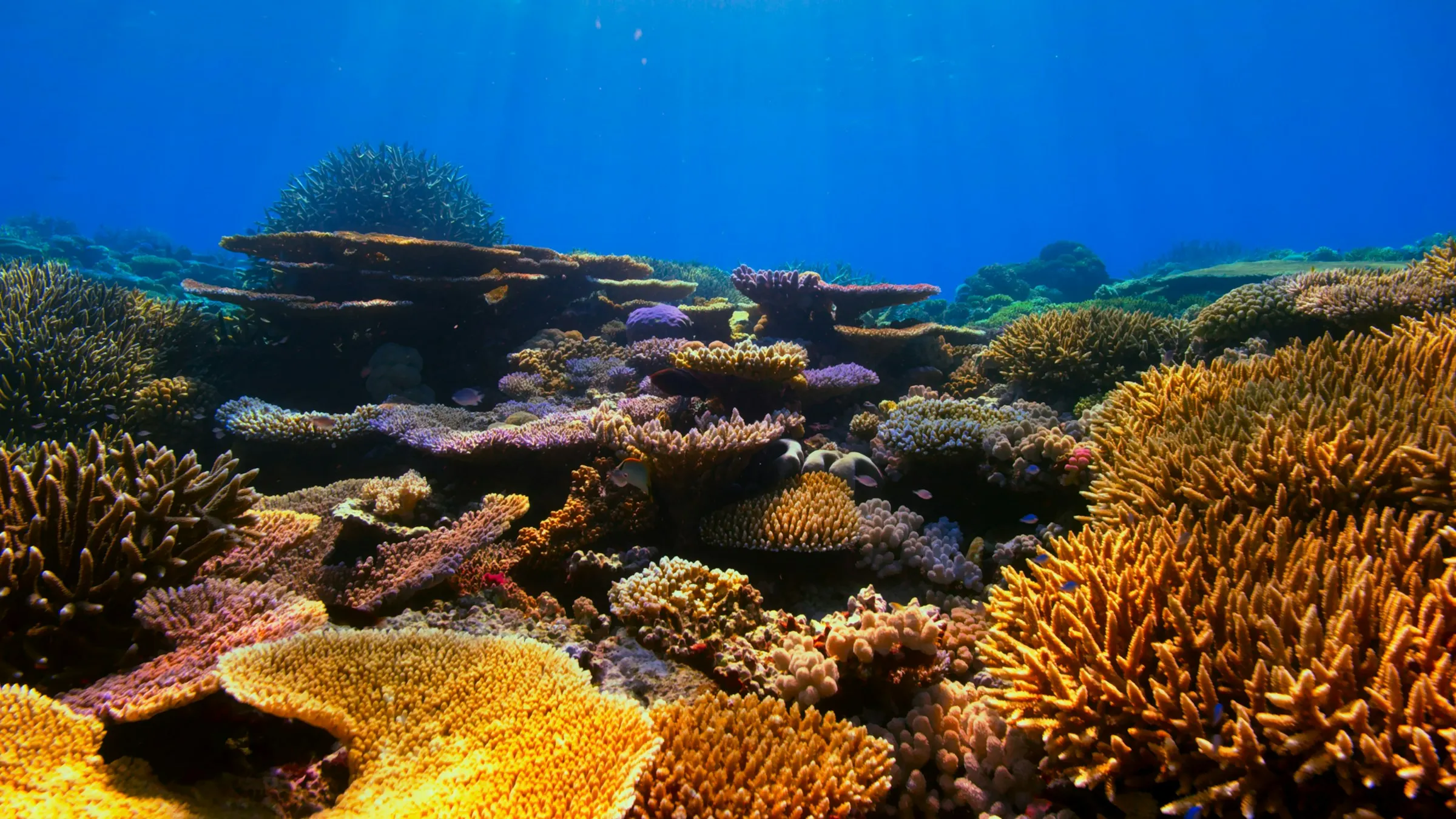
Photo: Oleksandr Sushko on Unsplash (opens in a new tab)

HomeConservationPartnersGreen Fins

Green Fins

Green Fins sets the environmental standard for diving and snorkelling.

The relationship

Conservation partner. Pays a share.

DiveHive does not earn anything from Green Fins or from the e-course link. DiveHive pays 1% of its net revenue every year to the conservation partners on the platform, split by programme activity, with a public yearly report.

The environmental standard for diving and snorkelling.

Green Fins is a conservation management approach. The Reef-World Foundation and the UN Environment Programme have run it internationally since 2004. It sets the only internationally recognised environmental standards for marine tourism, and it has an assessment system that measures how well an operator keeps to them.

Green Fins does not only say what not to do. It offers practical, low-cost alternatives to harmful practices such as anchoring on a reef, feeding fish and chemical pollution, and it backs them with training, support and resources.

Mission. “To protect and conserve coral reefs by establishing and implementing environmentally friendly guidelines to promote a sustainable diving and snorkelling tourism industry.”

Vision. “Sustainable diving and snorkelling is the norm.”

Green Fins, greenfins.net

Why the reef needs care.

Diving and snorkelling bring people to the reef, and many of them become advocates for the ocean. Left unmanaged, the same visits can harm a fragile reef. These are the main pressures from marine tourism, each with the low-cost alternative Green Fins promotes.

  • Anchoring on coral

    The harm: A dropped anchor breaks coral, and the chain drags across the reef as the boat swings.

    The alternative: Use a mooring buoy, or drift or place the anchor by hand on sand.

  • Feeding fish

    The harm: Fed fish change how they behave, crowd divers and upset the balance of the reef.

    The alternative: Do not feed. Watch fish do what they do naturally.

  • Touching, kicking and stirring

    The harm: Fins, knees and hands damage live coral, and stirred-up sediment smothers it.

    The alternative: Good buoyancy and fin awareness. Snorkellers wear a life jacket at the surface, so they never need to stand.

  • Chemicals and litter

    The harm: Oil, cleaning products and sunscreen pollute the water. Plastic and other litter end up on the reef.

    The alternative: Non-toxic cleaning, reef-safe habits and proper waste handling on board.

  • Marine souvenirs

    The harm: Every shell and piece of coral that is bought keeps the trade going.

    The alternative: Buy nothing taken from the sea. Leave it where it lives.

What DiveHive does with Green Fins.

DiveHive builds Green Fins into the dive day: for the shops that run it and the divers who join it.

  • Members pay less A Green Fins membership counts as a partner-verified eco credential and lowers a shop's DiveHive price.
  • Members shown Green Fins member shops are marked on their DiveHive profile, checked with Green Fins.
  • 10% off the Diver e-Course Divers reach the Green Fins Diver e-Course through DiveHive with 10% off. DiveHive takes no commission.
  • Guidance on the boat Green Fins posters and handouts for the briefing, as Green Fins supplies them.

The Green Fins Code of Conduct.

The Code of Conduct turns into simple habits for every diver and snorkeller, each with its Green Fins icon. Here they are in DiveHive’s words.

  • Do not touch, kick, kneel, lie or step on coral.
  • Do not stir up the sediment.
  • Do not chase or touch marine life.
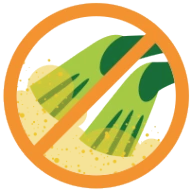
  • Do not wear gloves.
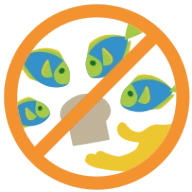
  • Do not feed fish.
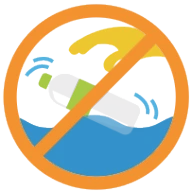
  • Do not litter.
  • Do not spearfish.
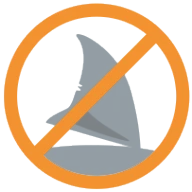
  • Do not support shark finning.
  • Do not buy coral or marine life souvenirs.
  • Do not take marine life, dead or alive.
  • Do not anchor on coral reefs.
  • Use mooring buoys.
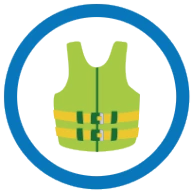
  • Wear a life jacket at the surface when snorkelling.
  • Report environmental violations.
  • Take part in conservation projects.

Icons by Green Fins and The Reef-World Foundation.

Take nothing but pictures, leave nothing but bubbles.

Operators that join Green Fins follow a 15-point Code of Conduct, above and below the water. It covers briefings with the icons, a no-touch policy, moorings, no sale of coral or shells, trash taken back on board, no toxic chemicals into the sea, cleanups, reef monitoring and telling guests about Marine Protected Areas.

The Green Fins Diver e-Course.

An online course for divers who want to dive with less impact on the reef. It has three modules:

  1. Reef biology and threats
  2. Environmental tips above water
  3. Low-impact diving, and creating demand for sustainable services
Run by
Green Fins: The Reef-World Foundation and UNEP
Certificate
Personalised, valid for two years
Price
USD 25, all of it funds Green Fins
Scholarships
Free for divers who cannot pay
Take the Diver e-Course (opens in a new tab)

Dive professionals can take the Dive Guide e-Course instead. Dive Guide e-Course(opens in a new tab)

How shops join Green Fins.

A dive, snorkel or liveaboard operator can join in two ways. Both start from the same Code of Conduct.

Certified membership

Assessed in person, in countries with an active Green Fins team.

Where
Countries with an active Green Fins team: a national team, usually government staff with NGOs.
Assessment
Trained local assessors visit in person every year, on a trip with real guests.
Training
One hour of environmental training for all staff and crew.
Action points
Three agreed action points for the year.
Score
Measured against the Code of Conduct, out of 330. Lower is better.
Cost
Pay what you can, from USD 0 (kept confidential), plus the costs of up to two assessors for one trip a year.

Levels

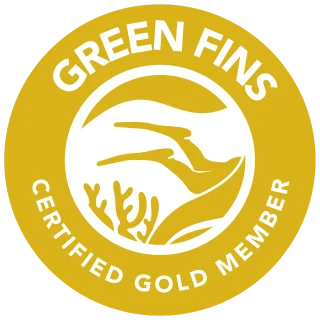
  • Green Fins certified gold member stamp Gold Score of 50 or less
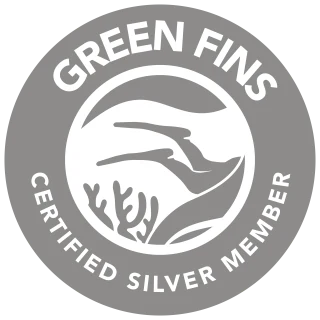
  • Green Fins certified silver member stamp Silver Score of 150 or less
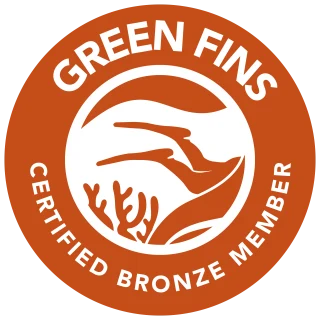
  • Green Fins certified bronze member stamp Bronze Score of 200 or less
  • Restricted Score of 201 or more, until reassessed
About certified membership(opens in a new tab)

Digital membership

Self-managed online, open to operators everywhere.

Since
2022
Open to
Dive, snorkel and liveaboard operators in any country.
Commitment
The same commitment to the Code of Conduct, managed online by the shop.
Score
A self-evaluation in the Green Fins Hub gives a personalised score and an annual action plan. There is no minimum score.
Logo
Its own Digital Member logo. Green Fins digital member stamp
Cost
USD 140 to join, USD 60 a year to renew.

About digital membership(opens in a new tab)

Both get the Green Fins Hub: a library of tested solutions, an action plan tracker and a community forum.

On DiveHive, your Green Fins membership pays off.

  • A lower DiveHive price

    Green Fins members pay less for DiveHive, as a partner-verified eco credential.

  • Your membership on your profile

    Divers see the Green Fins mark on your DiveHive profile, checked with Green Fins.

Where Green Fins works.

Certified membership is available where an active assessor team works:

  • Coron
  • Malapascua
  • Panglao
  • Puerto Galera

In the Philippines, certified members dive in places such as Coron, Malapascua, Panglao and Puerto Galera, where DiveHive is based.

Materials for the briefing, the boat and the shop.

Green Fins' posters, guides and toolkits are free to download. DiveHive shares them with Green Fins' permission. All files are PDFs.

I am a… Diver or snorkeller

I am a… Instructor

I am a… Guide

I am a… Manager

All resources in the Green Fins Action Centre(opens in a new tab)

Files by Green Fins and The Reef-World Foundation, as published in the Green Fins Action Centre (copied 18 Nov 2026). English is shown where a language has no version.

Questions about Green Fins.

Does Green Fins pay DiveHive, or DiveHive Green Fins?

Neither earns from the other. DiveHive takes no commission on the e-course. DiveHive gives 1% of its net revenue every year to the conservation partners on the platform, split by programme activity, with a public yearly report.

How does DiveHive know a shop is a Green Fins member?

DiveHive checks membership with Green Fins. A member shop is marked on its DiveHive profile, and a membership lowers its DiveHive price.

What do Gold, Silver and Bronze mean?

They are the levels of a certified membership. An assessor scores the shop against the Code of Conduct out of 330, and lower is better: Gold is 50 or less, Silver 150 or less and Bronze 200 or less. A score of 201 or more is Restricted until the shop is reassessed.

What is the difference between certified and digital members?

A certified member is assessed in person every year by trained local assessors, in a country with an active Green Fins team. A digital member manages its commitment online with a self-evaluation in the Green Fins Hub, and can join from any country for USD 140.

Can I print the Green Fins posters for my boat or shop?

Yes. The materials are free. Use them as Green Fins publishes them, credited to Green Fins and The Reef-World Foundation. The newest versions are always in the Green Fins Action Centre (opens in a new tab).

Do I need the e-course to dive with a Green Fins member?

No. The Diver e-Course is optional. It helps you dive with less impact on the reef.

Green Fins

Protect the reef you dive on.

Green Fins gives every diver and snorkeller simple habits that keep a reef alive. Learn them, then dive with a member that follows them.

Texts about Green Fins summarised from greenfins.net; materials and logo by Green Fins and The Reef-World Foundation. Last reviewed

Back to all partners

DiveHive uses necessary cookies to work. With your permission we also use analytics to see which pages help. Analytics is off until you say yes, and we never record what you type.

Privacy policy