
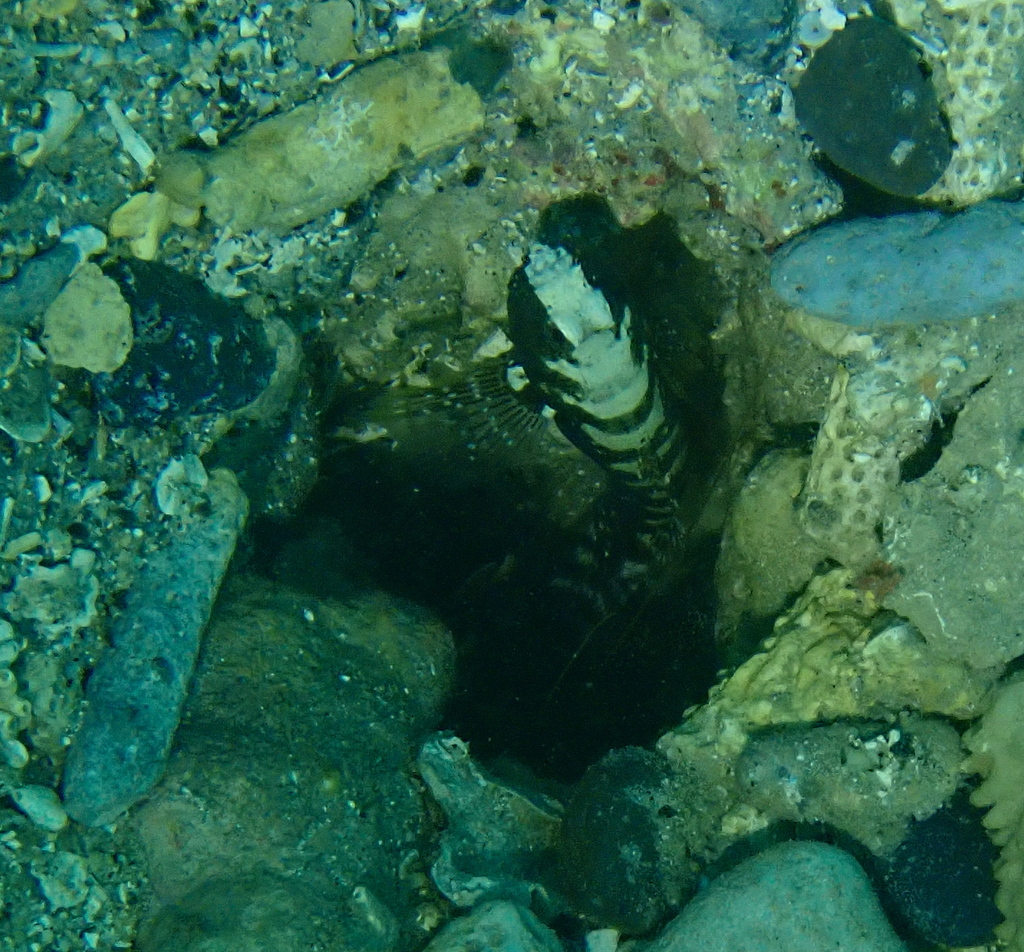
Saddled Prawn-goby
Cryptocentrus leucostictus
- ความลึกที่พบบ่อย1–7 m
- อุณหภูมิน้ำ26–29 °C
- เดือนที่ดีที่สุดมีนาคมและกรกฎาคม
- พบได้บ่อยแค่ไหนหายาก
เครดิตภาพ: (c) Debra Baker, some rights reserved (CC BY) · CC BY · iNaturalist
ที่ไหนและเมื่อไร
พบบันทึกที่ไหน
ทั่วโลก
เดือนที่ดีที่สุด
ทั่วโลก (ข้อมูลเปิด)
- มกราคม: 9 บันทึก
- กุมภาพันธ์: 5 บันทึก
- มีนาคม: 18 บันทึก
- เมษายน: 6 บันทึก
- พฤษภาคม: 3 บันทึก
- มิถุนายน: 5 บันทึก
- กรกฎาคม: 12 บันทึก
- สิงหาคม: 4 บันทึก
- กันยายน: 9 บันทึก
- ตุลาคม: 6 บันทึก
- พฤศจิกายน: 9 บันทึก
- ธันวาคม: 5 บันทึก
ความลึกและอุณหภูมิน้ำ
ความลึก
ส่วนใหญ่บันทึกได้ที่ 1–7 m · บันทึกที่ลึกที่สุด: 6.5 ม.
อุณหภูมิน้ำ
บันทึกได้ในน้ำผิวน้ำ 26–29 °C
ภาพถ่าย
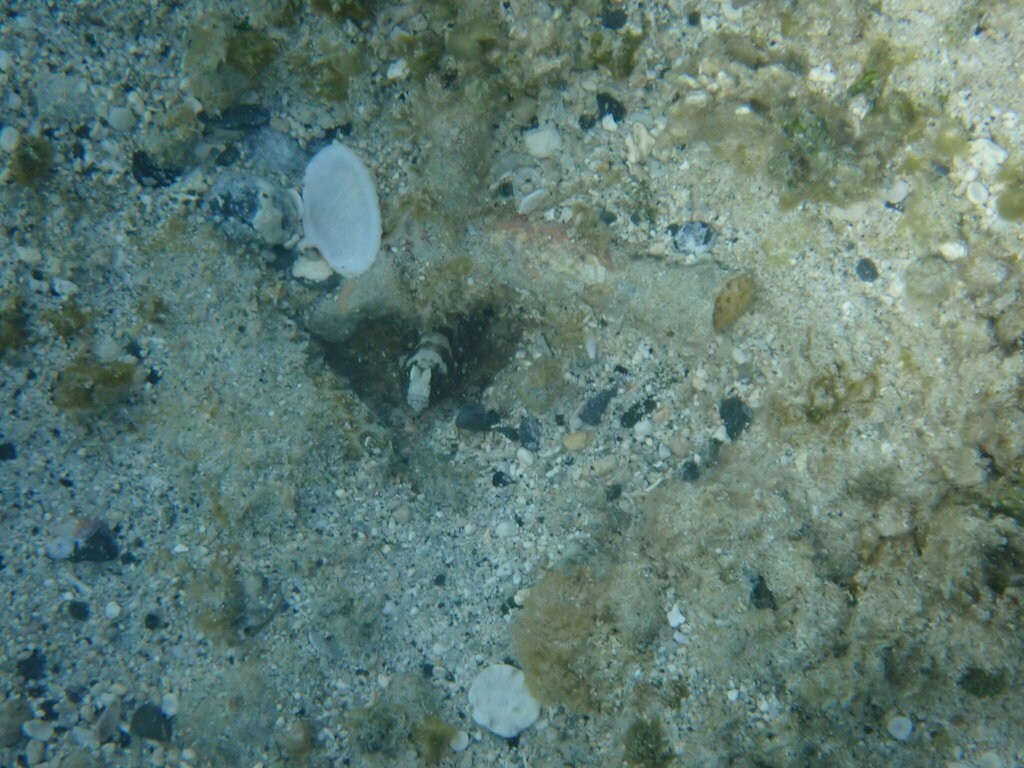
(c) Debra Baker, some rights reserved (CC BY) · CC BY · iNaturalist 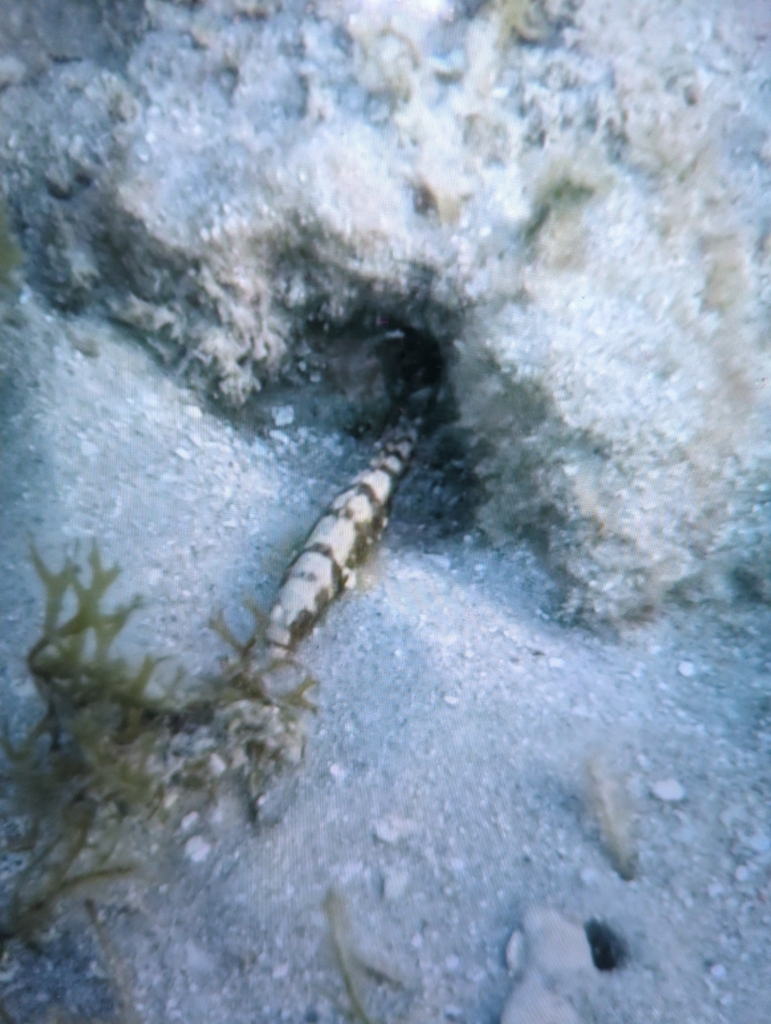
(c) Catherine Holland, some rights reserved (CC BY) · CC BY · iNaturalist 
(c) coenobita, some rights reserved (CC BY) · CC BY · iNaturalist 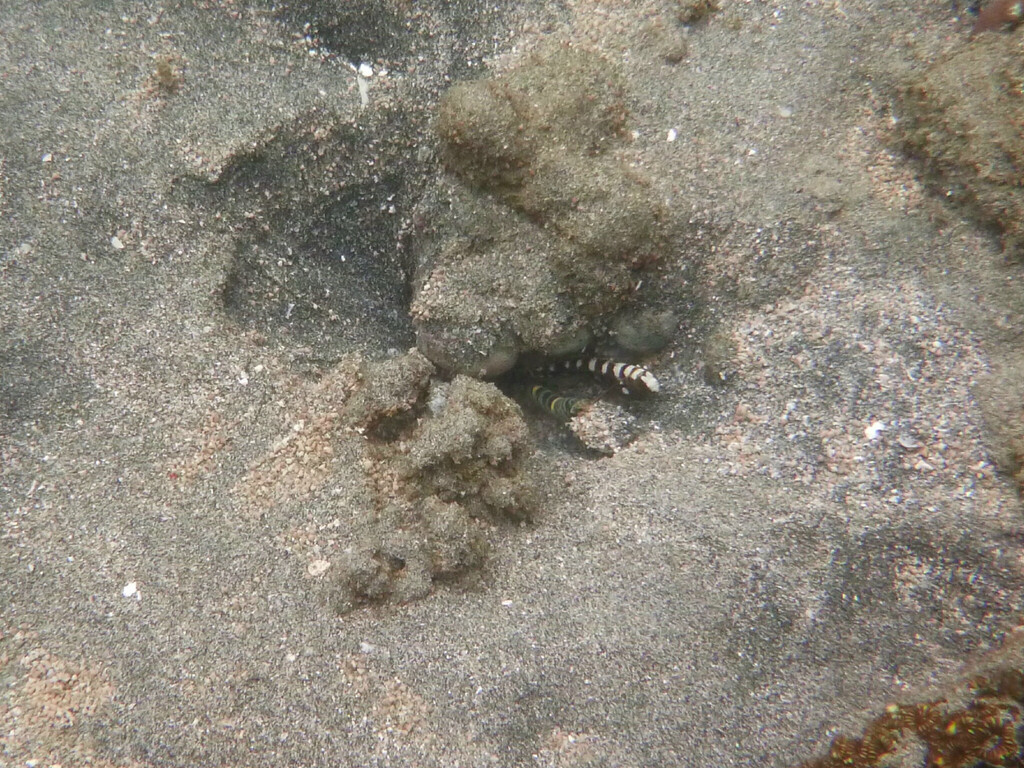
no rights reserved · CC0 1.0 · iNaturalist 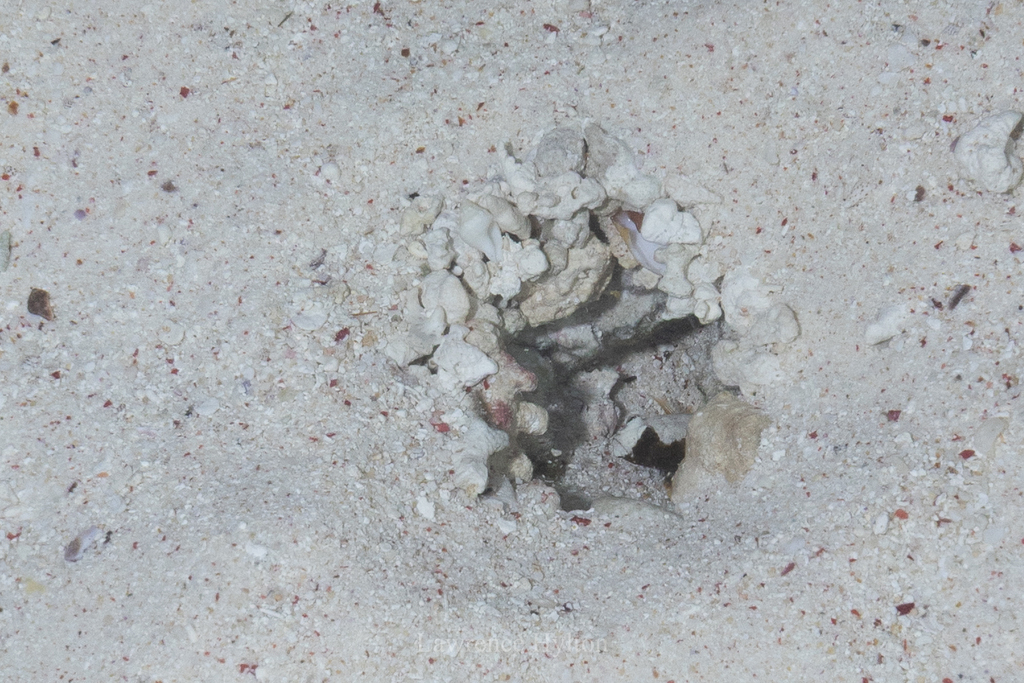
(c) Lawrence Hylton, some rights reserved (CC BY) · CC BY · iNaturalist 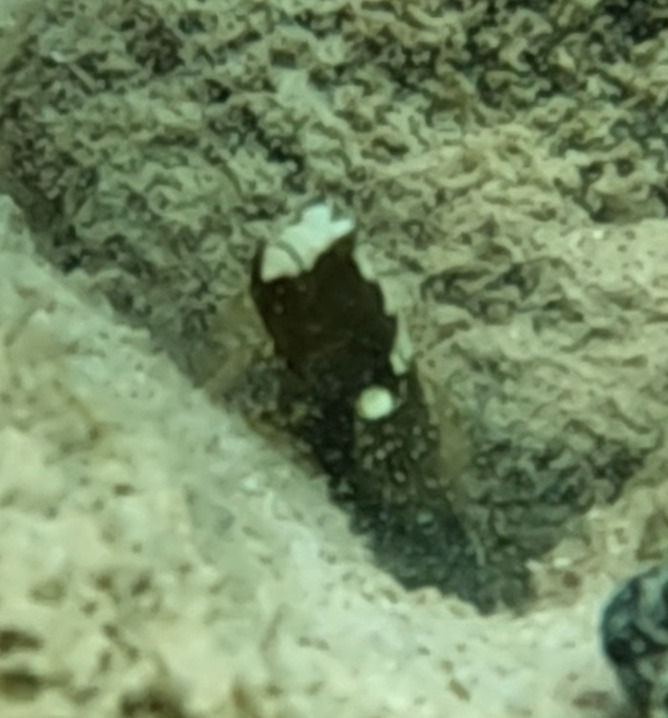
(c) Rachel Crane, some rights reserved (CC BY) · CC BY · iNaturalist
ชื่อและการจัดหมวดหมู่
- อังกฤษ
- Saddled Prawn-goby, Saddled Shrimpgoby, Saddled Shrimp Goby, White-spotted Shrimp-goby
ชื่อวิทยาศาสตร์อื่น: Gobius leucostictus
ชนิดที่คล้ายกัน
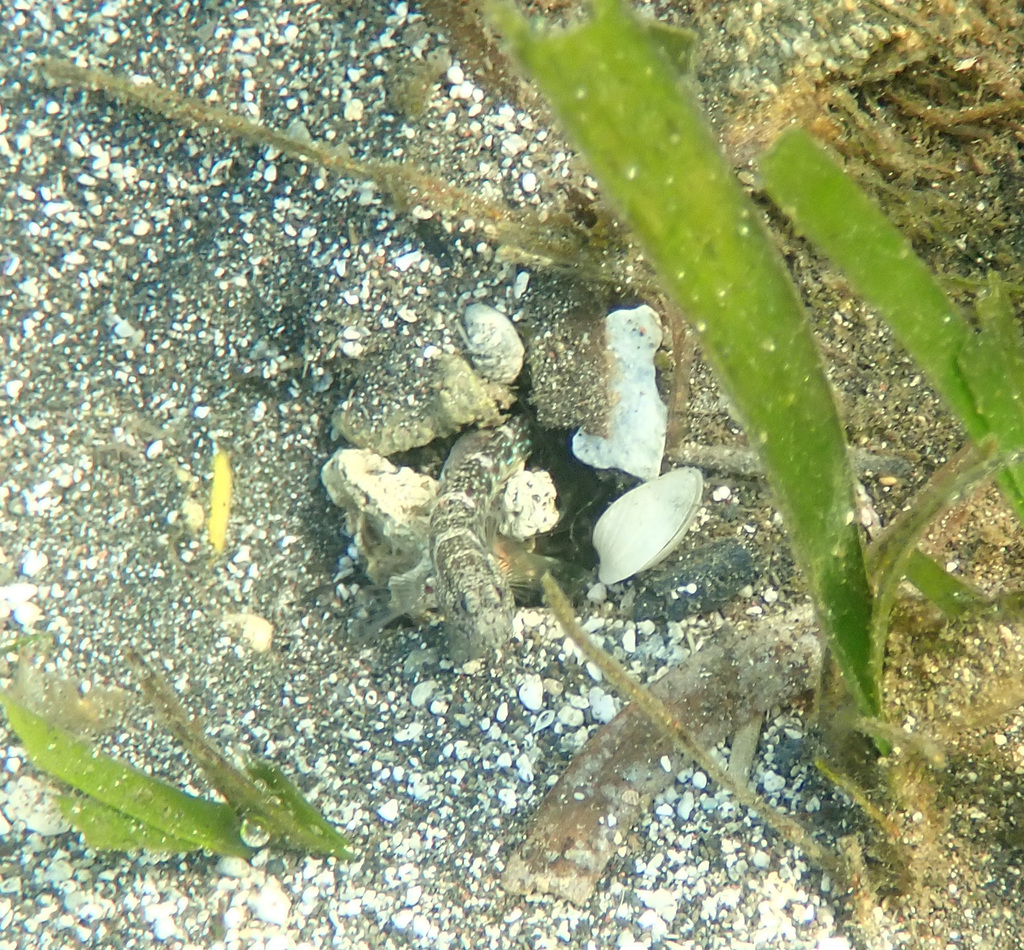 Blue-speckled Prawn-goby
Cryptocentrus caeruleomaculatus
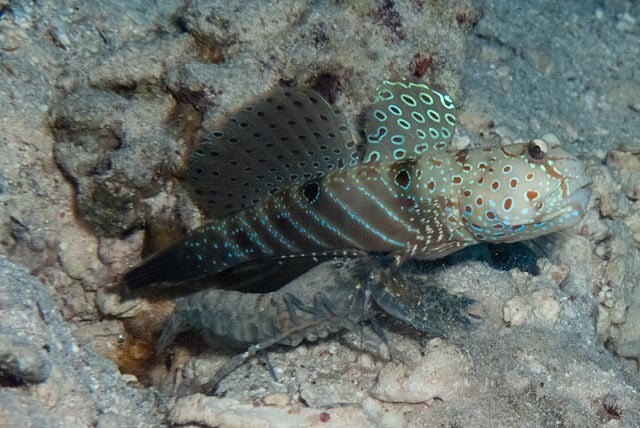 Blue-and-red-spotted goby
Cryptocentrus caeruleopunctatus
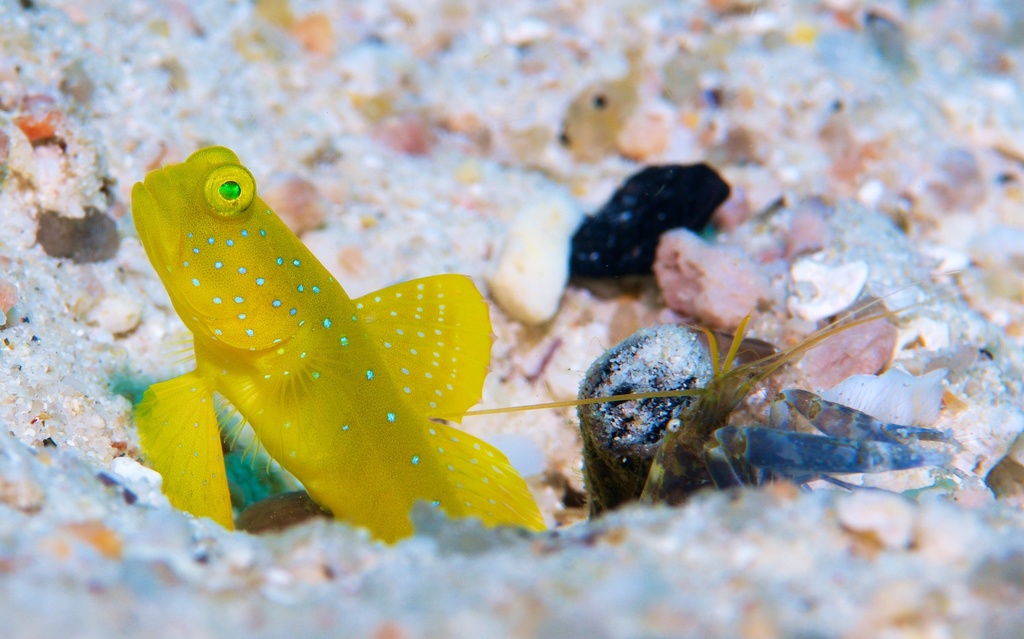 ปลาบู่เหลือง
Cryptocentrus cinctus
 Barred Prawn-goby
Cryptocentrus fasciatus
 Black-nape Shrimp-goby
Cryptocentrus inexplicatus
 Leptocephalus Prawn-goby
Cryptocentrus leptocephalus
แหล่งที่มาและเครดิต
ชื่อและอนุกรมวิธาน: WoRMS (CC BY 4.0) และ GBIF Backbone (CC BY 4.0) ภาพถ่าย: ผู้สังเกตการณ์ iNaturalist ตามสัญญาอนุญาตที่แสดง (CC0, CC BY หรือ CC BY-SA)
- ความลึก อุณหภูมิ เดือน และแผนที่: บันทึกจาก OBIS และ GBIF ภายใต้ CC0 หรือ CC BY
- สถานะการอนุรักษ์ตามที่ GBIF เผยแพร่ (บัญชีแดงของ IUCN)
- บันทึกข้อมูลเปิด 28 รายการ ตั้งแต่ปี 1929 ถึง 2002
- อัปเดตข้อมูลสายพันธุ์เมื่อ 1 พฤศจิกายน ค.ศ. 2026
บันทึกสิ่งที่เห็นในการดำน้ำครั้งหน้า
แอปนักดำน้ำ DiveHive ฟรี เก็บล็อกบุ๊กพร้อมทุกสิ่งที่คุณพบ และแสดงสิ่งมีชีวิตที่อยู่ในจุดดำน้ำถัดไป