
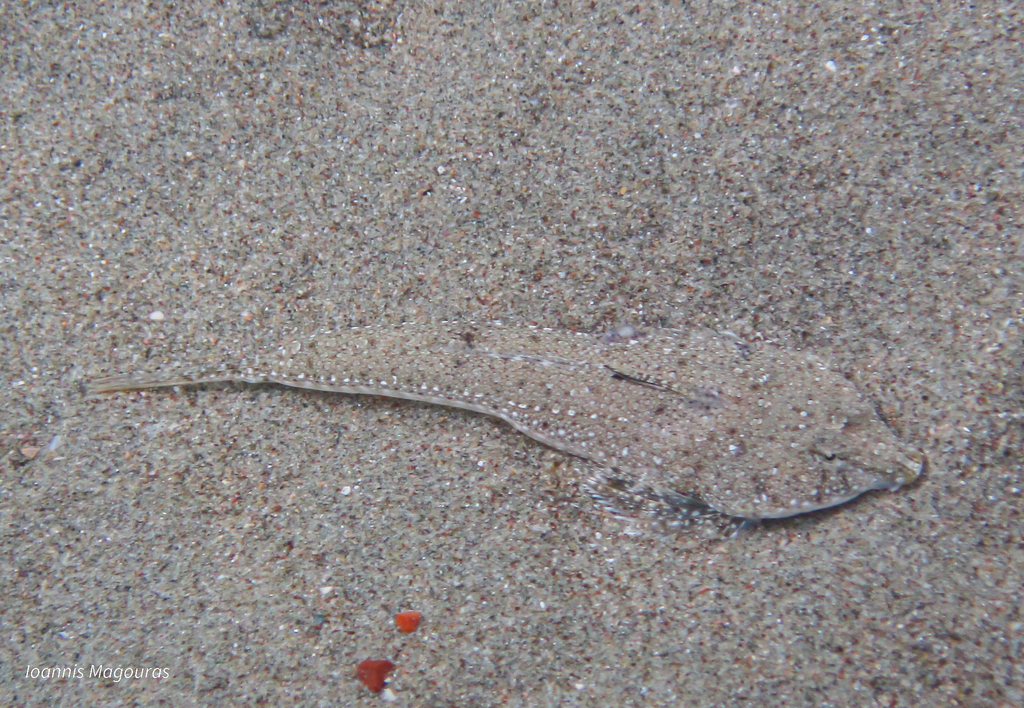
Kleiner Leierfisch
Callionymus pusillus
- Übliche Tiefe1–46 m
- Wassertemperatur16–21 °C
- Beste MonateJuli und August
- Wie häufigSelten
Bildnachweis: (c) Ioannis Magouras, some rights reserved (CC BY) · CC BY · iNaturalist
Über diese Art
The sailfin dragonet is a species of dragonet common in the Eastern Atlantic, where it occurs on the Portuguese coast to as far north as Lisbon and south to Morocco, and also in the northern Mediterranean including the Adriatic, Aegean and Black seas as well as the coasts of Lebanon and Israel. It occurs on the southern Mediterranean shore as far east as Tunisia. Males of this species grow to a length of 14 centimetres (5.5 in) TL while females reach a length of 10 centimetres (3.9 in) TL. In the areas of the Mediterranean where it occurs it is one of the most common dragonet species, as it is the only species that has been recorded within many protected areas. It is a benthic species which occurs in shallow waters and prefers sandy bottoms down to 100 metres (330 ft). The males are territorial, aggressively defend their territories from other males and like other dragonets this species undergoes complex breeding behaviour which has 4 phases. This starts with courtship, the male and female then form a pair before ascending to the surface where they release eggs and milt. The spawning season runs from May to August in the Mediterranean and the eggs and larvae are pelagic. This species feeds mainly on small benthic invertebrates such as worms and small crustaceans.
Text aus dem Wikipedia-Artikel „Sailfin dragonet“, lizenziert unter CC BY-SA 4.0. Artikel lesen
Wo und wann
Wo die Art nachgewiesen wurde
Weltweit
Beste Monate
Weltweit (offene Daten)
- Januar: 3 Nachweise
- Februar: 2 Nachweise
- März: 5 Nachweise
- April: 10 Nachweise
- Mai: 15 Nachweise
- Juni: 31 Nachweise
- Juli: 46 Nachweise
- August: 55 Nachweise
- September: 18 Nachweise
- Oktober: 2 Nachweise
- November: 2 Nachweise
- Dezember: 0 Nachweise
Tiefe und Wassertemperatur
Tiefe
Meist nachgewiesen in 1–46 m · Tiefster Nachweis: 46 m
Wassertemperatur
Nachgewiesen in Oberflächenwasser von 16–21 °C
Fotos
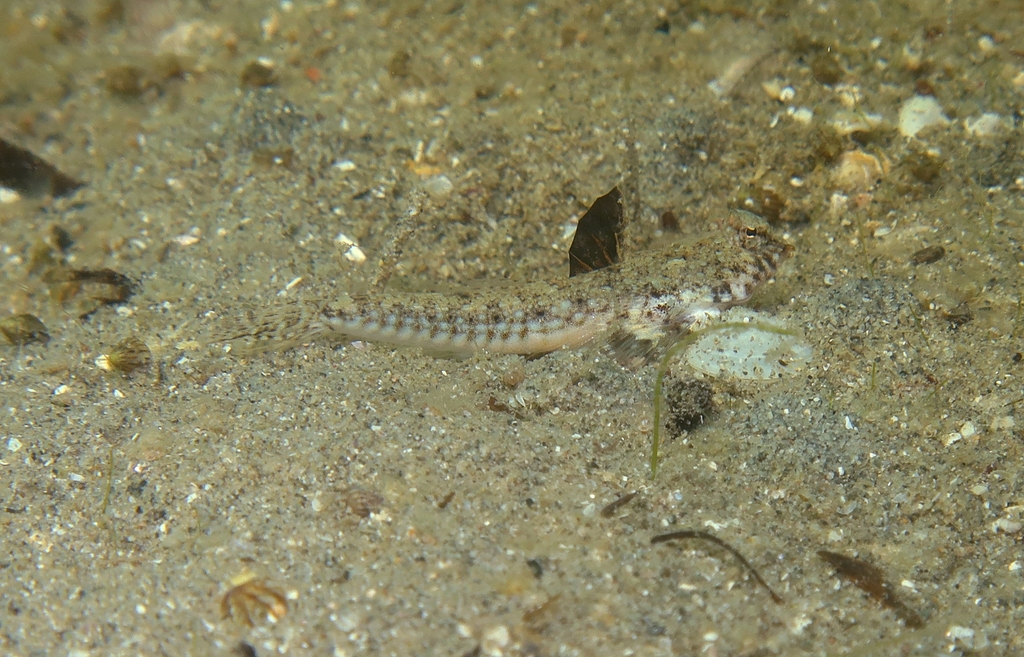
(c) Julien Renoult, some rights reserved (CC BY) · CC BY · iNaturalist 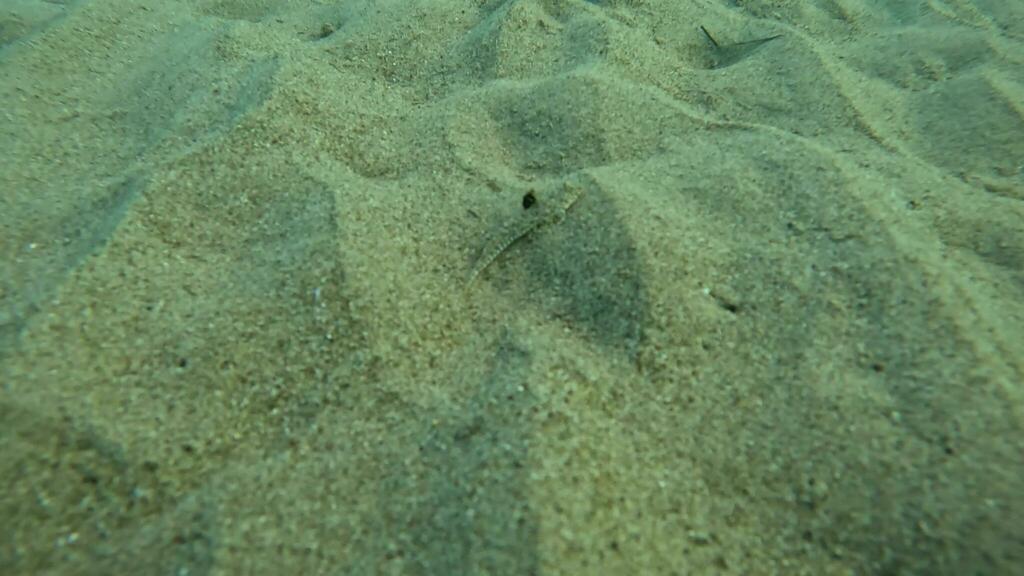
(c) vtzanatos, some rights reserved (CC BY-SA) · CC BY-SA · iNaturalist 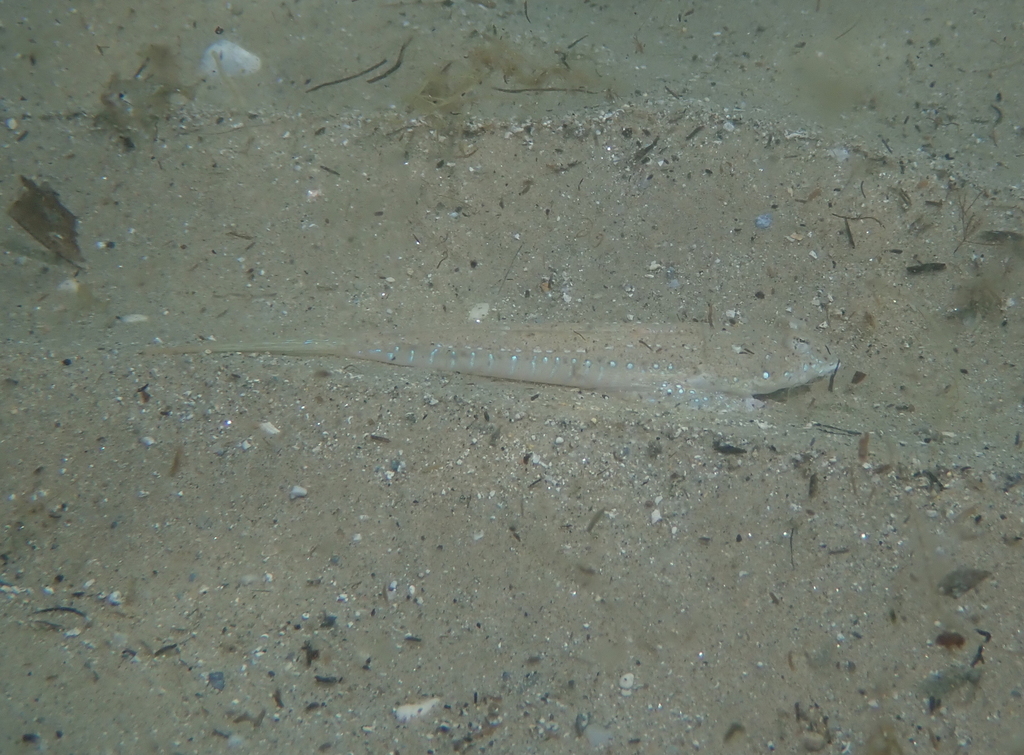
(c) Julien Renoult, some rights reserved (CC BY) · CC BY · iNaturalist 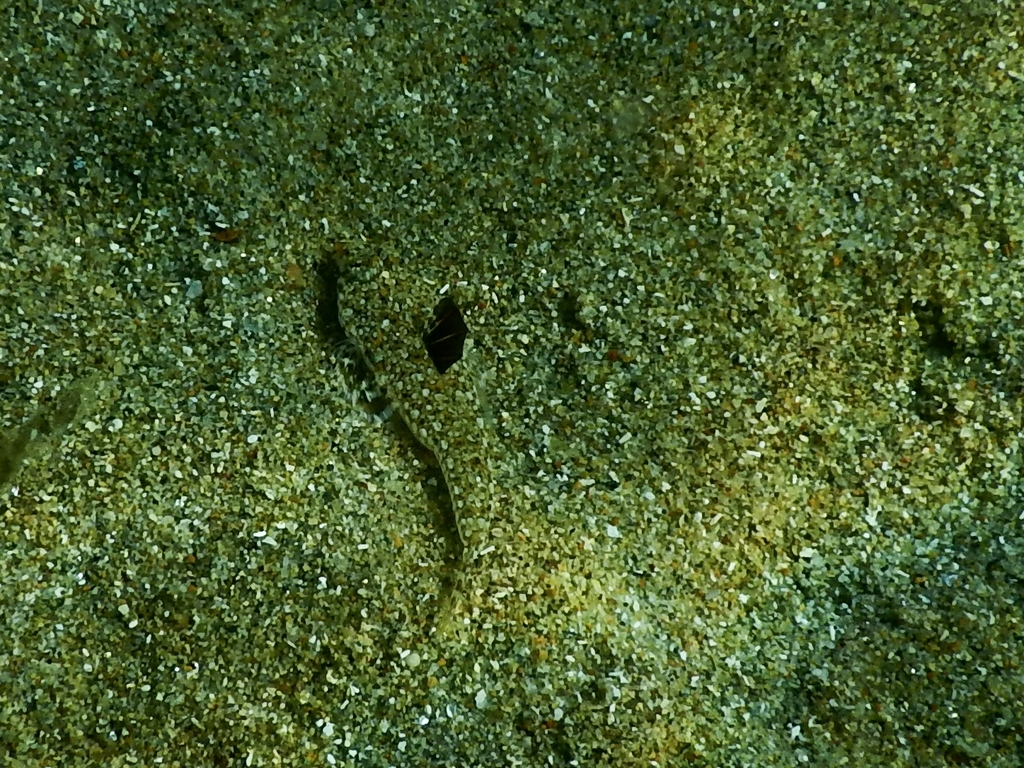
(c) Chris Taklis, some rights reserved (CC BY) · CC BY · iNaturalist 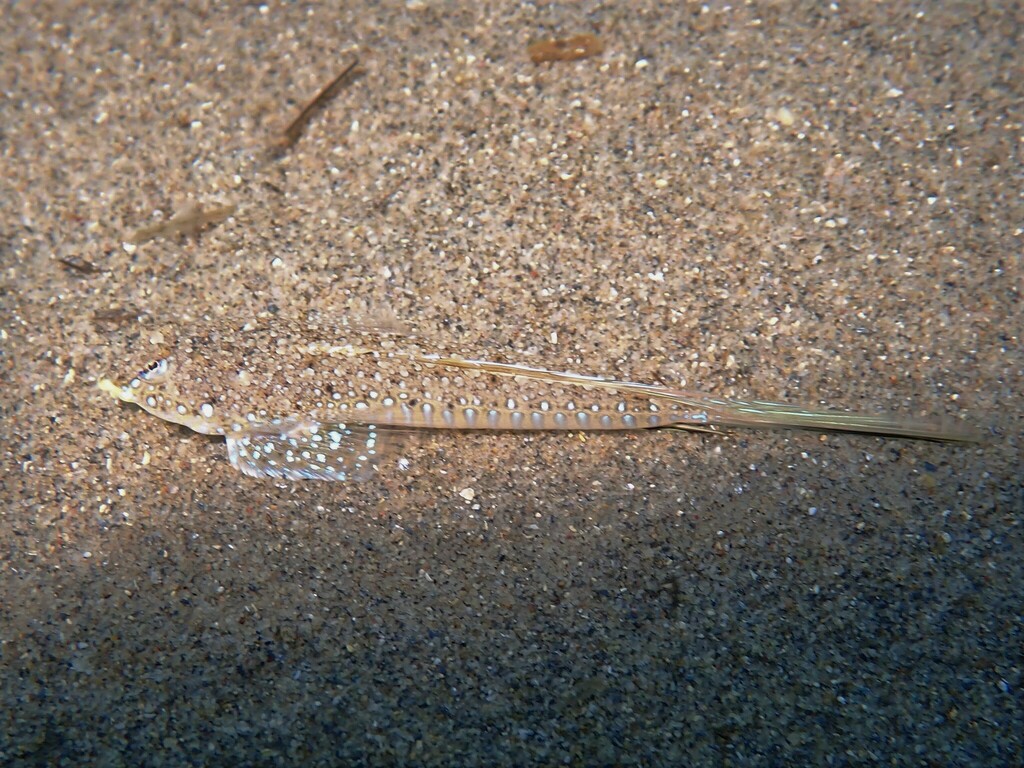
(c) luluchouette, some rights reserved (CC BY) · CC BY · iNaturalist 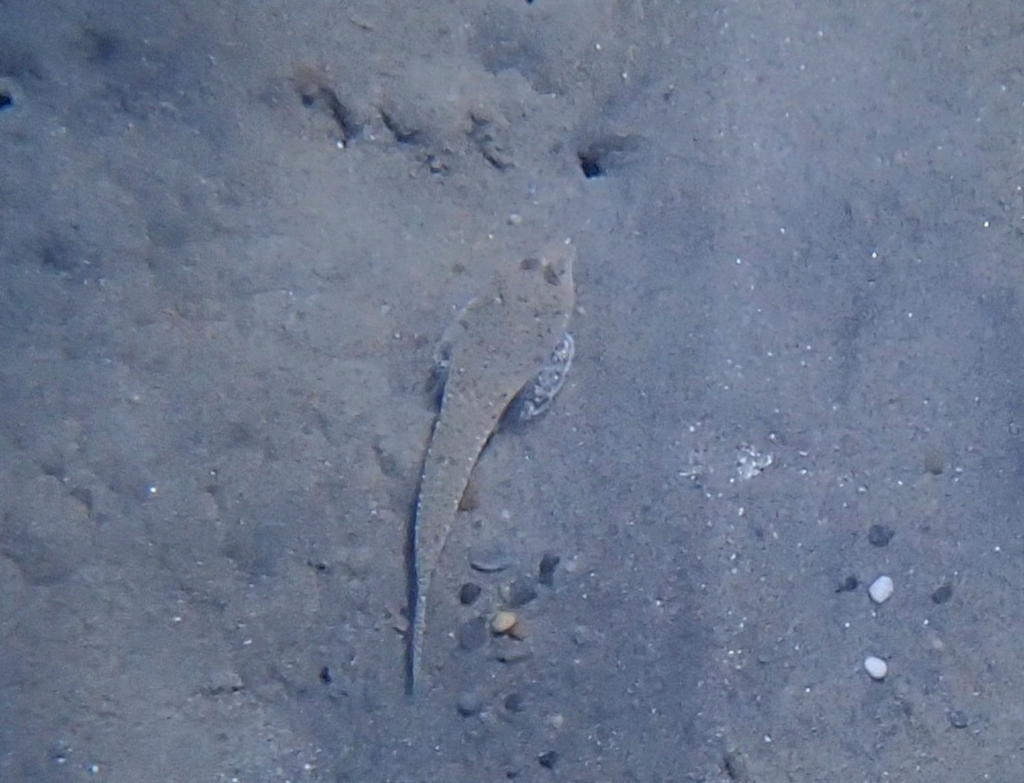
(c) Katerina Kalogerini, some rights reserved (CC BY) · CC BY · iNaturalist 
(c) Valentin Moser, some rights reserved (CC BY) · CC BY · iNaturalist
Namen und Systematik
- Deutsch
- Kleiner Leierfisch
- Englisch
- Sailfin dragonet
Namen in 1 weiteren Sprache
- Französisch
- Dragonnet élégant
Weitere wissenschaftliche Namen: Callionymus festivus
Ähnliche Arten
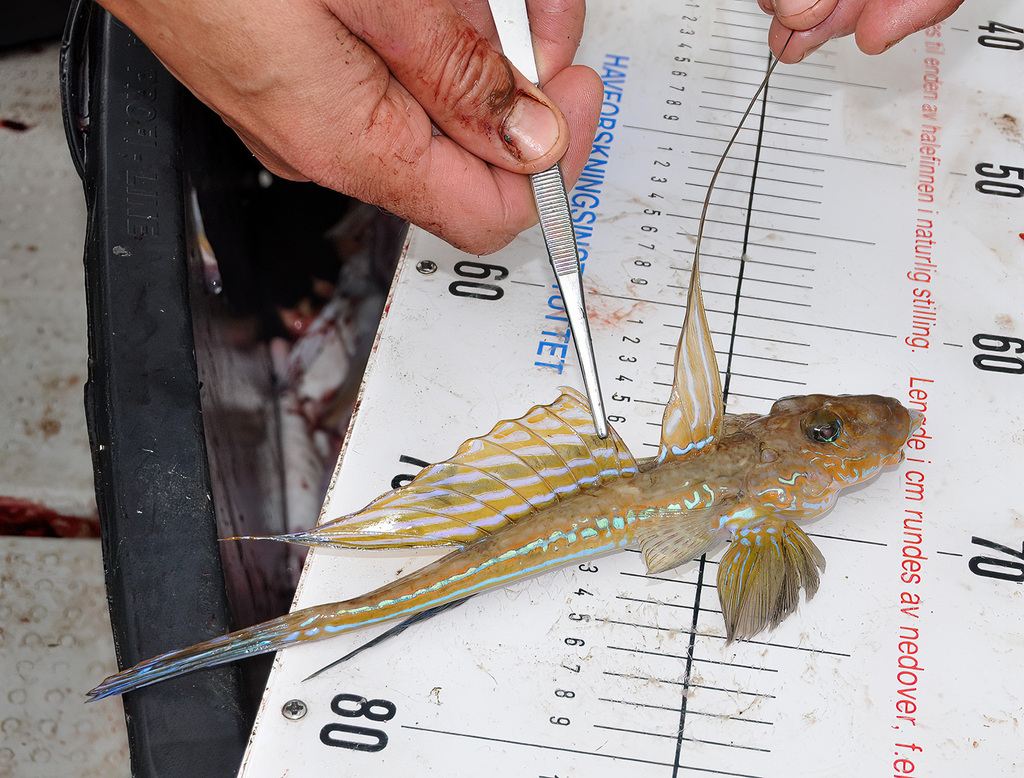 gestreifter Leierfisch
Callionymus lyra
 gefleckter Leierfisch
Callionymus maculatus
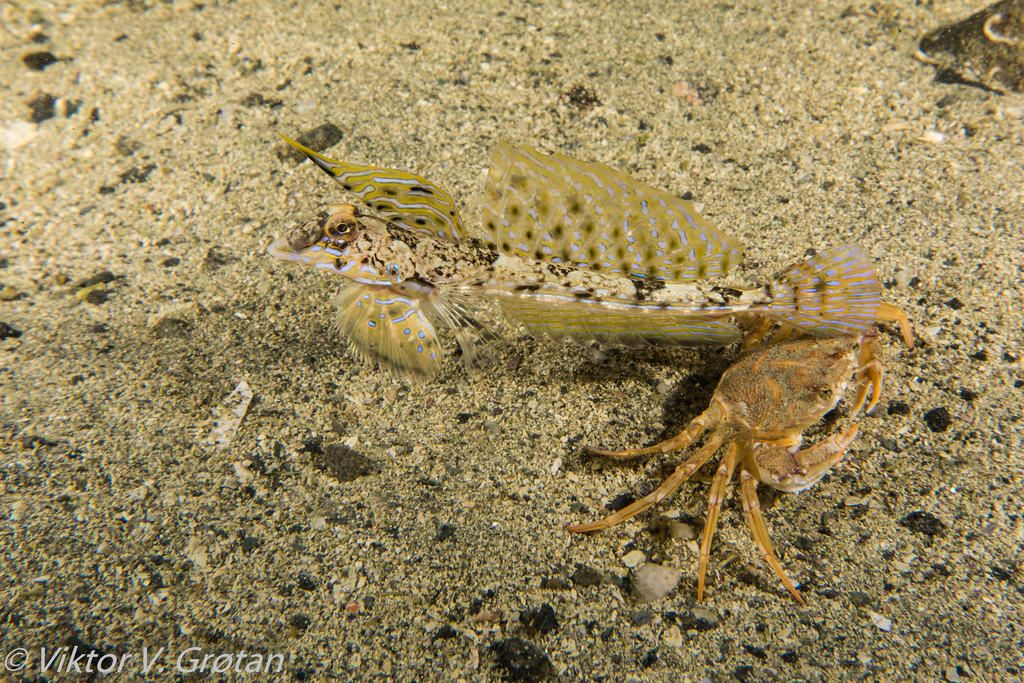 genetzter Leierfisch
Callionymus reticulatus
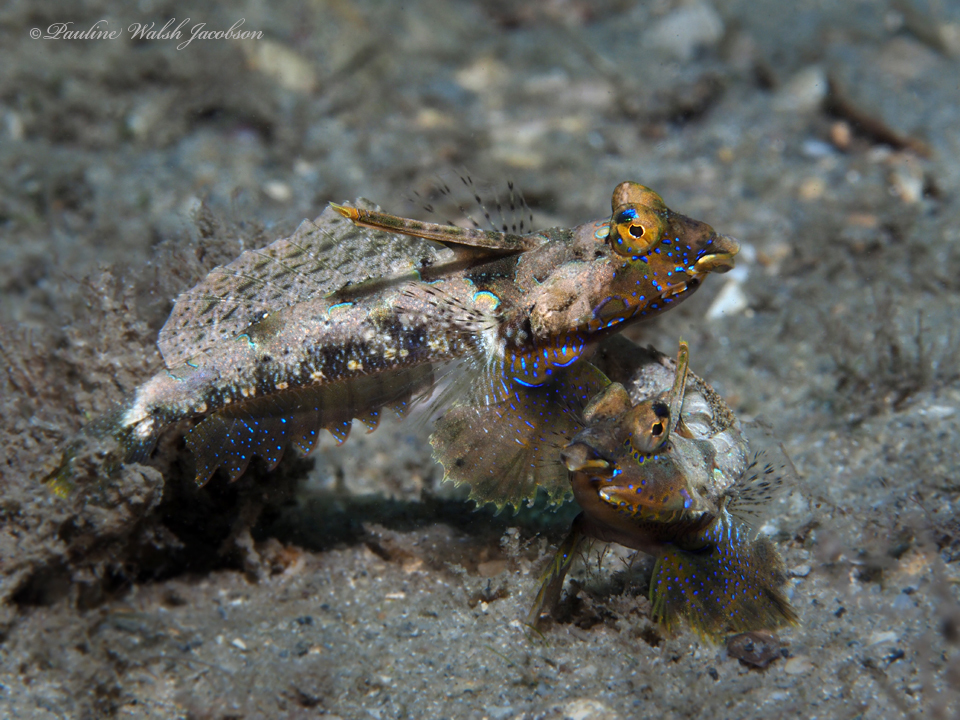 Lancer dragonet
Callionymus bairdi
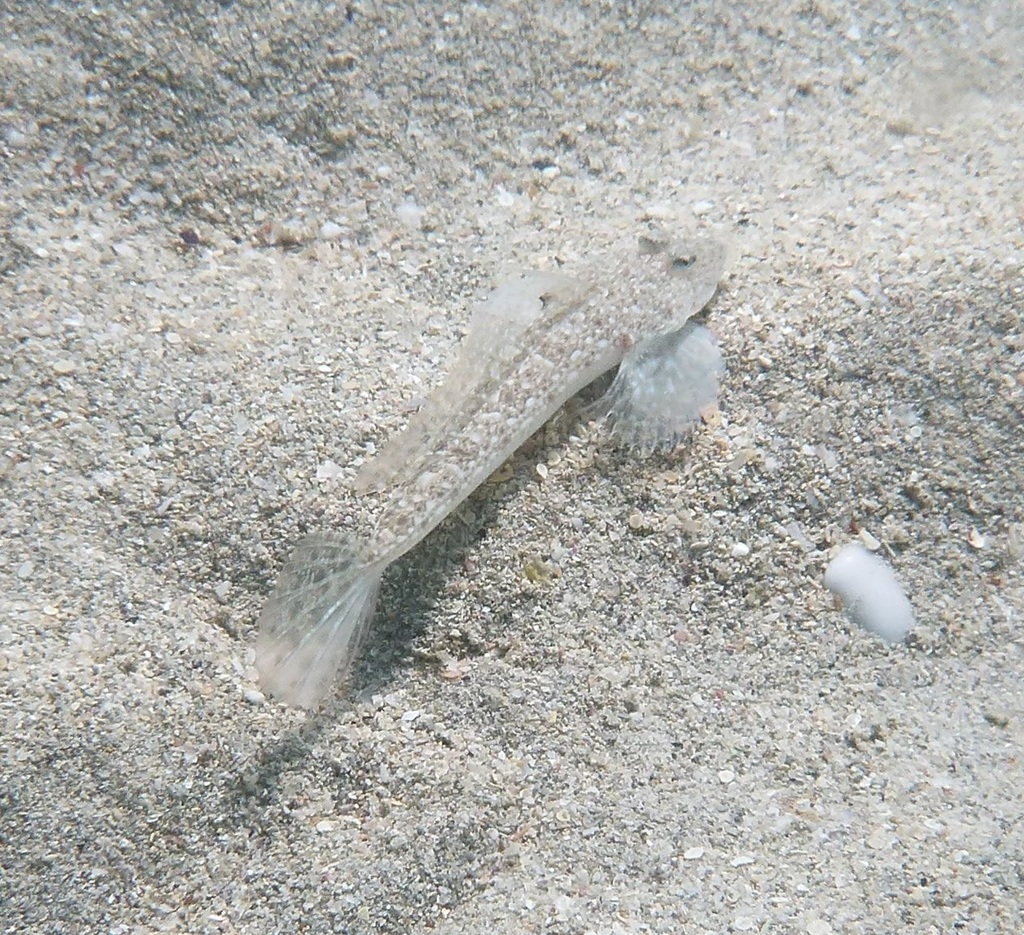 Goodlad's Dragonet
Callionymus goodladi
- Common Dragonet
Callionymus enneactis
Quellen und Nachweise
Namen und Systematik: WoRMS (CC BY 4.0) und GBIF Backbone (CC BY 4.0). Fotos: iNaturalist-Beobachter, jeweils unter der angegebenen Lizenz (CC0, CC BY oder CC BY-SA).
- Tiefe, Temperatur, Monate und Karten: Daten von OBIS und GBIF unter CC0 oder CC BY.
- Beschreibungen: Wikipedia, lizenziert unter CC BY-SA, jeweils mit Link zum Artikel.
- Gefährdungsstatus wie von GBIF veröffentlicht (Rote Liste der IUCN).
- 75 offene Datensätze von 1984 bis 1999.
- Artdaten aktualisiert am 9. November 2026.
Halte fest, was du beim nächsten Tauchgang siehst
Die kostenlose DiveHive-Taucher-App führt dein Logbuch mit jeder Sichtung und zeigt, was am nächsten Tauchplatz lebt.