
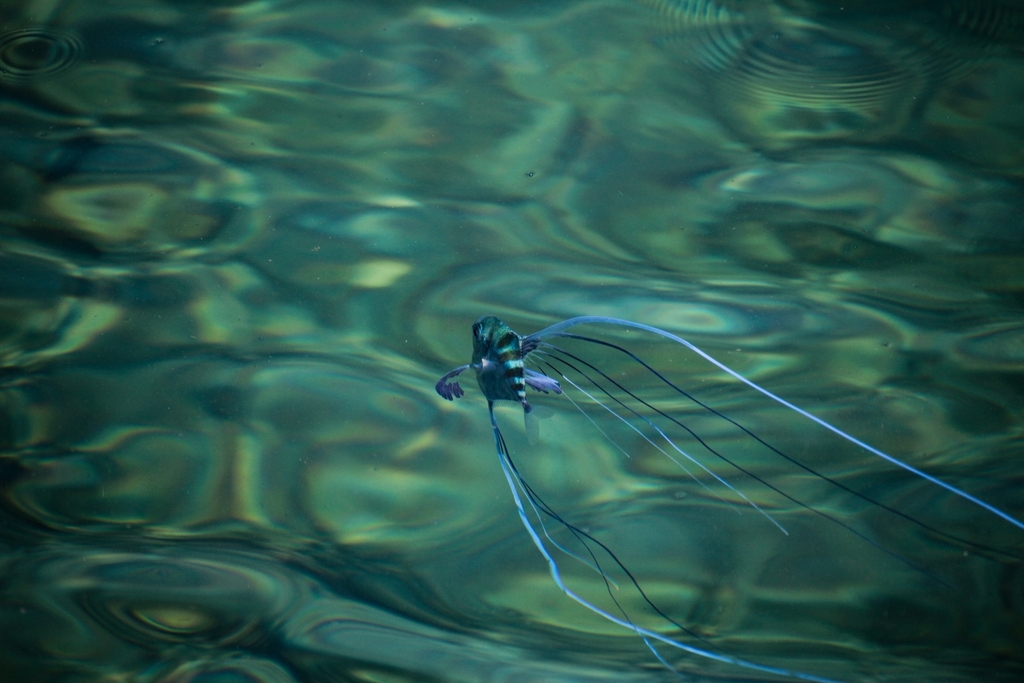
African pompano
Alectis ciliaris
- Übliche Tiefe5–62 m
- Wassertemperatur14–30 °C
- Beste MonateFebruar, Juni und September
- Wie häufigGelegentlich
Bildnachweis: (c) Antonio Vukusich y Alejandra Cabellos, some rights reserved (CC BY) · CC BY · iNaturalist
Über diese Art
The African pompano, also known as the pennant-fish or threadfin trevally, is a widely distributed species of tropical marine fish in the jack family, Carangidae. The species is found in tropical waters worldwide, with adults often inhabiting coastlines, while juveniles are usually pelagic, floating with ocean currents. The adult African pompano is similar in appearance to the other members of the genus Alectis, with the concave shape of the head near the eyes; the clearest distinguishing feature. The juveniles are similar to other members of Alectis, having long, filamentous dorsal and anal fin tips which are thought to discourage predators. The species lives in depths less than 100 m, consuming a range of crustaceans and small fishes. The species is of minor economic importance, often taken amongst other tropical midwater fishes by hook and line, while juveniles are occasionally caught in beach seines. African pompano are also highly rated game fish, often considered one of the strongest of the jacks in larger sizes.
Text aus dem Wikipedia-Artikel „African pompano“, lizenziert unter CC BY-SA 4.0. Artikel lesen
Wo und wann
Wo die Art nachgewiesen wurde
Weltweit
Beste Monate
Weltweit (offene Daten)
- Januar: 50 Nachweise
- Februar: 77 Nachweise
- März: 54 Nachweise
- April: 56 Nachweise
- Mai: 55 Nachweise
- Juni: 80 Nachweise
- Juli: 74 Nachweise
- August: 75 Nachweise
- September: 108 Nachweise
- Oktober: 69 Nachweise
- November: 47 Nachweise
- Dezember: 30 Nachweise
Tiefe und Wassertemperatur
Tiefe
Meist nachgewiesen in 5–62 m · Tiefster Nachweis: 966 m
Wassertemperatur
Nachgewiesen in Oberflächenwasser von 14–30 °C
Fotos
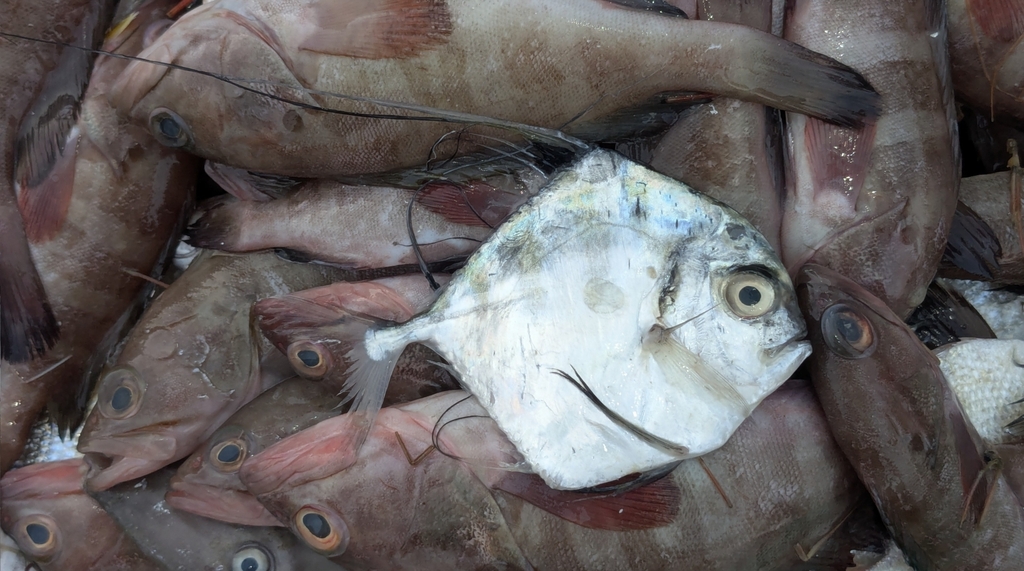
(c) Ashwit Shetty, some rights reserved (CC BY) · CC BY · iNaturalist 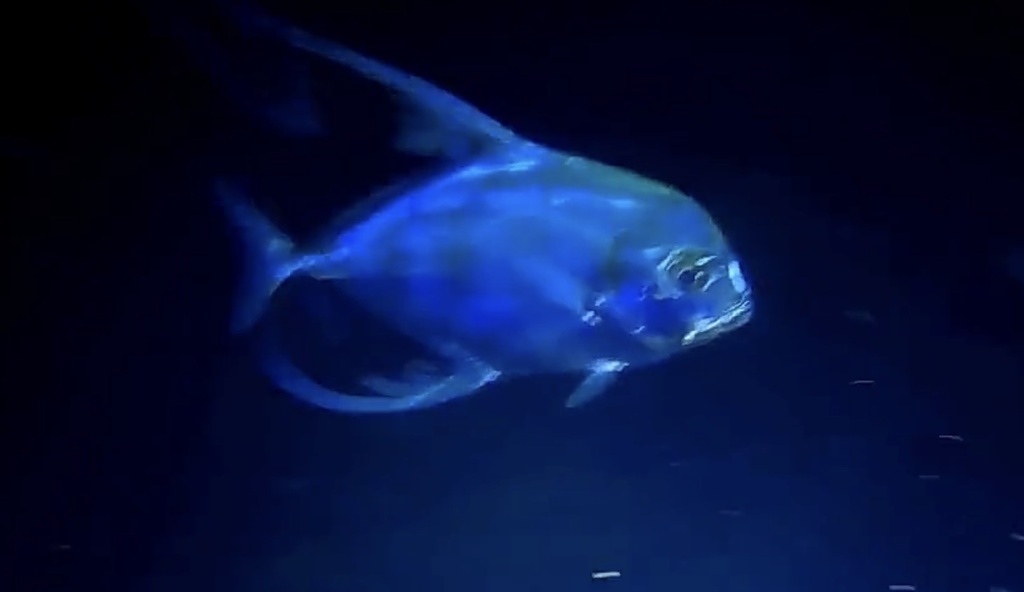
(c) TonyT, some rights reserved (CC BY) · CC BY · iNaturalist 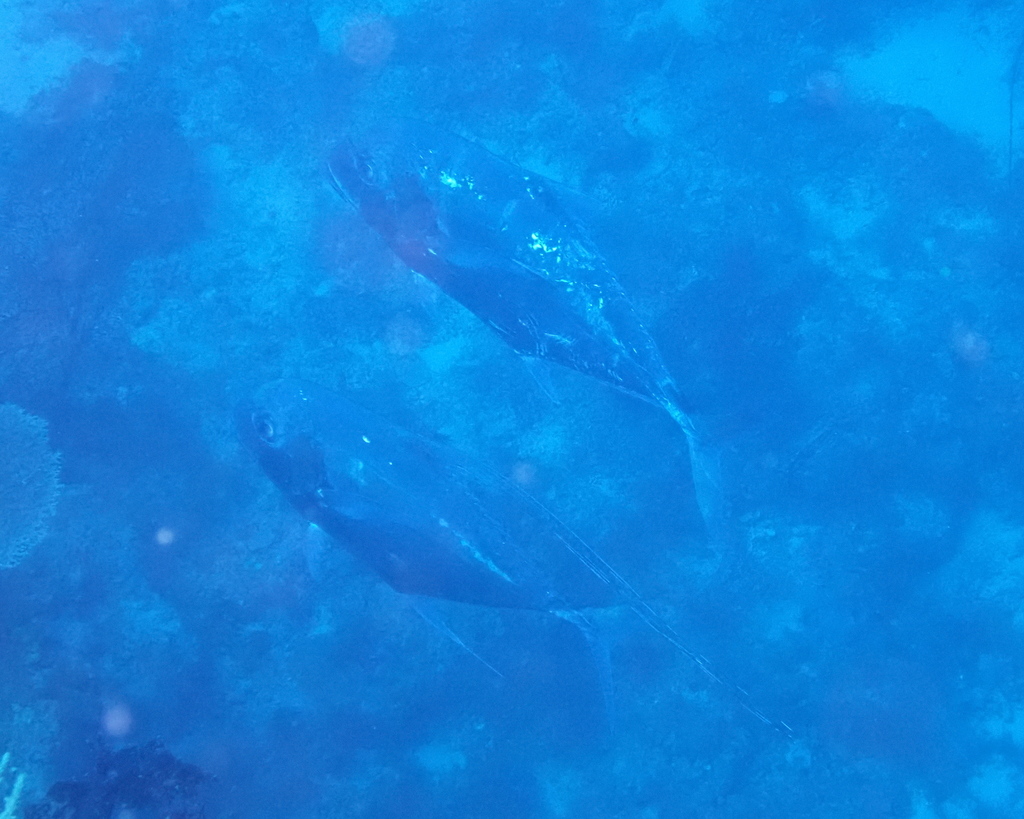
(c) Debra Baker, some rights reserved (CC BY) · CC BY · iNaturalist 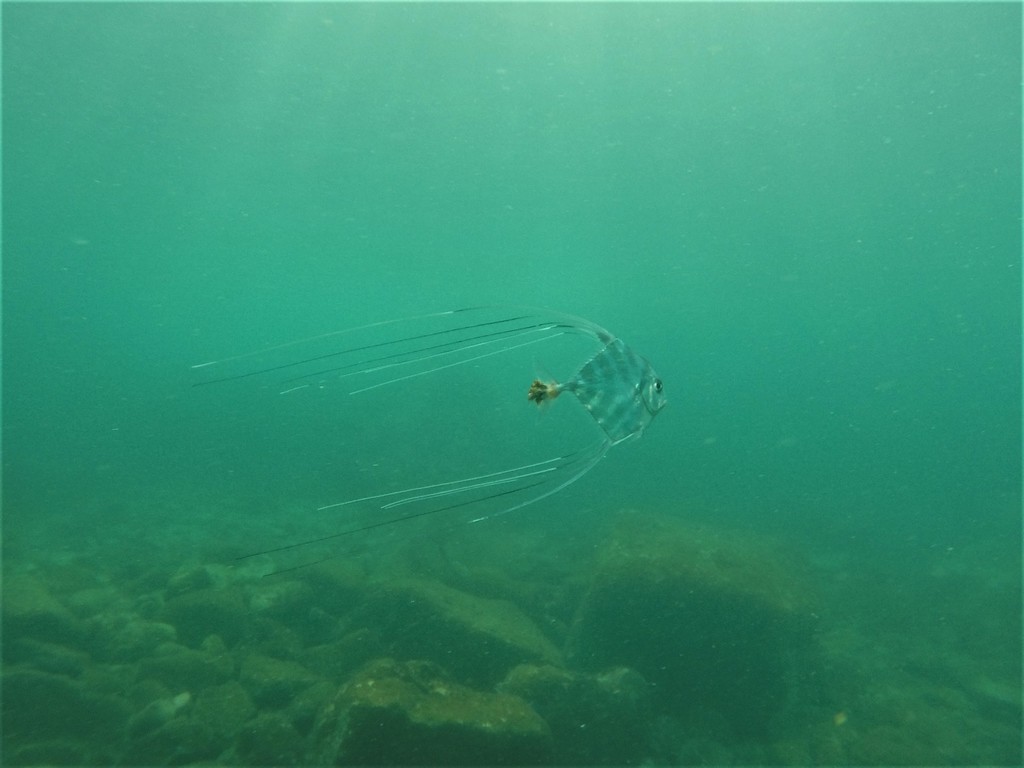
(c) Alberto Alcalá, some rights reserved (CC BY) · CC BY · iNaturalist 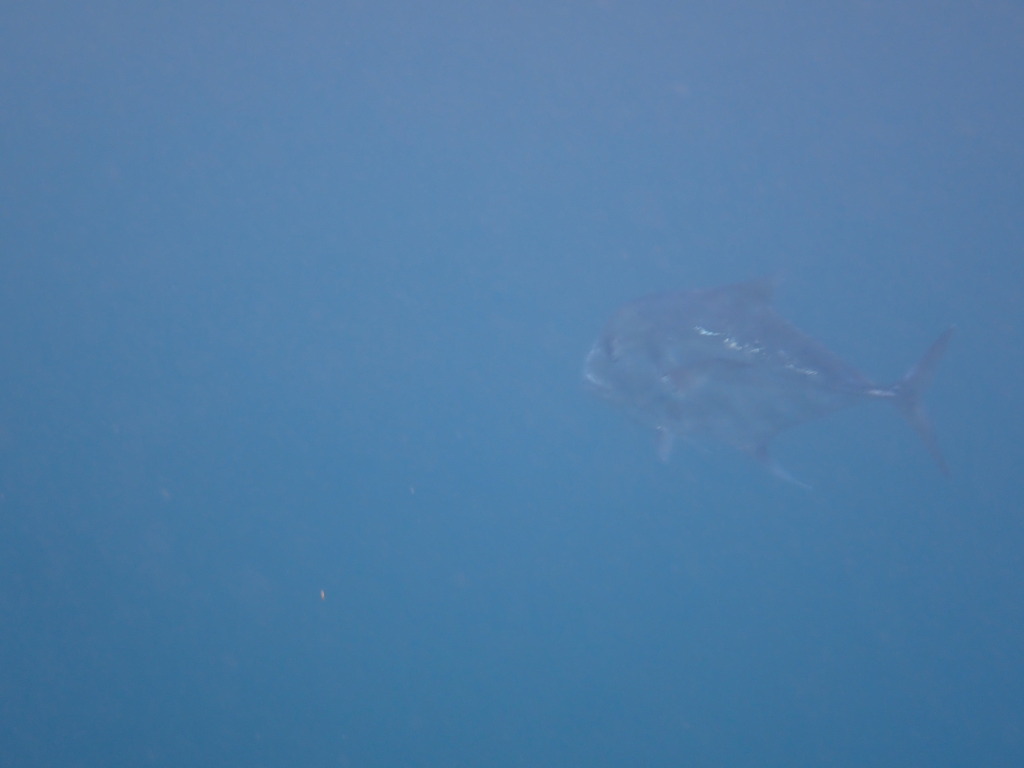
(c) keesgroenendijk, some rights reserved (CC BY) · CC BY · iNaturalist 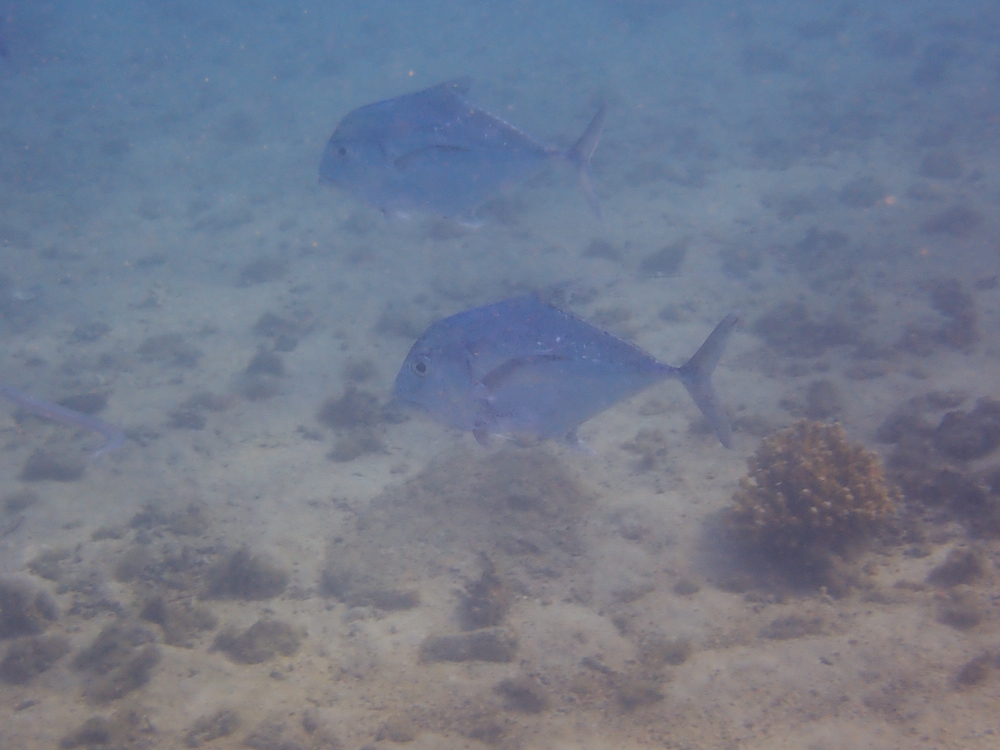
(c) keesgroenendijk, some rights reserved (CC BY) · CC BY · iNaturalist 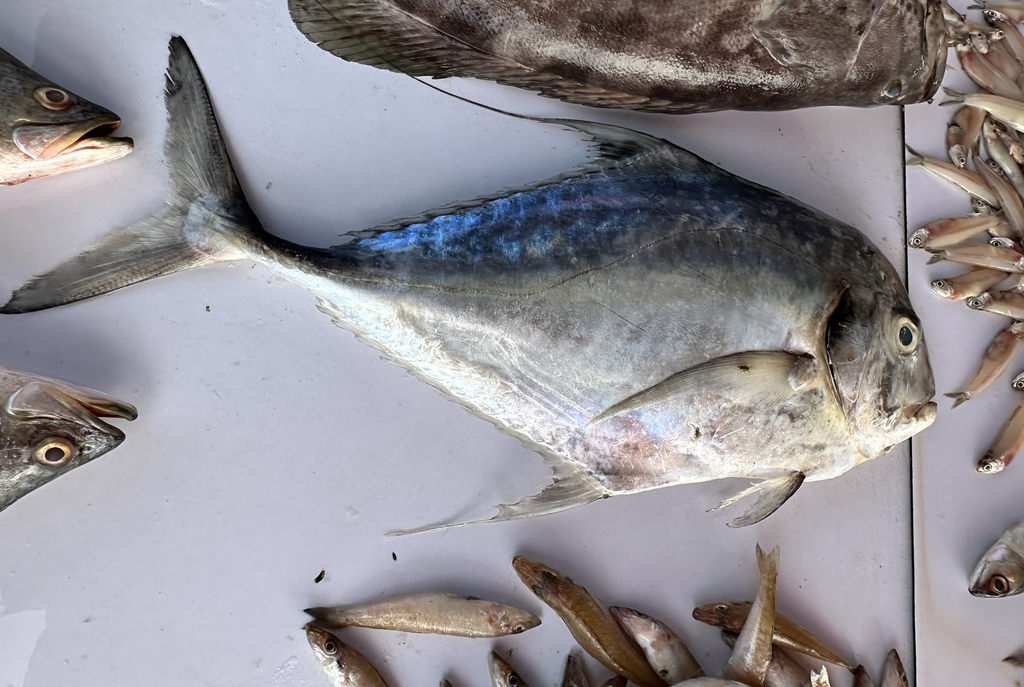
(c) Ashwin Srinivasan, some rights reserved (CC BY) · CC BY · iNaturalist
Namen und Systematik
- Englisch
- African pompano, African Pompano, Amberjack, Ciliated Thread-fish, Ciliated Threadfish, Cobblerfish, Cordonnier, Crevalle, Cuban Jack, Diamond Trevally, Fiddler, Hairfish, Indian Threadfin Trevally, Jack, Jacks, Pennantfish, Pennant Fish, Pennant Trevally, Pompano, Round-headed Pennantfish, Scad, Shoemaker, Sunfish, Threadfin, Threadfin Jack, Thread-fin Jackfish, Threadfin Mirrorfish, Thread-finned Trevally, Threadfinned Trevally, Threadfin Pompano, Threadfin Trevally, Threadfish, Thread Pompano, Trevalle, Trevally
Namen in 3 weiteren Sprachen
- Spanisch
- Caballa, Caballito, Chicuaca, Cojinoba, Corcoba de Plana, Corcobado de Pluma, Elechudo, flechudo, Jurel de Pluma, Paja blanco, Palometa, Pampanito, Pampano, Pampano Africano, Pámpano Africano, Pampano de Hebra, pámpano de hebra, Pampano de Pluma, Pampano Flechudo, Peje rey, Pompano, Sol, Zapatero
- Französisch
- Aile ronde, Aile ronde, Cordonnier, Carangue, Carangue échevelée, Cordonnier, Cordonnier fil, Marguerite
- Japanisch
- Itohikiaji, イトヒキアジ
Weitere wissenschaftliche Namen: Alectes ciliaris, Alectis breviventralis, Alectis cilaris, Alectis cilliaris, Alectis crinitus, Alectis indica, Alectis temmincki, Blepharichthys crinitus, Blepharis ciliaris, Blepharis crinitus, Blepharis fasciatus, Blepharis indicus, Blepharis major, Blepharis sutor, Carangoides ajax, Caranx ajax, Gallus virescens, Hynnis cubensis, Hynnis hopkinsi, Scyris analis, Zeus ciliaris, Zeus crinitus, Zeus gallus
Ähnliche Arten
- Makrelenbarsch
Alectis alexandrina
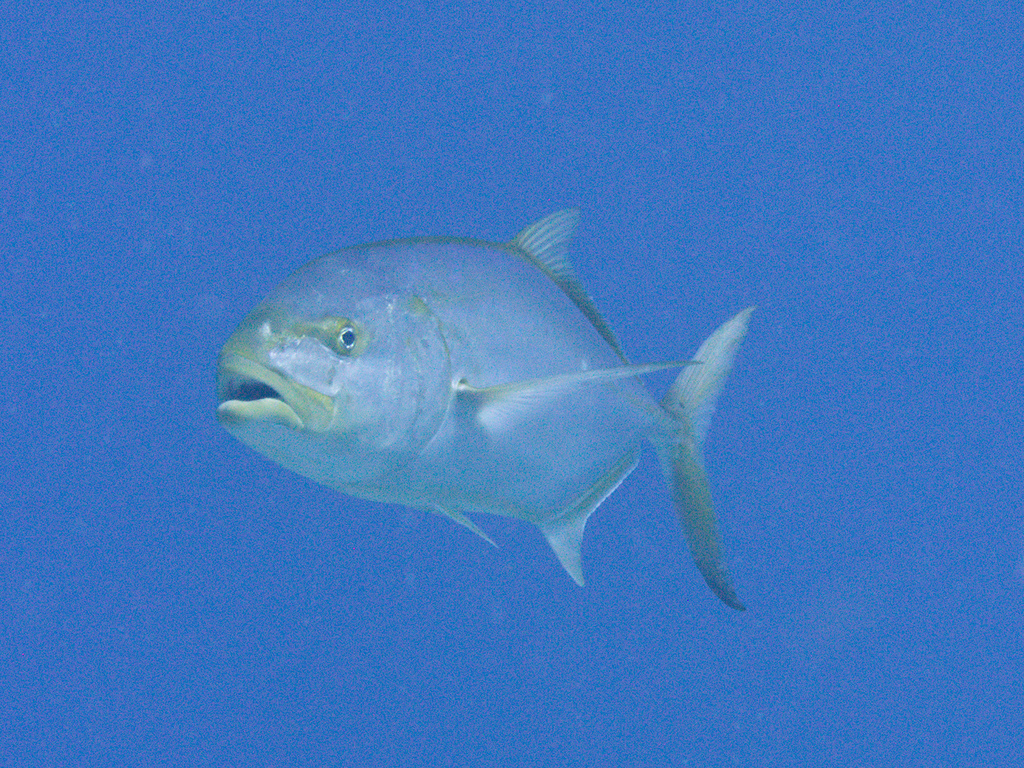 Yellow jack
Caranx bartholomaei
 Stachelmakrele
Caranx crysos
 Cavalla
Caranx hippos
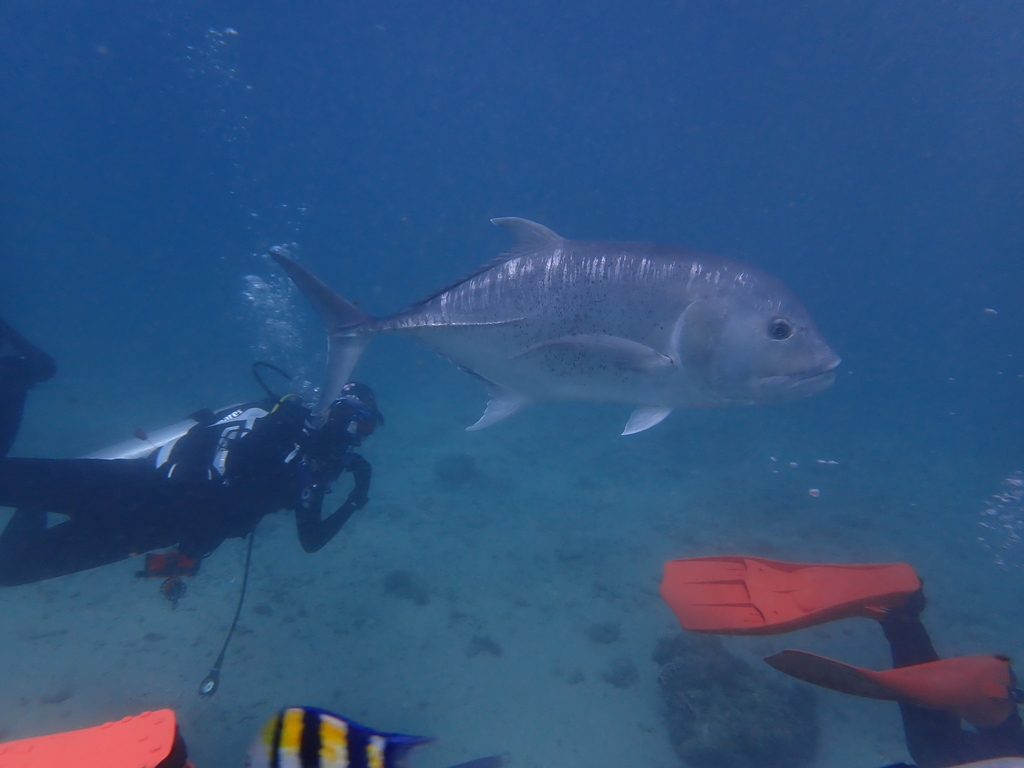 Dickkopf-Makrele
Caranx ignobilis
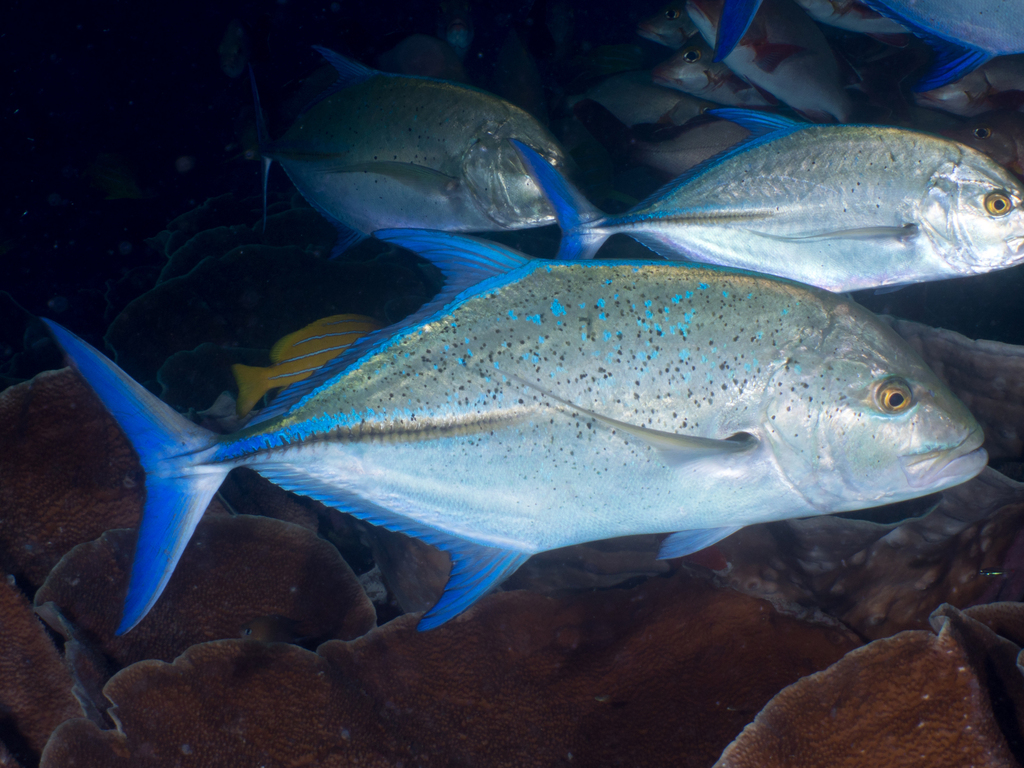 Blauflossen-Makrele
Caranx melampygus
Quellen und Nachweise
Namen und Systematik: WoRMS (CC BY 4.0) und GBIF Backbone (CC BY 4.0). Fotos: iNaturalist-Beobachter, jeweils unter der angegebenen Lizenz (CC0, CC BY oder CC BY-SA).
- Tiefe, Temperatur, Monate und Karten: Daten von OBIS und GBIF unter CC0 oder CC BY.
- Beschreibungen: Wikipedia, lizenziert unter CC BY-SA, jeweils mit Link zum Artikel.
- Gefährdungsstatus wie von GBIF veröffentlicht (Rote Liste der IUCN).
- 1.148 offene Datensätze von 1787 bis 2024.
- Artdaten aktualisiert am 26. Oktober 2026.
Halte fest, was du beim nächsten Tauchgang siehst
Die kostenlose DiveHive-Taucher-App führt dein Logbuch mit jeder Sichtung und zeigt, was am nächsten Tauchplatz lebt.